REVIEW · ROME
Castel Sant Angelo Tour With Skip the line Access
Book on Viator →Operated by Doooing Experience · Bookable on Viator
Castel Sant’Angelo hits you fast. This 2-hour guided tour turns a fortress into stories you can picture, with skip-the-line access and a licensed guide leading the way through the castle’s changing roles. I especially like that admission and headsets are included, so you can just show up and go.
My second favorite part: it’s run in a small group (max 20), which makes it easier to ask questions and hear the guide without shouting over crowds. One heads-up: you’ll be on your feet for two hours, with stairs and slopes, and strollers aren’t allowed inside most areas.
In This Review
- Key things to know before you go
- Castel Sant’Angelo with a guide: why this place works
- Timing and pacing: what a 2-hour visit really feels like
- Skip-the-line access: the real value
- What you’ll see inside Castel Sant’Angelo (and why it’s worth the effort)
- 1) The fortress story comes into focus
- 2) You’ll learn the big themes, not just random facts
- 3) The payoff: views from the upper terrace
- Headsets and group size: comfort and clarity
- Price and value: €16 ticket vs what you pay
- Meeting point: where to start (and why it matters)
- Walking logistics: stairs, slopes, and the stroller rule
- Jubilee restoration and route changes: plan like a pro
- When this tour fits best (and who should book it)
- The tour experience quality: what the guide names suggest
- Should you book Castel Sant’Angelo Skip-the-line with guided access?
- FAQ
- FAQ
- Is admission to Castel Sant’Angelo included?
- How long is the tour?
- Where do we meet, and where does the tour end?
- Do I need headsets?
- Are strollers allowed inside Castel Sant’Angelo?
- What should I check before I go during the Jubilee period?
Key things to know before you go
- Skip-the-line access helps you move in without burning time at entry desks.
- Admission fees + headsets included, so you avoid surprise add-ons once you arrive.
- Small group size (up to 20) keeps the pace human and the guide’s attention practical.
- Guides are a big deal here; names like Sylvia, Fabio, Irene, Rosanna, and Martina show up again and again in top-rated experiences.
- Expect stairs and slopes, and plan for breaks if you need them.
- Jubilee restoration can affect routes, so check your messages before you walk over.
Castel Sant’Angelo with a guide: why this place works
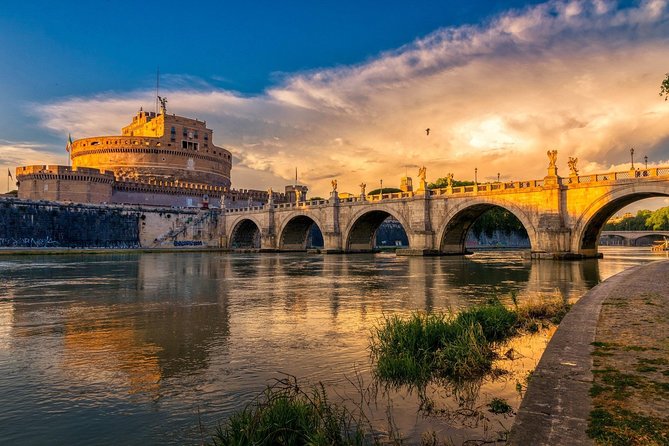
Castel Sant’Angelo can look like a single, solid fortress from the outside. Then you step inside and realize it’s been repurposed again and again, adapting to whatever Rome needed at the time—first as a mausoleum, then as a fortress, prison, papal residence, and later a museum. That history matters, because the building’s layout makes sense only when someone explains what you’re looking at.
That’s where this tour wins. You don’t just read plaques or wander room to room guessing. Your guide connects the dots: how the site relates to Rome’s broader story and even how it ties into the Vatican area, which is one of the big “wait, that’s connected?” moments people take away.
And the best part is tone. A great guide keeps it moving while still giving context. In the experiences I saw, guides like Sylvia, Fabio, Irene, and Martina were repeatedly praised for keeping the story clear and for making the rooms feel meaningful, not random.
You can also read our reviews of more tours and experiences in Rome
- Skip-the-Line Group Tour of the Vatican, Sistine Chapel & St. Peter’s Basilica
★ 4.5 · 12,779 reviews



Timing and pacing: what a 2-hour visit really feels like
This is designed for about 2 hours on site. That duration is long enough to get through the key sections and reach the upper views, but short enough that you won’t feel like you’re committing your whole day to one building.
You should still expect a workout. More than once, people flagged stairs and slopes—exactly what you’d guess from a fortress with terraces and shifting levels. The pace generally works best when you wear comfortable shoes and stay ready for repeated up-and-down walking.
If you’re on a tight schedule—like fitting Rome sights into your last afternoon—this format is a smart way to get the high points without turning it into a half-day project.
Skip-the-line access: the real value
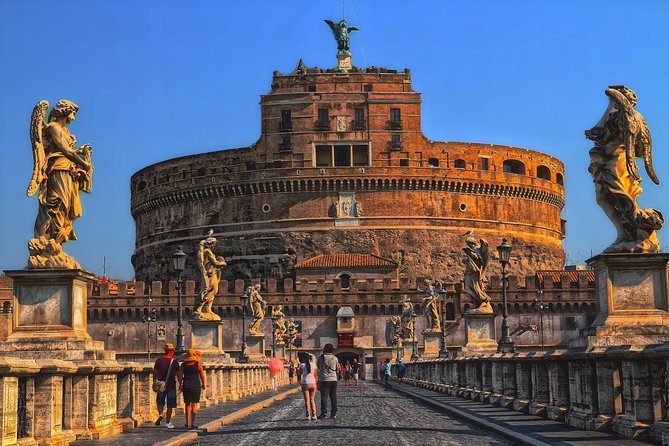
Skip-the-line is one of those phrases that can sound vague until you’ve tried to visit major sites in Rome at peak hours. Here’s the practical angle: Castel Sant’Angelo is popular, and entry logistics can eat time.
With this tour, you start at a fixed meeting point (more on that below) and you’re guided in a coordinated group. You still have to do the security and entry process that the site requires, but you’re not left standing around figuring out where to go and what line you belong to.
Think of it as stress control. For an 2-hour experience, every minute you save at entry helps you spend more time inside, up on the terraces, and less time stuck in Rome’s slow-moving queues.
What you’ll see inside Castel Sant’Angelo (and why it’s worth the effort)
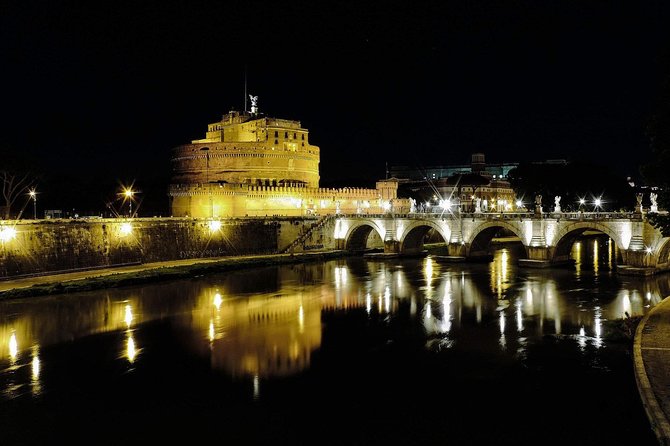
Because this is a focused tour, everything centers on the castle itself: you’re not bouncing between multiple sites. That makes the visit feel concentrated—like you’re learning one story deeply enough to remember it.
Here’s the kind of flow you should expect:
1) The fortress story comes into focus
At the start, you’ll be introduced to the site in a way that makes later rooms click. The guides tend to emphasize how the building’s purpose shifted over time—mausoleum to fortress to prison to papal residence. That’s important because the castle looks coherent even when you don’t yet know why it was built the way it was.
If you’re the type who likes cause-and-effect history, you’ll appreciate how the guide ties details to the broader narrative.






2) You’ll learn the big themes, not just random facts
In the strongest experiences described, the guide doesn’t recite a script. Instead, the story is told room by room, with explanations for artefacts and why each area mattered. That’s how people end up saying the castle felt like it had weight and meaning—not just ancient stone.
Guides mentioned in top experiences include Fabio, Andy, Alexandra, and Rosanna, with praise focused on storytelling and on answering questions clearly.
3) The payoff: views from the upper terrace
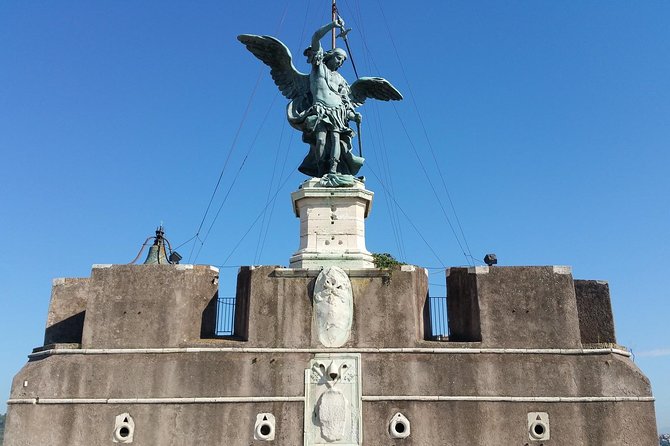
The castle is famous, but the best reward is often at the top. Multiple people specifically mentioned the view of Rome—and several also connected the vista to the Vatican area. That’s the moment where you get the best “I get it now” feeling: the fortress sits in a strategic position, and you can see why Rome would want it in the first place.
Bring a phone you can actually manage for photos. With the steps and terraces, it’s easy to get caught fumbling with gear.
Headsets and group size: comfort and clarity
Two practical details make a noticeable difference: headsets are included and the group is kept small.
When you’re touring inside a large monument, sound can vanish fast—between architecture, crowd noise, and how people cluster. Headsets fix that. You can hear the guide without craning your neck or standing in the perfect spot from the start.
Small group size (max 20) helps too. It’s enough people for energy, not so many that you feel herded. Several top-rated experiences praised guides who interacted with the group and answered questions, including those on tours described with very small numbers.
If you’ve ever done a crowded tour where you can barely hear, you’ll appreciate this setup.
Price and value: €16 ticket vs what you pay
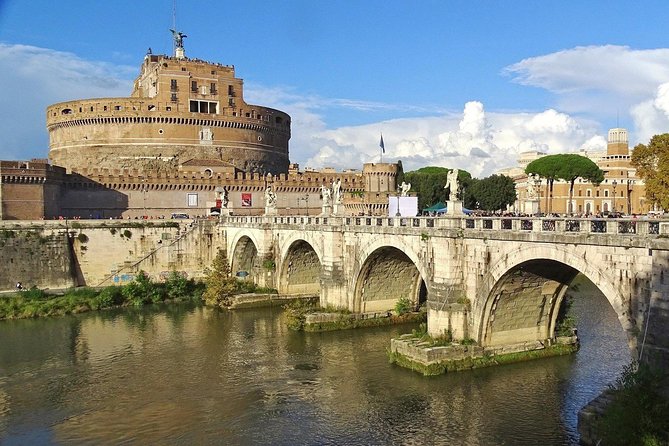
The site’s official ticket price for Castel Sant’Angelo is €16.00, and that’s for admission only.
Your tour price is listed at $83.27 per person, and the difference is basically what you’re buying on top of the entry:
- a licensed professional guide
- group coordination
- headsets (included)
- service and operational costs (the usual behind-the-scenes fees)
Is it “worth it”? For me, yes—if you care about context. Castel Sant’Angelo is more than a pretty exterior. When the guide connects architecture, shifting history, and the reasons behind the castle’s changing roles, the visit turns from sightseeing into understanding.
If you’d rather wander solo with a book or app and you don’t mind paying for entry only, you could do it independently. But for most people, this guided format is the better match for time and for payoff.
Meeting point: where to start (and why it matters)
The tour meets at Lungotevere Castello, 50, 00193 Roma RM. It ends back at the same meeting point.
That matters because Castel Sant’Angelo sits on the river side, and Rome is a place where “nearby” can still mean a 10-minute walk you didn’t plan for. Start from the meeting point on time so you don’t miss the intro and the beginning flow inside.
Also, there’s no hotel pickup or drop-off. You’re walking in on your own schedule, so build in a little buffer—especially if you’re combining this with other Vatican-area stops.
Walking logistics: stairs, slopes, and the stroller rule

Be honest with yourself about your stamina. This isn’t a sit-and-watch tour. You’ll be on your feet for roughly two hours, with stairs and slopes built into the castle’s structure.
One clear rule: strollers are not allowed inside most areas, and you’ll be asked to leave them at the entrance. If you’re traveling with a small child, plan around that. A carrier might be your best option, depending on comfort and the pace of the group.
Jubilee restoration and route changes: plan like a pro
One factor that’s out of anyone’s control: during the Jubilee period, some monuments may be under restoration, and access routes could change. The key practical move is simple—check your messages before you go.
If you arrive and a section is rerouted, the guide will likely help the group handle it. But it’s still smart to keep expectations flexible, because Rome’s preservation work can affect how you move through sites.
When this tour fits best (and who should book it)
This is a strong choice for:
- History lovers who want the castle’s changing roles explained in plain language
- Time-crunched visitors who want a meaningful visit in about two hours
- Families, including ones with teenagers, since several experiences praised guides for keeping younger minds engaged
It may be less ideal if:
- you want a fully self-paced visit with no structure
- stairs and slopes are a serious issue for you
- you need stroller access inside the main areas (the rule is clear)
The tour experience quality: what the guide names suggest
The repeated praise for specific guides is a big clue. Names like Sylvia, Fabio, Irene, Rosanna, Martina, and Alexandra come up with the same themes: clear storytelling, good pacing, friendliness, and answering questions. People also liked guides who helped with practical photo moments and who adjusted the flow when asked.
That pattern usually means the company takes guide selection seriously. And that’s exactly what you want for a place like Castel Sant’Angelo, where context makes the experience click.
Should you book Castel Sant’Angelo Skip-the-line with guided access?
I’d book it if you want your Castel Sant’Angelo visit to feel like a story you can follow, not just a checklist. The combination of skip-the-line access, included admission, and headsets is built for convenience. And the guide is clearly the heart of the experience—when the storytelling is good, the castle becomes memorable.
Skip it only if you’re comfortable touring the castle on your own and you don’t care much about the building’s shifting roles. Otherwise, this is a solid use of time in Rome, with a view payoff that makes the walking feel justified.
FAQ
FAQ
Is admission to Castel Sant’Angelo included?
Yes. The tour includes the admission fees for Castel Sant’Angelo, and headsets are also included.
How long is the tour?
It’s listed as about 2 hours.
Where do we meet, and where does the tour end?
You meet at Lungotevere Castello, 50, 00193 Roma RM, Italy. The tour ends back at the same meeting point.
Do I need headsets?
Headsets are included. If you need them, you’ll have them for the tour.
Are strollers allowed inside Castel Sant’Angelo?
No. Strollers are not allowed inside most areas, and you’ll be asked to leave them at the entrance.
What should I check before I go during the Jubilee period?
Some monuments may be under restoration and access routes could change. Check your messages for updates before your visit.

More Skip the Line in Rome
- Skip-the-Line Group Tour of the Vatican, Sistine Chapel & St. Peter’s Basilica
★ 4.5 · 12,779 reviews