REVIEW · ROME
Course in Rome: Wine Education with Food – mini sommelier course
Book on Viator →Operated by Roma Gourmet Experience · Bookable on Viator
Wine lessons should be this fun. In the heart of Rome, I like the structured tasting skills you build step by step, and I also love the food pairings that make every sip easier to understand. The one thing to consider is getting to Via Ardeatina 237—this isn’t right in the most touristy core, so plan your route ahead.
This is a 3-hour, private session in English with a professional sommelier. You’ll taste four wines—prosecco, rosé, white, and red—while also working through practical pairing logic with salumi and cheese, plus freshly baked focaccia, desserts, and gelato/ice cream.
One more practical note: it’s a real wine tasting, so the legal age to participate is 18. If you’re traveling with younger friends, this is an easy one to skip in favor of another food-focused Rome stop.
In This Review
- Key highlights worth marking on your Rome map
- A small wine classroom at Via Ardeatina 237
- What you actually learn from the sommelier (and keep)
- Four wines, one logical progression
- Prosecco: start bright and simple
- Rosé: practice reading color and fruit
- White wine: texture and freshness cues
- Red wine: structure you can feel
- Salumi, cheese, and cold cuts: pairing that teaches your palate
- Why salumi and cheese work for beginners
- Focaccia: simple carbs, big learning value
- Desserts and gelato/ice cream: the sweet finish
- The 3-hour pacing: enough time to learn, not enough time to get tired
- Pricing: is $96.02 worth it?
- Who this mini sommelier course fits best
- Quick practical notes before you go
- Should you book this Rome mini sommelier course?
- FAQ
- How long is the mini sommelier course in Rome?
- What wines are included in the tastings?
- Is food included, or is it just wine?
- Where does the experience start and end?
- Is transportation included?
- Is the course offered in English?
- Is this a private tour?
- What is the legal age to participate in the wine tasting?
- What’s the cancellation policy?
Key highlights worth marking on your Rome map
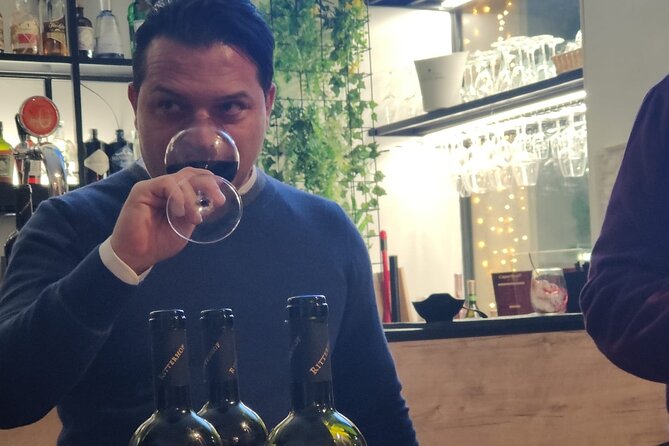
- Four tastings in a guided sequence: prosecco, rosé, white, and red, with tips for what to notice at each stage
- Sommelier-led technique, not just sampling: learn how to recognize qualities in wine and how the tasting process works
- Pairing that’s built for learning: national cold cuts and cheeses paired to enhance the flavors you’re tasting
- Roman comfort foods are part of the class: focaccia, desserts, and gelato/ice cream included with your wines
- Private, English-friendly format: only your group, with a mobile ticket for an easy check-in
- A guide with genuine personality: one reviewer specifically called out the sommelier Christian’s enthusiasm and storytelling
A small wine classroom at Via Ardeatina 237
The course starts and ends at Via Ardeatina 237 (00179 Roma RM). That matters because you’re not drifting through the city for stops. You’re showing up, tasting, learning, eating, and then heading back the same way. For me, that’s a win when you want value from a short trip day.
Because there’s no private transportation included, you’ll want to handle your own ride to the meeting point. The good news: it’s near public transportation, so you’re not stuck hunting for a taxi in Rome traffic. Still, I recommend you check your route the day before. Rome has plenty of signage, but the “fastest” way can change depending on where you’re coming from.
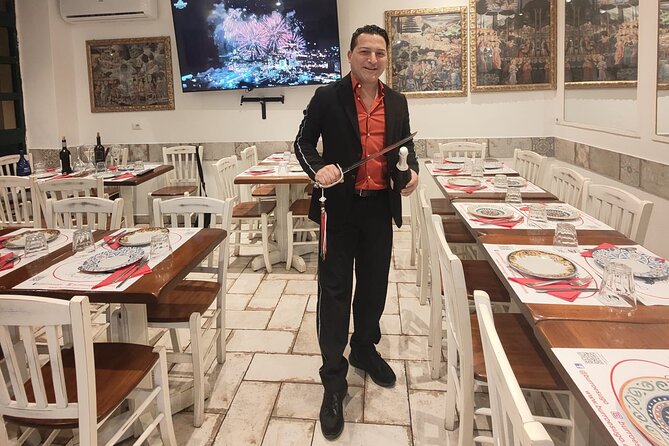
This is also a private tour/activity. Translation: the pacing tends to fit your group. If you ask questions, the sommelier can tailor explanations instead of racing through a big crowd.
You can also read our reviews of more food & drink experiences in Rome

What you actually learn from the sommelier (and keep)
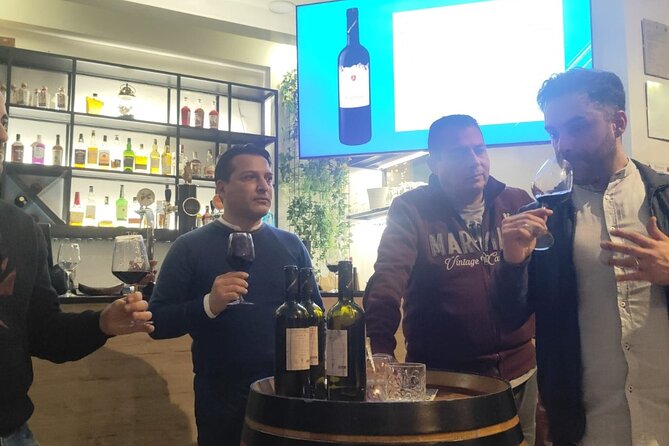
The biggest value here is that you’re not just drinking. You’re learning a method.
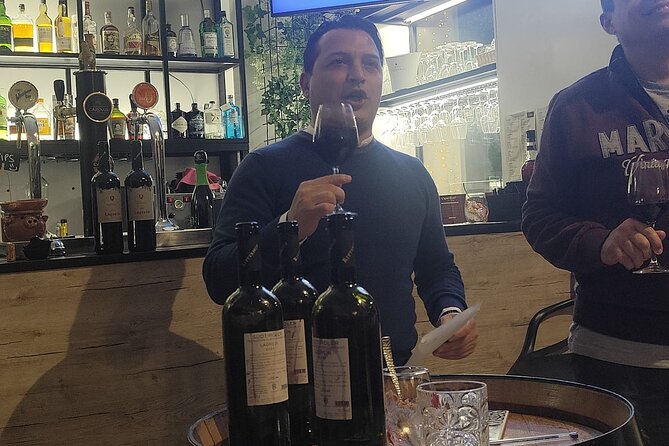
Your sommelier walks you through how to recognize qualities in different wines and explains the tasting process. That means you start connecting flavor and texture cues to something you can remember later—at a bar, in a shop, or at dinner with a bottle you didn’t choose in advance.
A practical way to think about it:
- You’ll taste and compare, rather than just note whether you like it.
- You’ll get tips that help you notice acidity, sweetness, fruit character, and how the wine interacts with food.
- You’ll build confidence so the next bottle isn’t a mystery.
One of the most memorable parts for me (based on how people talk about the experience) is the human side. A review highlighted the sommelier Christian—described as enthusiastic, personable, and genuinely honored to share wine and food. That kind of energy matters. When a guide is excited, the class feels like a conversation, not a lecture.
Four wines, one logical progression
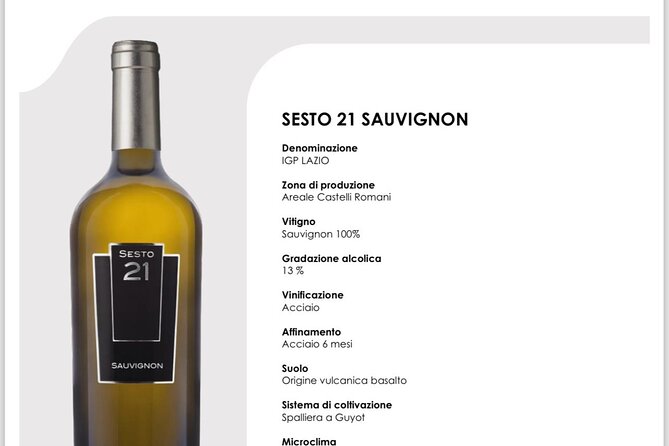
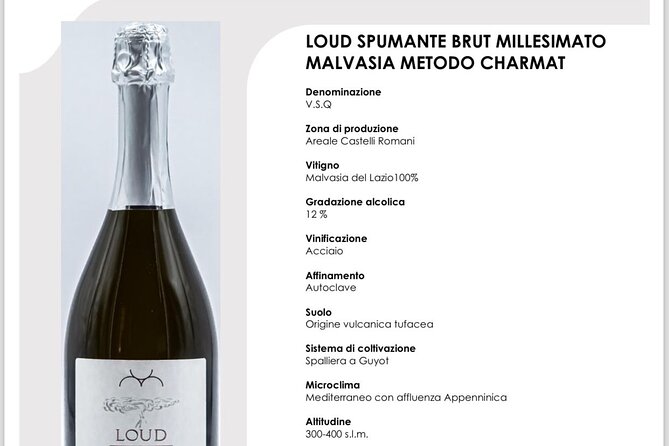
The course includes four wine tastings: prosecco, rosé, white wine, and red wine. The order is smart because each style teaches you different “handles” for understanding wine.
Here’s what you can expect from that progression:
Prosecco: start bright and simple
Prosecco is usually your first tasting, and that’s not random. Sparkling wine tends to make acidity and freshness easier to recognize. Even if you’re new to wine, you’ll pick up quickly what makes it feel lively—before you get into heavier reds.
Practical tip you’ll likely hear: pay attention to how the bubbles and acidity change how food tastes next to it.
Rosé: practice reading color and fruit
Rosé can be a shortcut to noticing fruit character. It often sits in that middle ground where people think they know what they’re getting, but the tasting still surprises them. This is a good stage to learn how to describe what you’re noticing, not just whether you like it.
You can also read our reviews of more tours and experiences in Rome





White wine: texture and freshness cues
White wine is where you can start getting more specific about aromas and flavor direction. The sommelier’s job here is to help you connect what you smell with what you taste, and to explain why white wines can feel crisp, smooth, or somewhere between.
Red wine: structure you can feel
Red is typically the most intimidating for beginners—tannins can feel dry or “grippy.” But this course format is built for learning, so you’re not left guessing. You taste, you compare, and you use the pairing to make sense of the structure.
If you leave Rome remembering one thing, I’d want it to be this: the goal isn’t to memorize grape names. The goal is to recognize style and balance—so you can choose better wines later.
Salumi, cheese, and cold cuts: pairing that teaches your palate
Food here isn’t an afterthought. You’ll get gourmet pairings with wine—national cold cuts and cheeses—plus focaccia, sweet treats, and gelato/ice cream.
Why salumi and cheese work for beginners
Salumi (Italian cold cuts) and cheese are flavorful enough to stand up to wine, but not so extreme that everything becomes chaotic. They also give you immediate contrast:
- Fat helps soften harsh edges in wine.
- Salt boosts fruit perception.
- Aromas from cured meats can make wine notes pop.
That’s useful because it teaches you a real pairing principle you can use outside the course. Next time you’re eating charcuterie, you’ll have a framework for why certain wines suddenly feel better.
Focaccia: simple carbs, big learning value
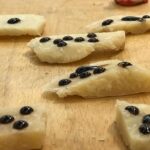
Focaccia shows up as a fresh, baked companion. I like this inclusion because it makes the tasting feel more like a real meal rather than a tasting-room stunt. Bread is also a palate reset. It helps you clear your head between wine styles so you can focus on what changed.
Desserts and gelato/ice cream: the sweet finish
Dessert can be tricky with wine, but gelato and sweet accompaniments give you a clear endpoint. You taste how sweetness interacts with wine impressions—an important skill if you ever want to order wine with dessert instead of defaulting to one drink and one plate.
The 3-hour pacing: enough time to learn, not enough time to get tired
At about 3 hours, this is a good length for a “skills + snacks” experience. Long enough to taste four wines and actually get guidance. Short enough that you’re not stuck feeling wiped by the end.
Because it’s a private format, the pace likely feels human. You don’t have to rush to the next pour, and you can ask questions when something clicks—or when it doesn’t.
If you’re planning your Rome day, I’d place this where you can relax afterward. You’ll likely finish with sugar (desserts and gelato) plus alcohol included in the tastings, so it’s not the kind of tour I’d schedule right before a packed evening with lots of walking.
Pricing: is $96.02 worth it?
It’s $96.02 per person for roughly 3 hours, with four tastings and a full snack-and-food spread: prosecco, rosé, white, and red, plus water, salumi and cheese, focaccia, desserts, and gelato/ice cream.
To judge the value, I look at three things:
- How many wines you taste (four is a solid number for a beginner course).
- Whether you get instruction (you do, with a professional sommelier and tips for recognizing wine qualities and the tasting process).
- What you eat with it (this isn’t just bread and a sip; you get a real pairing experience).
Given what’s included, I think this is priced like a true learning session rather than a basic “pay for wine” stop. You’re paying for guidance and structure, not only drinks.
One more sign it’s doing something right: it’s been booked far in advance on average (83 days). That often means people plan it like a key activity, not a random add-on.
Who this mini sommelier course fits best
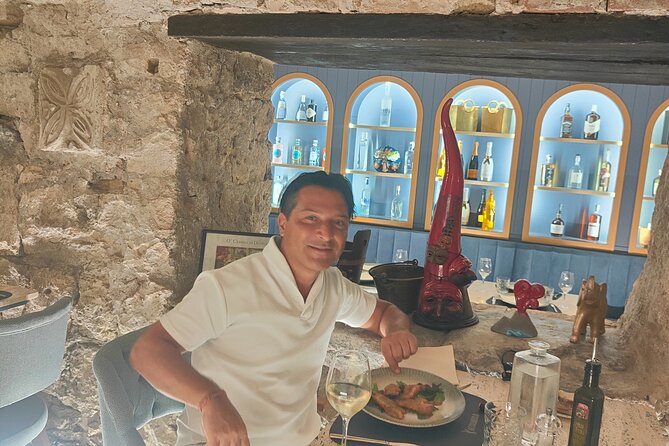
This is ideal if:
- You love wine but want a repeatable way to taste instead of guessing.
- You want a food-and-wine pairing experience in Rome without hopping across multiple neighborhoods.
- You appreciate a guide who explains and chats, not just pours.
It’s also a good choice if you’re a couple, a small group of friends, or anyone who’d enjoy a private setting where questions are welcome.
You might choose something else if:
- You want classic Rome sightseeing as the main event. This is a tasting classroom at one address.
- You strongly prefer non-alcohol experiences. Alcoholic beverages are part of the course, and the legal age to participate is 18.
Quick practical notes before you go
A few details that can make the day smoother:
- The tour is offered in English.
- You’ll receive a mobile ticket after booking.
- Confirmation is received at the time of booking.
- Service animals are allowed.
- Most travelers can participate.
- It ends back at the meeting point.
Should you book this Rome mini sommelier course?
If you want a short, guided wine lesson that actually builds skills—and you like the idea of pairing tastings with salumi, cheese, focaccia, desserts, and gelato—then yes, I’d book it. The best reason is the combination of four structured tastings plus a sommelier explaining how to recognize wine qualities, so you leave with knowledge you can use again.
If your goal is only to drink wine with zero learning involved, you might find something simpler. But if you care about understanding what you’re tasting, this is the kind of experience that makes Rome feel personal—and useful—long after your trip ends.
FAQ
How long is the mini sommelier course in Rome?
It runs for about 3 hours.
What wines are included in the tastings?
You’ll taste Prosecco, rosé, a white wine, and a red wine.
Is food included, or is it just wine?
Food is included. You’ll get salumi and cheese for pairings, plus focaccia, desserts, and gelato/ice cream.
Where does the experience start and end?
It starts at Via Ardeatina, 237, 00179 Roma RM, Italy, and ends back at the meeting point.
Is transportation included?
No, private transportation is not included.
Is the course offered in English?
Yes, it’s offered in English.
Is this a private tour?
Yes. It’s private, so only your group participates.
What is the legal age to participate in the wine tasting?
The legal age to participate is 18.
What’s the cancellation policy?
Free cancellation is available up to 24 hours in advance for a full refund.