REVIEW · ROME
Colosseum, Roman Forum & Palatine Experience
Book on GetYourGuide →Operated by Estaalia · Bookable on GetYourGuide
Three ancient stops, all in one plan. This Colosseum, Roman Forum, and Palatine Hill experience is a fast way to see Rome at imperial scale and understand what you’re looking at. I like that it rolls the sights together with included entry, so you don’t spend your time figuring out what ticket goes where, and you also get Palatine Hill views built into the route.
The big consideration is logistics: you can’t skip the mandatory security checks at the Colosseum, and the optional audio setup has been unreliable for some people in the past, so plan for that possibility.
In This Review
- Key things to know before you go
- Why this Colosseum–Forum–Palatine combo is worth your limited time
- Security check reality at the Colosseum
- Getting your bearings: meeting point, timing, and how the 2.5–3 hour flow feels
- Entering the Colosseum: architecture first, story second (but both matter)
- Palatine Hill: the views you came for, plus the big picture of Rome’s beginnings
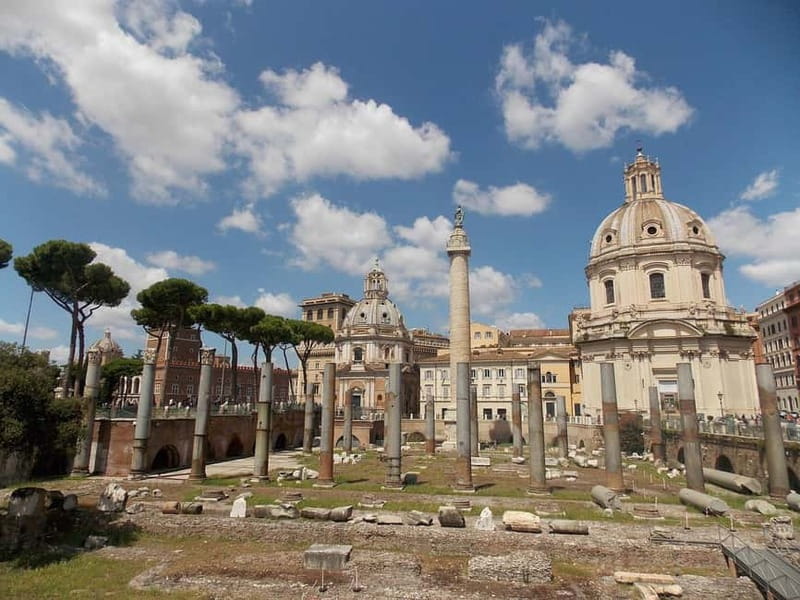
- Roman Forum: where politics and commerce played out
- Live English guide vs optional audio: choose based on how you handle tech
- Included tickets: why this pricing can be a smart deal
- Small group pacing and what it means for your day
- What to bring (and what to leave at home)
- Who this tour suits best
- Should you book the Colosseum, Roman Forum & Palatine Experience?
- FAQ
- How long is the Colosseum, Roman Forum & Palatine experience?
- Is entry to the Colosseum, Roman Forum, and Palatine Hill included?
- Do I need a live guide or can I use audio?
- What language is the tour available in?
- What is the meeting point and where does the tour end?
- Is this tour suitable for wheelchair users or people with mobility impairments?
- What ID should I bring?
- Are security checks required?
- What items are not allowed during the experience?
- Can I get a refund if I cancel?
Key things to know before you go
- Tickets are included for the Colosseum, Roman Forum, and Palatine Hill, which is a real value lever.
- 2.5–3 hours keeps you moving, so you’ll see the highlights without a full-day commitment.
- English live guide or audio guide lets you choose between human storytelling and self-paced support.
- Palatine Hill views are part of the point, not a side quest.
- Small group available, which usually means less waiting and a smoother pace than big tours.
- No mobility support: it’s listed as not suitable for mobility impairments or wheelchair users.
Why this Colosseum–Forum–Palatine combo is worth your limited time
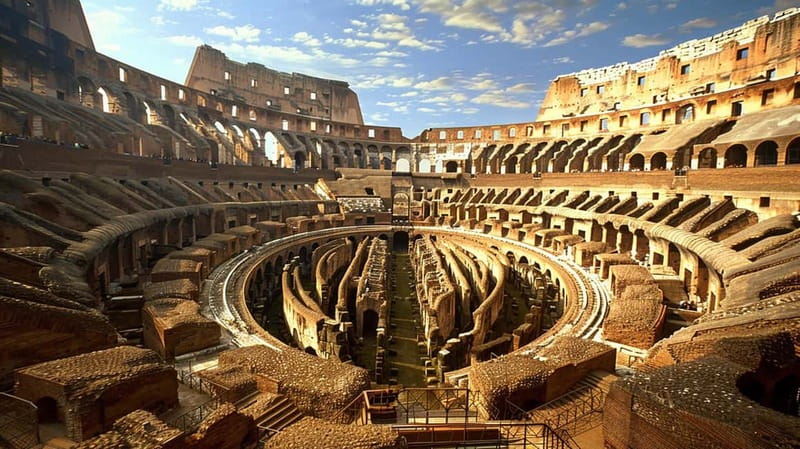
If you’re in Rome for a few days, you usually face the same problem: you want the big-ticket classics, but you don’t want to burn half your vacation just getting from one long line to another. This is built as a compact circuit through three sites that are tightly linked in the Roman story: the arena (Colosseum), the imperial beginnings and viewpoints (Palatine Hill), and the civic center where public life played out (Roman Forum).
I also like that it’s not trying to turn Rome into a museum worksheet. It’s set up to give you the core mental map. You see the Colosseum, then you look from above on Palatine Hill, then you walk through the Forum as the heart of ancient politics and commerce. With that sequence, the buildings start to make sense as a system instead of scattered ruins.
Price-wise, it’s listed at $39.74 per person, and the key detail is that entry tickets for all three sites are included. For most visitors, that turns the tour from a “guided walking event” into more of a packaged access plan. You still do the security check like everyone else, but you avoid the extra time and guessing that can come with buying separate admissions on your own.
You can also read our reviews of more tours and experiences in Rome.



Security check reality at the Colosseum
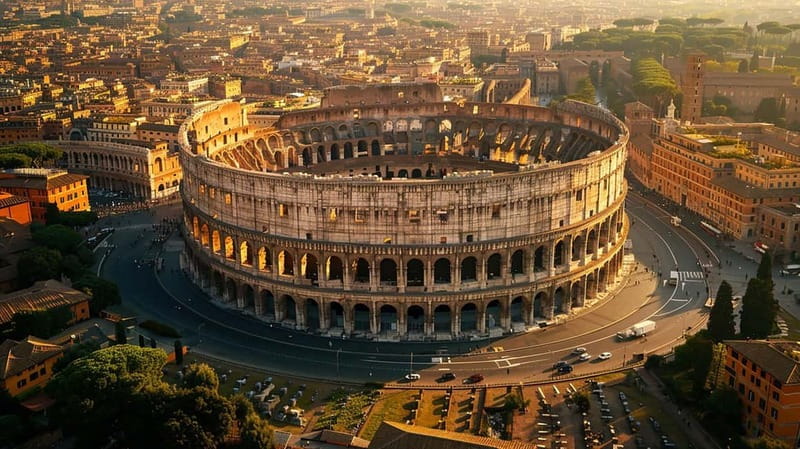
Let’s talk about the thing that can quietly ruin your schedule: the mandatory airport-style security checks before you enter the Colosseum. The tour doesn’t promise that you’ll bypass them, so you should build some slack into your arrival time and keep your bag simple.
Bring what they ask for, especially photo ID. You’re expected to bring an internationally accepted photo ID (passport works, and copies are accepted), and children need their own passport or ID card. Also note the restrictions on what you can bring: no luggage or large bags, no pets, no drones, no weapons or sharp objects, and no baby strollers. If you’re traveling light, you’ll feel a lot less stressed when you hit the checkpoints.
One more practical note: this experience is listed as not suitable for mobility impairments and wheelchair users. If that’s you, it’s better to look for an option designed for accessible routes rather than assuming “it might be okay.”
Getting your bearings: meeting point, timing, and how the 2.5–3 hour flow feels
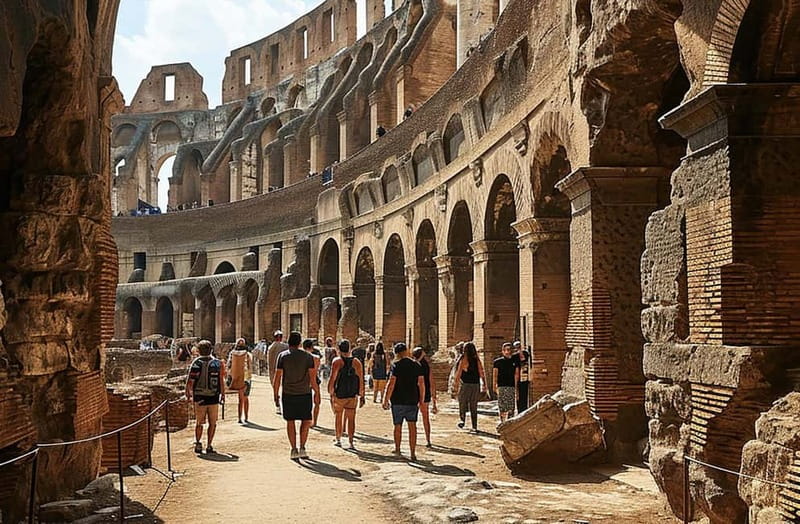
The meeting point can vary depending on the option you book, and the tour ends back at the meeting point. That’s a small detail, but it matters. You’re not left trying to navigate the Forum area alone at the end with everyone else also trying to exit.
The time window is 2.5 to 3 hours, and you’ll need to check availability to see the starting times. In practice, this kind of duration is ideal for people who want the big sights with explanation, without getting stuck in Rome’s slower pace for an entire afternoon. You’ll cover enough ground to feel like you did something meaningful, but you won’t have hours and hours of “standing around watching other groups go by.”
For pacing, this is especially helpful if you’re also planning other things in the city that day. The route is designed around three major stops, so your time is spent on the sites themselves rather than long transfers.
Entering the Colosseum: architecture first, story second (but both matter)
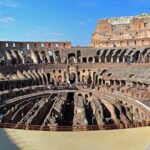
The Colosseum is the reason most people book, and rightly so. This experience sets you up to marvel at the ancient architecture and connect it to the era that made it famous—an age of emperors and gladiators. Even if you’ve seen photos, the real impact comes from scale and layout. When you’re standing there, you get why this wasn’t just entertainment; it was a public statement.
What I like about this format is that you’re not just looking at a giant wall. You’re there with guidance (live English) or an audio track that aims to turn what you see into something you understand. That matters because the Colosseum can feel confusing on your own. Guided context helps you notice the parts you’d otherwise ignore, like how the structure communicates function and spectacle.
One more thing: because security is mandatory and the time is limited, you’ll want to move efficiently inside. Wear comfortable shoes and plan on walking more than you expect. This is one of those places where a “quick look” becomes a longer walk because you’ll keep stopping to reorient yourself.
Palatine Hill: the views you came for, plus the big picture of Rome’s beginnings
After the Colosseum, you head to Palatine Hill, which is presented as the birthplace of Rome. That’s not just a fun label; it changes how you read the viewpoints. The hill isn’t only for photos. You’re there to look out and understand why high ground mattered in the Roman world.
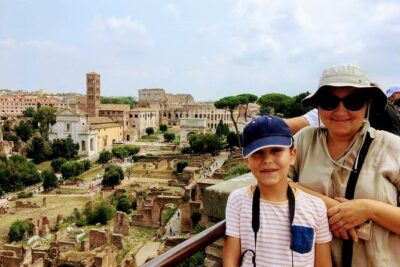
The highlights call out panoramic views, and that’s exactly what you get here: you’ll be able to look over the surrounding area and get a sense of how the Forum and the Colosseum connect visually. When you can see the terrain and relative locations, the story clicks faster. This is one of the best parts for first-timers because it gives your brain a map.
If you choose the audio option, Palatine Hill is also where audio can be most useful—there’s less crowd pressure than at the busiest ticket-entry moments, so you can pause and listen. If you choose the live guide, this is usually a “good moment” for questions. The viewpoint format makes it easier to ask what you’re looking at and get a direct answer.



Roman Forum: where politics and commerce played out
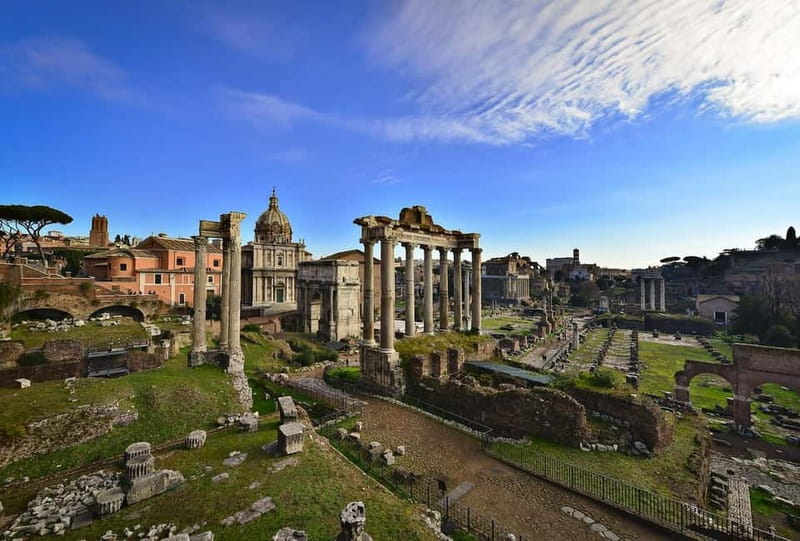
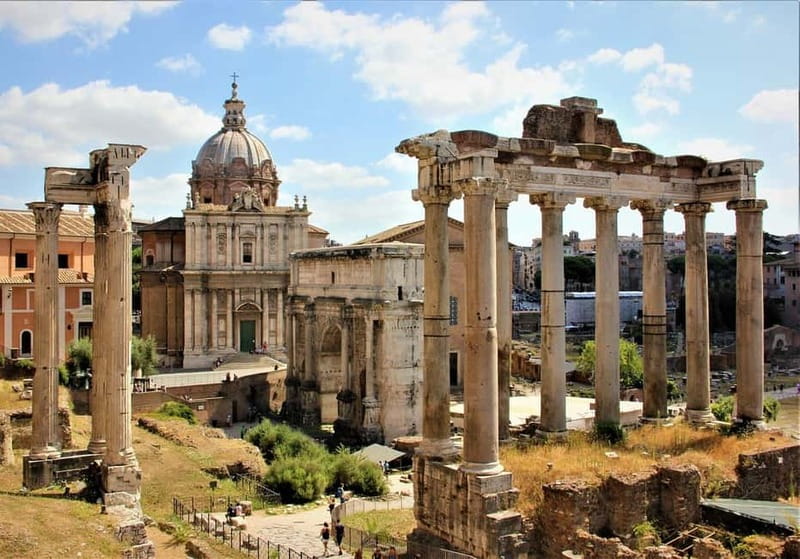
The Roman Forum is described as the heart of ancient politics and commerce, and that framing helps a lot. Walking through the Forum without context is like reading headlines without the newspaper. With guidance, you start to understand that these were public spaces where civic life and trade intersected, not just ruins in the open air.
This part of the experience is where you feel the “walking time.” The Forum is spread out, and the ground can be uneven. Comfortable shoes are non-negotiable. It’s also where you’ll notice how much Rome was built for crowds: the spaces feel designed for movement, speeches, gatherings, and constant activity.
Since the tour is compact (2.5–3 hours total), don’t expect to get every detail about every structure. What you should expect is a working understanding. You should leave knowing what the Forum represented and why it mattered right after you step away from the main landmarks.
Live English guide vs optional audio: choose based on how you handle tech
You have a choice between a live tour guide in English and an optional audio guide in English. If you want the smoothest day, I’d lean toward the live option when possible—especially because of what’s been reported about audio reliability.
In at least one experience, the audio route didn’t deliver what was promised: the app downloaded, but the audio wouldn’t work, and customer support couldn’t fix it. In another case, the audio didn’t work well and even ticket handling was problematic, which led to a delayed start and extra waiting time later.
You can’t eliminate risk with any phone-based system, but you can reduce it. If you’re taking the audio option, give yourself a buffer to troubleshoot before you’re standing at a sensitive time window. If you’d rather not gamble, choose the live English guide and let a person handle the timing and explanations on the spot.
Also keep expectations realistic with an audio option: it’s only as good as your phone battery, signal, and app behavior. You’re in a crowded tourist environment where tech hiccups are hard to solve quickly. In this situation, a live guide tends to be the safer bet.
Included tickets: why this pricing can be a smart deal
The headline price is $39.74 per person, and the tour includes the Colosseum entry ticket, Roman Forum entry ticket, and Palatine Hill entry ticket. That’s the part that makes this feel more efficient than paying for each site separately and then trying to stitch the day together yourself.
Value isn’t just about being cheap. It’s about avoiding wasted time. When tickets are included, your focus stays on walking and learning instead of stopping to manage admissions or confirmation details. With three major sites in one block of time, that kind of savings adds up—especially if you’re visiting during peak periods.
So if you’re thinking of buying tickets on your own, ask yourself a simple question: would you rather spend your time on the ground in Rome, or spend time on logistics? This option is designed to tilt toward being on the ground.
Small group pacing and what it means for your day
This experience offers a small group available format. Smaller groups generally make the flow feel calmer. You’re not stuck behind a wall of people when you want to get a better angle, and you’re less likely to lose the guide every few minutes.
That matters at these sites because lines and crowd density can change your pace instantly. With a smaller group and a structured route, you’re more likely to finish within the 2.5–3 hour window instead of feeling like you’re perpetually catching up.
It also helps that the experience ends back where it started. You’re not forced into an unplanned transit scramble while everyone else is also heading out.
What to bring (and what to leave at home)
This is one of those tours where your packing choices directly affect stress levels.
Bring:
- Comfortable shoes
- An internationally accepted photo ID (passport works; copies are accepted)
- For children: passport or ID card (and it’s noted copies are accepted)
Leave out (or don’t bring):
- Pets
- Weapons or sharp objects
- Baby strollers
- Luggage or large bags
- Drones
- Mobility scooters and electric wheelchairs
- Non-folding wheelchairs and non-folding strollers
- Alcohol and drugs
- Sprays or aerosols
- Glass objects
- Unaccompanied minors
If you’re traveling with a bag, keep it minimal. You’ll thank yourself at the security line.
Who this tour suits best
This experience makes the most sense if:
- You want the classic Roman trio—Colosseum, Palatine Hill, Roman Forum—in one efficient block
- You’re okay with a walking-focused format over a full-day schedule
- You like having explanations in English, either via live guide or audio
- You care about included access and not managing tickets on your own
It’s not a great fit if:
- You need wheelchair-friendly or mobility-friendly routes, since it’s listed as not suitable for mobility impairments and wheelchair users
- You strongly prefer audio-only plans and don’t want any chance of app problems (based on reported audio failures)
Should you book the Colosseum, Roman Forum & Palatine Experience?
I’d book this if you want an efficient, well-structured way to see the three anchor sites of ancient Rome and you like the idea of included entry tickets. The time window is realistic, the highlights are clear (architecture, views, and the civic center), and the small-group option can help keep the day from feeling chaotic.
I’d be cautious if you’re planning to rely on the audio guide as your main source. Given past issues where audio wouldn’t play and ticket access got stuck, I’d treat the live English guide option as the safer, lower-stress choice when you can.
If you can handle a mandatory security check and you’re ready to wear comfortable shoes, this is a solid value for getting the Colosseum–Forum–Palatine story in one go.
FAQ
How long is the Colosseum, Roman Forum & Palatine experience?
It runs about 2.5 to 3 hours, depending on the starting time you book.
Is entry to the Colosseum, Roman Forum, and Palatine Hill included?
Yes. Your ticket entry for the Colosseum, Roman Forum, and Palatine Hill is included.
Do I need a live guide or can I use audio?
You can choose an option with a live English guide or an optional English audio guide.
What language is the tour available in?
English is available for both the live guide and the audio option.
What is the meeting point and where does the tour end?
The meeting point can vary depending on the option you book, and the activity ends back at the meeting point.
Is this tour suitable for wheelchair users or people with mobility impairments?
No. It’s listed as not suitable for people with mobility impairments and not suitable for wheelchair users.
What ID should I bring?
Bring an internationally accepted photo ID. A passport is accepted, and copies are accepted as well. Children also need a passport or ID card.
Are security checks required?
Yes. All visitors must go through mandatory airport-style security checks before entering the Colosseum.
What items are not allowed during the experience?
Pets, weapons or sharp objects, baby strollers, luggage or large bags, drones, mobility scooters, electric wheelchairs, alcohol and drugs, sprays or aerosols, glass objects, and unaccompanied minors are not allowed.
Can I get a refund if I cancel?
Yes. Free cancellation is available up to 3 days in advance for a full refund.