REVIEW · ROME
Assisi, Orvieto and Civita di Bagnoregio Full Day Tour from Rome
Book on Viator →Operated by Amigo Tours Spain · Bookable on Viator
Three hill towns. One full, story-filled day. I like how this tour strings together Assisi and two of central Italy’s most dramatic medieval sights with a coach ride that’s more than just transportation. You get Civita di Bagnoregio access handled for you, plus an expert guide who fills the drive with context you can actually use on the ground. The main thing to think about first: this is a long day with real uphill walking and a steep bridge approach, so plan for legs, not just photos.
What makes it work well is the structure. You leave Rome early from Piazzale della Stazione Tiburtina at 7:00 am, ride in a comfortable coach, and keep moving through three places with free time to explore at your own pace. Guides on past departures—people like Sylvia, Roberto, Lisa, and Tiziano—were praised for their friendly, on-the-road storytelling and for being available with questions during the drive.
In This Review
- Key Points That Matter Before You Go
- Price and Value: What You’re Really Paying For
- Meeting Point and How the Day Flows from Rome
- The Coach Ride Isn’t Dead Time: Using the Tour Leader on the Road
- Stop 1: Assisi and St. Francis—Free Time With Context
- Stop 2: Civita di Bagnoregio, The Dying City—Views, Steps, and the Bridge
- Stop 3: Orvieto on a Cliff—Where Views and Stairs Meet
- Timing and Walking: What to Expect in Real Life
- Getting the Best Experience: Tips That Improve the Day
- Who This Tour Is For (and Who Should Skip It)
- Quick Verdict: Should You Book This?
- FAQ
- Where is the meeting point and what time does the tour start?
- How long is the tour?
- What’s included, and what’s not included?
- Is lunch provided?
- How physically demanding is the day?
- Can I cancel, and how far in advance?
Key Points That Matter Before You Go
- Small group cap (max 30): You’ll spend the day in a manageable group size rather than a moving crowd.
- Civita di Bagnoregio access is included: You won’t have to sort out entry/connection for the ticketed walkway area.
- Guided drive with real buy-in: Use the bus time to learn what you’re seeing next, and ask questions on the way.
- Free time in each town: You can pace yourself—church stops for some people, piazza time for others.
- Be ready for climbs: Expect significant uphill walking and challenging bridge terrain, with roughly 8 miles of walking mentioned on the day.
Price and Value: What You’re Really Paying For
At $114.62 per person, this is not a cheap, quick countryside hop. It’s a full-day program built around something many people struggle with in central Italy: time and logistics. You’re paying for a round-trip coach ride from Rome, a tour leader, and the organization that lets you hit three standout hill towns without renting a car or negotiating roads.
The strongest value piece is the combo of:
- Transportation that does the heavy lifting
- Civita di Bagnoregio access fee included
- Guided historical context during transit
Lunch isn’t included, and most attraction entrances aren’t included either (unless otherwise specified), so your total trip cost may rise slightly depending on what you choose to do inside churches or pay for specific sights. Still, the core day is priced like a “get me there and keep it moving” plan—especially useful when you want to see Umbria-style towns but don’t want to spend your vacation figuring out bus schedules.
If you’re the type who likes to watch a city make sense as you walk through it, this tour’s structure helps. If you want a slow day with minimal walking, you might find the pace tiring.
You can also read our reviews of more tours and experiences in Rome



Meeting Point and How the Day Flows from Rome
You start at Piazzale della Stazione Tiburtina (00162 Roma RM), and you’ll meet back there at the end of the day. Start time is 7:00 am, and the full duration is about 13 hours 45 minutes. So yes—this is an early departure and a late return.
That timing matters. These towns look their best when you reach them before the rush, and the early coach departure helps you do that. It also means you’ll spend a big chunk of the day “out of the city,” which is exactly what most people want from a Rome-to-countryside day trip.
You’ll also want to plan your energy. The tour involves significant uphill walking and challenging climbs. If you’re not sure how you’ll handle steep streets, do a quick reality check: wear supportive shoes, bring water, and expect slower pace on the hills.
The Coach Ride Isn’t Dead Time: Using the Tour Leader on the Road
This tour is set up so the drive isn’t just silence. You board a luxury coach in the morning with an expert tour leader, and you can ask questions during the ride between cities. That’s smart, because you’ll see places with specific religious and civic backstories, and the guide helps you connect the dots before you step onto stone streets.
From prior departures, guides such as Sylvia and Roberto were singled out for being friendly and sharing lots of engaging stories. Lisa was also praised for being fluent in both English and Spanish, which can be handy if you’re traveling with someone who prefers the other language.
In practical terms, here’s how to use this part of the day well:
- Keep an eye on the guide’s context so you can recognize what you’re seeing later.
- Ask quick questions while you’re on the road—parking and walking make it harder to stop once you’re in town.
- Pay attention to what’s next, especially if you’re unsure about climbs at Civita di Bagnoregio.
Stop 1: Assisi and St. Francis—Free Time With Context
Assisi is a hilltop town with an atmosphere that feels calmer than Rome, even when it’s busy. This stop is designed around your own pace: you’ll arrive, then you get free time to explore the medieval streets and choose what to focus on.
The big anchor here is St. Francis, whose birthplace is strongly tied to the town’s identity. Because the guide provides historical framing during the drive, you’re not wandering in the dark—you understand why certain buildings, churches, and viewpoints matter.
What I like about this approach is that it fits different travel styles:
- If you want to see the religious sites, you can structure your time around them.
- If you’d rather slow down, you can enjoy the streets and piazzas without feeling you missed a “required” checklist.
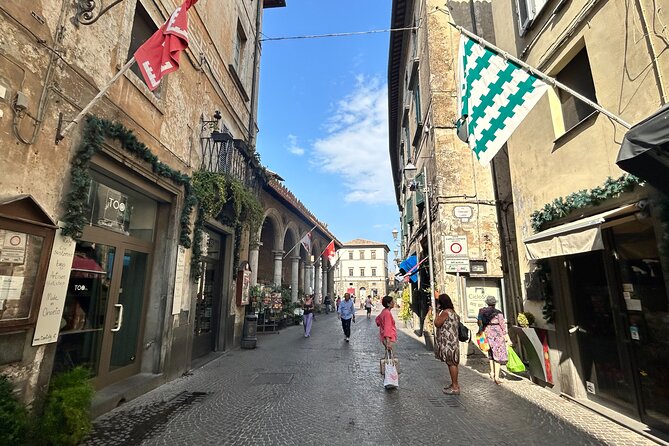
A practical consideration from experience with this kind of schedule: there can be more walking than you expect even within one town. One detailed comment from a previous participant suggested there are three shrines and that the farthest one is about a mile from the drop spot. So even though the itinerary gives “free time,” you should still plan for walking if you want the fuller circuit.
Stop 2: Civita di Bagnoregio, The Dying City—Views, Steps, and the Bridge
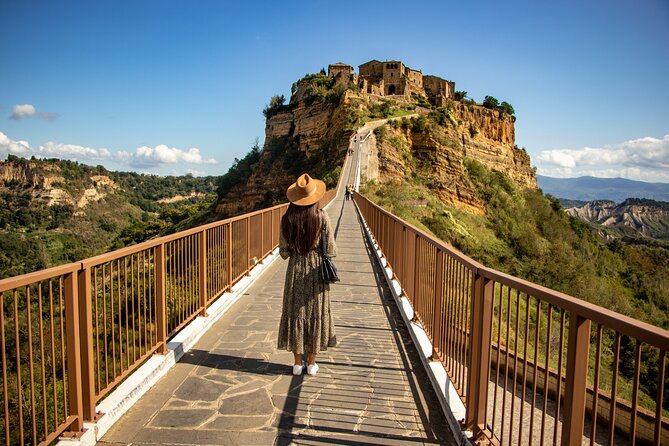
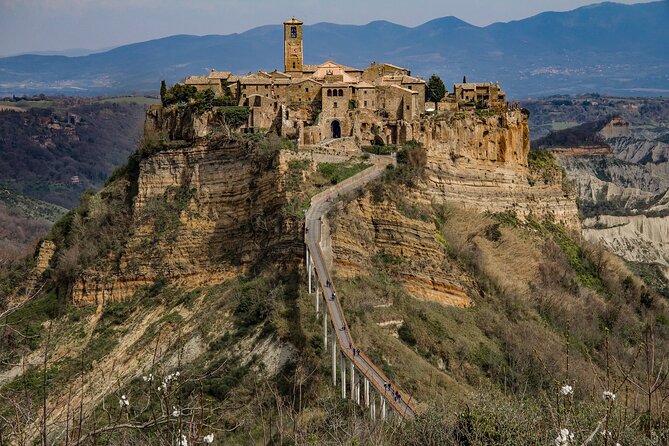
Civita di Bagnoregio is where the day turns dramatic. This town sits on a volcanic tuff hill, and it’s often nicknamed The Dying City because of the fragile, eroding terrain that surrounds it. You reach it via a pedestrian bridge, which is exactly where you’ll feel the physical side of this tour.
The time here is 1 hour 30 minutes of free time. That sounds short until you experience the layout: the bridge, the entry area, and the steep paths inside the town take their own time. And yes, it’s very walkable if you’re comfortable with slopes.
One useful tip from past participants: getting to Civita’s viewpoints includes a bridge that’s about a mile long and has a steep incline. Another person described it like a no-guts, no-glory hike, but also said the views from the bridge look like a painted backdrop, with sweeping valley scenes.
Here’s how to set yourself up for a good visit:
- Start with the bridge in mind. If your legs aren’t great on climbs, pace yourself early.
- Expect photo stops that aren’t “quick.” The views are the point, so let that be part of your schedule.
- Wear shoes with solid grip. The bridge and cobblestones can feel unforgiving when you’re tired.
The good news: the fee for access to Civita di Bagnoregio is included, so once you’re there, you can focus on walking and exploring instead of figuring out ticket steps.






Stop 3: Orvieto on a Cliff—Where Views and Stairs Meet
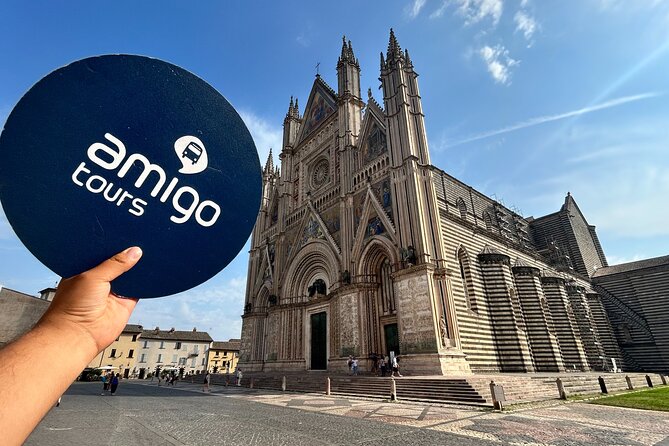
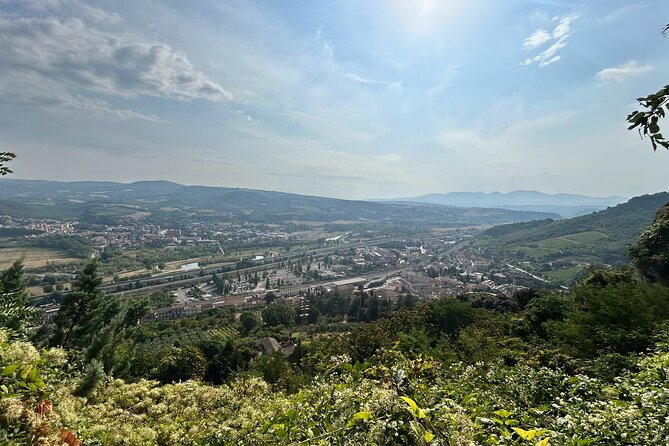
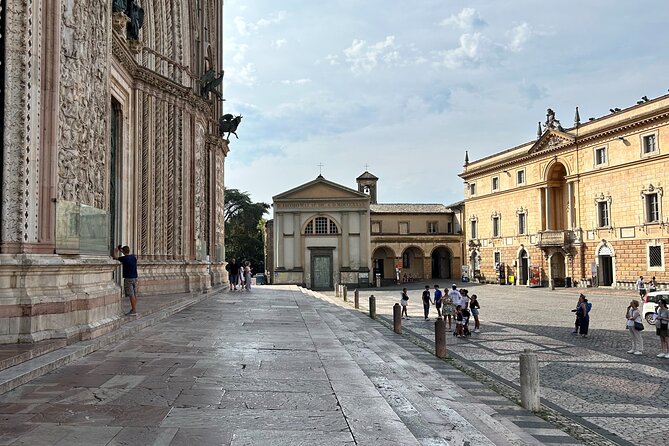
Orvieto is another volcanic tuff city, perched dramatically above the surrounding valleys. Your final major stop comes with 1 hour 30 minutes of free time, and as the coach approaches, your tour leader will set you up with an introduction to what you’re about to see.
Orvieto can feel slightly more relaxed than Civita because you’re walking inside a larger, established town. But don’t call it “easy.” You’ll still be moving around, and you’ll likely encounter stairs and slopes depending on how you route yourself.
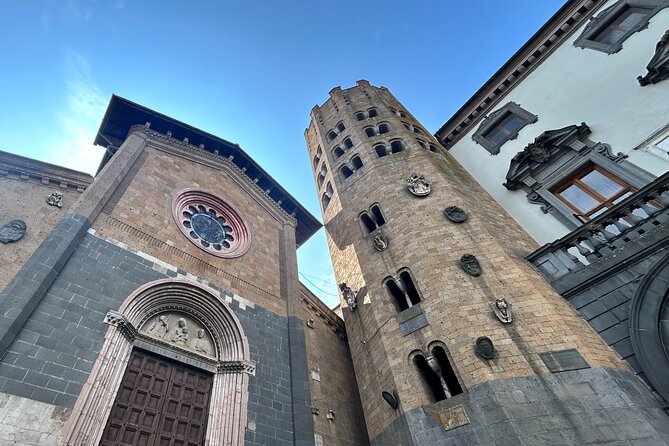
One past participant noted that while Orvieto is at least level compared with the other stops, the main shrine there is fantastic and worth the effort. They also mentioned being able to take pictures as long as flash is not used, which is common in many churches.
How to enjoy this last stop:
- Pick one “must-do” sight, then treat the rest as optional wandering.
- Save some energy for the end. You’ll be tired by this point, and that’s when bad shoe choices and rushed walking happen.
If you’re the type who likes a quieter finish, Orvieto’s piazzas can work well—sit, recharge, then stroll again if your energy returns.
Timing and Walking: What to Expect in Real Life
This is the biggest factor in deciding if this tour fits you. The itinerary is built for movement: Assisi first, Civita in the afternoon, Orvieto later, then the return to Rome.
Important notes you should take seriously:
- The tour involves significant uphill walking and challenging climbs.
- One comment estimated that if you do it all, you may walk about 8 miles between the three sites.
- Another person highlighted that Civita’s bridge is steep enough to feel like a real trek.
So ask yourself honestly: can you handle an all-day combination of stairs, slopes, and uneven stone? If yes, you’ll likely feel rewarded. If no, you might spend too much time managing fatigue instead of enjoying the towns.
Practical packing advice that follows the tour’s reality:
- Wear supportive shoes (this is not a day for thin-soled sneakers).
- Bring water and a small snack plan for when lunch isn’t included.
- If you’re unsure, set a flexible goal: see what you can, then use piazzas for breaks.
Getting the Best Experience: Tips That Improve the Day
You’ll get more enjoyment if you treat this like a “theme day” rather than a checklist. Here’s what I’d do to make it smoother:
- Use the drive for questions. Don’t save everything for the moment you get out of the bus. That’s when you’ll lose your ability to ask calmly.
- Pace Civita like the main event. That bridge is the signature piece. Decide early if you want views from key spots, then move with purpose.
- Accept free-time wandering. Free time is a gift. Let it be a choice. If one church line is too slow, switch your plan.
- Manage the last stop. Orvieto is often your wind-down point. You’ll enjoy it more if you don’t try to sprint through everything.
And a small but important family note: there’s a requirement that children under 11 must seat on a baby car seat, and the provider can’t provide one, so you’d need to bring your own if this applies to you.
Who This Tour Is For (and Who Should Skip It)
This works best for:
- People who want to see three hill towns in one long day from Rome.
- You if you like having context explained first, so your walk makes sense.
- You if you’re comfortable with steep streets and don’t mind a workout disguised as sightseeing.
This may not be ideal for:
- Anyone with limited mobility or difficulty on steep climbs.
- You if you want long, relaxed time in each town and hate rushing.
- Families who aren’t prepared for walking and strict child seat needs.
The tour runs with a maximum of 30 people, which helps the day feel organized rather than chaotic. But small groups don’t remove the physical demands—your legs still do the work at Civita and around hilltop streets.
Quick Verdict: Should You Book This?
I’d book this tour if your goal is to get out of Rome and experience Assisi, Civita di Bagnoregio, and Orvieto without car stress. The included Civita access, the coach logistics, and the guide’s on-the-road storytelling make the day feel efficient, not random.
I’d hesitate if your walking stamina is limited or if steep climbs are a problem. The schedule gives free time, but the terrain is real, and you’ll feel it most at the bridge to Civita.
If you’re fit, curious, and okay with a full day—this is a strong value way to see central Italy’s dramatic towns from Rome.
FAQ
Where is the meeting point and what time does the tour start?
You meet at Piazzale della Stazione Tiburtina, 00162 Roma RM, Italy, and the start time is 7:00 am.
How long is the tour?
The duration is about 13 hours 45 minutes.
What’s included, and what’s not included?
Included: a tour leader, round-trip bus transportation, free time in Assisi, Orvieto, and Civita di Bagnoregio, and the fee for access to Civita di Bagnoregio. Not included: lunch, entrance fees to attractions (unless otherwise specified), personal expenses, and guided tours.
Is lunch provided?
No, lunch is not included.
How physically demanding is the day?
The tour involves significant uphill walking and challenging climbs, so you should have a strong fitness level and mobility.
Can I cancel, and how far in advance?
Free cancellation is available up to 24 hours in advance of the experience for a full refund. If you cancel less than 24 hours before the start time, the amount paid is not refunded.