REVIEW · VATICAN MUSEUMS
Vatican Museums, Sistine Chapel & St Peter’s Basilica Tour
Book on GetYourGuide →Operated by City Wonders Ltd. · Bookable on GetYourGuide
Michelangelo works better with context.
This skip-the-line Vatican tour turns a crowded museum crawl into a guided story, with headsets so you can actually hear your art historian. You’ll move from major galleries to the Sistine Chapel, and if you choose that option, end in St. Peter’s Basilica. I especially liked seeing how guides like Cecelia and Iman can make famous works feel personal, not just postcard-worthy.
I like two things most. First, the guide’s explanations make what you’re looking at feel readable. Christian and Laura, for example, were praised for clear, patient answers and for pointing out details most people miss. Second, the pacing is designed so you don’t only stand there craning your neck—you get structure, photo moments, and actual time to sit in the Sistine Chapel.
The main drawback to plan for is crowding and security. Even with the priority entrance, you still go through airport-style screening, and St. Peter’s Basilica can be restricted on Wednesdays (or if closures happen). So this is a “do it once, smart” tour—not a calm, slow art stroll.
In This Review
- Key highlights you’ll feel right away
- Why the Vatican Museums tour works: the entrance strategy
- Courtyard of the Pigna: a quick reset before the art blitz
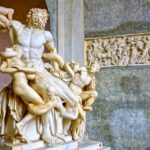
- Vatican Museums: walking the “greatest hits” without losing the thread
- Sphere Within Sphere: when art turns into a trick you can see
- Tapestry Gallery: texture, scale, and story
- Gallery of Maps: the geography lesson you didn’t know you needed
- Sistine Chapel: how to see Creation of Adam (and not just stare)
- A quick reality check: it’s quiet, but it’s not empty
- St. Peter’s Basilica (if you select it): art, scale, and a practical exit plan
- If the Basilica closes last minute
- Pace, group size, and headsets: what comfort really means here
- Dress rules you can’t ignore
- Price and value: is $68 worth it?
- Who should book this Vatican Museums, Sistine Chapel & St. Peter’s Basilica tour
- Should you book this one?
- FAQ
- What’s included in the Vatican Museums, Sistine Chapel & St. Peter’s Basilica tour?
- Does this tour really skip the lines?
- How long is the tour?
- Is St. Peter’s Basilica always included?
- Are headsets provided?
- What’s the dress code?
- Will I be guaranteed entry to St. Peter’s Basilica?
- Is this tour wheelchair accessible?
Key highlights you’ll feel right away
- Official Partner Entrance for faster entry when lines are at their worst
- Expert English-speaking guide who explains symbols, stories, and artist intent
- Headsets provided for clearer audio in noisy, packed corridors
- Sistine Chapel timing that includes a sit-down moment to actually take it in
- Optional St. Peter’s Basilica access with standout stops like Michelangelo’s Pietà and Bernini’s bronze altar
- Small-group option (around 10 or a standard 20) that can make navigation less stressful
Why the Vatican Museums tour works: the entrance strategy
The biggest practical win here is the skip-the-line access through the official Vatican Partner Entrance. That matters because the Vatican can feel like a giant human bottleneck. You’re not just paying for narration—you’re paying for time and reduced wandering.
But I’d keep expectations real: even with priority, all visitors must pass airport-style security, and in high season it can still take up to 30 minutes. The tour’s goal is to get you moving sooner than the standard line, then keep you moving with a guide who knows how to steer your group.
You also get headsets, which sounds like a small perk until you’re inside a crowded hall where everyone is talking at once. The reviews back this up: most people found the audio equipment helpful, though one guest noted the headset audio was sometimes hard to hear. If audio is critical for you, arrive early and make sure your headset sits comfortably.
You can also read our reviews of more museum experiences in Vatican Museums

Courtyard of the Pigna: a quick reset before the art blitz
The tour starts with a short guided orientation near the Courtyard of the Pigna, then you head into the museums route. That 15-minute opener may not sound like much, but it sets you up to understand how the Vatican Museums are organized and what you should focus on.
This is where a good guide earns their keep. The best ones don’t just recite facts. They give you a mental map. That way, when you hit major galleries later, you’re not simply overwhelmed—you’re sorting.
Vatican Museums: walking the “greatest hits” without losing the thread
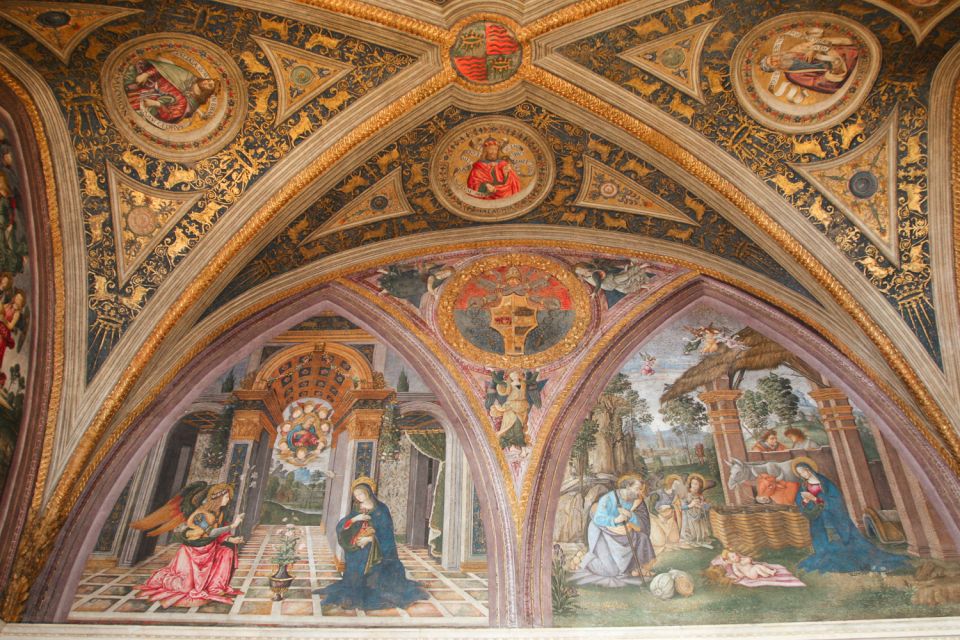
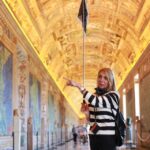
In the main museum section, you’ll get guided time plus a photo stop. This is where the Vatican can go two ways: either you rush through rooms like you’re speed-running the internet, or you get lost in the sheer volume.
A strong guide helps you avoid both. People consistently praised the tour leaders for clear explanations and for keeping pace under control. One reviewer called out Mirko as superb; another highlighted Nicola as funny, kind, and organized. The common theme: you’re shown how to look—not only what to look at.
Sphere Within Sphere: when art turns into a trick you can see
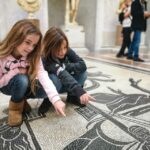
You’ll stop at the Sphere Within Sphere (a short guided moment). It’s quick, but it’s a classic Vatican “wait—what am I looking at?” object. Moments like this are useful because they break the monotony of moving room to room. They also train your eyes to notice structure and perspective, which pays off later.
Tapestry Gallery: texture, scale, and story
Next you’ll visit the Gallery of Tapestries. This is one of those spaces where it’s easy to think, I’ll come back later. Don’t. Tapestries look static until your guide explains how they were designed to carry narrative detail and how their themes connect to broader Vatican collecting.
The tapestries also give your body a break. Compared to some crowded sculpture areas, this can feel more like seated-than-standing viewing—still busy, but a little calmer.
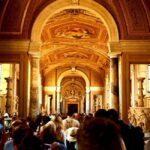
Gallery of Maps: the geography lesson you didn’t know you needed
Then comes the Gallery of Maps—another short guided stop. This gallery works because it’s not only art. It’s information. It’s a visual summary of the world as it was understood in that period, tied to power, knowledge, and curiosity.
A guide’s commentary is especially valuable here. Without it, you might just see decorative maps. With it, you start noticing accuracy, symbolism, and how viewers would have read these rooms like a living reference.
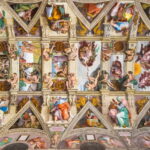
Sistine Chapel: how to see Creation of Adam (and not just stare)
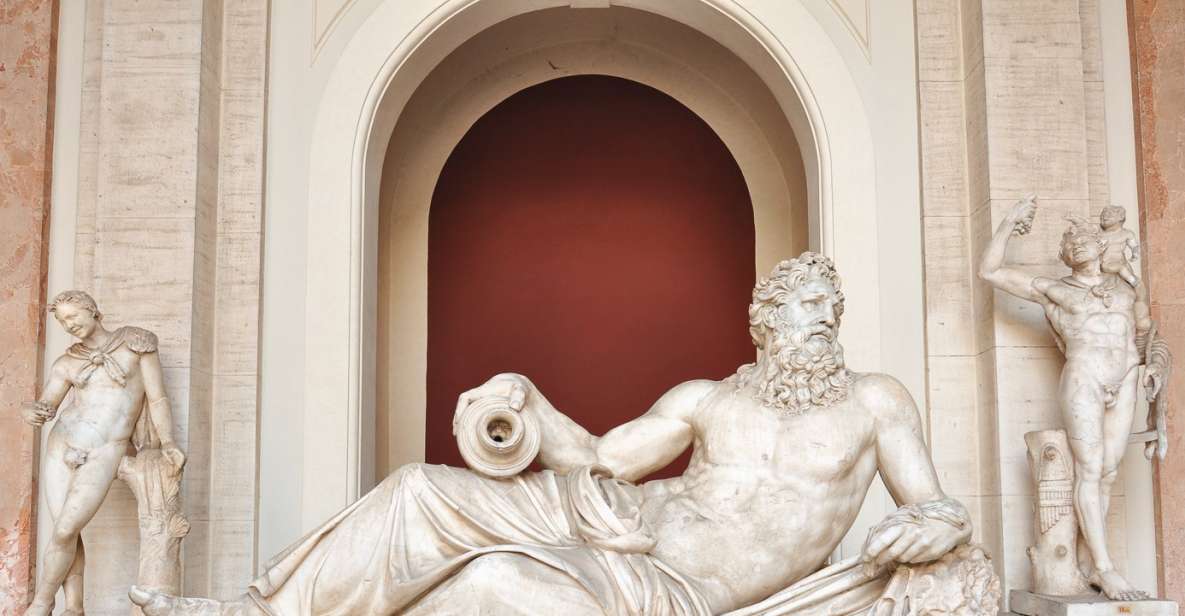
The Sistine Chapel is the moment most people came for, and it deserves the attention. You’ll enter for about 20 minutes of visiting. That time block is perfect for two actions: first, listen to the guide’s lead-in so the ceiling isn’t just impressive—it’s understandable. Second, use the allotted quiet time to look slowly.
People mentioned this repeatedly: the intro helps you know what you’re looking at before you’re swallowed by the scale. Guides like Ilaria and Laura were praised for explaining Michelangelo’s work in a way that felt clear, not intimidating.
You’ll see the famous scenes—including The Creation of Adam and the Last Judgment. The trick is to let your guide show you connections: figures, gestures, and how compositions guide your eye. When that clicks, the chapel stops being only a wow moment and becomes a narrative you can follow with your eyes.
A quick reality check: it’s quiet, but it’s not empty
Inside, you’ll be in a packed space. That’s why headsets and a good plan matter. If you’re sensitive to noise, remember that the chapel is one of the few places where people are expected to keep it quiet—so don’t fight the rules by talking. Instead, focus on the guide’s pointing cues, then look up.
St. Peter’s Basilica (if you select it): art, scale, and a practical exit plan
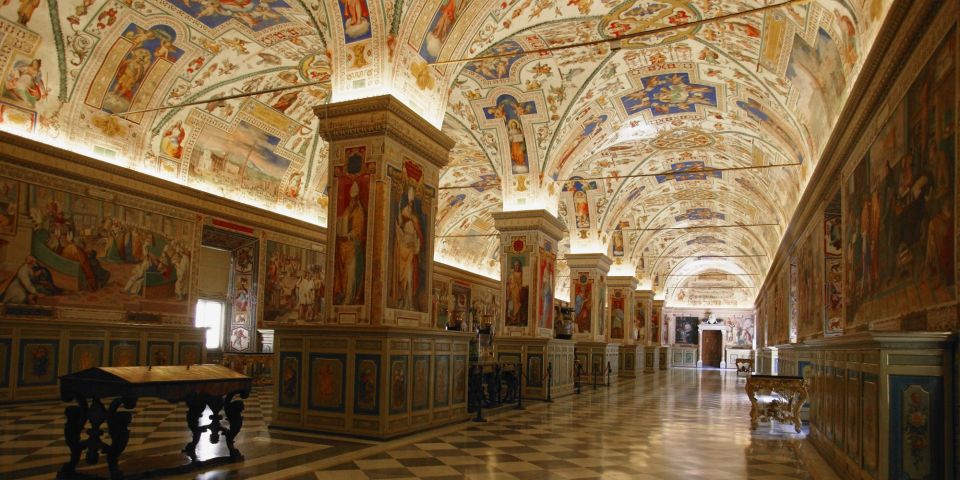
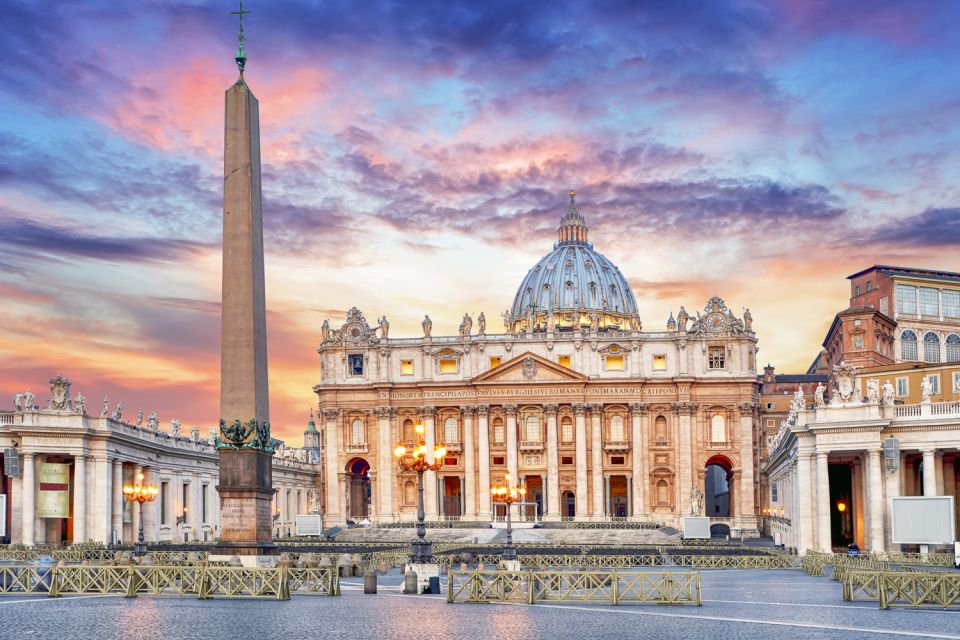
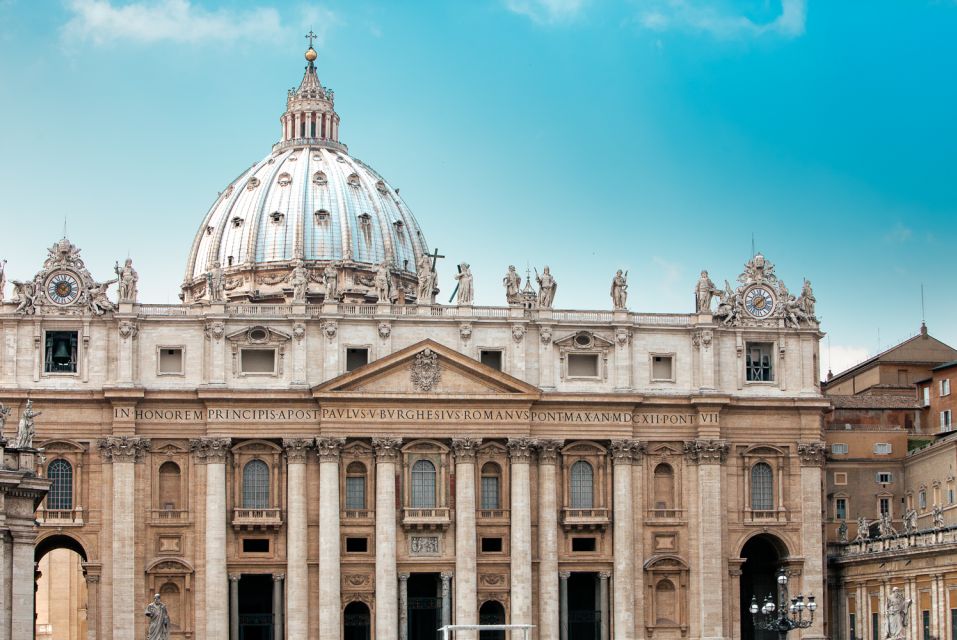
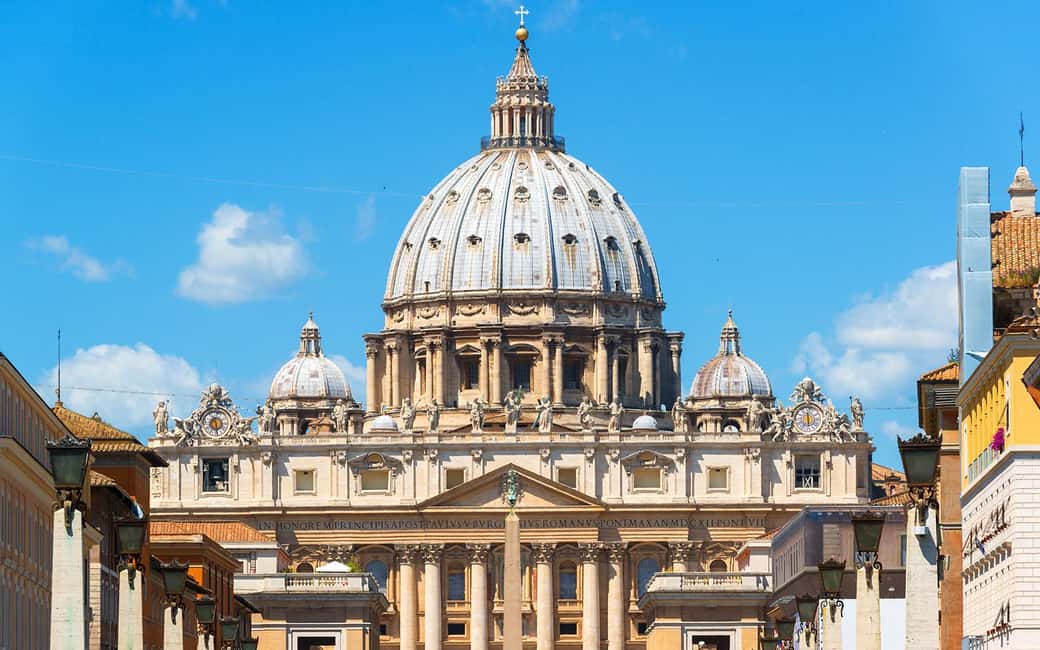
St. Peter’s Basilica is included only with the options that add it, and access is not available on Wednesday mornings. Also, access won’t be guaranteed unless you provided the names of all participants in advance. That last bit is the kind of detail that affects your day, so double-check your booking before you go.
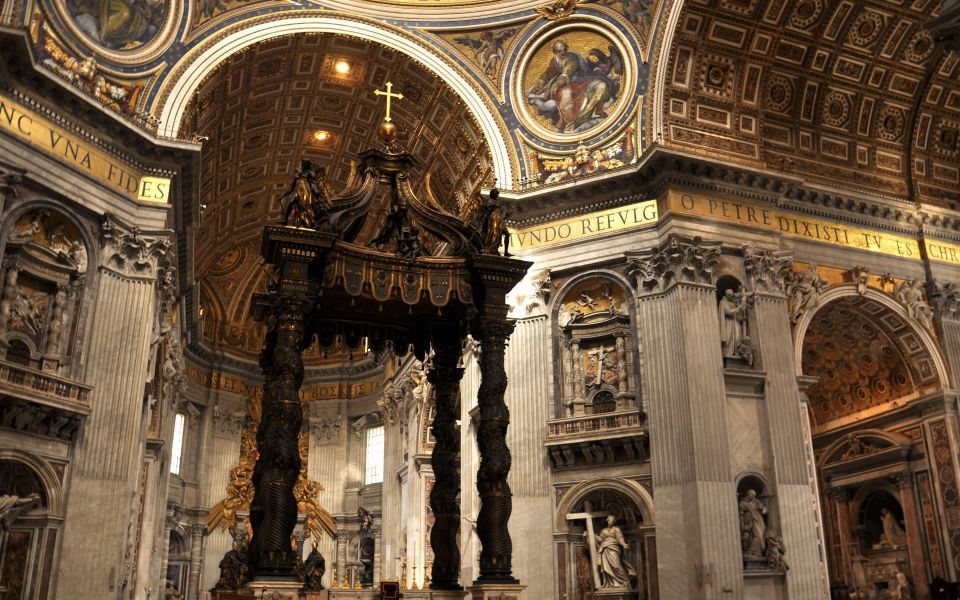
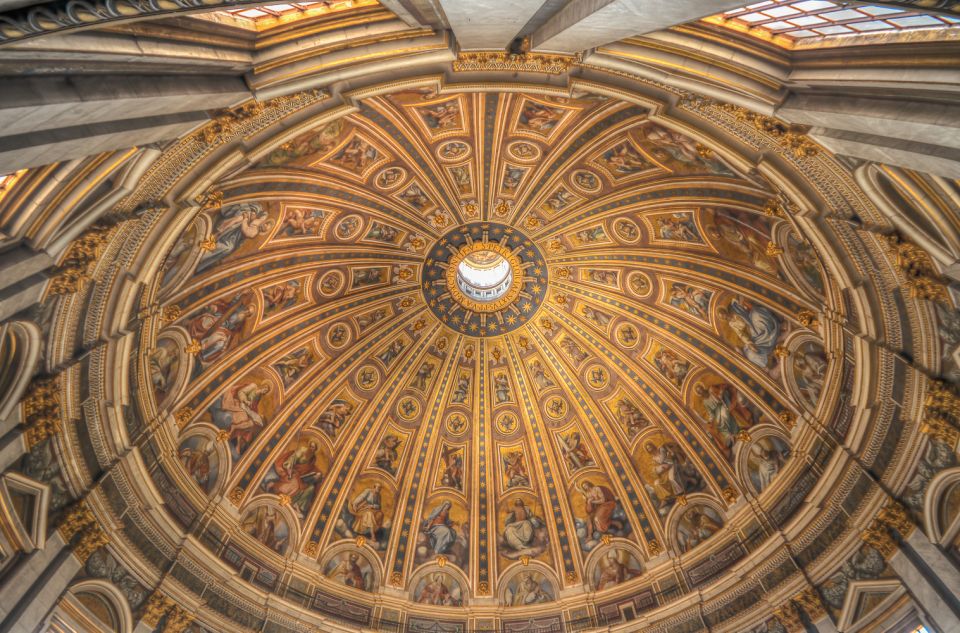
If you do have basilica access, the tour includes guided time plus free time of about 30 minutes. That’s enough to see the big works your eyes keep landing on, including Michelangelo’s Pietà and Bernini’s monumental bronze altar. It also gives you space to look around rather than just follow footsteps.
One thing I found especially useful in the reviews is how guides help you get there efficiently. Some guests highlighted a “secret” passage to St. Peter’s—basically a less obvious route that makes the transition feel smoother. Even if you’ve been to Rome before, St. Peter’s is so large that orientation matters. A guide gets you positioned so your free time isn’t wasted searching.
If the Basilica closes last minute
Sometimes basilica access can change due to religious ceremonies. If closures happen, the tour can shift into an extended Vatican Museums visit. In that situation, refunds or discounts aren’t available, so the best move is mental flexibility: go in expecting art, and accept that the route may bend on the day.
Pace, group size, and headsets: what comfort really means here
This tour lasts about 2–3 hours, which is short enough to feel efficient but long enough to make you earn your gelato afterward. You can choose group size: an intimate option for about 10 people, or a standard 20-person tour.
Smaller groups tend to help you move. Reviews specifically praised the early morning start and smaller group experience as giving you breathing room and better crowd navigation. Bigger groups can still be good—just expect more people in your immediate orbit.
The headset factor is also real. Most guests liked the ability to hear the guide clearly, even amid crowds. But one person suggested upgrading the headphones because audio was sometimes difficult to hear. If you’re hard of hearing in noisy rooms, bring your own earbuds (if allowed) or choose an earlier time slot when the space is less chaotic.
Dress rules you can’t ignore
The Vatican has a clear dress code: no shorts, short skirts, sleeveless shirts, and no baby strollers. Wear comfortable shoes anyway, because you’ll be on your feet across multiple galleries.
Also, this tour is not suitable for wheelchair users. If mobility is an issue for you, look for a different Vatican offering designed for accessibility.
Price and value: is $68 worth it?
$68 per person sounds steep until you price the real parts you’re buying:
- Time saved with the priority entrance instead of losing your morning to lines
- A guided narrative that makes the art easier to understand in the moment
- Headsets, which cut through the crowd-noise problem
- Access to the Sistine Chapel, plus St. Peter’s Basilica only when you pick the option that includes it
If you go unguided, you can still see the same sights. But you’ll spend extra hours decoding what you’re seeing—or you’ll just photograph and move on. For many people, that’s the difference between a day that feels like a list and a day that feels like a story.
One reason guides get such high marks is that they do more than explain. They answer questions, keep pace fair, and manage crowd flow. Reviews mentioned humor, patience, and a not-rushed feel from guides like Cecelia, Maria Cristina, Cosmo, and others. That’s the kind of value you feel immediately, not after you’re home.
Who should book this Vatican Museums, Sistine Chapel & St. Peter’s Basilica tour
Book it if you:
- Want a high-impact route with less guesswork
- Like having an art historian explain symbols and context as you walk
- Prefer hearing stories and seeing details you’d likely skip alone
- Are okay with crowds as long as the tour helps you navigate them
Consider a different plan if you:
- Need long, self-paced time in each room (this tour is structured)
- Get stressed by security lines and dense crowds
- Are traveling on a day when basilica access is uncertain (like Wednesday mornings)
If your goal is to see the Sistine Chapel and not just stare, this guide-led approach is the smart move.
Should you book this one?
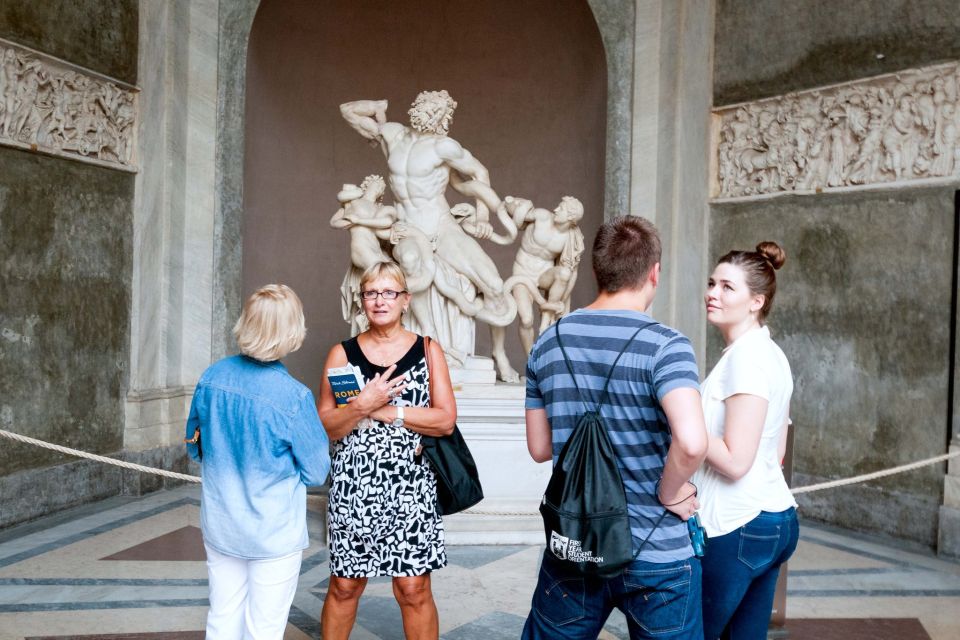
Yes—if you want your Vatican day to feel organized and meaningful. I’d book when you can choose an option that includes St. Peter’s Basilica, and when your schedule isn’t stuck on Wednesday morning. It’s also a great pick if you care about hearing how people interpret the art, not only memorizing names.
One last practical tip: pick your shoes like you’re walking a marathon and your patience like you’re visiting a top museum in the world. Even with the priority entrance, security and crowds are part of the deal. The tour’s strength is that it handles that reality so you can spend your energy on what matters: the art.
FAQ
What’s included in the Vatican Museums, Sistine Chapel & St. Peter’s Basilica tour?
You’ll get reserved priority access and a guided tour of the Vatican Museums, access to the Sistine Chapel, and (if you select the option) access to St. Peter’s Basilica. An expert English-speaking guide is included, plus headsets.
Does this tour really skip the lines?
Yes. It includes skip-the-line access through a separate entrance, specifically described as an official Vatican Partner Entrance. Note that you still go through airport-style security.
How long is the tour?
The duration is listed as 2 to 3 hours.
Is St. Peter’s Basilica always included?
No. St. Peter’s Basilica is not included if you choose the No Basilica option. Access is also not possible on Wednesday mornings.
Are headsets provided?
Yes. Headsets are provided so you can hear your guide clearly in busy areas.
What’s the dress code?
Shorts, baby strollers, short skirts, and sleeveless shirts are not allowed.
Will I be guaranteed entry to St. Peter’s Basilica?
Access to St. Peter’s Basilica will not be guaranteed unless the names of all participants are provided in advance for security and venue organizational purposes.
Is this tour wheelchair accessible?
No. It’s not suitable for wheelchair users.
If you tell me your travel month and whether you’re considering the Basilica option, I can help you pick the best start time and plan around the Wednesday issue.