REVIEW · VATICAN MUSEUMS
Vatican: Museums & Sistine Chapel Entrance Ticket
Book on GetYourGuide →Operated by Distributor: GetYourGuide Tours & Tickets GmbH · Bookable on GetYourGuide
Michelangelo’s ceiling feels closer with fewer queues. This timed Vatican Museums and Sistine Chapel ticket cuts the worst of the ticket-line chaos and lets you wander at your own pace. I like that you enter through the GetYourGuide dedicated entrance, and you can pick up an audio guide inside so you know what you’re looking at—especially in stops like the Greek Cross Gallery and the Sistine Chapel’s ceiling.
The main thing to plan for is scale. You’re walking a lot inside, much of it on a one-way route, and security is airport-style—sometimes running over 30 minutes in peak season. If you’re arriving late to your time slot or trying to rush, you’ll feel it fast.
In This Review
- Key things to know before you go
- Entering at Viale Vaticano: timed slot, security, and where to scan
- First stop inside: audio guide pickup and how to start smart
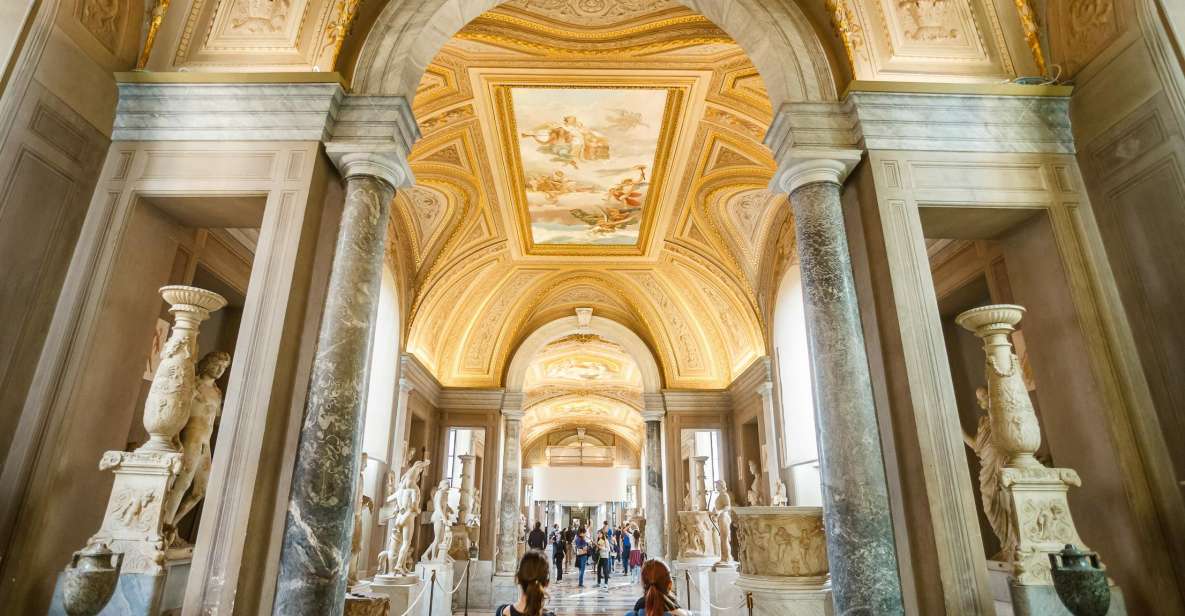
- Greek Cross Gallery, sarcophagi, and the shock of scale
- Cabinet of the Masks and Sala degli Animali: fun stops that break the museum rhythm
- Upper Galleries and the Gallery of Maps: history you can actually picture
- Raphael Rooms and Borgia Apartments: where the Vatican turns from objects into theatre
- Sistine Chapel: Creation of Adam, crowds, and the Feb 2026 restoration reality
- Timing inside: how long it takes and how to avoid rushing
- St. Peter’s Basilica: free, nearby, and not guaranteed by this ticket
- Practical costs: is $38 good value for the Vatican Museums route?
- Dress code, documents, and the small rules that can derail you
- Who this ticket suits best (and who should rethink it)
- Should you book this Vatican Museums & Sistine Chapel ticket?
- FAQ
- Is a guided tour included with this Vatican ticket?
- Do I get an audio guide?
- Where do I go, and what do I show at the entrance?
- Can I arrive outside my assigned time slot?
- Does this include St. Peter’s Basilica and the dome?
- What should I wear?
- Is the Sistine Chapel affected by restoration in 2026?
Key things to know before you go
- Get in faster through the dedicated entrance: show your voucher to security, then scan after you pass.
- Audio guide pickup happens inside: GetYourGuide has a dedicated desk once you’re in the Museums.
- Expect a long walk to the Sistine Chapel: it’s not a quick side stop.
- You’ll hit several signature rooms: Greek Cross Gallery, Cabinet of the Masks, Sala degli Animali, Raphael Rooms, and Borgia Apartments.
- Feb 2026 includes Sistine restoration: the chapel stays open, but you may see restoration activity/scaffolding.
- Dress rules are strict: no shorts, short skirts, or sleeveless shirts.
Entering at Viale Vaticano: timed slot, security, and where to scan
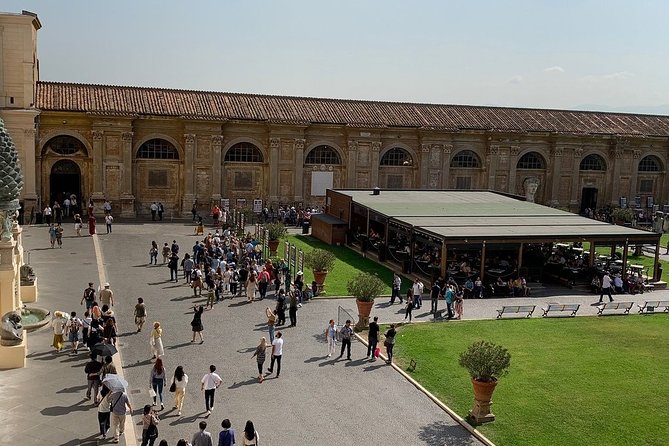
This is one of those Rome experiences where timing really matters. Your ticket is valid only for the date and time slot you choose, and they ask you not to arrive outside that window. Go to the Vatican Museum entrance on Viale Vaticano, use the preferred GetYourGuide entrance, and show either your paper voucher or mobile voucher to the security guards.
Once you pass security, you’ll scan your ticket at the box office CASSA ONLINE E GRUPPI. It’s a small step, but it’s the step that keeps you moving through the system without confusion. If you’re the type who gets flustered by crowds and signage, arrive a bit early so you can breathe before security.
Airport-style security is the wildcard. All visitors go through it, and during high season the wait can exceed 30 minutes. That doesn’t mean your skip-the-line ticket doesn’t work—it means your “fast entry” happens after security, not instead of it.
You can also read our reviews of more tours and experiences in Vatican Museums
First stop inside: audio guide pickup and how to start smart
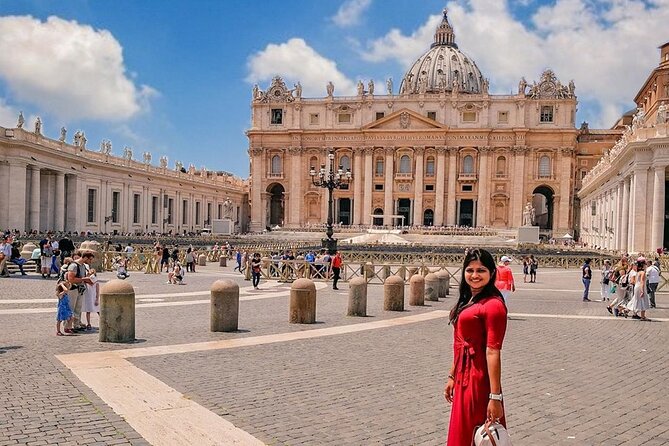
When you enter the Vatican Museums, you’re not just buying time—you’re buying freedom. The whole point here is self-paced wandering, and the audio guide helps you get more out of the art without needing a full guided tour.
If you choose the audio option, you’ll pick it up at the dedicated GetYourGuide desk inside the Museums. The included languages list is broad (English, French, Spanish, German, Italian, Japanese, Korean, Portuguese, Russian, Chinese, and more), so you should be able to match your comfort level.
Then use your first 20 minutes to choose your rhythm:
- If you’re more visual than verbal, scan key areas first and let the audio guide fill gaps later.
- If you like context, start with the sections that explain transitions—ancient to Renaissance, then to Michelangelo’s final act.
One practical note: you’re in a place with lots of stairs and plenty of walking. Lifts exist, but they can be slow or crowded, so it’s worth dressing for movement (comfortable shoes are non-negotiable).
Greek Cross Gallery, sarcophagi, and the shock of scale
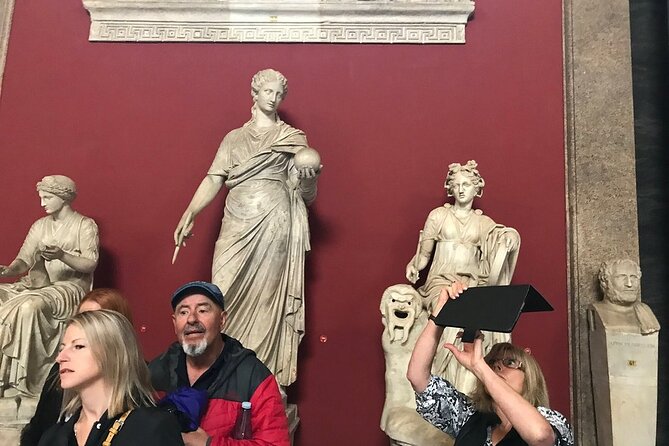
If there’s one part of the Vatican Museums that sets your expectations, it’s the Greek Cross Gallery. This is where the space starts to feel almost architectural—like you’re stepping into a history lesson built out of stone.
You’ll see elaborately carved sarcophagi. It’s tempting to get lost in the detail, but the real takeaway is what the collection teaches you: this museum isn’t only about famous paintings. It’s also about how power was remembered—how people wanted to be seen even after death.
Here’s how to enjoy it without getting overwhelmed:
- Use the audio guide early so the objects feel connected.
- Don’t try to photograph everything. In galleries like this, your eyes need a moment to adjust.
Also, remember this is a long route. By the time you reach the back half of the museum complex, fatigue can flatten your attention. The Greek Cross Gallery is a good place to “front-load” the awe.
Cabinet of the Masks and Sala degli Animali: fun stops that break the museum rhythm
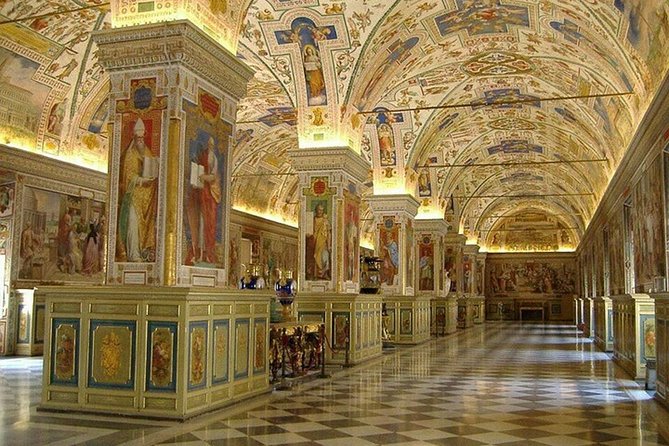
Two mid-route highlights do a nice job of breaking the formality of the big-name galleries.
First: the Cabinet of the Masks. If you like visual weirdness (and who doesn’t), this is the kind of stop that wakes your brain up. Masks feel theatrical, but they also connect to how ancient cultures used imagery to communicate identity and emotion.
Second: Sala degli Animali. You’ll get a virtual menagerie of fantastic beasts—real and imagined. It’s easy to miss how important these rooms are for your overall experience. They keep you from doing what so many people do at the Vatican: sprint through the obvious stuff and lose the thread.
If you’re visiting with kids (remember: not suitable for children under 7), these are often the parts that keep attention from drifting. For adults, they’re a reminder that the Vatican Museums aren’t only about religion. They’re also about storytelling through art.
Upper Galleries and the Gallery of Maps: history you can actually picture
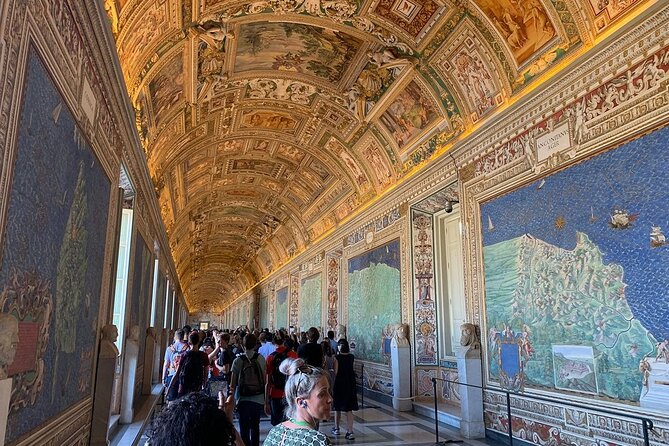
The Upper Galleries and especially the Gallery of Maps give you something surprisingly rare in big museums: a sense of how people imagined the world.
You’ll see how cartographers depicted the world through the ages. That changes the way you look at everything else. Suddenly, the Vatican isn’t just collecting religious and artistic masterpieces—it’s also preserving the ways humans tried to measure reality.
This section is also a good checkpoint for your energy. If you’ve been walking for a while, stop, breathe, and let the audio guide give you context. Maps reward patience. If you skim them, you’ll miss the fun part: the difference between what people knew, what they assumed, and what they hoped was true.
You can also read our reviews of more museum experiences in Vatican Museums

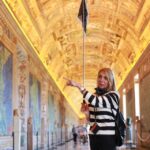
Raphael Rooms and Borgia Apartments: where the Vatican turns from objects into theatre
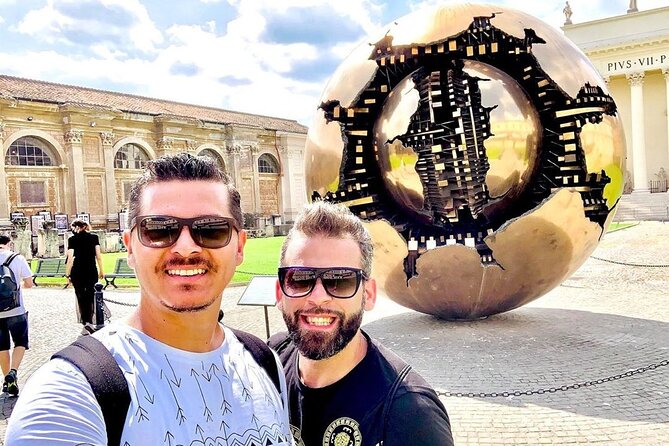
Next comes a major tonal shift: the Raphael Rooms. This is where you’ll feel the museum’s Renaissance momentum. The Raphael Rooms are known for Renaissance mastery, and you’ll see why they’re held in such high esteem.
After that, the Borgia Apartments offer a different mood. They’re a place to sit with the Vatican’s more political side—art tied to power, image tied to influence. You get a break from the continuous walking “machine” feeling, which is important because by now your legs may start negotiating with your plan.
Practical tip: if you’re unsure how to pace yourself, don’t aim to see every single room in one long push. The museum has a one-way flow, so you want to protect your top priorities for later rather than spending all your energy early.
Sistine Chapel: Creation of Adam, crowds, and the Feb 2026 restoration reality
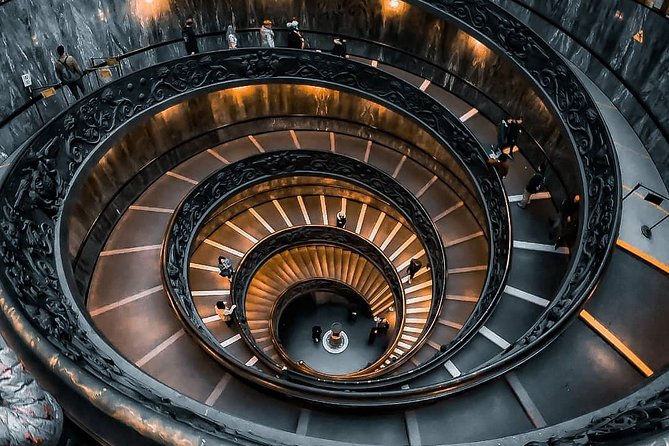
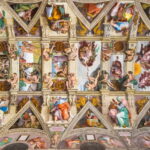
Eventually, you’ll reach the big finish: Michelangelo’s Sistine Chapel, the crown jewel for many people. The highlight people talk about most is The Creation of Adam on the ceiling. And yes—it’s the kind of artwork that makes you look up before you realize you’re doing it.
But let’s be honest about what makes the Sistine Chapel tricky:
- It’s far into the museum route.
- It’s very busy.
- You’ll need a strategy for seating and viewing.
A smart move is to try for one of the little seats towards the side and then use your audio guide while you’re sitting. That turns waiting-in-place into actual learning. Instead of staring straight ahead like everyone else, you can listen and scan details at your own speed.
Now, there’s a specific heads-up for your planning. Starting February 1, 2026, restoration works in the Sistine Chapel begin for three months. The chapel remains open and visitable, but you may notice restoration activity/scaffolding, and that can affect what you expect to see.
If you hate surprises, this is your notice. If you’re flexible and still want the experience, it’s still absolutely worth it.
Timing inside: how long it takes and how to avoid rushing
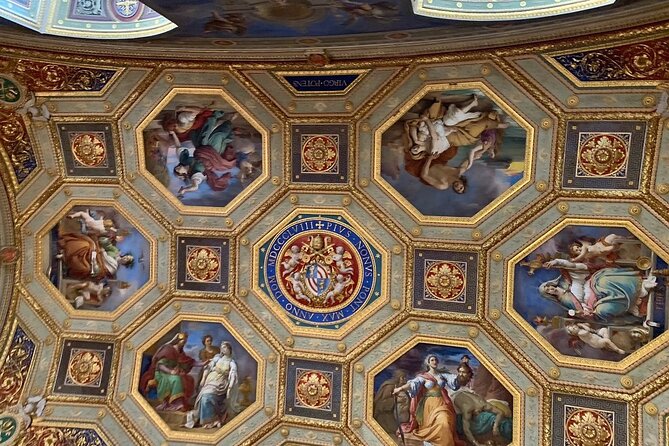
A one-day ticket here can mean different things depending on how you tour.
If you want to do this properly, plan on a bigger chunk of time. Many people recommend setting aside a full day because the museum is huge. Others manage it in roughly a half-day to a mid-day range, but they tend to feel rushed by the time they’re in the Sistine Chapel area.
A good rule: give yourself time for rest and for the fact that navigation can be confusing. Signage isn’t always clear in every language, and the route is hard to reverse. In a one-way museum, “I’ll come back later” is usually a trap.
Also, take care of body basics early. Several practical tips show up again and again: eat and use the restroom before you get swallowed by galleries, since you’ll be busy walking afterward.
And if you finish with the Sistine Chapel but still want energy for St. Peter’s Basilica, don’t assume you’ll have time to spare. By the time you reach the end of the museum route, you may not want to queue for more.
St. Peter’s Basilica: free, nearby, and not guaranteed by this ticket
This ticket is about the Vatican Museums and Sistine Chapel. St. Peter’s Basilica is not included here. You can access it as noted as free of charge, but access is not guaranteed because crowd control can change things.
Even if you do get into the Basilica, the dome access is not included, and it may not be possible on your day. The dome is its own extra step with its own constraints, so don’t plan your day assuming you’ll do it.
If you also want St. Peter’s Basilica, one approach that makes sense in practice is to prioritize it first when you have the energy and the time. Later can feel like you’re moving through the city on a low battery.
Practical costs: is $38 good value for the Vatican Museums route?
At about $38 per person, this ticket is essentially paying for one thing: less friction. In a museum this busy, the time you save on ticket lines is real value. You’re not just buying a seat in a tour group—you’re buying smoother entry and self-paced time inside.
You also have an option for an audio guide (pick up inside the Museums). That matters because the Vatican Museums are deep. Without context, you can walk past masterpieces and only register them as “important.” With the audio guide, the collection starts to explain itself.
That said, the price doesn’t remove all hassle. You still do airport-style security. You still walk. And you still face crowds, especially around the Sistine Chapel. So think of this as smart planning for a difficult day, not a magical skip of everything.
If official ticket booking feels confusing (especially when the instructions are in Italian), this can also be an easier path to lock in your time slot.
Dress code, documents, and the small rules that can derail you
The Vatican is strict, and the rules are simple:
- No shorts
- No short skirts
- No sleeveless shirts
Also bring identification. The information specifically mentions passport or ID card for children. If you’re visiting with anyone young, make sure you have the right ID with you.
Timed entry also means you should treat your time slot like an appointment. Don’t show up early enough to stress security staff or late enough to miss the window. The ticket is tied to the schedule.
And if you’re traveling with a disability, the policy here notes free entry for the person with disability and a carer/companion with a certificate presented at the Special Permits/Reception desk.
Who this ticket suits best (and who should rethink it)
This is a great fit if you want:
- Self-paced museum time instead of being herded,
- A way to reduce ticket-line stress,
- Audio guidance that helps you move through big galleries without guessing.
It may be less ideal if:
- You hate crowds and you only want a quiet museum experience,
- You need frequent backtracking (the route is largely one-way),
- You’re hoping for a full guided tour with a live person throughout (a guided tour is listed as not included).
If you’re the type who can handle “big and busy,” this works well as a structured entry ticket plus optional audio support.
Should you book this Vatican Museums & Sistine Chapel ticket?
I’d book it if your main goal is to see the Vatican Museums and then make it to the Sistine Chapel without wasting your day in ticket-line chaos. The timed entry and the GetYourGuide entrance are exactly what you want in high season, and the audio guide option helps you turn a long walk into real understanding.
Skip the extra stress by doing three things: pick an earlier time slot, wear clothing that passes Vatican rules, and plan for a lot of walking with restroom and snack breaks before you’re deep inside.
If you’re going in February 2026, keep the restoration window in mind. The chapel stays open, but it’s smart to expect a slightly different visual than the classic photos.
If you want, tell me your travel month and approximate arrival time window, and I’ll help you pick a slot strategy for crowds and energy.
FAQ
Is a guided tour included with this Vatican ticket?
No. This ticket includes skip-the-ticket-line entry to the Vatican Museums and access to the Museums route at your own pace. A guided tour is listed as not included.
Do I get an audio guide?
An audio guide for the Vatican Museums is included if you select that option. You can pick it up at a dedicated GetYourGuide desk inside the Museums.
Where do I go, and what do I show at the entrance?
Go directly to the Vatican Museum entrance on Viale Vaticano. Use the preferred GetYourGuide entrance, show your paper or mobile voucher to security guards, then scan your ticket at the box office CASSA ONLINE E GRUPPI after security.
Can I arrive outside my assigned time slot?
No. Tickets are valid for the date and time slot chosen, and you should not arrive outside your assigned time slot.
Does this include St. Peter’s Basilica and the dome?
St. Peter’s Basilica ticket access is not included. Access is noted as free of charge but not guaranteed and can vary due to crowd control. Dome access is not included.
What should I wear?
Shorts, short skirts, and sleeveless shirts are not allowed. Bring something that covers up appropriately.
Is the Sistine Chapel affected by restoration in 2026?
Yes. From February 1, 2026, restoration works begin for three months. The Sistine Chapel remains open and visitable, but you may see restoration activity.