REVIEW · ROME
Underground Rome Tour: St. Clement and Celian Houses
Book on Viator →Operated by Joy of Rome · Bookable on Viator
Rome’s underground tells the better story. This Underground Rome tour links St. Clement and Caelian Hill to the people and buildings that were repurposed again and again, from ancient times to the Middle Ages. I love how the route isn’t just a stop-and-look: it’s a walk through a real architectural time machine.
My second big win is the human touch. With a private group and a top guide from Joy of Rome (Francesca comes up again and again), you get clear explanations instead of vague dates and photos. One thing to consider: parts of this experience go below ground and can feel tight, so if you’re strongly claustrophobic, take that seriously before booking.
In This Review
- Key moments that make this tour worth it
- Why St. Clement and Caelian Hill are such a smart underground Rome pick
- Stop 1: Basilica dei Santi Giovanni e Paolo and the houses beneath
- Caelian Hill: learning the Seven Hills while standing over the past
- Stop 3: Basilica di San Clemente’s stacked churches in multiple layers
- How the tour feels: pace, private group energy, and fitting it into your day
- Price and value: what you pay, what you still need to budget
- Picking the guide: how to set yourself up for a great experience
- Who this tour suits (and who should reconsider)
- Should you book the St. Clement and Celian Houses underground tour?
- FAQ
- How long is the Underground Rome tour?
- Where does the tour start and end?
- Is this a private tour?
- Is the tour offered in English?
- Are entrance tickets included in the price?
- How much are the entrance fees?
- What’s the meeting point situation for public transit?
- Is the tour suitable for claustrophobia?
- What if a church is closed for celebrations?
Key moments that make this tour worth it
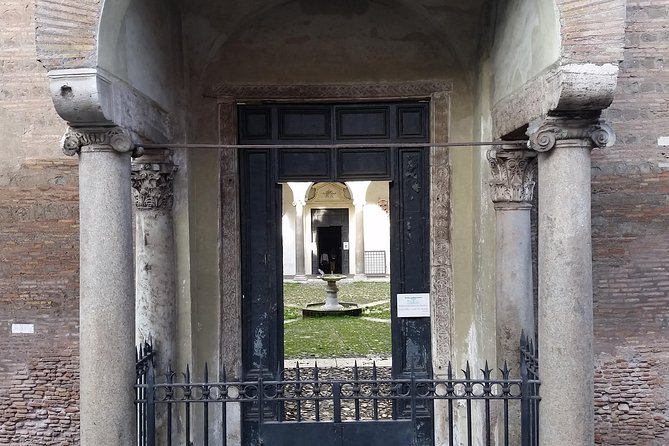
- Basilica dei Santi Giovanni e Paolo layers: you’ll move from church life down into the Ancient Roman houses tied to Saints John and Paul
- Caelian Hill context fast: one of Rome’s Seven Hills, with aqueducts, temples, and homes for different classes
- St. Clement’s stacked churches: multiple layers of worship in the same spot, showing how the past got reused
- Private, small feel: only your group, so you can ask questions and keep a good pace
- Time goes quickly: the 2 to 3 hour format often feels shorter because each level changes the story
Why St. Clement and Caelian Hill are such a smart underground Rome pick
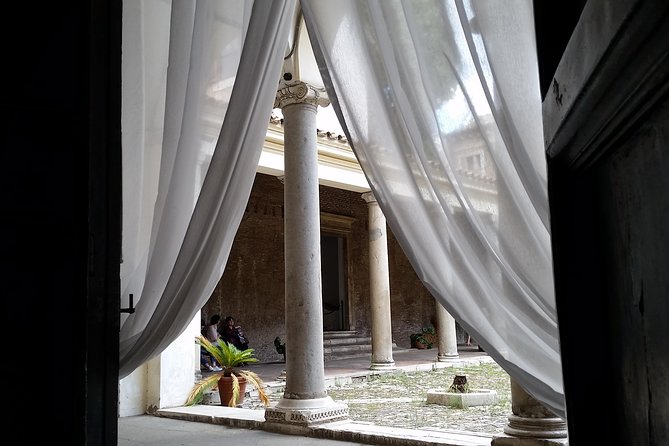
Rome above ground is all about landmarks. Rome below ground is about continuity—how one place keeps getting built over, forgotten, rediscovered, and re-used. This tour is built around exactly that idea.
You start at the Basilica dei Santi Giovanni e Paolo, then work your way toward Caelian Hill, and finish at Basilica di San Clemente. Together, the stops show a clear pattern: as centuries passed, the city didn’t really move away. It just layered itself deeper.
The payoff is not just seeing ancient stone. It’s seeing the logic behind it: why certain structures ended up where they did, how neighborhoods evolved, and how religious sites often grew out of older buildings already on the ground.
You can also read our reviews of more tours and experiences in Rome.



Stop 1: Basilica dei Santi Giovanni e Paolo and the houses beneath
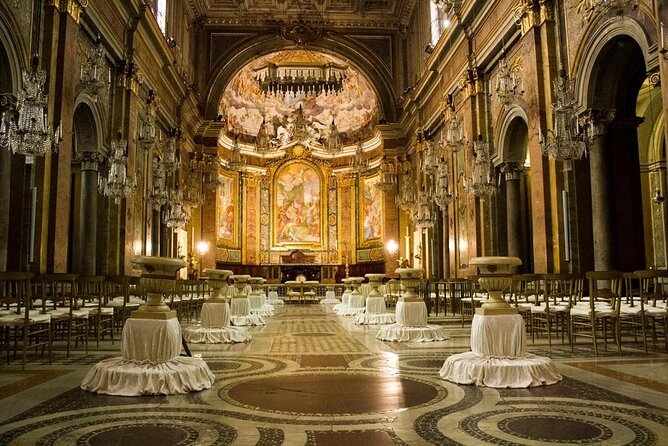
This first stop is where the trip’s theme clicks. You’re at a church, but the story starts far earlier—under the current space, where the Ancient Roman world sits underneath later Christian devotion.
You’ll walk from the Middle Ages down to ancient times in a few steps, guided the whole way. The focus here is the Ancient Roman houses connected to Saints John and Paul, with the church built over that earlier site. In other words, you’re not touring ruins in isolation. You’re touring a place that kept its meaning even as its physical structure changed.
What I like about this start: it’s a strong hook. You get that wow feeling early, before the tour settles into a more reflective pace. And because the explanations are tied to the architecture itself, you can actually understand what you’re seeing—church on top, older life beneath.
A practical note: the ticket for this stop is not included in the tour price, and it’s one of the paid entrances you should budget for ahead of time.
Caelian Hill: learning the Seven Hills while standing over the past
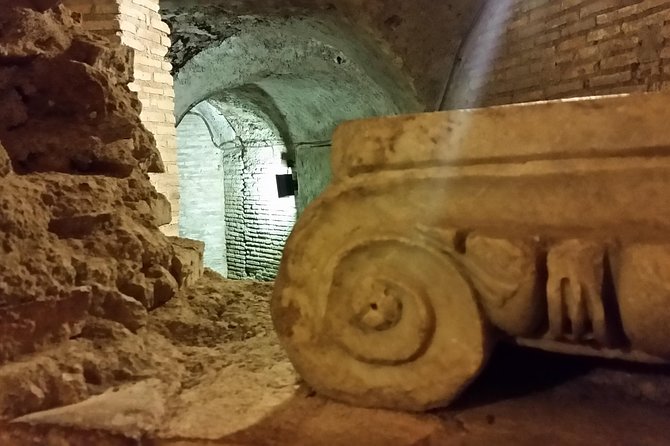
Next comes Caelian Hill—one of Rome’s Seven Hills. Even if you know the Roman geography, this stop helps you connect the geography to how people lived.
Caelian Hill wasn’t just a view point. The area had aqueducts and temples, and it also held residences for both high-class and middle-class citizens. That mix matters. It tells you the hill wasn’t some single-purpose neighborhood. It was part of the city’s everyday life and growth.
In the context of the tour, Caelian Hill is the bridge between the two big church-layer stories. You’ll also encounter the house linked to John and Paul underground, so you’re still in that same thread of continuity. The site keeps telling you the same message in different ways: the city built upward and downward at once.
This stop is shorter than the basilicas—about 20 minutes—so it works like a breather. You don’t lose the plot, but you also don’t get stuck standing in one spot too long.
Stop 3: Basilica di San Clemente’s stacked churches in multiple layers
If Basilica dei Santi Giovanni e Paolo is the hook, Basilica di San Clemente is the main act.
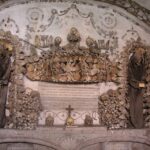
San Clemente is famous for its layered footprint. You’re not just seeing one church. You’re seeing the idea of how one site can hold several different eras. The church you walk into sits on top of older structures, and the experience goes down through those stages.
You’ll visit the incredible Church of Saint Clement and its multiple layers, with time set aside to see what’s below. The lower spaces reveal an original church dating back to the late Roman Empire. Excavation work for the lower areas began in the 1700s, and before that discovery, no one had known about that earlier church in the same way.
Then there’s the part that makes people pause. You can go lower to an ancient Roman house—about 2000 years old—inside the underground complex. One detail that really helps you picture it: you can end up roughly 50 feet below street level. That vertical drop changes how you understand the city. The famous streets above aren’t just old; they’re built on top of a whole second Rome.
Why this stop is worth the effort: you see how religious meaning often attaches to older spaces. A new church can grow out of an older one, and the physical layers become a record of survival, adaptation, and reuse.
How the tour feels: pace, private group energy, and fitting it into your day
This is a private underground walking tour. That means you’re not getting rushed through with strangers, and the guide can keep a natural pace for your group.
Total time is about 2 to 3 hours. The timing matters because the experience is intense in a good way: underground spaces ask for attention. When the guide is good, you don’t feel like you’re counting minutes. You feel like the story keeps shifting, which is why it often feels faster than the clock says.
You’ll want a moderate physical fitness level. It’s a walking tour with time underground, and you’ll be moving between levels and spaces. Also, take the warning about tight spaces seriously. This tour may not suit those who are strongly claustrophobic.
On the logistics side, the meeting point is near public transportation, and the route ends at Basilica di San Clemente (Via Labicana, 95). That ending location is handy because you don’t have to circle back to your starting point.






Price and value: what you pay, what you still need to budget
The tour includes a professional guide, and you get a mobile ticket plus group discounts. But admission tickets are not included.
Here’s the part to plan for:
- Entrance fees for adults are listed as around €30 total per person (children €18 total per person).
- Basilica dei Santi Giovanni e Paolo has a specific entrance fee of €25 per person.
That means the value isn’t just the physical sites. You’re paying for someone to interpret what you’re standing in. Without a guide, these places can turn into a sequence of dark rooms and stairs. With the right guide, it becomes an explanation of why the layers matter.
Based on the guide praise in the experience, this is one of those tours where the guide can make the difference between good and unforgettable. If you care about context—how one Rome sits inside another—you’re likely to feel the value quickly.
Picking the guide: how to set yourself up for a great experience
The guides tied to this tour often get mentioned by name, and it’s not random. Francesca is specifically called out as a standout choice: pleasant, professional, and strong at turning the sites into understandable stories. Another name that comes up is Angelica, especially for clear information about what San Clemente reveals.
So what should you do?
- If you have the option, request Francesca when booking.
- Come with one simple goal: understand what changes from one layer to the next, and why.
In underground spaces, the details can get lost if you’re not sure what you’re looking for. A good guide gives you a map for your eyes.
Who this tour suits (and who should reconsider)
This tour is a great match if you want:
- a more authentic Rome experience than another above-ground checklist
- architectural storytelling—how buildings transform over time
- a private group pace that’s easier to manage than crowded walking routes
It’s also a solid option if you’ve been to Rome before and want something that changes your perspective. Going underground does that. It makes the city feel less like a collection of monuments and more like a living place that kept building on itself.
Who should reconsider:
- people who are strongly claustrophobic
- anyone who struggles with moderate walking and moving between levels underground
Should you book the St. Clement and Celian Houses underground tour?
Book it if you want Rome’s layers, not just Rome’s highlights. This tour hits a rare combination: real access below street level, clear architectural context, and a guide that can turn stone into a story you can actually follow.
Skip it or choose carefully if you’re claustrophobic or uncomfortable in tight underground spaces. Also, plan your budget for entrance fees—your money goes first to the guide, then to the site entrances.
If you’re the type of traveler who loves when history makes physical sense, this one is likely to feel worth every minute.
FAQ
How long is the Underground Rome tour?
It runs about 2 to 3 hours, depending on timing and how long you spend at each underground stop.
Where does the tour start and end?
It starts at Basilica Santi Giovanni e Paolo, Piazza Dei SS. Giovanni e Paolo, 00184 Roma RM. It ends at Basilica di San Clemente, Via Labicana, 95, 00184 Roma RM.
Is this a private tour?
Yes. It’s listed as a private tour/activity, meaning only your group participates.
Is the tour offered in English?
Yes, it’s offered in English.
Are entrance tickets included in the price?
No. Admission tickets are not included in the tour price.
How much are the entrance fees?
The tour information lists adults at about €30 total per person and children at about €18 total per person. It also specifically notes Basilica dei Santi Giovanni e Paolo costs €25 per person.
What’s the meeting point situation for public transit?
The meeting point is near public transportation.
Is the tour suitable for claustrophobia?
The tour may not be suitable for people who are strongly claustrophobic because it goes underground.
What if a church is closed for celebrations?
The operator reserves the right to cancel and refund the tour if churches close due to extraordinary celebrations.