Rome’s famous sights feel personal on this walk. With guide Cecilia in an English-speaking group capped at 20, you move through major squares and key landmarks in about 2.5 hours, starting at Piazza Venezia and finishing at Piazza Navona.
I especially like the way the route hits big icons without wasting time on ticket hassles, since each stop is marked free for admission. I also like how the stops are short and focused, so you’re not stuck in one place while the rest of Rome goes on without you.
One catch: this is a walk-heavy outing. It asks for moderate physical fitness, and it also depends on good weather—so you’ll want comfortable shoes and a plan for rain.
In This Review
- Key highlights you’ll actually feel on the walk
- A 2.5-hour Rome walking plan that keeps you oriented
- Starting at Piazza Venezia: your Rome “center of gravity”
- Via del Corso and the talking statues tradition
- Trevi Fountain in 30 minutes: iconic, but manage your expectations
- Piazza di Spagna: the Steps zone, made readable
- Piazza di Pietra and the Temple of Hadrian remains
- Piazza della Rotonda: the Pantheon as a walking moment
- Piazza Navona: finishing strong in a square that begs for one last look
- Guide Cecilia’s approach, and why small groups matter
- Price and value: what you’re paying for at $106.46 per person
- What to wear and how to plan your photos in advance
- Who should book this tour, and who should skip it
- Should you book the Hidden Corners of Rome walking tour?
- FAQ
- How long is the tour?
- What does the tour cost?
- Where does the tour start and where does it end?
- Is there an admission fee for the stops?
- What’s included in the price?
- What language is the tour offered in?
- How big is the group?
- Is the tour dependent on weather?
Key highlights you’ll actually feel on the walk
- Small group size (max 20) keeps the experience personal and helps you hear the guide
- English guide gives clear, square-by-square context instead of just pointing
- All stops are free-entry on the provided schedule, so you’re not hunting tickets
- Short, timed visits (15–30 minutes each) help you see more without burnout
- No radios provided, so you’ll get the best experience staying close to the guide
- Ends in Piazza Navona so your last photos feel like a finale, not a scramble
A 2.5-hour Rome walking plan that keeps you oriented
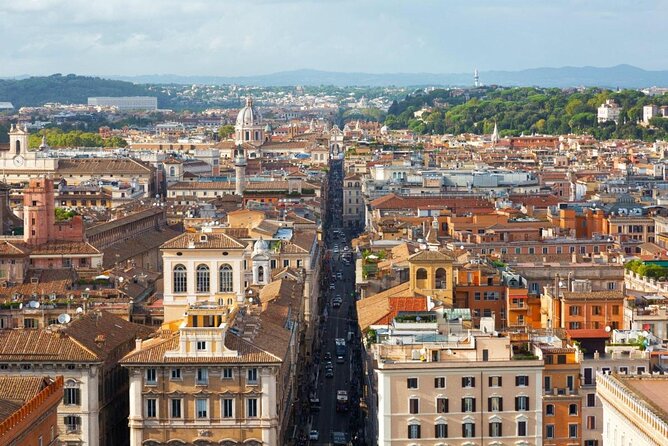
This tour is built for people who want to get their bearings fast and still feel like they understood what they saw. In roughly 2 hours 30 minutes, you cover a string of major squares and monuments that help connect Rome into one big, readable map.
What makes it work is the rhythm. The visits are short—think 15 to 30 minutes—so you get a taste of each place and then move on. That’s a smart format in Rome, where crowds and long lines can eat a whole morning.
You’ll also appreciate the practical setup. It runs with an English guide, uses a mobile ticket, and stays near public transportation. One more thing I liked: the tour doesn’t include radios, which sounds minor until you’re standing a little too far back. If you want the best audio, pick a spot close to the guide and be ready to walk.
You can also read our reviews of more tours and experiences in Rome.



Starting at Piazza Venezia: your Rome “center of gravity”
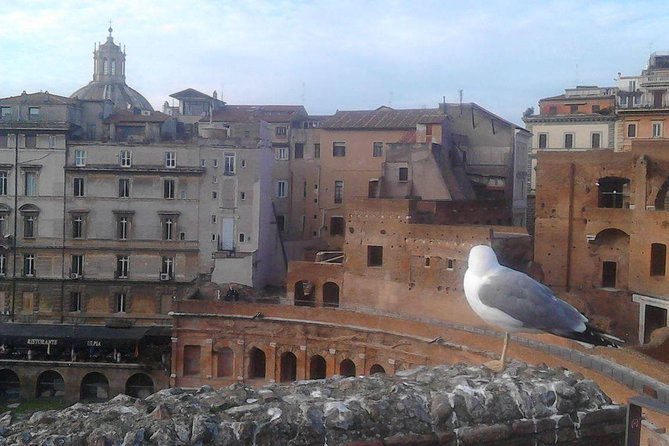
You begin at Piazza Venezia, and you spend about 15 minutes there. This square is a useful starting point because it’s a major junction where multiple parts of central Rome feel reachable at once. Even if you’ve seen photos, the square’s scale helps you get that first sense of direction.
In a short stop like this, the best use of time is orientation. Instead of trying to memorize every detail, you’ll focus on what the guide shows you about how the landmarks relate to each other. It’s the kind of grounding moment that makes the later stops easier to enjoy.
Drawback? Fifteen minutes can feel quick if you love lingering. But that’s also the point: the tour is designed to keep momentum so you actually reach every highlight listed for the day.
Via del Corso and the talking statues tradition
Next up is Via del Corso, with about 20 minutes assigned. This part of the walk shifts from monumental squares to a more street-level Rome feel—shops, pedestrian flow, and that “you’re in the city, not just looking at it” energy.
The standout here is the stop for the area’s talking statues tradition. These are the famous marble figures tied to satirical public commentary—Rome’s way of turning stone into a kind of old-school bulletin board. Your guide’s job is to explain what that tradition meant locally and how it fits into the personality of the city.
A practical note: this is a street corridor, so you’ll likely be surrounded by people passing through. To make it enjoyable, keep your space and listen carefully during the brief story moment rather than trying to multitask with scrolling and photo-taking.
Trevi Fountain in 30 minutes: iconic, but manage your expectations
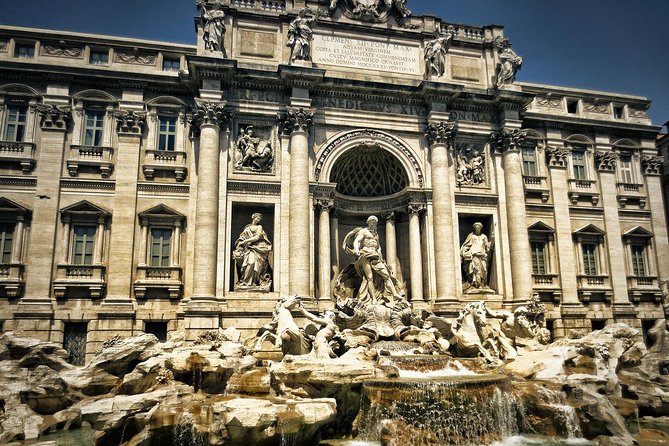
You then reach Fontana di Trevi, with about 30 minutes. It’s one of Rome’s most famous fountains, and you’ll understand why quickly: it’s large, showy, and designed to pull your gaze from a distance. The tour gives you time to actually look, not just walk past.
Because admission is free for this stop, you’re not paying or negotiating with tickets. That matters here, since Trevi can be a time sink when you’re dealing with crowds. Thirty minutes is a workable window: enough to appreciate the scale and grab photos, but not so long that you feel trapped in the busiest flow.
Possible drawback: Trevi is Trevi. You’ll want patience, and you might not get a quiet viewing moment depending on the day. I’d also plan for the simple reality—if you want fewer people in your photos, you’ll need to adjust how you frame the shot rather than expecting empty space.
Piazza di Spagna: the Steps zone, made readable
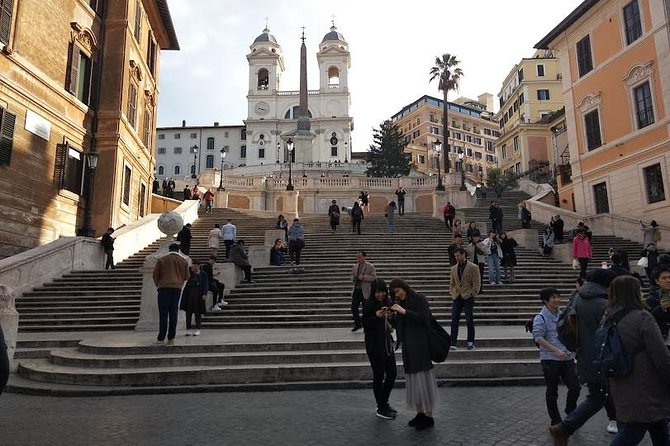
About halfway through, you arrive at Piazza Di Spagna for roughly 30 minutes. This is where Rome’s famous “scene” appears: a major public square anchored by the Steps, with people gathering from every direction.
What I like about this stop in a guided format is that you don’t just see a landmark—you understand how it behaves as a public space. Your guide can point out what to notice so you’re not left thinking, It’s pretty, but now what.
If you’re the type who wants to sit down and people-watch, 30 minutes gives you room to do that. If you’re more into photos and walking, you still won’t feel rushed—because the tour moves you along at a pace that matches how the next stop fits into the day.





Piazza di Pietra and the Temple of Hadrian remains
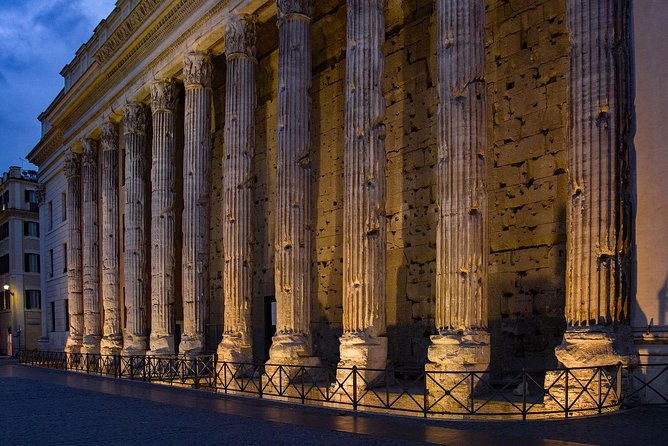
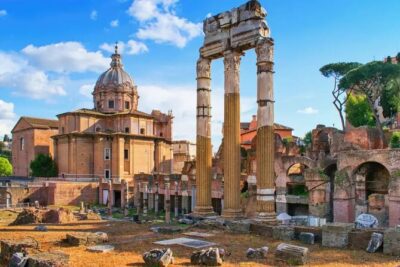
After that comes Piazza Di Pietra, again around 30 minutes. This square is special because it includes the surviving remains of the Temple of Hadrian. You don’t get a museum experience here—you get the feeling of ancient structure sitting inside modern streets.
This stop feels like a reset. Compared to the big, obvious icons earlier, the Temple of Hadrian area gives you a quieter kind of attention: look for scale, materials, and the way the ancient footprint shapes the space.
One consideration: if you only like places you can instantly identify from a single famous photo, you might need a moment to switch gears. The guide helps with that by making the setting feel understandable, not just scenic.
Piazza della Rotonda: the Pantheon as a walking moment
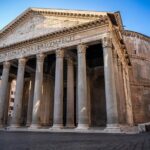
Next is Piazza Della Rotonda, where you visit the Pantheon, also for about 30 minutes. This is the kind of landmark that changes how you walk through a city. Even without getting lost in long lectures, you can feel the power of the architecture.
The time here is enough to slow down and notice the big visual elements people talk about: the dome’s bold geometry and the way the space feels open despite being enclosed. The guide’s job is to help you connect what you’re seeing to why it was built the way it was, so you leave with a mental picture that lasts longer than a single snapshot.
Possible drawback: because the Pantheon area is famous, it can be busy. Thirty minutes is a fair compromise in a tight walking schedule. If you want extreme quiet or very long photo time, this format may feel too short—but it’s still a good way to get your first “Pantheon moment” without sacrificing the rest of the day.
Piazza Navona: finishing strong in a square that begs for one last look
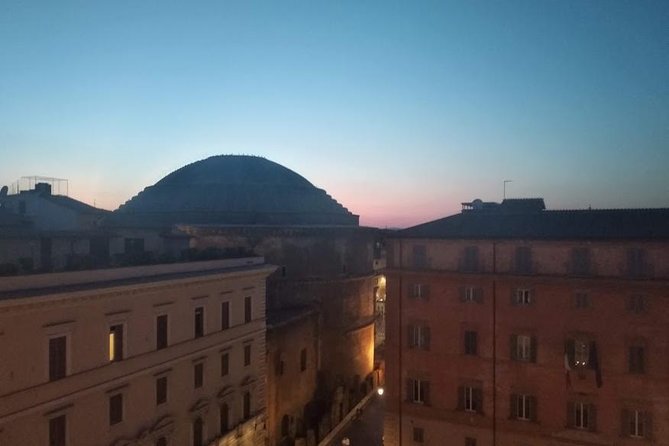
Your tour ends at Piazza Navona after about 30 minutes there. This is a strong finish because the square itself feels like a stage. The form of the piazza encourages lingering, and the atmosphere is different from Rome’s quieter corners—more movement, more energy, more people slowing down to look around.
Finishing here is also useful for practical travel reasons. Piazza Navona is a great place to end a walking tour because it’s central and you’ll find plenty of ways to continue exploring or grab something to eat afterward.
Only downside: if you’ve been on your feet all day, this final stop may feel like your legs are voting for an early exit. Bring snacks (since they’re not included) or at least plan to stop nearby after the tour so you don’t feel drained at the exact moment you want to enjoy the square.
Guide Cecilia’s approach, and why small groups matter
The best part of this experience is the guide’s ability to connect each place to a story you can remember. In particular, Cecilia seems to focus on helping you understand what you’re seeing in each square—so the walk doesn’t become a checklist.
The small group size (max 20) plays a real role in that. With fewer people, you get a better shot at hearing explanations and asking quick questions. And since radios aren’t provided, the guide can’t rely on technology to be heard everywhere. That means your position matters: stay nearer the front or center of the group when you can.
Also, the timed stops matter for your attention span. You don’t have to guess how long something will hold your interest, because the tour gives you a clear rhythm and moves you when it’s time.
Price and value: what you’re paying for at $106.46 per person
At $106.46 per person, you’re paying mainly for three things: the English guide, the planning that strings these sights together in a workable 2.5-hour route, and the fact that each scheduled stop is free-entry. Since admissions are marked free for the itinerary, you’re not adding extra ticket costs on the day.
What’s not included is also important for value. Snacks aren’t provided, and private transportation isn’t included (you’re walking your way through central Rome). Radios also aren’t included, which can affect how “relaxed” the experience feels for people who prefer to stand back.
If you like guided structure but hate spending half your day in ticket lines, this price often feels fair. You’re effectively buying a guided circuit through major squares—plus the storytelling that makes them click.
What to wear and how to plan your photos in advance
Because this tour is built around walking and short stop times, your comfort choices matter more than usual.
- Wear comfortable shoes you’d happily walk in for longer than 2.5 hours.
- Bring a light layer. Rome weather changes fast, and the tour requires good weather.
- If you get snacky when you’re moving, pack a simple snack or water. Snacks aren’t included.
- Since the group has no radios, keep your attention up when the guide is talking and avoid drifting too far away.
You’ll also want to plan the rest of your day around the end point. With the tour finishing at Piazza Navona, it’s smart to schedule your next activity nearby so you can keep the momentum going.
Who should book this tour, and who should skip it
This tour is a great fit if you:
- Want a guided way to hit several Rome highlights in one morning or afternoon block
- Like learning the “why” behind places, not just collecting pictures
- Prefer a small group pace over huge crowds
You might want to skip (or choose a different format) if you:
- Have a strong dislike for walking or rough pavement
- Need a slower pace with longer time in fewer places
- Are visiting in poor weather and don’t want to risk a rebook (the experience requires good weather)
Should you book the Hidden Corners of Rome walking tour?
If your goal is to get oriented quickly, see a strong set of famous squares, and hear clear explanations from Cecilia, then yes—this is a solid choice. The value comes from the tight route, the short timed visits that keep things moving, and the free-entry nature of the stops.
I’d book it especially if you’re short on time in Rome and you want a plan that stitches the city together for you. But if you want a slow, sit-down museum day or you’re dealing with walking limits, you’ll probably enjoy another style of Rome tour more.
FAQ
How long is the tour?
It lasts about 2 hours 30 minutes.
What does the tour cost?
The price is $106.46 per person.
Where does the tour start and where does it end?
It starts at Piazza Venezia and ends at Piazza Navona (00186 Roma RM).
Is there an admission fee for the stops?
No. Each listed stop has admission tickets marked free.
What’s included in the price?
A guide is included. Snacks, private transportation, and radios are not included.
What language is the tour offered in?
The tour is offered in English.
How big is the group?
The tour has a maximum of 20 travelers.
Is the tour dependent on weather?
Yes. It requires good weather, and if it’s canceled for poor weather you’ll be offered a different date or a full refund.