REVIEW · ROME
Testaccio: Home Cooking Cacio e Pepe, Amatriciana, Carbonara
Book on GetYourGuide →Operated by Timonfaya Travel Lanzarote · Bookable on GetYourGuide
Fresh pasta beats another museum day. This Testaccio home-cooking class teaches the Roman pasta “Holy Trinity” and ends with dessert in a real local kitchen. You’ll learn the methods, then sit down to eat what you made with unlimited wine and coffee.
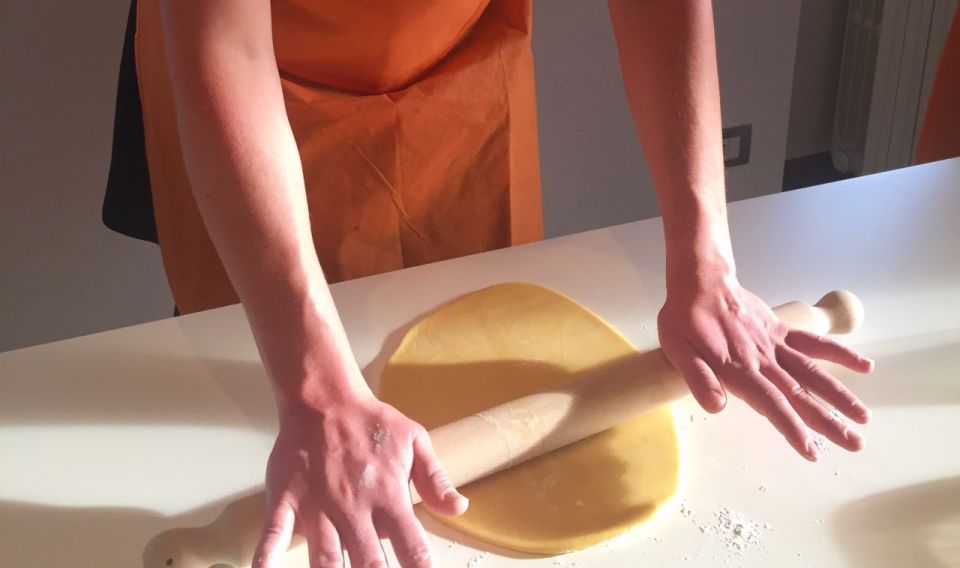
I especially like that it’s not a quick demo. You start by making fresh pasta dough from scratch, guided step by step, so the skills actually stick. And you’re not just tasting sauces on the side, you’re crafting Cacio e Pepe, Amatriciana, and Carbonara yourself.
One thing to consider: the experience is in a home setting and is not recommended for serious allergies to dogs and cats. If animal allergies are a concern, skip this one.
In This Review
- Key Things You’ll Notice Fast
- Testaccio: The Neighborhood That Makes Roman Pasta Feel Local
- In a Home Kitchen With a Small Group (and Real Attention)
- From Flour and Eggs to Fresh Pasta You Can Actually Recreate
- The Holy Trinity: How Cacio e Pepe, Amatriciana, and Carbonara Teach Different Thinking
- The Meal Part: Unlimited Wine, Italian Coffee, and the Right Pace
- Dessert, Recipe Notes, and Your Take-Home Proof
- Who This Suits Best (and Who Should Skip It)
- Price and Value: Is $105 Worth It?
- FAQ
- How long is the Testaccio pasta cooking class?
- What sauces do you learn to make?
- Is this class a small group?
- Do you make pasta from scratch?
- What meals are included?
- Are drinks included?
- What languages are used during the class?
- Can vegetarians or vegans join?
- Is there a gluten-free option?
- Is the experience suitable if I have pet allergies?
- Should You Book This Testaccio Pasta Class?
Key Things You’ll Notice Fast
- A real home kitchen in Testaccio, not a restaurant classroom
- Three Roman sauces learned properly, not just sampled
- Fresh pasta from scratch, so you take home more than recipes
- Unlimited wine and coffee with your meal
- Small group of up to 10, which keeps the attention on you
- Recipe notes to take home, so you can repeat the dishes later
Testaccio: The Neighborhood That Makes Roman Pasta Feel Local
Testaccio is where you go for everyday Roman food culture. The vibe is practical and lived-in, with lots of old-school eating nearby, not a parade of souvenir shops. That matters here because this class doesn’t feel like a performance. It feels like you’re being invited into someone’s routine.
The setting is also part of the point. You meet at Via Galvani, 4 (Building C, Buzz 11, near the Testaccio area), then move into a home kitchen environment. You get a calmer rhythm than you do in public cooking spaces, and it’s easier to ask questions without feeling rushed.
If you want Rome beyond the big sights, this is a strong choice. You’re working with the same kind of simple building blocks that show up again and again in Roman comfort food: flour, eggs, and water turned into pasta, then turned into classic sauces. It’s hands-on, but it’s also grounded and real.
You can also read our reviews of more tours and experiences in Rome.



In a Home Kitchen With a Small Group (and Real Attention)
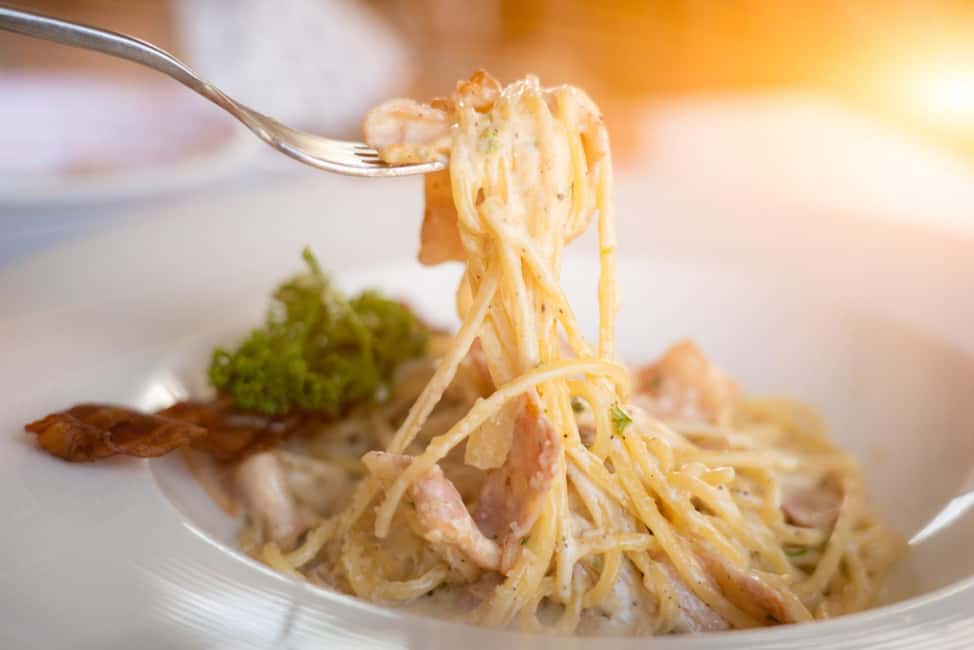
This is limited to 10 participants, which is ideal if you hate “stand back and watch” classes. Smaller groups mean the instructor can correct the way you mix dough, handle the pasta, and pace yourself while the sauces come together.
The class is led in English and Italian, so you can follow along comfortably even if your Italian is still warming up. And because it’s a home setting, the tone tends to be personal. People describe the experience as warm and welcoming, more like cooking with family than taking a ticketed workshop.
You’ll also notice the pacing is built for learning. The format isn’t just craft, eat, repeat. You’re taught the process of making the pasta base, then focusing on the sauce methods for the three dishes. That order matters because Roman pasta sauce techniques depend on timing and texture.
The one big “heads up” is allergies. The experience isn’t suitable for people with animal allergies, and it’s explicitly noted that it’s not recommended for serious allergies to dogs and cats. If you’re sensitive, treat that warning seriously.
From Flour and Eggs to Fresh Pasta You Can Actually Recreate
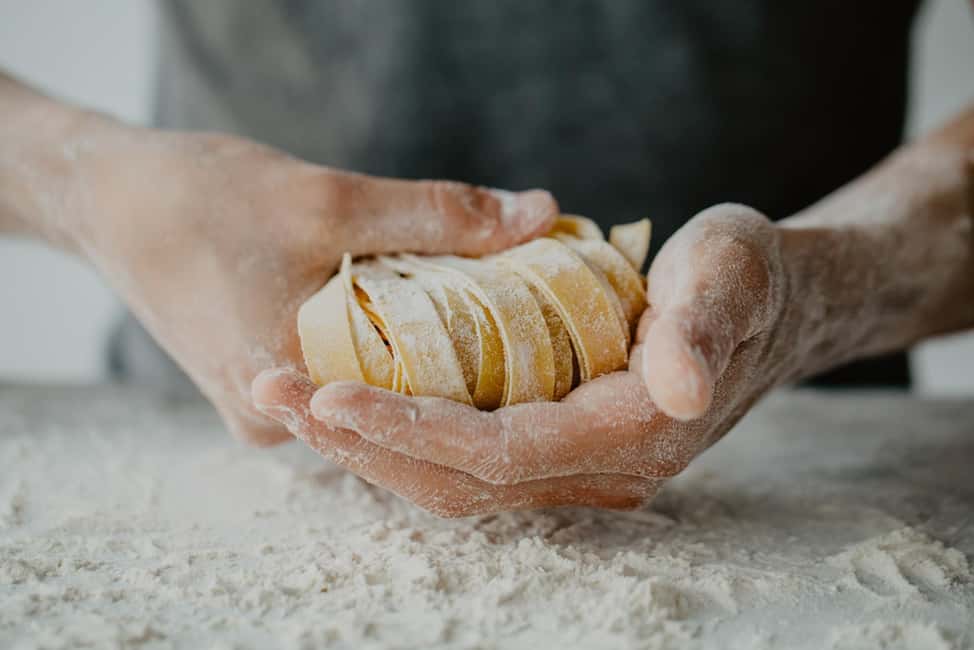
The best part of a pasta class is when you leave knowing what to do at home. That’s why I like the way this one starts: you craft fresh pasta from scratch rather than relying on packaged dough.
You’ll work with basic ingredients like flour and eggs, and the instructor helps you understand how to get the right dough consistency. That sounds simple, but it’s where most people either nail it or get frustrated later in their own kitchens. Having guidance makes a huge difference.
You’ll also see how small choices matter. Mixing technique, rest time, and how you handle the dough can change the final result. By the time you’re cooking, you understand the pasta as something you made, not something you bought.
And because your meal is built around what you’re producing, you don’t just learn one technique in theory. You’ll use your pasta in the tasting portion of the class: three pasta courses made with the sauces you mastered.
The Holy Trinity: How Cacio e Pepe, Amatriciana, and Carbonara Teach Different Thinking
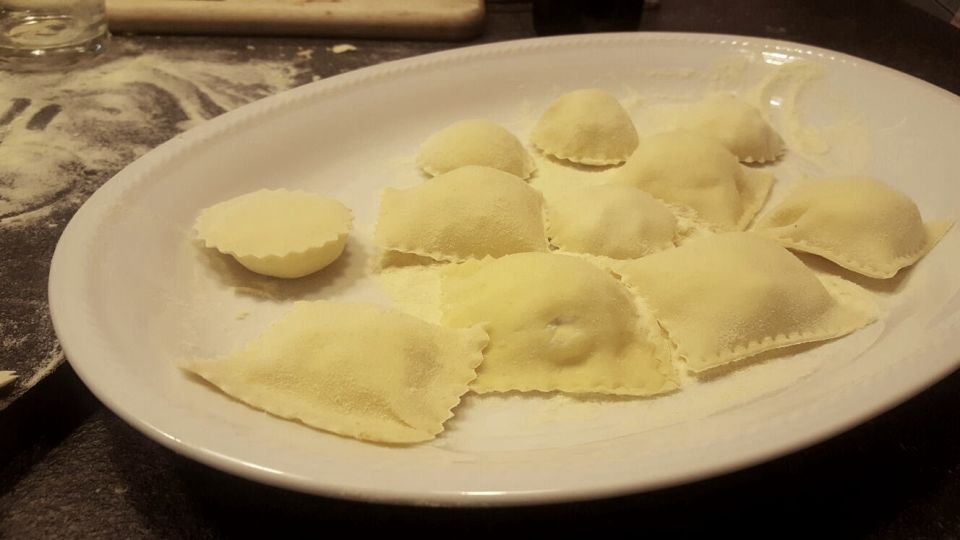
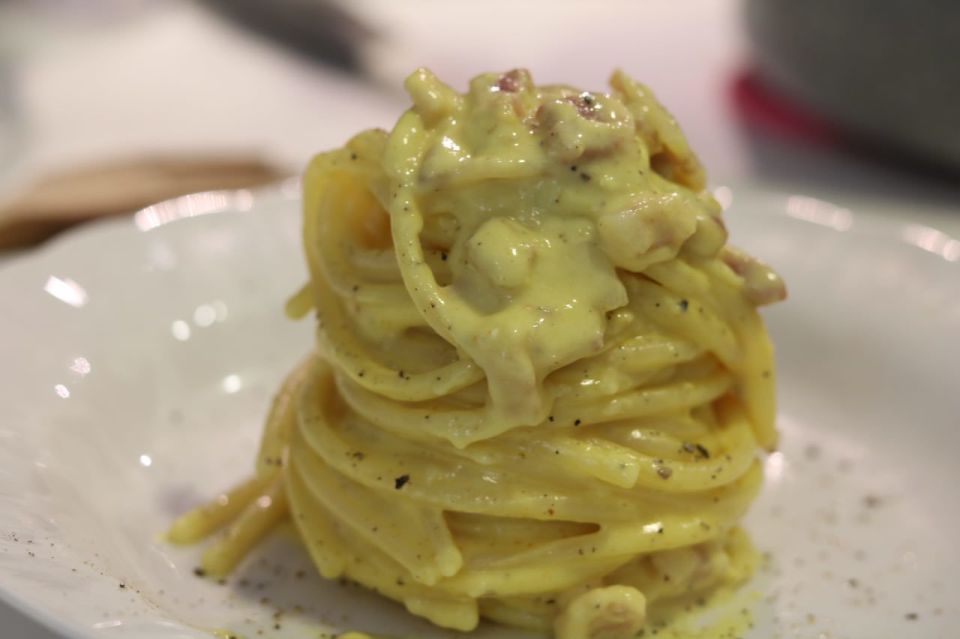
You come for the famous trio, and you get it. This is a sauce-focused class built around Cacio e Pepe, Amatriciana, and Carbonara, taught as distinct Roman traditions with their own rules for texture and balance.
I like that the class treats each sauce like its own mini-lesson. The instructor explains the secrets behind their classic flavors and the steps that make the difference. That’s useful because these sauces aren’t interchangeable. Even if you’ve eaten all three in Rome, the cooking logic can still surprise you once you’re the one doing the work.
Here’s what you should expect to learn from the three-sauce format:
- Cacio e Pepe teaches how a simple ingredient mix becomes creamy and cohesive.
- Amatriciana shows how tomato-based Roman flavor patterns come together with the right method.
- Carbonara highlights how a custardy sauce effect is built (and why timing matters).
You’re not just tasting “three kinds of pasta.” You’re learning three different ways to think like a Roman cook: start with tradition, then control texture.
After the prep, the course culminates with you sitting down to enjoy the pasta dishes you created, which is where it all clicks. One reason this class gets such strong feedback is that people feel the food matches the learning. You get results, not just a good afternoon.
The Meal Part: Unlimited Wine, Italian Coffee, and the Right Pace
This class is designed to end with a full meal, not a light snack. You’ll eat the three courses you made, paired with local wine. The highlights also note unlimited wine and coffee, which is a great perk for value and atmosphere.
This is the part where the Roman home vibe really lands. The tasting isn’t rushed, and the group gets time to enjoy the conversation. People mention chatting with the hosts and instructors and appreciating the story behind the cooking approach, including travel and work stories shared during the meal.
I also like that coffee is part of the finale. In Italy, coffee after dinner isn’t an afterthought. It turns the meal into a complete experience: pasta, wine, dessert, then coffee to close things out.
If you’re worried the cooking will be exhausting, note the duration is 3.5 hours. That’s long enough to learn three sauces and eat well, but not so long that it becomes a chore. For many people, this feels like the perfect “evening Rome” plan.



Dessert, Recipe Notes, and Your Take-Home Proof
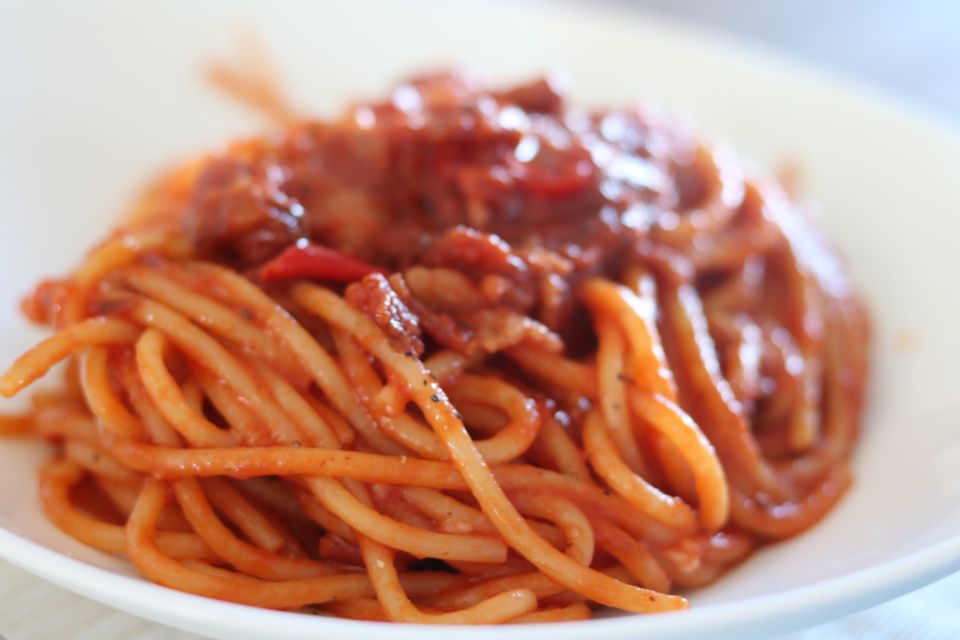
The class ends with a homemade dessert, followed by Italian coffee. It’s a simple touch, but it matters. It signals you’re not just paying for food you can buy. You’re getting a full Roman-style table moment, with a finish that feels like a home kitchen.
The other major take-home is documentation. You’ll receive notes for the recipes, and the class provides the exclusive recipes for traditional Roman dishes you crafted. That turns this from a one-time memory into something you can reproduce.
If you’ve ever tried to re-create pasta at home and ended up with a disappointing version, this is exactly what you want: you leave with guidance plus the muscle memory from doing it yourself once.
Who This Suits Best (and Who Should Skip It)
This class is a strong fit if you:
- want a hands-on Roman pasta experience in Testaccio
- enjoy learning cooking methods, not just eating
- like small group formats where you can ask questions
- want a meal plan that includes three courses, dessert, wine, and coffee
It’s also a smart choice if you’re planning a Rome trip focused on food culture. You’ll learn why these classics endure, because you’ll handle the dough and sauce work yourself.
If you have allergies, take the animal note seriously. It’s not suitable for people with animal allergies, and it’s not recommended for serious allergies to dogs and cats.
The good news: food restrictions are handled. The class can adapt for vegetarians and vegans using traditional Roman recipes. Gluten-free options are available for those with celiac, so you’re not stuck hoping the kitchen can improvise.
Price and Value: Is $105 Worth It?
At $105 per person for 3.5 hours, this isn’t a budget activity. But the pricing makes sense when you look at what’s included.
You get:
- fresh pasta-making instruction from scratch
- three classic Roman sauces (with you learning the methods)
- three pasta courses plus dessert
- drinks and wine, with unlimited wine and coffee
- recipe notes to take home
- a small group capped at 10
Many Rome food experiences charge similarly while giving you far less instruction. Here, the time is structured around learning, eating what you made, and leaving with repeatable recipes. For couples, solo travelers, and small friend groups, it’s also a social way to spend an evening without locking you into a restaurant schedule.
The value is highest if you’ll actually use the recipes again. If you just want a quick pasta meal with minimal work, you may feel the time cost more than the learning benefit. If you like cooking, though, this is one of the better “money turns into skills” picks in Rome.
FAQ
How long is the Testaccio pasta cooking class?
The duration is 3.5 hours.
What sauces do you learn to make?
You learn Cacio e Pepe, Amatriciana, and Carbonara.
Is this class a small group?
Yes. It’s limited to a small group of up to 10 participants.
Do you make pasta from scratch?
Yes. The experience starts with crafting fresh pasta from scratch.
What meals are included?
You’ll have 3 pasta courses, plus dessert.
Are drinks included?
Yes. Drinks and wine are included, and the experience highlights unlimited wine and coffee.
What languages are used during the class?
The instructor speaks English and Italian.
Can vegetarians or vegans join?
Yes. The menu can be adapted for vegetarians and vegans using traditional Roman recipes.
Is there a gluten-free option?
Yes. Gluten-free options are available for those with celiac.
Is the experience suitable if I have pet allergies?
It’s not suitable for people with animal allergies, and it’s not recommended for serious allergies to dogs and cats.
Should You Book This Testaccio Pasta Class?
If you want more than a meal and you like the idea of learning three Roman classics in the comfort of a real home kitchen, I think you should book it. The small group size, the three-sauce structure, and the included wine, coffee, dessert, and recipe notes make it a strong value.
Skip it only if animal allergies are a serious concern. If that’s not an issue, this is an easy yes for anyone who wants Rome through hands-on cooking and an evening that feels genuinely Roman.