REVIEW · ROME
Rome: Vatican Museums, Sistine Chapel Tour and Opt Basilica Entry
Book on Viator →Operated by Italy Wonders SRLS · Bookable on Viator
The Vatican feels like a maze until you have a plan. This tour lines you up fast for the Vatican Museums and Sistine Chapel, then, if you choose, continues into St. Peter’s Basilica. I especially like the practical flow that gets you toward the big highlights like the Gallery of Maps and Michelangelo’s ceiling, and the audio headsets that help you follow the guide’s stories. One thing to keep in mind: timing is strict, and the crowds can make it harder to hear in peak season.
You’re also not stuck wandering alone through Vatican City’s biggest sites. You get a small group (max 20), a guide with headsets, and staff on hand at the start so you can find your bearings fast. My main consideration is that the Basilica add-on comes with rules: it’s not available on Wednesdays and can be affected by religious events, and afternoon starts after 2:00 PM don’t include it.
In real terms, this is a “see the essentials with help” tour. The Vatican is famous, but it’s also huge, confusing, and packed, so value comes from moving efficiently and hearing what you’re looking at while you’re there.
In This Review
- Key Things to Know Before You Go
- Price and Value for a 2-Hour Vatican Plan
- Meeting Point: The One Spot You Must Get Right
- Vatican Museums: How You Get to the Highlights Without Wandering for Hours
- Gallery of Maps and the Upper Galleries
- Stanze of Raffaello (Raphael Rooms)
- Borgia Rooms and the Art of How the Church Thinks About Art
- Borgia Rooms
- Modern and Contemporary Galleries (Pope Paul VI Reference)
- Sistine Chapel: Your 10 Minutes of Michelangelo’s Ceiling
- What I’d do with your time in the Chapel
- St. Peter’s Basilica Upgrade: When It’s Worth It, When It’s Not
- Dress code and entry requirements
- Wednesday and religious holidays: the hard stop
- Afternoon and the 2:00 PM rule
- Jubilee Year and sudden limitations
- Vatican City Basics: The Tiny State Under a Huge Spotlight
- Crowds, Headsets, and the Reality of Hearing the Guide
- Headsets can help a lot
- But peak season can interfere
- Who This Tour Fits Best
- My Booking Advice: Should You Book This Tour?
- FAQ
- What is the duration of the tour?
- What does the tour cost?
- Is this tour offered in English?
- Does the tour include skip-the-line entry?
- Is St. Peter’s Basilica included?
- What is the dress code for the Vatican sites?
- Are late arrivals allowed?
- Do I need a photo ID?
- Are audio headsets provided?
- What is the maximum group size?
Key Things to Know Before You Go
- Skip-the-line entry for the Vatican Museums and Sistine Chapel saves real time in the busiest queues
- Headsets included so you can actually hear the guide’s explanations, especially in crowded galleries
- You control the timing with morning or afternoon departures that fit your day
- Optional St. Peter’s Basilica upgrade can add a lot of value, but it follows strict day/time rules
- A tight plan focuses on big rooms like the Raphael Rooms and the Borgia Rooms rather than trying to do everything
Price and Value for a 2-Hour Vatican Plan
At $74.37 per person for about 2 hours, this isn’t the cheapest way into the Vatican—but it can be one of the best ways to use your time. The biggest value driver is the included skip-the-line access to both the Vatican Museums and the Sistine Chapel. If you’ve ever watched lines crawl in Rome, you already know why paying for time matters here.
You’re also buying clarity. The guide provides headsets, and that isn’t just a “nice to have” when you’re in rooms full of noise, moving bodies, and echoing stone. Add in the small group size (up to 20), and you’re more likely to stay oriented than if you’re bouncing between rooms on your own.
The other value point is flexibility: you can pick a morning or afternoon start, and you can choose whether to upgrade to St. Peter’s Basilica. Still, you need to align your expectations with the schedule—this tour is built around the Museums and the Sistine Chapel first, with Basilica depending on timing and availability.
You can also read our reviews of more museum experiences in Rome



Meeting Point: The One Spot You Must Get Right
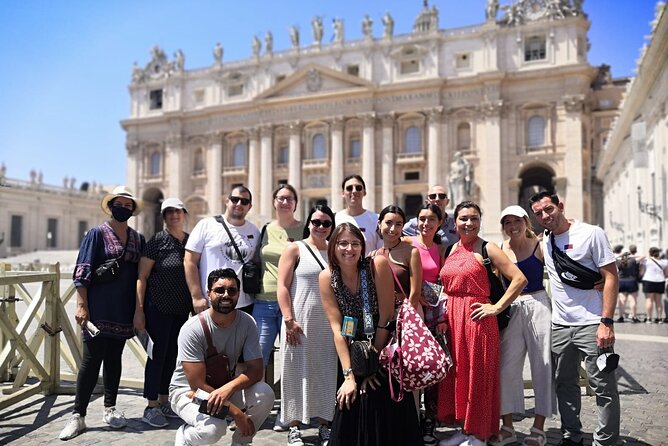
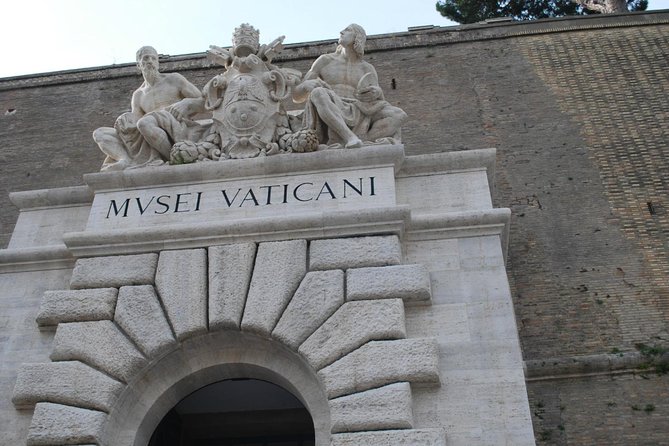
Your start is Via Vespasiano, 28, 00192 Roma RM, Italy, near the Vatican Museums. The tour meets opposite the Vatican Museums entrance, and there’s staff available to assist at the meeting point.
This matters more than it sounds because Vatican entry is scheduled and strict. Late arrivals may be denied entry and there are no refunds if you miss your start time. So I treat this like a flight: arrive early, not just on time.
In practice, the meeting area can be crowded and confusing, so plan for a little extra buffer. One recurring friction point is that waiting can feel awkward—if you need a bathroom or a place to sit, don’t count on a convenient setup right at the meeting point. I’d rather solve that before you arrive.
Vatican Museums: How You Get to the Highlights Without Wandering for Hours
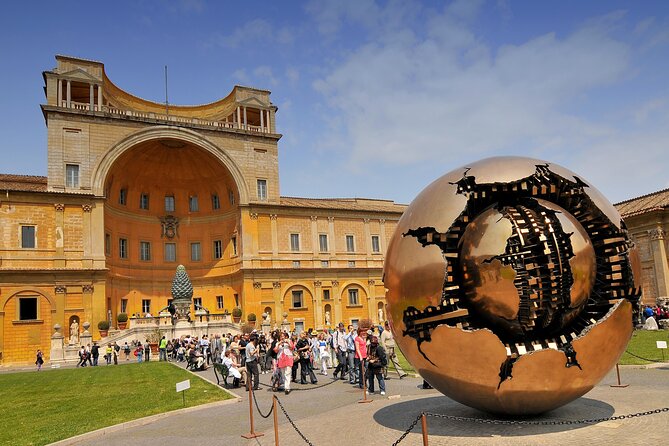
The tour begins in the Vatican Museums for about an hour. Instead of spending your precious time threading through everything, the route emphasizes the stops that most people come for—especially the rooms tied to Raphael and the famous map and decorative collections.
Gallery of Maps and the Upper Galleries
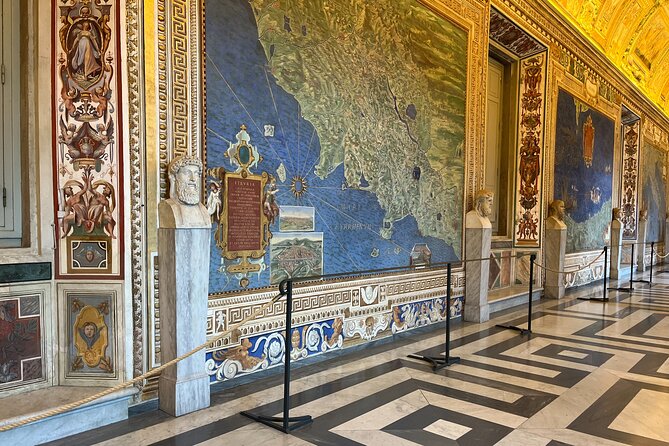
You’ll see the highlights early, including the Gallery of Maps, plus items from the Upper Galleries such as tapestries and candelabra. This is a smart approach. The Vatican Museums can overwhelm you fast, and the Gallery of Maps is one of those spots that rewards slowing down for a moment. Even if you’re not a museum person, it helps you understand what you’re surrounded by—this is not just art for art’s sake, but art tied to power, learning, and symbolism.
Stanze of Raffaello (Raphael Rooms)
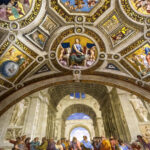
Then comes the Stanze of Raffaello, linked to Pope Julius II’s apartment. These rooms are where Raphael helped shape the visual world of the Renaissance—frescoes that feel both decorative and intensely narrative. For many first-timers, this is the moment where the tour stops being a checklist and becomes a story you can follow.
Drawback to watch for: with a small group you still move as part of a larger crowd ecosystem. In peak season, you may spend extra time on the security check and on collecting the required headsets, so the “skip the line” benefit is real—but it doesn’t remove every pinch point.




Borgia Rooms and the Art of How the Church Thinks About Art
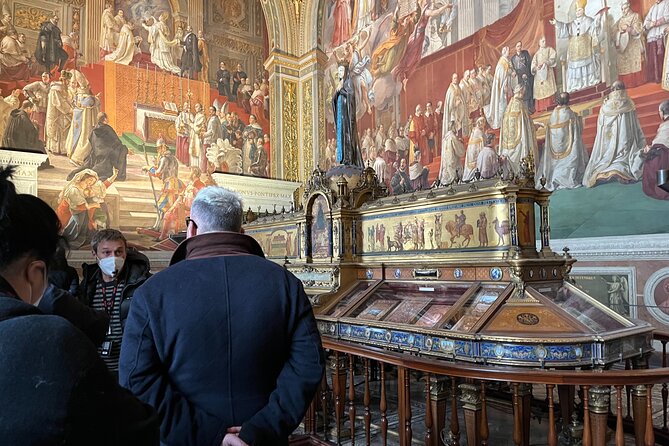
Your next museum segment runs about 40 minutes, focused on the Borgia Rooms and surrounding areas. These are papal apartments painted by Pinturicchio and his scholars, which gives the rooms a strong sense of workshop creativity—art made by teams under a shared vision.
Borgia Rooms
This stop is often where people who love “how it all connects” get a lot of satisfaction. You’re not only seeing famous names; you’re seeing a style of political and religious storytelling through imagery.
Modern and Contemporary Galleries (Pope Paul VI Reference)
After that, the tour includes the modern and contemporary galleries, tied to an homage to Pope Paul VI and the Church’s relationship with art, including a detail connected to him underlining that link in the Sistine Chapel.
This part can feel different from the Renaissance-first vibe, and that’s a plus. It nudges you to think about how the Vatican keeps creating meaning through art across centuries, not just in the famous “old masters” era.
Sistine Chapel: Your 10 Minutes of Michelangelo’s Ceiling
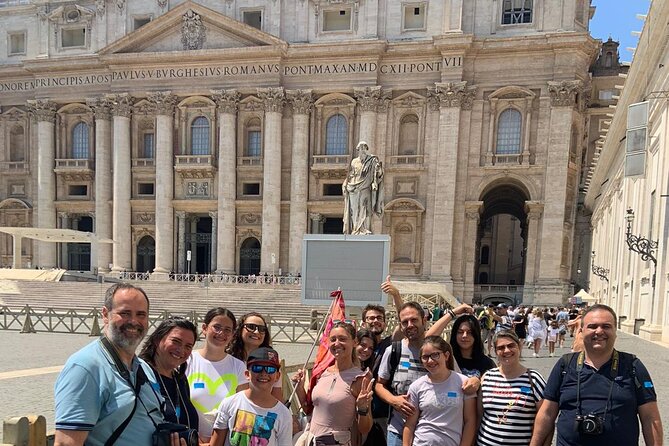
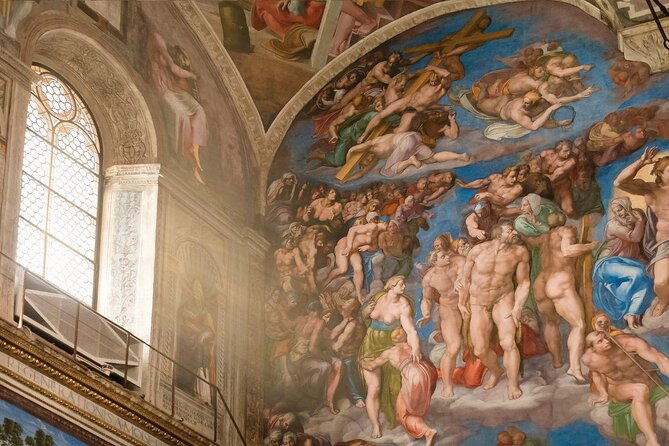
The Sistine Chapel stop is about 10 minutes. That number can sound short, but it’s actually realistic given how strict the flow is and how quickly the room becomes a one-way experience. This tour targets the core payoff: Michelangelo’s ceiling work—especially the scenes people can’t stop talking about, like the Creation of Adam and Eve.
What I’d do with your time in the Chapel
Even with limited minutes, you can make it count:
- Pause when you see a scene you recognize
- Look up first, not around
- Try to stay in a spot where you aren’t fighting the crowd surge
One note from the realities of this site: hearing the guide inside the Chapel can be challenging depending on where you are. If you’re sensitive to noise, you’ll still get value from the headset audio, but don’t expect perfect clarity in every moment.
Also, be aware that the Sistine Chapel can close without notice on rare occasions. If that happens, your guide will provide a tour of other sections of the Vatican Museums instead. That’s a built-in “plan B,” which is good to know before you rely on a single room.
St. Peter’s Basilica Upgrade: When It’s Worth It, When It’s Not
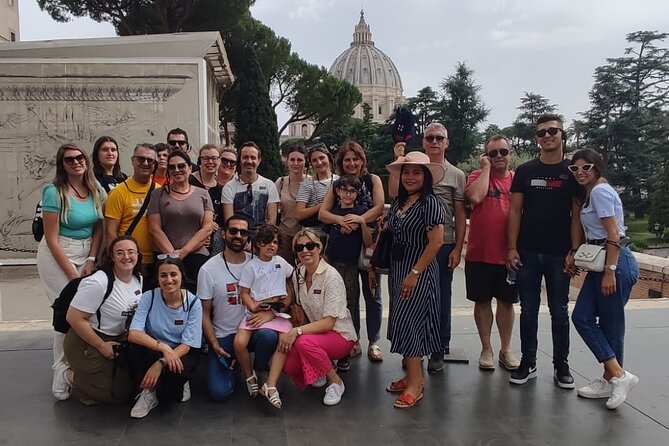
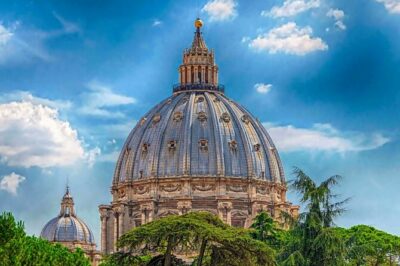
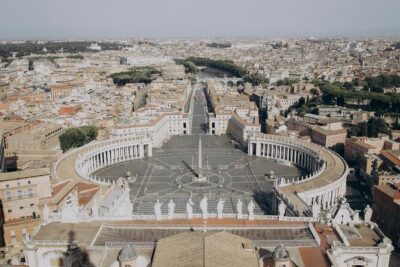
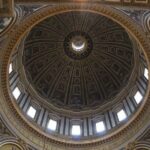
You can extend the experience with a St. Peter’s Basilica visit if you choose the upgrade. This is usually the big “wow” add-on because it’s the Vatican’s spiritual center and the square outside is iconic.
Dress code and entry requirements
Dress code is strict: shoulders and knees must be covered, and no shorts or sleeveless tops. This is not a suggestion. If you show up wrong, you can get turned away, which would ruin your whole day.
Wednesday and religious holidays: the hard stop
St. Peter’s Basilica remains closed on Wednesdays and during religious holidays. So if you’re traveling midweek, check your calendar before you commit to an upgrade.
Afternoon and the 2:00 PM rule
If your tour begins after 2:00 PM, it does not include Basilica entrance. That’s a key planning point. You can still visit on your own, but you won’t get the guided skip-the-line experience for the Basilica as part of this tour at those start times.
Jubilee Year and sudden limitations
Access to St. Peter’s Basilica may be limited at short notice due to religious events during the Jubilee Year. Translation: even if you upgrade, you might be affected by what’s happening that day.
From a value perspective, the upgrade can be excellent because it connects your day’s story: Renaissance art in the Museums and then the Basilica’s scale and sacred atmosphere. But you should treat it as conditional—not as a guaranteed “no matter what” final stop.
Vatican City Basics: The Tiny State Under a Huge Spotlight
One thing I like about ending your day near St. Peter’s is that you get a sense of what you’re standing on. Vatican City is its own sovereign territory under the Holy See. It became independent from Italy through the Lateran Treaty (1929), and it has a tiny area of about 49 hectares and a population around 825 people.
It’s the smallest state in the world by both area and population, and that contrast makes the experience feel even more intense. You’re in a place that’s geographically small but culturally enormous, where art and religion have been braided together for centuries.
Crowds, Headsets, and the Reality of Hearing the Guide
This tour runs with a maximum of 20 people, which helps. Still, Vatican Museums are crowded by nature, so your comfort depends on timing and your tolerance for moving through shoulder-to-shoulder spaces.
Headsets can help a lot
Headsets are included and designed to ensure you catch the guide’s stories and commentary. In most situations, that’s the difference between “I saw rooms” and “I understand what I just saw.”
But peak season can interfere
In peak season, security lines and headset collection can add time. And inside loud areas, you might find it harder to hear every word unless you keep near the guide and face the right direction. The fix is simple: don’t drift behind. Stay with the group.
Who This Tour Fits Best
This is a great match if:
- You want the Vatican highlights without turning your day into a navigation problem
- You appreciate a guided narrative, especially for Raphael and Michelangelo
- You’re traveling with limited time and want to make each stop count
- You like structured touring with a small group
It might be less ideal if:
- You need lots of free time in the Museums to wander slowly
- You hate tight timing (the Sistine Chapel time is limited)
- You’re depending on Basilica access without checking the day and start-time rules
My Booking Advice: Should You Book This Tour?
Yes, I’d book it if you’re prioritizing the big three: Vatican Museums, Raphael-linked rooms, and Sistine Chapel ceiling—and you want a realistic shot at also adding St. Peter’s Basilica. Paying for skip-the-line entry is often the smartest value move at the Vatican, especially when you’re trying to see this on a short Rome trip.
Before you click confirm, do two quick checks:
- Choose the timing that matches your Basilica plans. Wednesday and tours starting after 2:00 PM change the outcome.
- Dress appropriately for worship sites (knees and shoulders covered).
If you handle those, this tour can turn a chaotic day into a focused one—where you don’t just look up, you know what you’re looking at.
FAQ
What is the duration of the tour?
The tour runs for about 2 hours.
What does the tour cost?
The price is $74.37 per person.
Is this tour offered in English?
Yes, the tour is offered in English.
Does the tour include skip-the-line entry?
It includes skip-the-line ticket access to the Vatican Museums and the Sistine Chapel.
Is St. Peter’s Basilica included?
St. Peter’s Basilica access is included only if you select the optional upgrade, and it’s subject to rules like closures on Wednesdays and during religious holidays.
What is the dress code for the Vatican sites?
You must cover both shoulders and knees. No shorts or sleeveless tops are allowed.
Are late arrivals allowed?
No. Vatican Museums follow strict scheduled entry times, and late arrivals may be denied entry with no refund.
Do I need a photo ID?
Yes. A valid photo ID is required for mandatory security screening.
Are audio headsets provided?
Yes. Headsets are included so you can hear the guide clearly.
What is the maximum group size?
The tour has a maximum of 20 travelers.