REVIEW · ROME
Rome: Vatican Museums & Sistine Chapel Fun Tour
Book on Viator →Operated by Not boring tours · Bookable on Viator
One walk, two wow-factors, and a clock that actually matters. This Vatican Museums and Sistine Chapel tour focuses on the big highlights with a later start to dodge some of the worst crowds. You also get a guide-led look at what you’re seeing—so it isn’t just names on labels.
I especially love the 5:00 pm timing—it tends to feel calmer than the morning rush. I also like that the tour is small (max 19 people), which makes questions easier and keeps the pace from turning into a factory line.
The main drawback is simple: it’s short. You get about 1 hour 50 minutes in the museums and then only 15 minutes in the Sistine Chapel, and if entry runs late, that chapel time can get cut.
In This Review
- Key things to know before you go
- The value of a 5 pm Vatican tour (and why it works)
- Meeting at Via Santamaura 12: how to start smoothly
- Vatican Museums in 1 hour 50: what you actually get
- Sistine Chapel finale: short time, big payoff
- St Peter’s Basilica stories that change what you notice
- The guide makes or breaks it: Mike and Jason as examples
- Group size and pace: why a max of 19 matters
- Audio and headsets: what to expect inside
- Price and value: is $114.89 worth it?
- Who should book this tour
- Should you book? My practical call
- FAQ
- What time does the tour start, and where do I meet?
- How long is the Rome Vatican Museums and Sistine Chapel tour?
- Is the admission ticket included?
- Is the tour offered in English?
- How big is the group?
- Will I use a headset or audio system inside?
Key things to know before you go
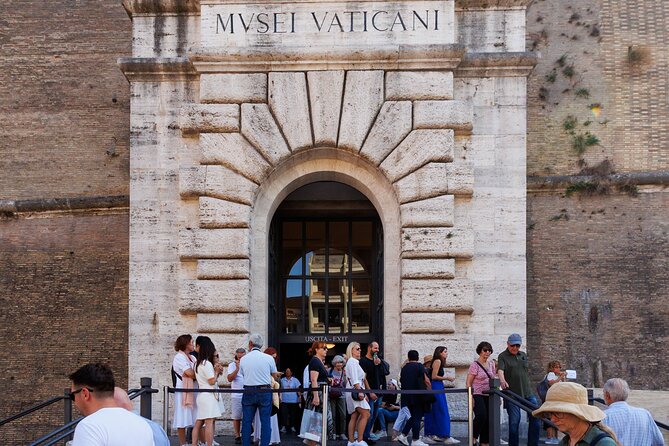
- Skip-the-line priority helps you avoid the worst queues at the Vatican Museums
- English guide and a headset/radio system inside (Vatican rules apply)
- Small group size (up to 19) makes it feel more like a conversation than a lecture
- You end at Michelangelo’s ceiling in the Sistine Chapel, so the finale is right where you want it
- St Peter’s Basilica is covered in the tour story (architecture and historical importance), even though your schedule is museum-focused
The value of a 5 pm Vatican tour (and why it works)
If you hate arriving at sunrise and shuffling through crowds, this late-afternoon start is one of the smartest ways to tackle the Vatican Museums. The schedule is tight enough that you feel you are doing something useful, but not so early that you’re fighting the heaviest morning pressure.
The other value is pacing. This tour is designed for highlights, not “see every corridor.” With about 2 hours 5 minutes total, you’re not trying to master the Vatican. Instead, you’re getting oriented—what to look for, what matters, and how the pieces connect.
For most people, that’s the sweet spot. You’ll leave knowing where to go next on your own time if you want more depth.
You can also read our reviews of more museum experiences in Rome



Meeting at Via Santamaura 12: how to start smoothly
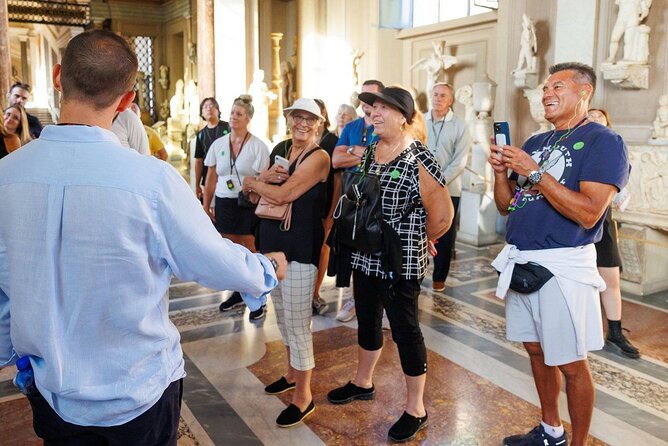
The meeting point is Via Santamaura, 12, 00192 Roma RM. The good news: it’s close enough to public transport that you’re not stuck on the far edge of nowhere. The tour starts at 5:00 pm.
Because this is a time-sensitive tour, I strongly recommend arriving a little early, not because the guide won’t be ready, but because Vatican-area security can slow everything down. One theme from guest feedback is that timing can be unpredictable due to security and crowd flow. Arrive with margin and you protect your experience.
Also, aim to stay with your group once you meet. Several experiences turned frustrating when a delay happened and guests felt they were left behind or rushing at the end. Your best move: treat the guide meeting time as a real appointment.
Vatican Museums in 1 hour 50: what you actually get
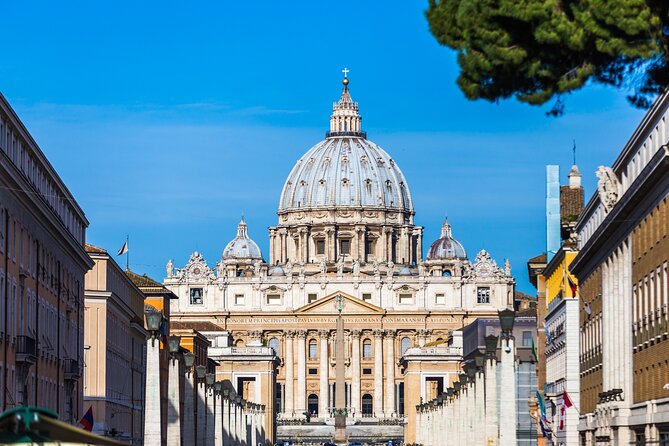
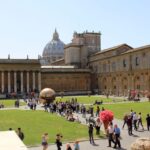
In the museums, your time is mostly about seeing the famous masterpieces and getting context fast. Your guide leads the route and shares what you’re looking at—art, symbolism, and how Vatican collecting shaped what you’re seeing today.
Even though the Vatican Museums cover more ground than most first-timers can comfortably handle, this format gives you two benefits:
1) You see the key stuff rather than wandering until your feet and attention both quit.
2) You understand what you’re looking at instead of speed-reading captions.
The best tours like this feel like a guided “greatest hits,” but with stories that make the visuals stick. In the feedback, guides such as Mike and Jason came up repeatedly for being engaging and for fielding questions patiently. That matters in a place where it’s easy to feel lost.
One consideration: “skip the lines” doesn’t mean “no lines.” It usually means you avoid the longest public bottlenecks. But security and entry flow can still create delays, and there have been days when people reported waiting close to an hour before getting into the museum. If you’re the type who gets stressed by uncertainty, build in that mental buffer.
Sistine Chapel finale: short time, big payoff
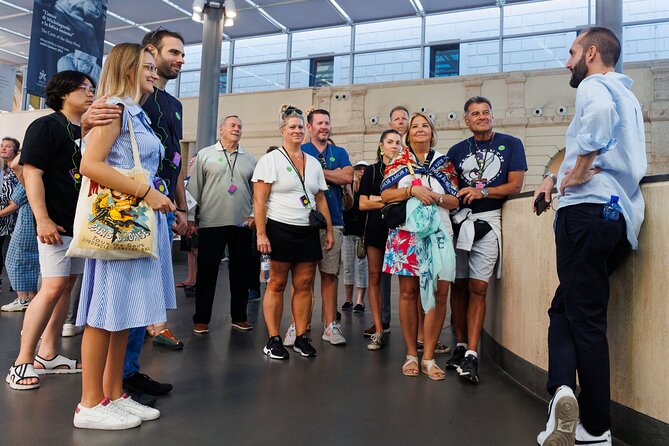
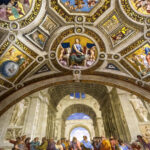
The tour’s final stop is the Sistine Chapel, with about 15 minutes scheduled there, and the experience ends at Michelangelo’s ceiling. That is exactly the right emotional finale: you don’t spend the whole trip staring at a map and then get to the Chapel too late or too tired.
But you need to go in with the right expectations. Fifteen minutes is not enough for a slow, study-every-panel visit. It’s just enough to see, absorb, and understand what you are actually seeing.
When things run smoothly, that capsule time feels purposeful. When the tour starts late or entry is delayed, that chapel window can shrink further and turn the experience into a sprint. If you really want extended time in the Sistine Chapel, think of this as your guided highlight moment—not your final word on the Chapel.
St Peter’s Basilica stories that change what you notice
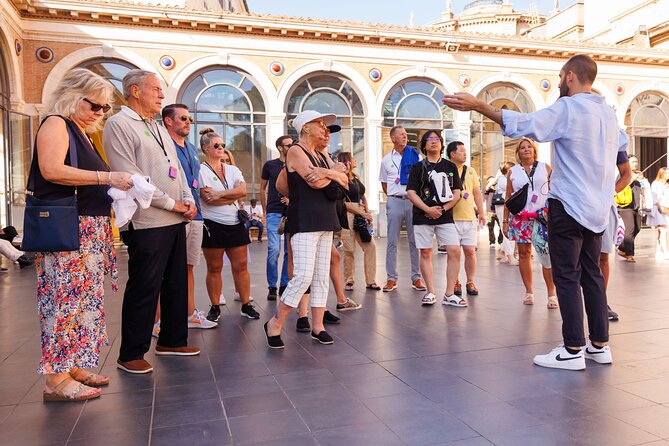
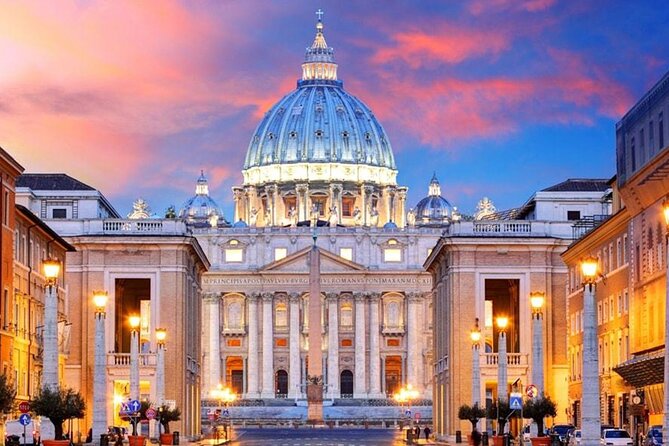
Even though your schedule is museum-heavy, you’re also told about St Peter’s Basilica—its architectural and historical significance. This kind of framing is more than trivia. It helps you connect the museum art to the larger Vatican story: power, faith, patronage, and the way architecture and images work together.
I like that the guide doesn’t treat it as separate “museum stuff” and “church stuff.” Instead, you get a through-line. You’ll walk out of the Vatican Museums feeling like you have the context to interpret what you saw.
It’s also useful because lots of first-timers only think in terms of art style. A good guide pushes you beyond that and shows you why these works were made, who commissioned them, and how they fit into the Vatican’s mission.




The guide makes or breaks it: Mike and Jason as examples
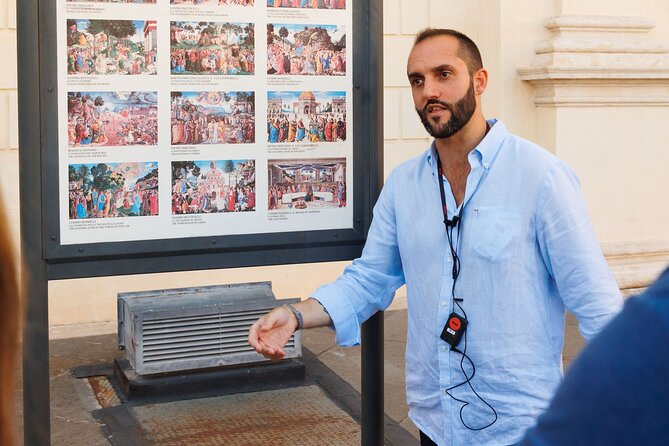
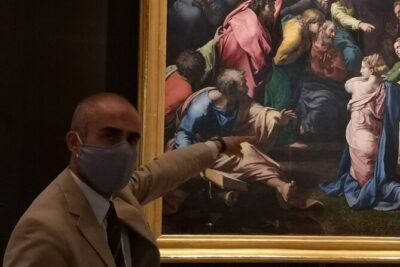
You’ll likely run into one of the guides who came up often in guest feedback. Mike was praised for being funny, engaging, and easy to follow, with lots of story-based context about the Popes and Rome’s church history. Jason also earned strong marks, including the sense that he stayed patient with the group and answered questions well.
Here’s the practical takeaway: short tours reward guides who can keep momentum without bulldozing. The best comments weren’t about memorizing dates. They were about how the guide made the art and the setting click—and how the guide created space for questions.
If you want the best experience, come ready with one or two questions. It can be as simple as what a symbol means, what to notice in a particular scene, or how one famous piece connects to Vatican history.
Group size and pace: why a max of 19 matters
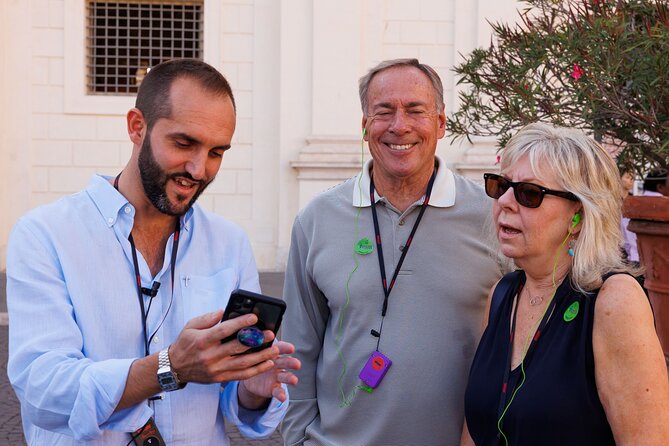
A maximum of 19 travelers is a big deal. In a place like the Vatican, crowded-group tours can become “look forward, don’t stop.” With a smaller group, you’re more likely to hear the guide clearly and to get answers without the whole line pausing.
Most people are happiest when the tour feels structured but not rushed. In feedback, guests who liked the tour often mentioned that it felt smooth, with little waiting at security on days when crowds were manageable.
That said, timing issues can still happen. One harsh theme in less positive experiences was a mismatch between expected entry time and actual time spent waiting. If you’re going on a peak day, you should expect the Vatican may throw the schedule off—especially around high-season travel spikes.
Audio and headsets: what to expect inside
Inside the museums, you’ll use Vatican-approved audio equipment as part of a guided system. Some guests reported that headsets didn’t fit comfortably and kept slipping, which can make listening harder. The key point is that the museum requires their radio system for guided tours, and alternatives aren’t allowed.
So if you have smaller ears or you’re picky about fit, mentally plan for minor adjustment. If the headset is uncomfortable, lean into asking the guide for help right away rather than waiting. Your goal is simple: hear the story while you still have attention.
Price and value: is $114.89 worth it?
At $114.89 per person for about 2 hours 5 minutes, the value hinges on one thing: how much the skip-the-line portion actually saves you.
This tour includes admission tickets, and it’s built around guided highlights. If the entry goes smoothly, you’ll feel you bought time and clarity—two things the Vatican charges for in its own way: time in lines and time lost wandering without context.
But if you hit delays at security, you might feel the price doesn’t match your actual viewing time—especially because the Sistine Chapel stop is only 15 minutes. In short: you’re paying for a guided shortcut plus expert interpretation, not for guaranteed zero waiting.
If you’re the type who would rather pay to avoid logistics stress, this price can make sense. If you’re the type who enjoys DIY exploration and doesn’t mind figuring things out on your own, you might decide to allocate your money differently.
Who should book this tour
This tour fits best if you want:
- A highlights plan in a short window
- A guide who explains what you’re seeing and keeps things lively
- A more relaxed feel than morning-start tours, especially with a 5 pm slot
It might not be your best match if you:
- Want lots of time for slow, gallery-by-gallery reading
- Get frustrated when schedules slip due to security flow
- Are hoping the Sistine Chapel visit will be long and unhurried
If you like structured experiences with room to ask questions, you’ll likely enjoy it.
Should you book? My practical call
Yes—if you can handle a short, guided “greatest hits” format and you’re booking for the 5:00 pm advantage. The biggest wins are the manageable timing, the small group size, and guides like Mike or Jason who can keep the Vatican Museums from feeling like a blur.
Book this tour when your priority is: see the essentials, understand what you’re seeing, and end the day under Michelangelo’s ceiling.
FAQ
What time does the tour start, and where do I meet?
The tour meets at Via Santamaura, 12, 00192 Roma RM, Italy and starts at 5:00 pm.
How long is the Rome Vatican Museums and Sistine Chapel tour?
The duration is about 2 hours 5 minutes.
Is the admission ticket included?
Yes. Admission is included as part of the tour for the Vatican Museums and the Sistine Chapel stops.
Is the tour offered in English?
Yes, it’s offered in English.
How big is the group?
The tour has a maximum of 19 travelers.
Will I use a headset or audio system inside?
You will use a Vatican-required radio/earpiece system for guided tours. Some people find the equipment uncomfortable, and alternatives aren’t allowed under Vatican rules.