REVIEW · ROME
Rome: Vatican Museum and Sistine Chapel Tour
Book on GetYourGuide →Operated by gids in rome · Bookable on GetYourGuide
One word: crowds. This tour trades the chaos for a smart, guided route through the Vatican Museums and into the Sistine Chapel. I like having a Dutch-speaking guide who can connect the objects to the people behind them, from popes’ cars to Michelangelo’s ceiling. You also get skip-the-line entry, so your energy goes toward art instead of waiting. One thing to consider: the timing can feel long if you’re traveling with kids, and the included headsets may not work perfectly in noisy spots.
I also appreciate the way the visit is structured. You move through major museum highlights, then hit the Sistine Chapel, then finish outdoors at Saint Peter’s Square with a clear path for what to do next. That flow helps you avoid the usual feeling of wandering from room to room with no plan. The route includes standout sights like the Carriage Gallery, the Gallery of Maps, and the walk through Scala Regia toward the Bronze Gate.
My only caution is practical: this isn’t a relaxed stroll. It’s a condensed highlights tour in about 3 hours, so you’ll want comfortable shoes and a dress code that’s ready to go.
In This Review
- Key highlights to look forward to
- Vatican Museums Skip-the-Line: Where the Value Really Shows
- Starting at Caffè Vaticano: The Simple Plan Before You Step In
- Museum Highlights That Actually Matter: From the Carriage Gallery to Maps
- Sistine Chapel Timing: Creation Story and Last Judgment, With Guidance
- Scala Regia and Bronze Gate: The Dramatic Exit Toward St Peter’s Square
- Saint Peter’s Square to St Peter’s Basilica: Do It Yourself, But Know the Path
- Price and Logistics: Is $130.28 a Good Deal?
- Dress Code and What You Can Bring: Small Rules, Big Impact
- Who Should Book This Tour (and Who Should Think Twice)?
- Should You Book This Rome: Vatican Museum and Sistine Chapel Tour?
- FAQ
- How long is the Vatican Museum and Sistine Chapel tour?
- Is there skip-the-line access?
- What language is the guide?
- Are headsets included?
- Does the tour include Saint Peter’s Basilica?
- Where do I meet the guide?
- What is the tour end point?
- What should I bring?
- What should I wear?
- What items are not allowed?
- Is the basilica free to enter?
Key highlights to look forward to
- Skip-the-line entry so you can get moving fast inside the Vatican complex
- Dutch-speaking guide who explains the big stories behind the big artworks
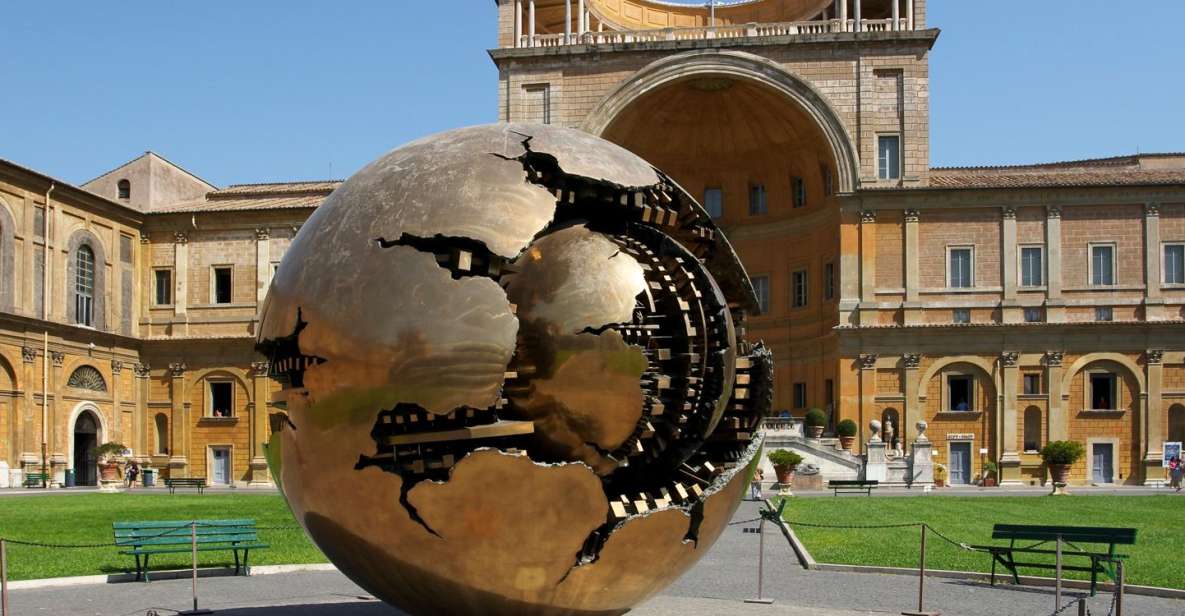
- A guided museum run featuring Carriage Gallery, Hall of the Animals, and the Gallery of Maps
- Sistine Chapel focus on Michelangelo’s Creation Story and the Last Judgment wall
- The dramatic exit route via Scala Regia and the Bronze Gate near the Swiss Guards
- A smart handoff at Saint Peter’s Square so you know how to continue on your own
Vatican Museums Skip-the-Line: Where the Value Really Shows
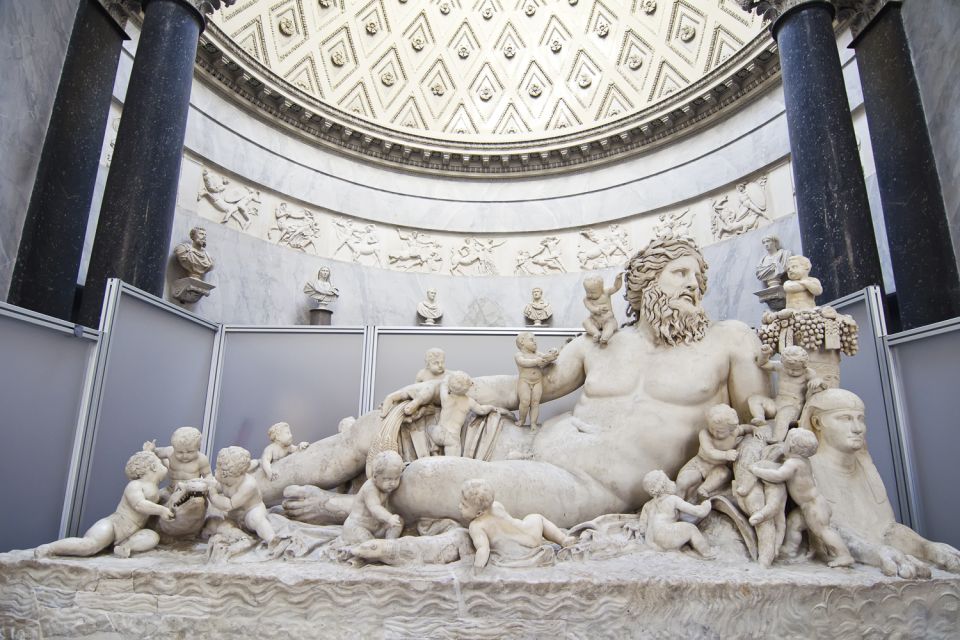
Paying about $130.28 per person for a 3-hour tour sounds steep until you think about what you’re actually buying: time and guidance. The Vatican is notorious for lines, and even when you have tickets, you can lose your day in queues. Skip-the-line access is the kind of “boring but priceless” perk that keeps your visit from turning into a test of patience.
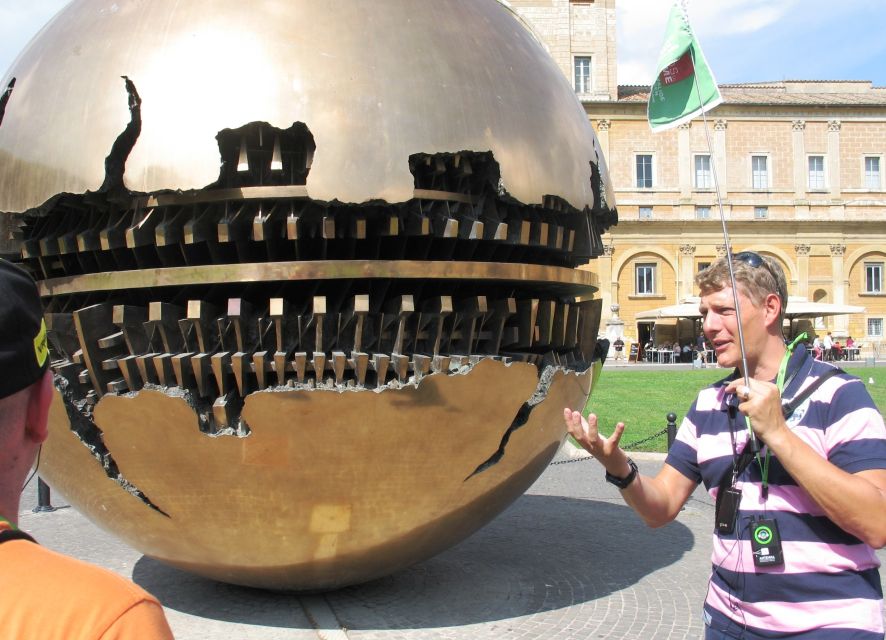
Then there’s the guide. Even if you have some museum knowledge, the Vatican can feel like a maze. A good guide does two jobs at once: they help you navigate, and they add meaning so you’re not just looking at famous names. With a Dutch-speaking guide, the experience is very much about listening and following a planned route, not floating around at your own pace.
Finally, the inclusion of headsets is a real quality-of-life upgrade. In large rooms with constant foot traffic, it’s hard to catch every word. Headsets let you hear your guide’s explanation without craning your neck or shouting over everyone.
One practical note: some people find headsets less clear depending on ambient noise and how the device sits. If you notice audio fading, it’s worth adjusting it early and staying on top of it during the noisiest segments.
You can also read our reviews of more museum experiences in Rome



Starting at Caffè Vaticano: The Simple Plan Before You Step In
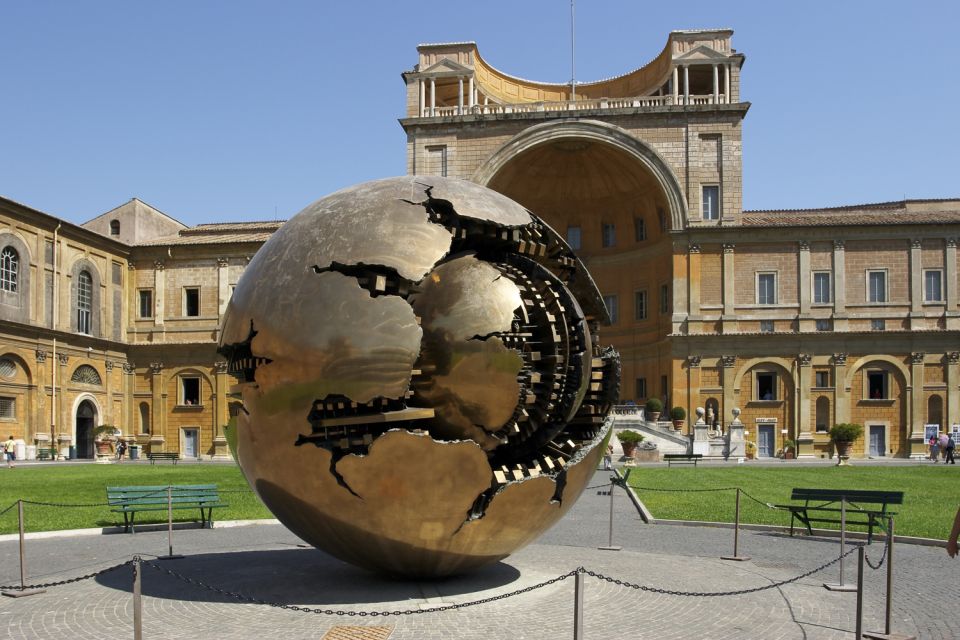
The meeting point is easy to locate if you arrive with a little buffer: Viale Vaticano 100, at the top of the steps next to Caffè Vaticano, opposite the Musei Vaticani entrance. Your guide will hold a sign with the tour operator’s name, which helps you avoid the usual “which line is mine?” confusion.
This matters because the Vatican area can be a little chaotic right before entry. Starting at a clear landmark helps you get calm fast. You can also use the moment to do the basics: check your ID, confirm your outfit fits the dress rules, and make sure your phone is ready for photos where allowed.
Come prepared for a lot of walking and standing. You’ll be moving through rooms in a guided sequence, not lounging in one gallery.
Museum Highlights That Actually Matter: From the Carriage Gallery to Maps
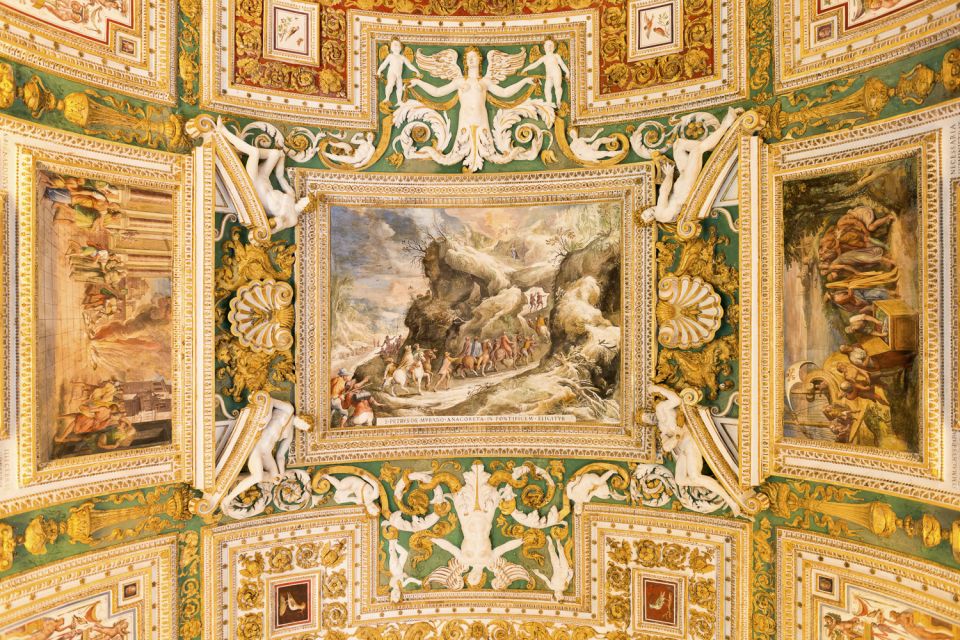
Your museum portion runs about 2.17 hours guided, and it’s built like a highlights playlist—major works plus a few “wow, how did they save this?” stops.
Here’s what you can expect to see, and why each one is worth your attention:
Carriage Gallery, also called the Garage of the Pope (Popemobile area).
This stop is a reminder that the Vatican isn’t just art—it’s living power and ceremony. Seeing the popemobile contextually helps you understand how modern papal tradition sits inside a palace of ancient and Renaissance prestige.
Staircase of Momo.
It’s one of those spaces where architecture does the talking. Even when you’re not staring at a single masterpiece, the Vatican’s layout affects how you experience everything else. A guided explanation makes the building feel less random.
Hall of the Animals.
It’s a change of pace from the heavy hitters. You get a sense of collecting and display as a mindset. If you like how museums tell stories through objects that don’t look related at first, this one keeps things interesting.
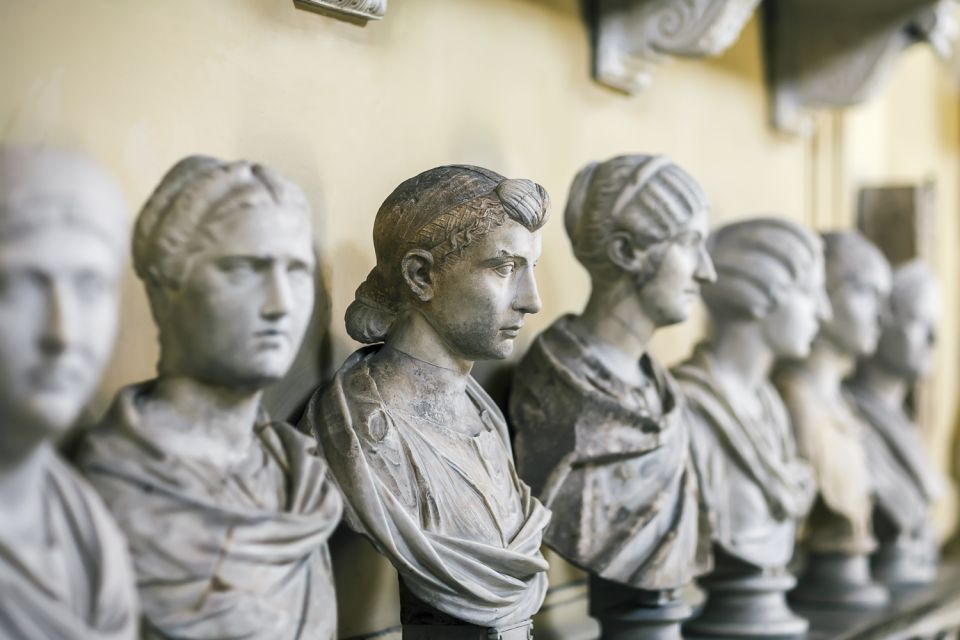
Laocoon Group and Torso of the Belvedere.
These are the kinds of classical works artists studied for centuries. You’ll likely spend time looking at how form, tension, and anatomy communicate emotion—even before you fully recognize the historical context.
Bath of Nero.
This is a “scale check” moment. It’s where the Vatican reminds you it’s wrapped around layers of Rome and empire, not just one tidy timeline.
Gallery of Flemish Tapestries (school of Rafael).
Tapestry is easy to underestimate until you see how it’s designed to be viewed like a wall-sized narrative. Even if you don’t know the details, you’ll feel the difference between fabric storytelling and painted storytelling.
Gallery of Maps.
This is often the emotional payoff of the museum route. It’s described as a standout, and I get why: it’s visual, detailed, and it gives you a sense of how geography, politics, and religious worldview were stitched together. It’s also a great breather stop. You can look up close and then step back to take in the big picture.
The value of doing these with a guide is that you’re not just scanning for famous titles. You’re learning what each space was for, how people saw it, and why it connects to the rest of the collection.
Sistine Chapel Timing: Creation Story and Last Judgment, With Guidance
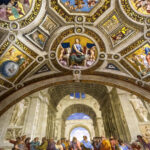
After the museums, the tour moves into the Sistine Chapel for about 20 minutes. That’s short on paper, but the chapel is one of those places where focus matters more than lingering. You’ll want the time you have to land on what you came for.
Your guide’s job here is especially important. The chapel can feel overwhelming because it’s all at once: ceiling narrative, side details, and the altar wall beyond your first line of sight. With guidance, you’re more likely to understand what you’re looking at instead of just recognizing it by reputation.
The two big works you’ll be anchored on are:
- Michelangelo’s Creation Story on the ceiling, with more than 300 figures across a ceiling area of more than 500m²
- The Last Judgment on the altar wall, painted years later and completed in 1541
You’ll also hear the context that this is where the Conclave takes place. Even if you’re not picturing the modern ritual, knowing that this space holds political and spiritual drama makes the artwork feel more immediate.
A practical reality: the chapel has rules and crowds, and the experience depends on staying respectful and using your time smartly. If your neck tires, that’s normal. The ceiling is the point.
Scala Regia and Bronze Gate: The Dramatic Exit Toward St Peter’s Square
Exiting is part of the story here. Instead of leaving the Vatican Museums in a bland line, you come down via the imposing Scala Regia and reach the Bronze Gate.
That transition is more than scenic. It changes your tempo. Inside, you’re digesting art and explanations. Outside, you suddenly understand scale: the Vatican’s power sits in stone and perspective.
At the Bronze Gate, you can stand eye-to-eye with the Swiss Guards. It’s one of those “stop and look” moments that feels very different from the quiet museum vibe. It’s also a photo moment, if photography is allowed where you are.
Then you end in Saint Peter’s Square, with guided time of about 30 minutes. This is a good length for orientation. The square can feel like a lot of space—your guide helps you interpret what you’re seeing instead of treating it like a random open plaza.




Saint Peter’s Square to St Peter’s Basilica: Do It Yourself, But Know the Path
Once the tour finishes in Saint Peter’s Square, your guide points you toward the metal detectors so you can explore Saint Peter’s Basilica on your own.
Entrance is free, and you enter through the Porta Santa. That’s a key detail because it affects how you move and where you’ll land inside. If you’re planning to see the basilica, this handoff is a big deal. Without it, you might spend your free time figuring out where to go next.
One more practical tip: if you want the view from the dome, plan for it. The advice here is to buy your ticket on the spot at the ticket office. That’s helpful because it keeps options open based on the day’s conditions.
And here’s the best part of the “guided then self-paced” structure: you get the storytelling for the main must-sees, and then you can choose your own pace for the basilica area.
Price and Logistics: Is $130.28 a Good Deal?
Let’s talk value honestly.
You’re paying for three things:
- Skip-the-line tickets
- A professional Dutch-speaking guide
- Headsets to make the explanation actually usable
Skip-the-line access alone can be worth it if you know you’ll otherwise lose time standing around. The guide then turns the Vatican from famous rooms into a connected experience—Carriage Gallery to Maps to Sistine Chapel, not random wandering.
Headsets help you hear the guide even when the crowd noise is high. That said, one review flagged that the headset experience wasn’t always optimal and that the guide’s voice could be hard to catch through ambient sound. My practical takeaway: if you rely on audio clarity, keep adjusting your headset position early and don’t be shy about asking if something feels off.
For comfort and enjoyment, also factor in that you’re doing a concentrated route. If you’re the type who wants to stop and stare for long stretches, you might feel a little rushed. But if you want to see the core highlights and get meaningful context quickly, the price makes sense.
Dress Code and What You Can Bring: Small Rules, Big Impact
This tour is inside religious spaces with clear dress expectations. For ladies: no bare shoulders, and if you wear shorts or skirts, they should go to at least the knee. For men: shorts should also reach the knee, or wear long pants.
Other rules that affect your day:
- Sleeveless shirts aren’t allowed.
- No large bags or luggage.
- No pets.
- No weapons or sharp objects.
- No smoking.
- Flash photography isn’t allowed.
What to bring:
- Passport or ID card
- Comfortable shoes
- Sunglasses
- Camera
These details matter because you don’t want to waste time at the entrance dealing with refusals or storing items. Having the right outfit and no oversized bag keeps the tour smooth.
Who Should Book This Tour (and Who Should Think Twice)?
This tour is a strong fit if you want:
- A guided highlights path through Vatican Museums
- A focused Sistine Chapel experience centered on Creation and Last Judgment
- Help navigating exit routes like Scala Regia and the Bronze Gate
- A clear way to transition to Saint Peter’s Basilica afterward
It’s less ideal if:
- You’re traveling with kids who may struggle with a longer guided pace. The museum portion plus chapel and square time can feel like more than they can handle.
- You’re someone who has mobility limits. This tour is not suitable for people with mobility impairments.
- You’re extremely sensitive to audio issues. Headsets are included, but clarity can vary in loud environments and with how the headset sits.
If you’re a first-timer to the Vatican, this type of structured tour is usually the easiest route. You’ll see the main masterpieces, get the stories behind them, and leave with a sense of what to explore next.
Should You Book This Rome: Vatican Museum and Sistine Chapel Tour?
My practical verdict: yes, book it if you want the most efficient way to experience the Vatican Museums and Sistine Chapel with an expert Dutch-speaking guide. Skip-the-line access plus headset support makes a real difference here. The route through Carriage Gallery and Maps to the Sistine Chapel is a smart sequence, and the exit via Scala Regia and the Bronze Gate helps you feel the place instead of just ticking off rooms.
But think twice if you’re bringing very young kids, need a slower pace, or you’re worried about audio clarity. In those cases, consider whether you’ll be happier with a more flexible plan—or be ready to take breaks where possible.
If you go in with comfortable shoes, a dress code ready, and a willingness to follow the pace, you’ll come away understanding why these artworks still command attention centuries later.
FAQ
How long is the Vatican Museum and Sistine Chapel tour?
The tour duration is about 3 hours, with the Vatican Museums portion guided for about 2.17 hours, the Sistine Chapel visit around 20 minutes, and Saint Peter’s Square guided time around 30 minutes.
Is there skip-the-line access?
Yes. You get skip-the-line tickets so you can avoid standing in line at the entrance.
What language is the guide?
The guide is Dutch-speaking.
Are headsets included?
Yes. Headsets are included.
Does the tour include Saint Peter’s Basilica?
No. The tour ends in Saint Peter’s Square, and your guide shows you the way to the metal detectors so you can visit the basilica on your own.
Where do I meet the guide?
Meet at Viale Vaticano 100, at the top of the steps next to Caffè Vaticano, opposite the entrance of the Musei Vaticani. The guide holds a sign with the tour operator’s name.
What is the tour end point?
The activity ends at Saint Peter’s Square, and the tour ends back at the meeting point area.
What should I bring?
Bring your passport or ID card, comfortable shoes, sunglasses, and a camera.
What should I wear?
Dress for church rules: no bare shoulders. For ladies with shorts or skirts, they must reach at least the knee. For men, shorts must reach at least the knee or wear long pants. No sleeveless shirts.
What items are not allowed?
Pets are not allowed, as well as weapons or sharp objects, smoking, luggage or large bags, sleeveless shirts, and flash photography.
Is the basilica free to enter?
Yes. Entrance is free, and you enter through the Porta Santa.