REVIEW · ROME
Rome: Vatican Museum and Sistine Chapel Skip-the-Line Tour
Book on GetYourGuide →Operated by Walks of Italy · Bookable on GetYourGuide
The Vatican feels like a maze until you have a plan. This guided skip-the-line route gets you into the Vatican Museums fast, then keeps momentum through the Sistine Chapel and on toward St. Peter’s. I especially like how the guide ties what you see to clear stories, and how you get a focused highlight run instead of aimless wandering in a place that can eat your whole day. The main thing to consider: it’s a short tour in a huge complex, so if you love to linger, you’ll need to accept a brisk pace.
Expect strict entry rules and tight movement through crowds. Even with headsets and a smart route, you’ll be moving with a group for most of the 3 to 3.5 hours, so comfy shoes and a prepared mindset matter.
In This Review
- Key things I found most useful
- Why this skip-the-line Vatican plan feels smarter
- Meet-up points and what to do the moment you arrive
- Vatican Museums: a highlight route that doesn’t try to do everything
- Courtyards and sculpture stops you can actually picture later
- Gallery time: maps, plans, and why Vatican art feels political
- Raphael Rooms: the Renaissance shift you’ll feel immediately
- Sistine Chapel: what to listen for before you look up
- St. Peter’s Basilica via groups-only access (and when it’s not included)
- Headsets and crowd reality: what makes the experience smooth (or not)
- Price and value: what you’re really paying for at $79
- Who this tour suits best (and who should think twice)
- The guide factor: why the reviews lean so positive
- Should you book this Vatican Museums and Sistine Chapel skip-the-line tour?
- FAQ
- How long is the Rome Vatican Museums and Sistine Chapel tour?
- Where does the tour meet?
- What sites are included in the tour?
- Is St. Peter’s Basilica always included?
- What should I wear and bring?
- What items are not allowed?
- Is this tour wheelchair or stroller friendly?
- What happens if the Sistine Chapel to St. Peter’s access passage is closed?
- Is the Sistine Chapel affected during the Michelangelo preservation project in 2026?
Key things I found most useful
- Skip-the-line entry into the Vatican Museums and timed entry flow that saves real time
- A standout mix of big names and “you’ll-remember-this” sculpture and courtyard stops, like Apollo and Laocoön
- Sistine Chapel prep from your guide so you know what you’re looking at before you look up
- Guided time in major galleries, plus 45 minutes to take in the Sistine Chapel on your own
- Headsets included, which usually make the tour easier in a noisy crowd
- St. Peter’s Basilica is included via a groups-only access path, but not on the latest start times
Why this skip-the-line Vatican plan feels smarter

The Vatican Museums are famous for two things: world-class art and brutal lines. This tour’s core value is that you don’t spend your precious morning or afternoon standing still. Instead, you’re ushered into the galleries quickly, then guided through a route designed to hit major works without turning every minute into a “where are we?” moment.
I also like the structure. You get guided context in the rooms that matter most, then a real chance to stand back in the Sistine Chapel for 45 minutes. That balance—story first, time second—helps you actually notice details you’d otherwise miss when your brain is overwhelmed by sheer scale.
You can also read our reviews of more museum experiences in Rome



Meet-up points and what to do the moment you arrive
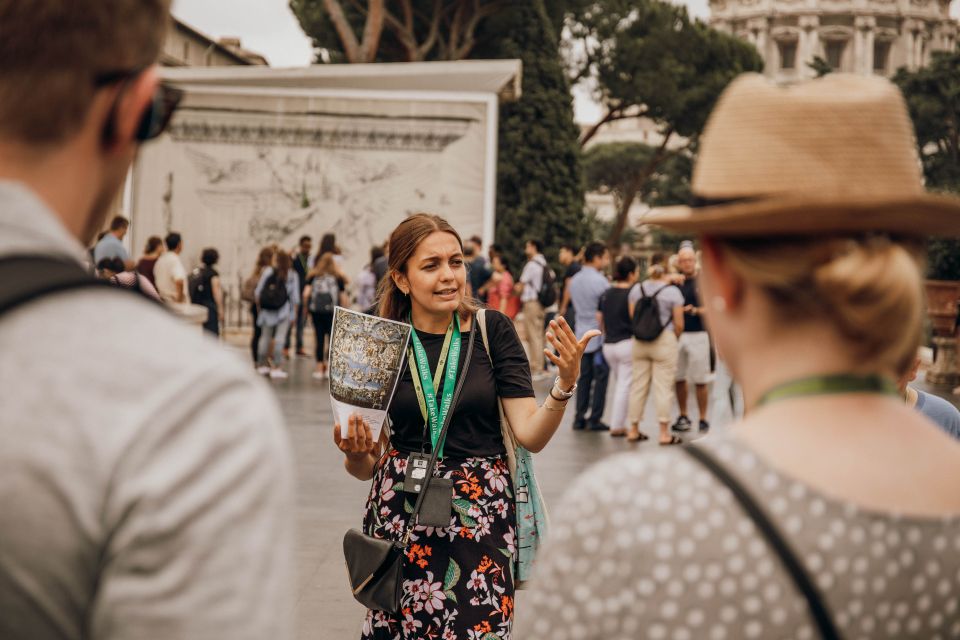
You meet at Antico Caffè Candia, Via Candia 153 until February 28, with your guide holding a green Walks sign. From March 1 onward, the meeting point changes to Touristation Cappella Sistina, Viale Vaticano 95.
Before you go inside, double-check your basics. You’ll need your passport or ID, wear long pants and a long-sleeved shirt, and plan to avoid anything not allowed like shorts, sleeveless tops, short skirts, umbrellas, drinks, weapons, or large bags. This isn’t just about politeness—it’s about keeping the group moving and avoiding delays.
Vatican Museums: a highlight route that doesn’t try to do everything
In the Vatican Museums, your time is limited, so this tour chooses the pieces you’ll want to see when you’re done. The guided portion starts with roughly 1 hour in the museum route, then flows straight into more focused stops.
Here’s the big reason this works for most people: the Vatican Museums are massive, and self-guided visits often turn into random circuits. With a guide and a set route, you get a practical sampling of the museum’s best-known moments plus a few stops that help you understand the art and architecture as a system, not just scattered masterpieces.
Courtyards and sculpture stops you can actually picture later
After the initial museum entry, the tour hits key “reset points” in the complex—places where you can regroup visually and mentally.
You’ll spend time around the Belvedere courtyard, including Apollo Belvedere and the Laocoön group. This is a smart inclusion. Michelangelo’s world isn’t only frescoes and churches; it’s also about sculpture traditions that pushed realism, movement, and emotion long before the ceiling paintings. Even if you’re not a sculpture expert, these works are easier to appreciate when your guide tells you what to look for (angles, drama, and why these forms mattered).
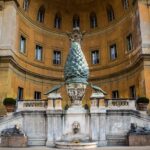
Then you move through the Pinecone Courtyard and other galleries such as the Gallery of the Candelabra. The point of these stops isn’t just “see something famous.” It’s also pacing. In a place like this, short breaks of visual variety help you stay attentive so the big finale lands better.
Gallery time: maps, plans, and why Vatican art feels political
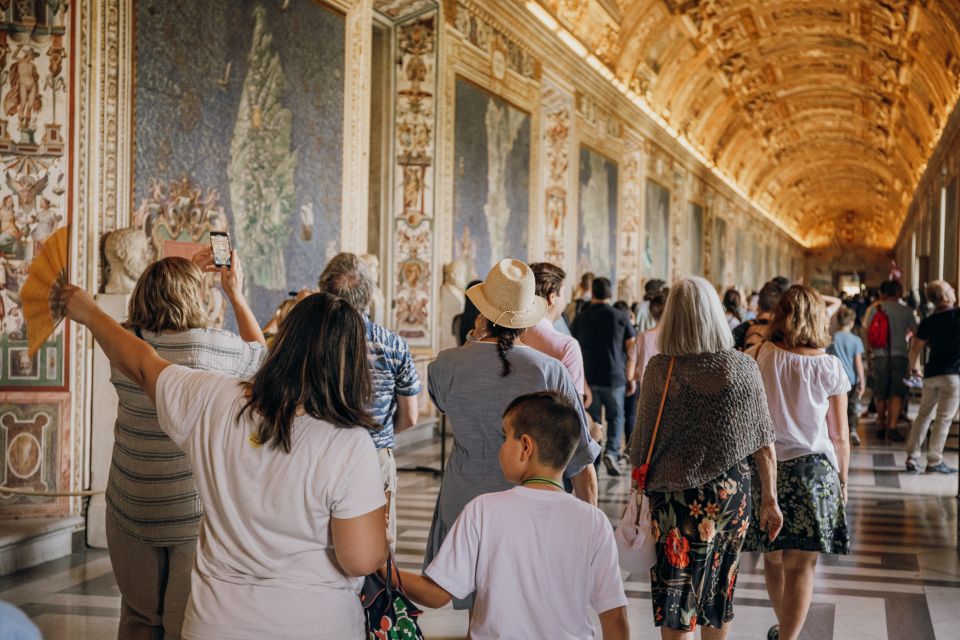
Two of the standout museum stops are the Gallery of the Maps and the Gallery of the Candelabra. Even if you don’t think you like maps, this kind of gallery tends to click once someone explains the context. It helps you see how the Vatican didn’t just collect art for art’s sake—it used imagery to frame worldview, power, and learning.
The same logic applies to the rest of the galleries on the route. They’re arranged to give you a sense of how knowledge was displayed, how elite patrons wanted history to be seen, and how artists worked within those expectations.
One more practical detail: this tour is built to keep you moving efficiently from room to room. That’s good news in a museum where “wandering” can quietly become “wasting time.”
You can also read our reviews of more tours and experiences in Rome
- Skip-the-Line Group Tour of the Vatican, Sistine Chapel & St. Peter’s Basilica
★ 4.5 · 12,779 reviews


Raphael Rooms: the Renaissance shift you’ll feel immediately
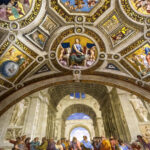
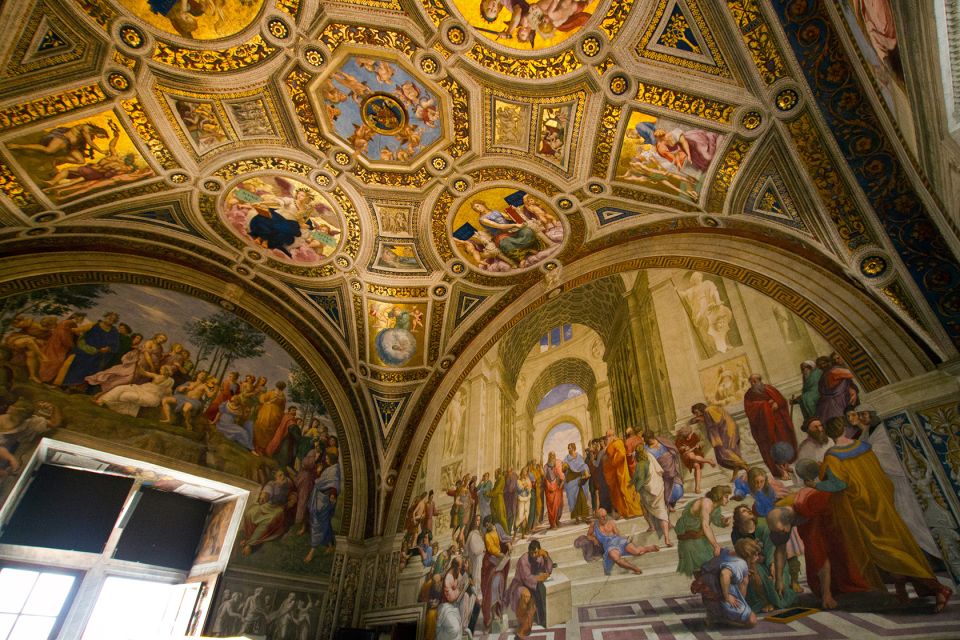
You’ll get time in the Raphael Rooms, with about 30 minutes of guided viewing. This is one of those areas where the experience can change depending on how your brain is coping with the museum crowds. The guide’s role here matters: you don’t just watch paintings—you get help recognizing what you’re looking at and why the scenes were designed the way they were.
If you’ve ever felt “I saw a lot, but I remember nothing,” this is where the tour helps you break that pattern. The guide’s explanations give you mental hooks you can carry into the Sistine Chapel.
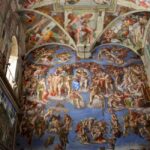
Sistine Chapel: what to listen for before you look up
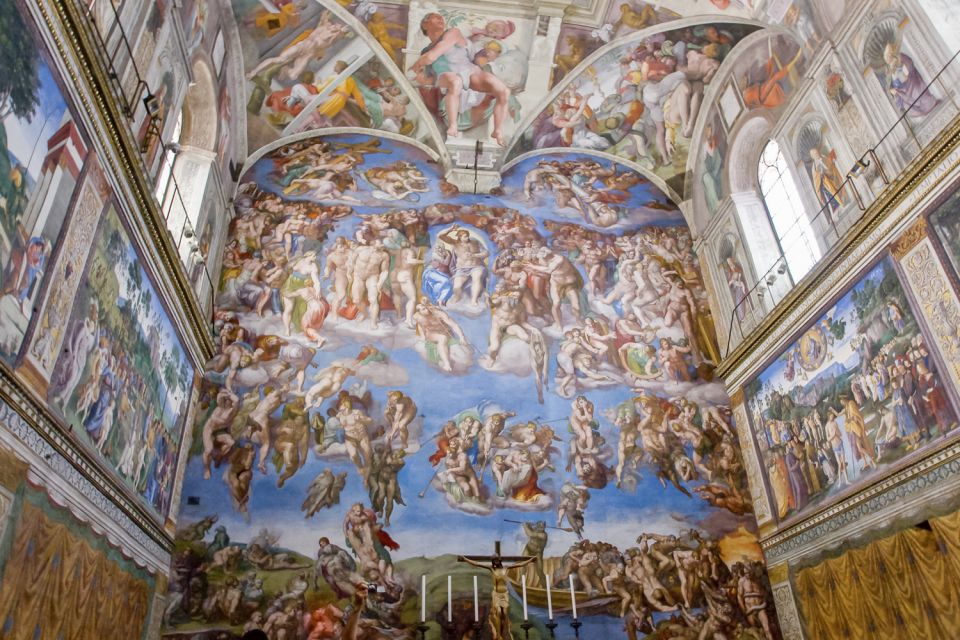
The Sistine Chapel is the emotional center of the Vatican visit, and the tour treats it that way. Before you enter, your guide gives you stories behind the frescoes and helps you understand the meaning. That prep is a big deal. When you know the basic themes and the artist’s intent, the ceiling stops being just stunning and becomes legible.
Once inside, you get guided time plus 45 minutes of free time. That combination is exactly what you want here. The guide helps you notice major elements, then you have room to slow down and take in the full majesty.
The tour also includes pointed detail spotting—like Michelangelo’s self-portrait and the colorful backstory about how he handled conflict with people at the Vatican. You’ll likely never see the chapel the same way after hearing those specifics.
St. Peter’s Basilica via groups-only access (and when it’s not included)
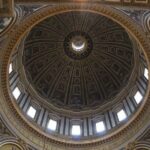
After the Sistine Chapel, you exit through a special groups-only passage into St. Peter’s Basilica and skip the long line outside. Your guided time inside St. Peter’s is about 30 minutes, with your guide pointing out key treasures and sharing how the church’s construction evolved over roughly 120 years.
Important catch: St. Peter’s Basilica is not included on tours starting at 4:00 pm and 4:15 pm. If you choose a later start time, you might see a different final package, so double-check before you lock in your slot.
Also note the passage can be closed on Wednesdays and may close for other unexpected reasons. On those days, you’ll get a more in-depth visit of the museums instead, and the special access won’t happen.
Headsets and crowd reality: what makes the experience smooth (or not)
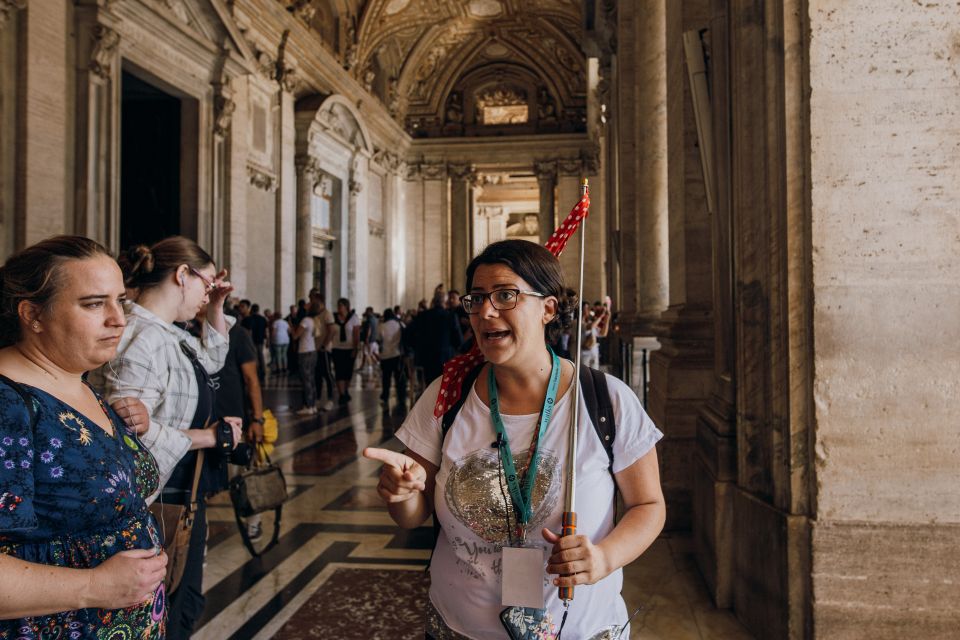
This tour includes headsets, which is a practical lifesaver in the Vatican. In many guides’ hands, headsets make the difference between hearing a few words and catching the full story thread while you walk.
That said, one review concern did pop up: in at least one case, the guide could be hard to hear through the headphones. If sound quality matters to you, treat the headset like part of your outfit—ask for help right away if anything feels off.
Crowds are also real. Even with skip-the-line access, you’re still moving through security and busy galleries. In tighter moments, small group pace can slow if someone in the group needs extra time (bathroom breaks, getting stuck, or straying). This is one reason the “private or small groups” option can feel worth it—you trade a bit of convenience for more control over your day.
Price and value: what you’re really paying for at $79
At $79 per person for about 3 to 3.5 hours, you’re paying for three things that are hard to replicate on your own.
First is time. Skip-the-line entry in the Vatican is not a “nice-to-have.” It’s the difference between spending your limited daylight inside versus watching people shuffle.
Second is context. The guide role is the difference between seeing masterpieces and understanding what you’re seeing—especially in the Raphael Rooms and in how the Sistine Chapel themes connect.
Third is structure. You get a route that’s designed for high impact without turning into a full-day ordeal. If you have limited time in Rome, this short, well-directed plan often feels like the best value—not the cheapest plan.
One caution: a few people felt it was expensive for what they got. If you’re the type who loves to wander slowly and you already know a lot about Vatican art, you may feel the guide time is less necessary. But if you want a clear hit list with meaning, the price starts to make sense fast.
Who this tour suits best (and who should think twice)
This tour fits you if you:
- Want to see the Vatican Museums and Sistine Chapel without spending your day stuck in lines
- Enjoy learning while you travel, especially with a guide who can explain art in a way that sticks
- Prefer a guided highlight route instead of building your own route in a complex maze
It may be a mismatch if you:
- Need a slow, open-ended pace (this is a short, focused tour)
- Have mobility constraints, wheelchair needs, or use a stroller (this tour isn’t suitable for those situations)
The tour also has a few rules that shape who feels comfortable: dress code is enforced, and you can’t bring drinks or large luggage.
The guide factor: why the reviews lean so positive
One of the most praised parts of this experience is the guiding. Names that came up repeatedly include Marco C., Sabina, Gigi, Enza, Fabio, Mauro, Christina, Barbara, Luigi, and Jeb. People consistently praised guides for strong storytelling, humor, and making the art feel connected instead of distant.
If you end up with one of those guides—or a guide with a similar style—you’ll likely feel the tour’s pacing more than the length. That’s the magic: when the guide keeps your attention, you don’t just “get through” the Vatican Museums. You actually take it in.
Should you book this Vatican Museums and Sistine Chapel skip-the-line tour?
I think you should book if you want a smart, high-impact Vatican visit in a half-day window. The skip-the-line entry, the guided route through major galleries, and the Sistine Chapel prep plus 45 minutes to absorb it on your own add up to a practical value.
Choose carefully if you’re very sensitive to sound quality through headsets, you hate crowds even with guidance, or you’re hoping for a long linger-and-stroll style visit. Also double-check your start time if you specifically want St. Peter’s Basilica included—late starts (4:00 pm and 4:15 pm) don’t include it.
FAQ
How long is the Rome Vatican Museums and Sistine Chapel tour?
It runs about 3 to 3.5 hours.
Where does the tour meet?
Until February 28 it meets at Antico Caffè Candia, Via Candia 153 (guide holds a green Walks sign). From March 1, it meets at Touristation Cappella Sistina, Viale Vaticano 95.
What sites are included in the tour?
You visit the Vatican Museums and the Sistine Chapel, and you also go to St. Peter’s Basilica. St. Peter’s Basilica is not included for tours starting at 4:00 pm or 4:15 pm.
Is St. Peter’s Basilica always included?
No. It’s excluded on the 4:00 pm and 4:15 pm tours.
What should I wear and bring?
Bring a passport or ID card, wear long pants and a long-sleeved shirt. You should not wear shorts, short skirts, or sleeveless shirts.
What items are not allowed?
Shorts, weapons or sharp objects, luggage or large bags, short skirts, sleeveless shirts, drinks, and umbrellas are not allowed.
Is this tour wheelchair or stroller friendly?
No. It is not suitable for guests with mobility impairments, wheelchair users, or strollers.
What happens if the Sistine Chapel to St. Peter’s access passage is closed?
The passage is closed on Wednesdays and may close other times. When that happens, you’ll get a more in-depth tour of the Museums, and the special access won’t be used.
Is the Sistine Chapel affected during the Michelangelo preservation project in 2026?
The Sistine Chapel stays open, but Michelangelo’s Last Judgment fresco will be temporarily covered by scaffolding between January 12 and March 31, 2026.