REVIEW · ROME
Rome: Trevi Fountain and Navona Square Underground Tour
Book on GetYourGuide →Operated by The Voyager · Bookable on GetYourGuide
Rome looks different once you go underground. I love how the tour pairs classic postcard Rome with real below-street archaeology, especially the Stadium of Domitian and the Trevi underground water story. One thing to think about: this is still a walking tour with only a couple of descents, so if you want a mostly-underground experience or you get uneasy in tight spaces, this may not fit.
You start at the Spanish Steps area near the Acqua di Parma store, and your guide carries a lollipop with The Voyager logo—an easy way to spot the group. I also like that you get audio help and headsets for larger groups, so you don’t have to crane your neck across crowds.
In This Review
- Key Points I’d Prioritize Before You Go
- Spagna Square Start: Meeting Point and How the Morning Flows
- Barcaccia Fountain to Trevi Fountain: The Wish, Then the Roman Water System
- What to watch for
- Trevi’s Underground Water World: Vicus Caprarius and the City of Water
- Rotonda Square Break and the Pantheon View
- Piazza Navona Above and Below: Quattro Fiumi and the Stadium of Domitian
- Drawback to keep in mind
- Price and Value: Is $93 Worth 2.5 Hours?
- Language, Pace, and the Group Reality
- Who This Tour Fits Best (and Who Should Choose Another Plan)
- Should You Book This Rome Trevi and Navona Underground Tour?
- FAQ
- How long is the Rome Trevi Fountain and Navona Square Underground Tour?
- Where do I meet my guide?
- What languages are available for the tour?
- What’s included in the price?
- Is food included?
- Is the tour suitable if I’m claustrophobic or have mobility issues?
Key Points I’d Prioritize Before You Go
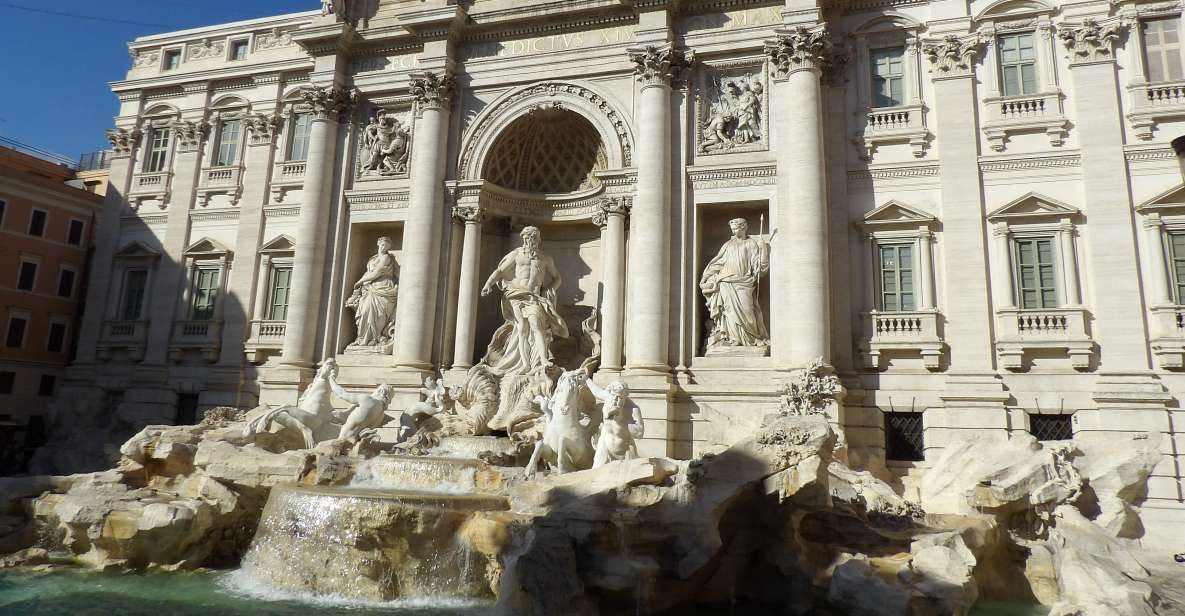
- Two underground stops that actually change the pace: Trevi’s water archaeology and Piazza Navona’s Stadium of Domitian are the main ticket.
- Trevi is more than a coin and a view: you’ll move through the domus aqueduct area and connect the fountain to how water worked in Roman times.
- Piazza Navona becomes a layered site: you’ll see the Quattro Fiumi Fountain on top, then go down about 5 meters to understand what sat underneath.
- A smart walking route between big landmarks: Barcaccia Fountain, Rotonda Square, and the Pantheon all fit into the flow.
- Choose your comfort level carefully: it’s not suitable for people with mobility impairments, wheelchairs, or claustrophobia.
Spagna Square Start: Meeting Point and How the Morning Flows
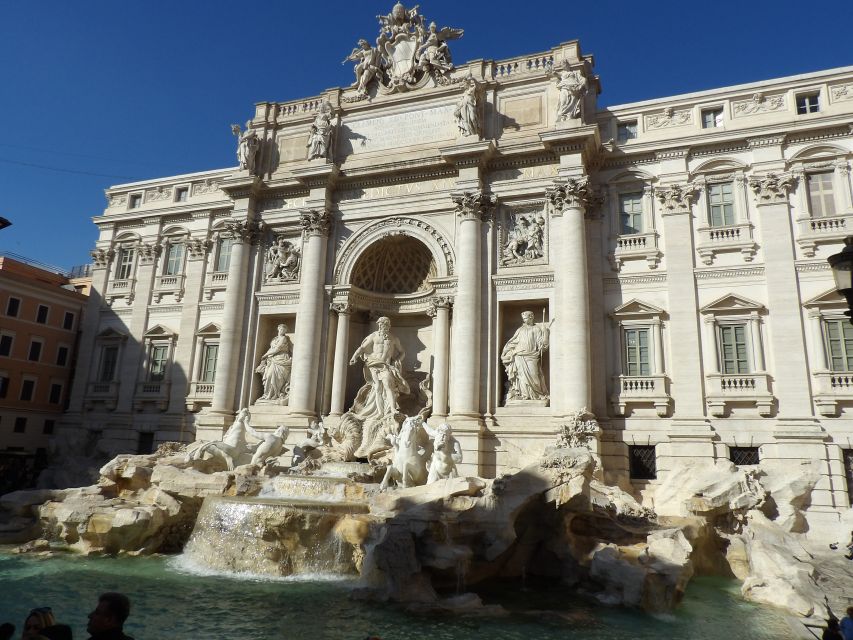
The tour begins at the Spanish Steps in Piazza di Spagna, near the Acqua di Parma store. Your guide will have a lollipop with the Voyager logo, which sounds silly until you’re standing in a busy square and trying to find your exact group.
From there, you’ll shift from “Rome sightseeing mode” into “Rome decoding mode.” The route is built around moving through the city’s most famous squares while the guide ties each place to its older systems—especially water and the ways Romans staged public life. That contrast is why this tour works: you don’t just look at monuments, you learn how they functioned.
It’s also a true walking experience. Wear comfortable shoes and plan for steady movement. And because it runs rain or shine, you’ll want clothes that handle damp weather without turning your day into a slog.
You can also read our reviews of more tours and experiences in Rome.



Barcaccia Fountain to Trevi Fountain: The Wish, Then the Roman Water System
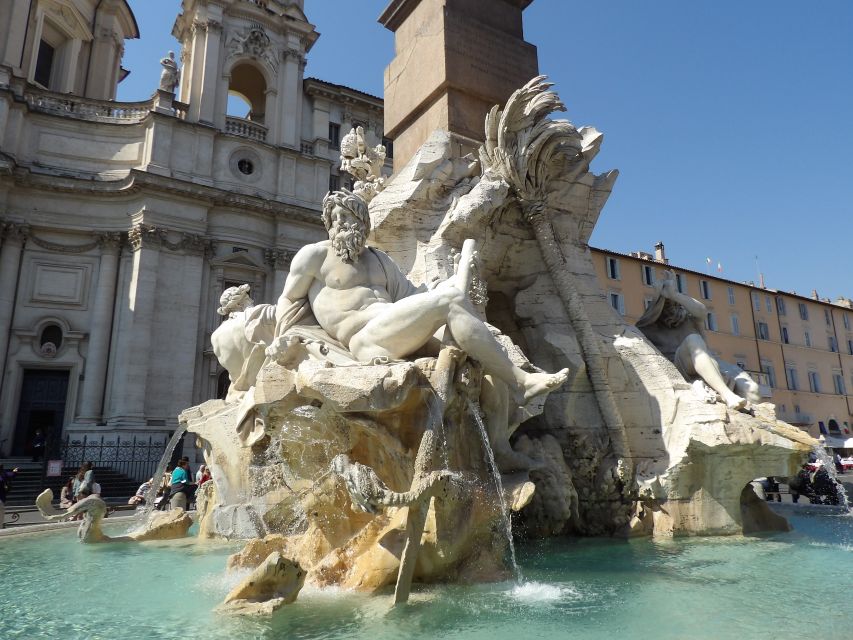
Most Rome tours stop at Trevi and call it a day. This one gives you the coin moment and then pays attention to what’s going on underneath—literally.
You’ll start at Bernini’s Barcaccia Fountain and then head toward the iconic Trevi Fountain. The wish-throwing moment is part of the fun, and it helps you treat Trevi as more than a photo spot. It’s a ritual that still matters, even though you’re about to look at the place through a technical, ancient lens.
From Trevi, the tour moves toward the “hidden features” area by passing through the domus aqueduct. That detail matters because it changes your mental map. You stop seeing Trevi only as a Baroque showpiece and start seeing it as a visible endpoint of a bigger Roman water story. You’ll learn about how water ran through ancient structures and how that connects to what you’ll see underground next.
What to watch for
Trevi is popular, so the atmosphere can be loud and crowded. The tour includes an audio guide and headsets for larger groups, which helps a lot when you’re standing close to the fountain while trying to hear the explanation.
Trevi’s Underground Water World: Vicus Caprarius and the City of Water
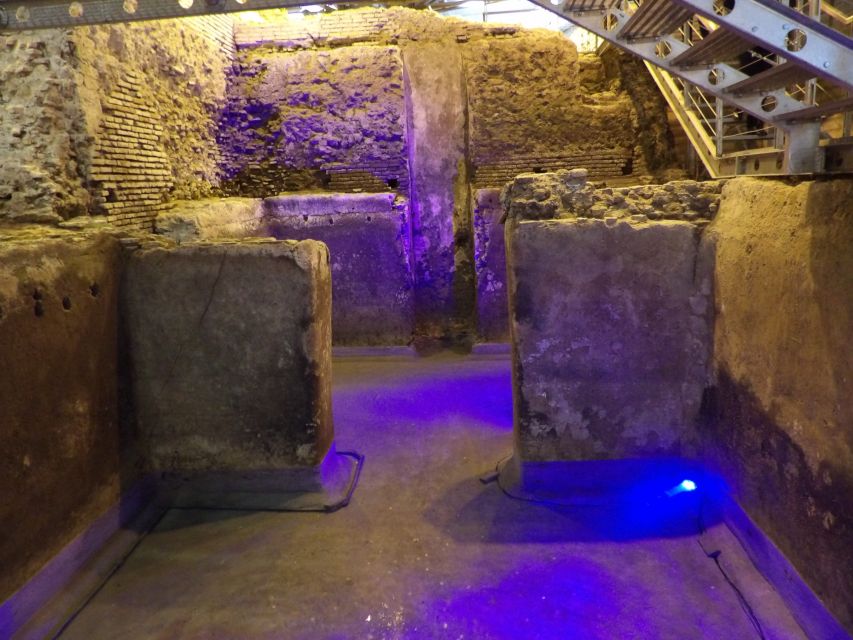
This is the part I’d call the heart of the experience: the descent tied to the idea of a City of Water.
After you pass through the domus aqueduct area, you go below street level to the Vicus Caprarius archaeological space. The focus here is practical and human: how water flowed, how it was managed, and how that system shaped daily life in Rome. You’re not just looking at stones; you’re learning the logic behind why the site exists at all.
The guide also connects what’s happening aboveground (the fountain’s water) to what you can see below. You’ll learn how the water that feeds Trevi’s fountain filters through the ancient masonry. That kind of explanation turns the underground visit into something you can remember later, because you understand the cause-and-effect instead of collecting random facts.
During the excavation, you’ll encounter findings like amphorae (ancient Roman jars) and coins. The presence of everyday containers and small valuables gives the site a grounded feel. It stops being purely monumental and becomes more like a real lived-in Roman space that just happened to survive long enough for archaeologists to uncover.
Rotonda Square Break and the Pantheon View
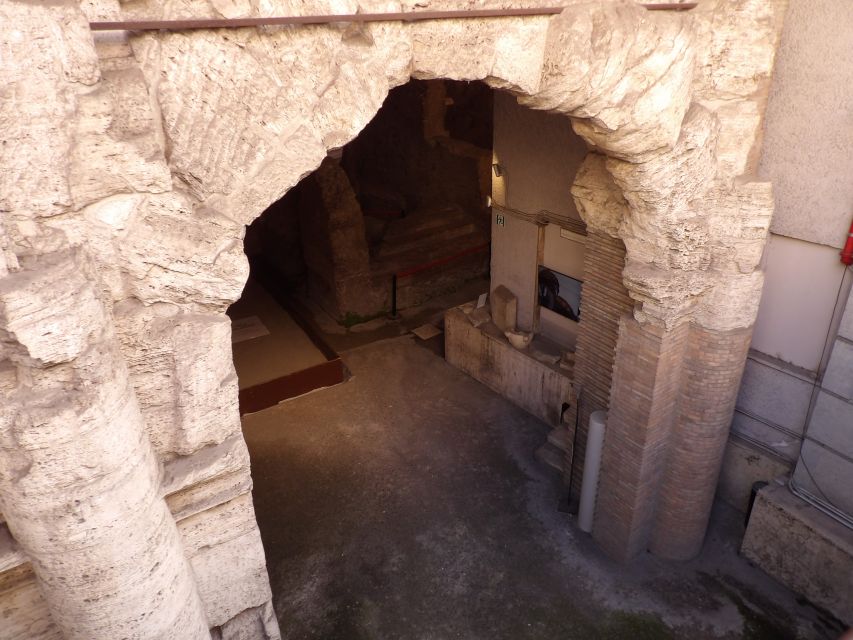
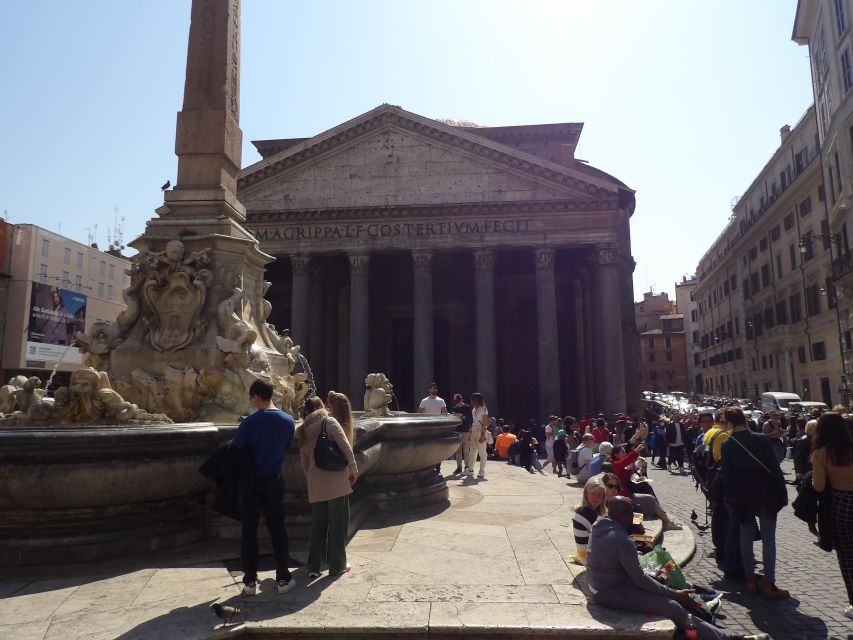
You surface again and head to Rotonda Square to see the Pantheon. This isn’t just a photo stop; it’s a palate cleanser after the underground water work.
I like this sequencing because the tour gives your brain time to reset. Underground archaeology can feel intense—facts, stone, damp air, and the sense of being in a different world. Then the Pantheon shows you a landmark that’s famous for a different kind of achievement: Roman engineering and design on the surface.
Even if you’ve seen the Pantheon before, the timing here helps. You’ve just been learning about Roman systems. Looking at the Pantheon afterward feels less like sightseeing and more like continuing the theme of Roman construction skills—just expressed above street level.






Piazza Navona Above and Below: Quattro Fiumi and the Stadium of Domitian
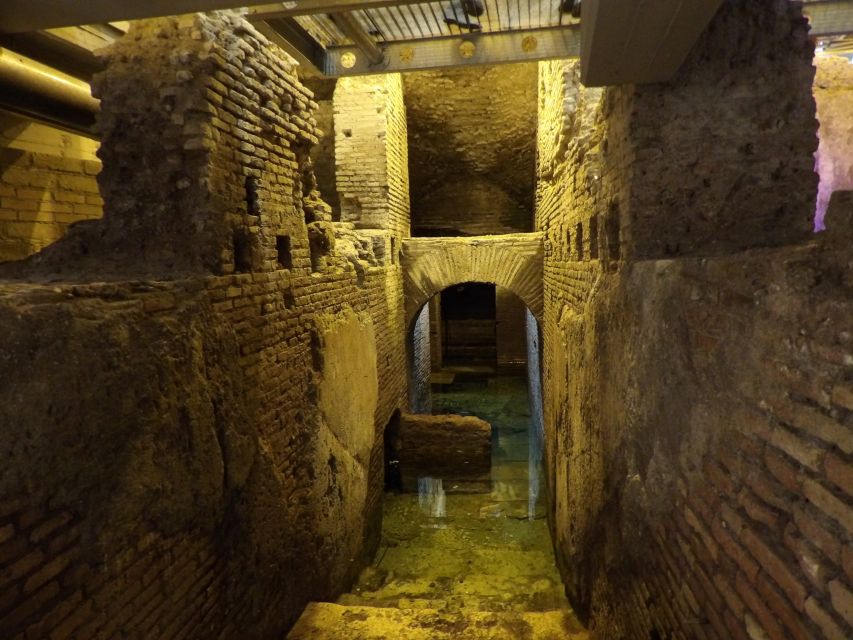
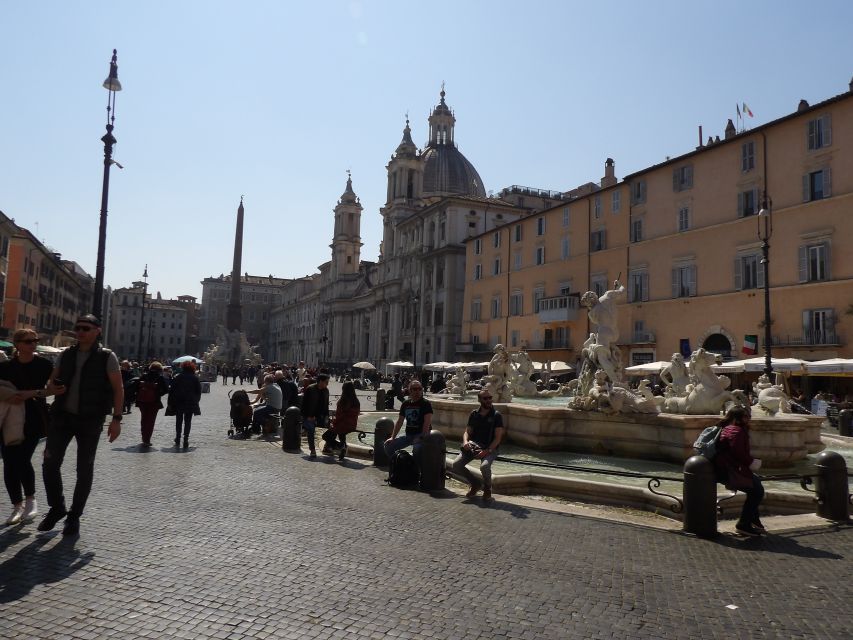
Next comes Piazza Navona, where the showpiece is the Quattro Fiumi Fountain, also known as the Fountain of the Four Rivers. Standing there, it’s easy to think you’re just surrounded by Baroque art.
Then the tour reminds you: that’s only the top layer.
You’ll descend about 5 meters below street level to explore the Stadium of Domitian. Going underground here changes the story. Instead of a square that happens to look beautiful, you get the sense of a different kind of city space—one built for public events and competition. The guide explains the development of the site into the modern square, and you’ll also hear how the ancient Roman sports scene evolved.
What makes this stop especially satisfying is the contrast. You can look around Piazza Navona on top, then literally look down into what it replaced. That kind of perspective is hard to get on your own without a guide connecting the layers for you.
The tour also rounds off with artifacts from Roman Empire excavations. Those finds help tie the Stadium stop together into something more complete—less like a random hole in the ground and more like a coherent archaeological chapter.
Drawback to keep in mind
Even though the underground parts are the headline, you’re still walking between major squares. If your plan is to spend every minute underground, this tour will likely feel like a balanced mix rather than an all-access subterranean marathon.
Price and Value: Is $93 Worth 2.5 Hours?
At $93 per person for a 2.5-hour tour, you’re paying for three things: a tight route through top landmarks, guided interpretation, and the fact that you’re going underground to specific archaeological spaces.
Here’s what you’re getting that justifies the price for many people:
- A local guide who connects each square to what’s under it (water systems at Trevi, public life at Domitian).
- Audio guide in English and Italian, plus headsets when groups are larger, which makes a big difference in crowded Rome.
- Skip-the-ticket-line included, so you’re not losing your limited time to queues.
- Two underground visits that are the difference-maker versus a typical walking loop.
What you’re not getting is time-saving in the sense of a long, slow exploration. It’s structured and relatively quick. If you love detailed self-guided wandering, you might want to spend extra time on your own after the tour. But if you like your Rome with clear explanations and you want the underground element handled for you, the value is solid.
Food isn’t included. Bring a plan for later—either a meal after the tour or a snack before you go, especially if you start feeling hungry once the sightseeing rhythm kicks in.
Language, Pace, and the Group Reality
The tour runs with a live guide in English or Italian, and the audio guide is also available in English and Italian. That’s great when everything matches.
One thing to watch is your own expectations around language. Since the live guide language can vary, double-check that you’re booked for the right language option for your comfort. The audio guide helps, but it’s still best when you’re getting the live explanation in the language you prefer.
Pace-wise, it’s built for an active walking schedule. You’ll be moving between major squares, standing for fountain views, and then descending into underground spaces. You’ll also want to keep your bag situation simple—no luggage or large bags are allowed—so plan to travel light.
Also: it’s not suitable for people with mobility impairments, claustrophobia, or wheelchair users. If any of those apply, skip this one. The underground descents and the nature of archaeological access make it a poor fit.
Who This Tour Fits Best (and Who Should Choose Another Plan)
This tour is a strong match if you want:
- Iconic Rome squares with context (not just pictures).
- Real archaeological interpretation tied to Rome’s water and public spaces.
- A guided route that gets you to Trevi’s underground features and the Stadium of Domitian without you having to figure out the connections yourself.
It’s also a good fit for families and mixed groups when the guide is prepared to handle different attention spans. One guide named Michele stood out for handling teenagers well and for offering serious understanding of the Trevi underground story—exactly the kind of mix that keeps a group engaged.
Choose a different experience if you:
- Need a completely barrier-free route.
- Have claustrophobia and know you won’t feel comfortable during underground sections.
- Prefer a tour that is mostly underground or mostly quiet. This one is designed around a walk-and-explain structure.
Should You Book This Rome Trevi and Navona Underground Tour?
I’d book it if your must-do list includes Trevi Fountain and Piazza Navona, but you also want the under-street explanations that make those places feel deeper. The combination of Barcaccia and Trevi aboveground, then Vicus Caprarius underground, and finally the Stadium of Domitian 5 meters down is a smart way to see Rome’s layers in one go.
I’d skip it if you’re chasing a long underground adventure or you’re uncomfortable with confined spaces. And if language matters a lot to you, make sure you’re booked for the live guide language you want so you’re not relying on audio for everything.
If you like guided walking tours that turn famous sights into understandable systems, this is a very practical way to get more out of Rome in just 2.5 hours.
FAQ
How long is the Rome Trevi Fountain and Navona Square Underground Tour?
It runs for about 2.5 hours.
Where do I meet my guide?
Meet your guide at the Spanish Steps in Piazza di Spagna, near the Acqua di Parma store. Your guide will have a lollipop with The Voyager logo.
What languages are available for the tour?
The live tour guide is available in English and Italian, and the audio guide is also provided in English and Italian.
What’s included in the price?
The price includes a local guide, the walking tour, and headsets for groups over 10 people.
Is food included?
No. Food and drinks are not included.
Is the tour suitable if I’m claustrophobic or have mobility issues?
No. It is not suitable for people with mobility impairments, wheelchair users, or people with claustrophobia.