REVIEW · ROME
Rome: Trastevere with Underground Crypt & Jewish Ghetto tour
Book on GetYourGuide →Operated by Live Virtual Guide · Bookable on GetYourGuide
Rome has a second floor underfoot. This tour helps you read Trastevere like a living neighborhood, not just a photo stop, with a route that skips the busiest lanes.
I especially like the access to Santa Cecilia and its underground crypt and ancient ruins, reached from inside the church area. I also like the way the guide weaves in Bernini’s Blessed Ludovica Albertoni and other details you’d never notice alone. One drawback to plan for: you’ll enter holy areas, so bring clothing that covers shoulders and knees, and expect uneven old-street walking.
In This Review
- What makes this tour worth your time
- Trastevere’s Side Streets, Not the Tourist Parade
- San Francesco a Ripa: The First Stop Sets the Tone
- Santa Cecilia Underground Crypt: Where Rome’s Layers Become Real
- Bernini, Quiet Churches, and the Art of Noticing
- Vicolo dell’Atleta: Urban Legends in a Narrow Lane
- Tiber Island: Legends Where the River Does the Talking
- Jewish Ghetto Highlights in 30 Minutes: From Portico d’Ottavia to Piazza Mattei
- Pace, Price, and Practical Tips for a 2.5-Hour Walk
- Should You Book This Trastevere and Jewish Ghetto Tour?
- FAQ
- How long is the Rome: Trastevere with Underground Crypt & Jewish Ghetto tour?
- What is the group size for this tour?
- What locations does the tour include?
- Where do you meet and where does it end?
- What is the price per person?
- What language is the tour guide?
- What should I wear?
What makes this tour worth your time
- Max 12 people keeps the pace calm and questions easy to ask
- Underground crypt access at Santa Cecilia is the standout moment, about five meters below street level
- Bernini’s Blessed Ludovica Albertoni shows up as a quiet, meaningful stop in a church setting
- Vicolo dell’Atleta turns a narrow alley into an urban-legend lesson
- Tiber Island + Jewish Ghetto adds stories, place names, and history layers in a tight, efficient route
Trastevere’s Side Streets, Not the Tourist Parade
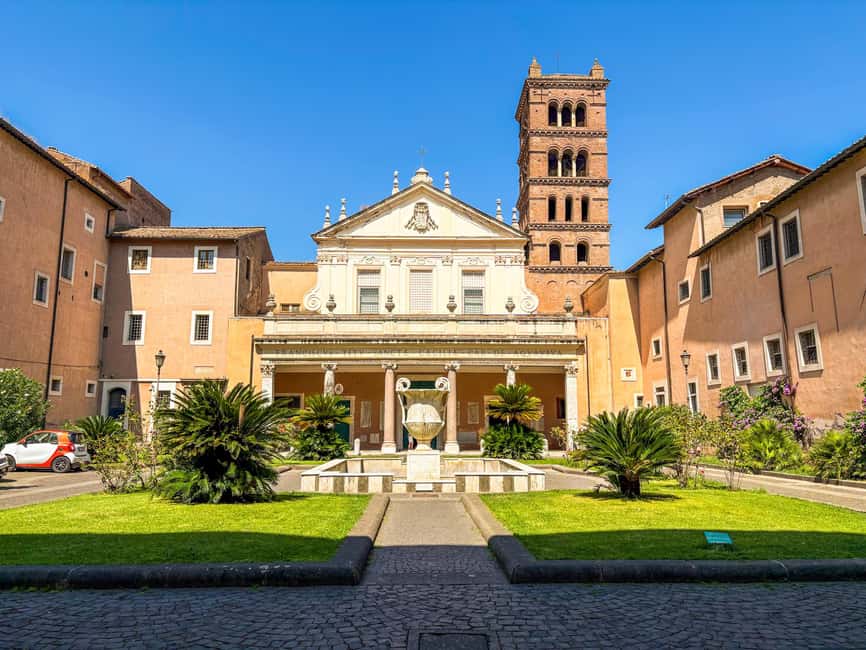
Trastevere is one of those Rome neighborhoods that usually feels packed. This experience aims for the other version of Trastevere: quieter lanes, less foot traffic, and more time looking closely. You’re not just walking from one postcard to another. You’re learning how the city’s past keeps showing up right where you stand.
I like that the tour is built around a small group, max 12. That matters here because you’re moving through narrow areas and churches where the guide needs to control the flow. You’ll also hear the stories clearly, without the usual scramble.
Even if you’ve visited Trastevere before, this kind of route can change your whole perspective. It teaches you to spot what’s nearby, but not obvious. Think alley scale, church doors, river views, and how people in Rome lived with the idea of history happening above and below you at the same time.
You can also read our reviews of more tours and experiences in Rome.



San Francesco a Ripa: The First Stop Sets the Tone
You start in Piazza di San Francesco d’Assisi, then head to San Francesco a Ripa for a short guided visit (about 15 minutes). This early timing works. It’s long enough to give you context, but short enough that you stay eager for the heavier highlights that come next.
A stop like this is useful because it trains your eyes. Once you’ve got the guide’s framing, you’ll notice the way churches, streets, and local legends connect. You’re basically being taught how to read the neighborhood while you’re still fresh.
If you’re the type who enjoys small details, you’ll like this part. If you’re only here for major monuments, you might see it as a warm-up. Still, the tour’s goal is to make the later stops feel earned, not random.
Santa Cecilia Underground Crypt: Where Rome’s Layers Become Real
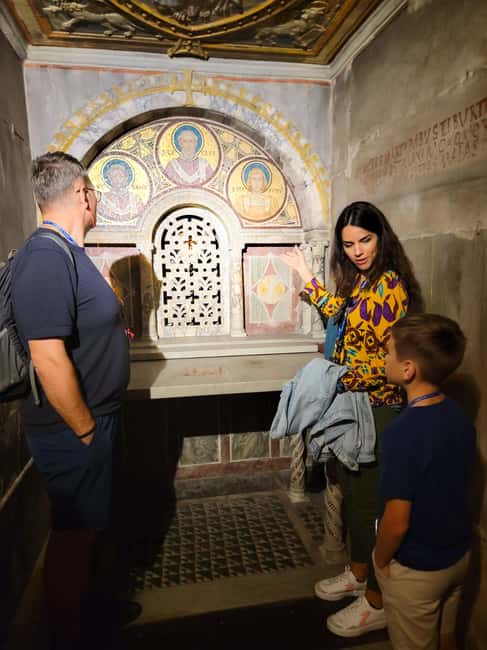
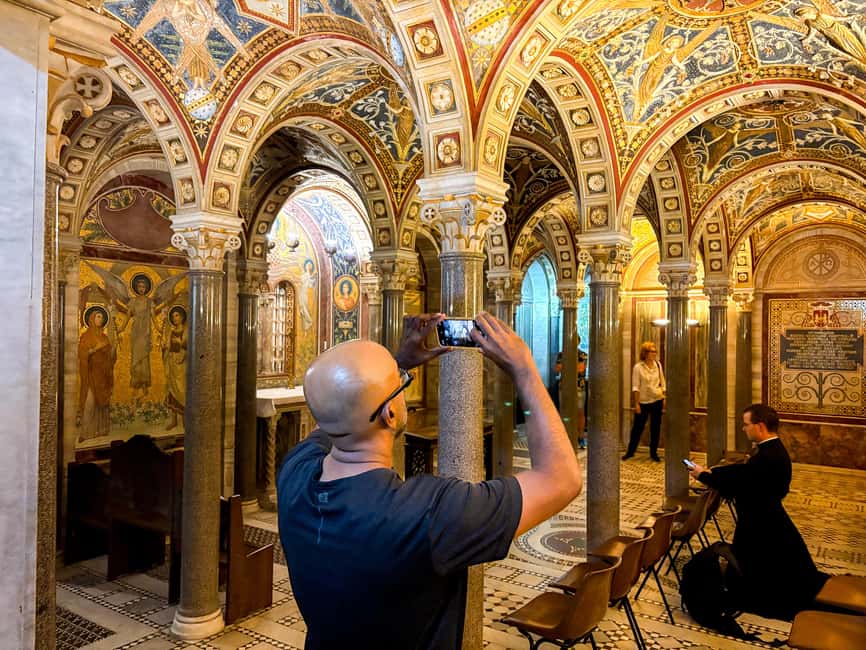
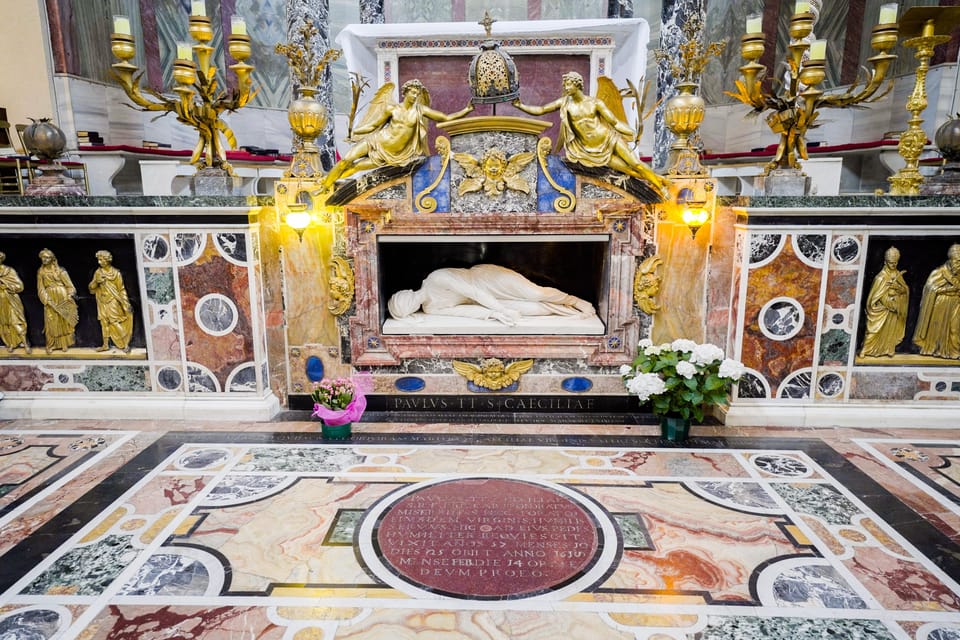
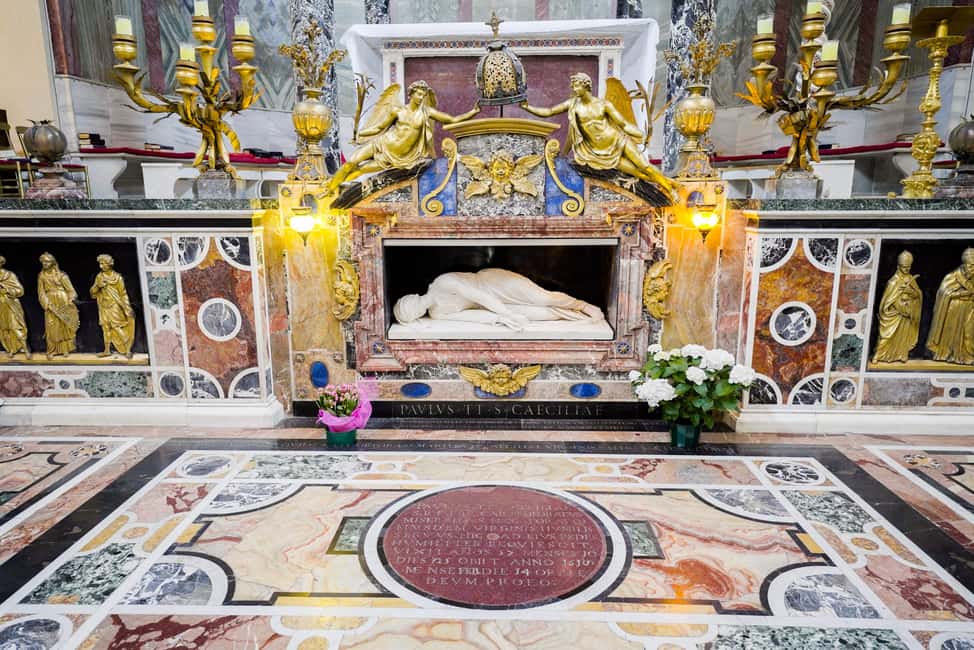
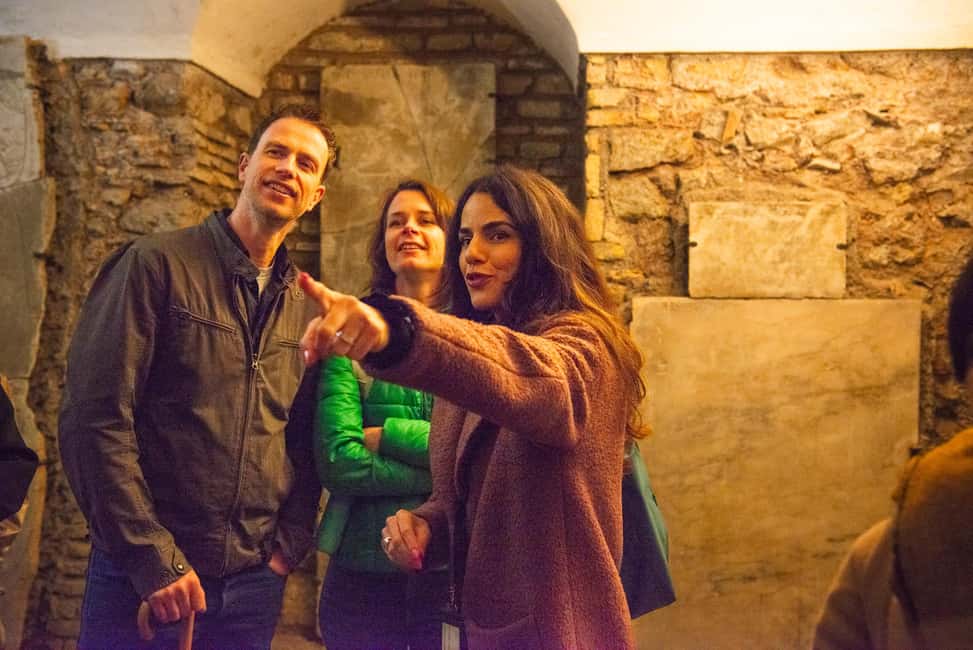
The Church of Santa Cecilia is the heart of the experience (about one hour total). This is where you get the underground access, reached from inside the church area. The guide’s explanation of why Rome has so much underground is part of what makes the visit click.
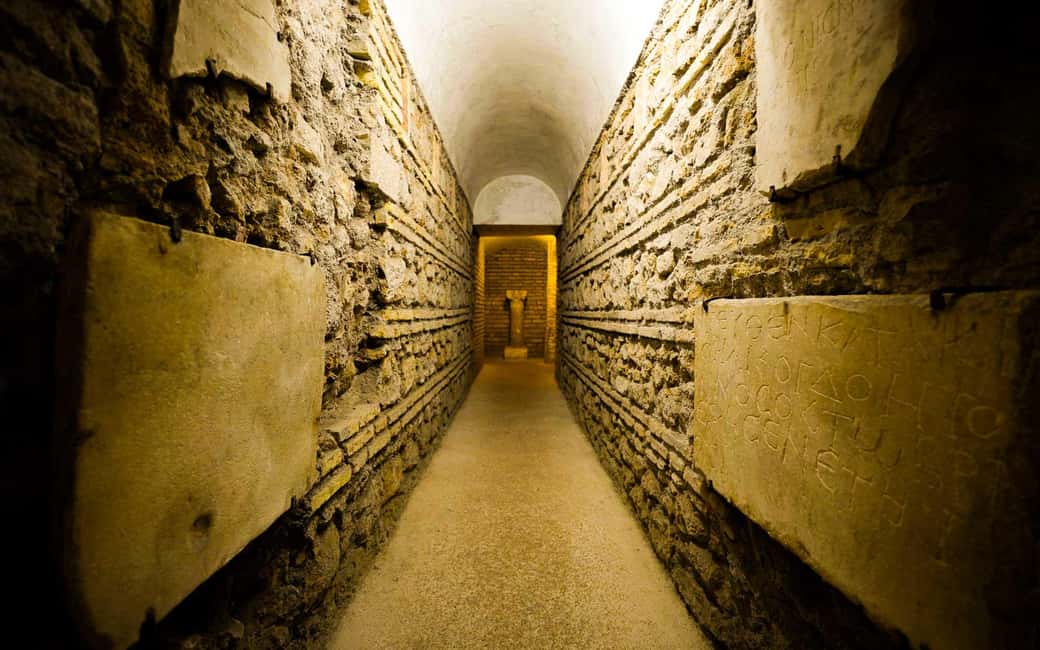
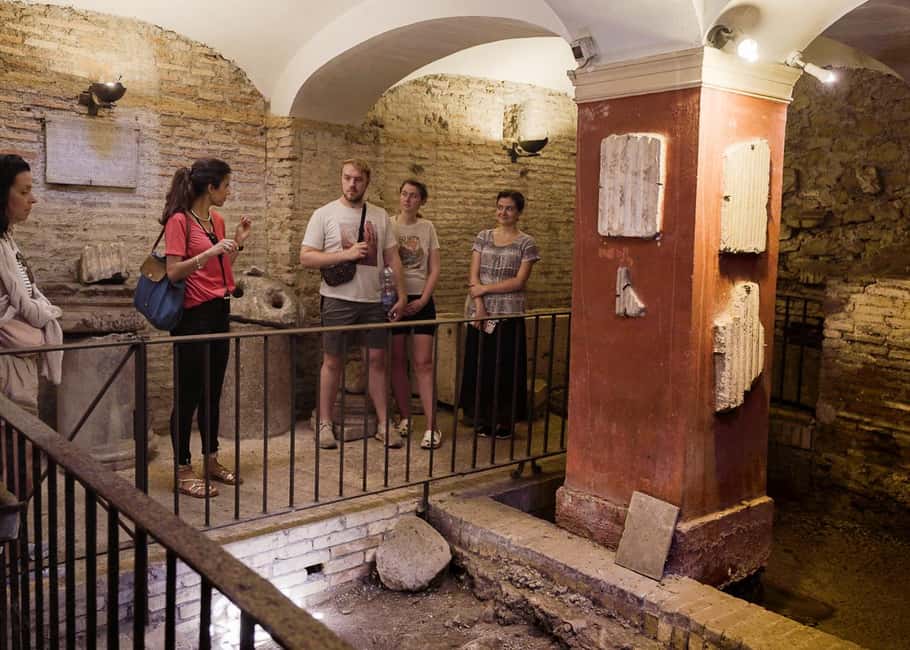
Here’s what makes the experience special: you go down to the crypt and ancient ruins, about five meters below street level. That’s the kind of “wait, we’re really under the church” moment that’s hard to replicate on your own. You’re not just seeing history from the outside. You’re stepping into the idea of Rome built over Rome.
You’ll also get the sense that the city’s layers aren’t a theory. They’re concrete space, stone, and layout. The tour even uses the idea of a lasagna of history to help you keep track of how different eras overlap.
Practical note: church interiors can feel cooler and dimmer than you expect. Comfortable shoes help, and keep your camera ready but don’t rush. The best part is the guide’s pacing through the story while you’re actually in the space.
Bernini, Quiet Churches, and the Art of Noticing
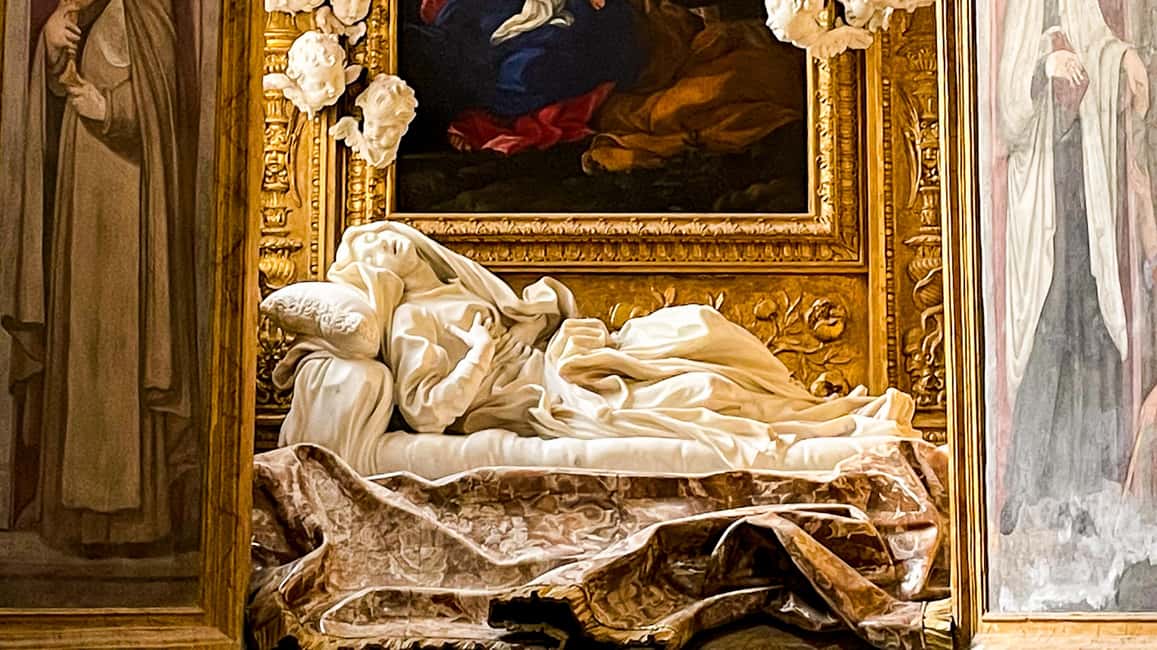
One of the tour’s clever tricks is how it points out Bernini’s Blessed Ludovica Albertoni in a way that feels like discovery. The tour notes that you can find the Bernini statue by casually walking inside an empty church.
That small shift matters. Many visitors race past art because they think they’re only here for big sights. This approach teaches you that Rome’s real drama often hides in plain sight, tucked into calm interiors.
Even when you’re not a deep art-history person, this kind of stop works because it connects art to place and people. You’re given the background so the statue isn’t just a name. It becomes a quiet marker in the neighborhood’s living story.
Vicolo dell’Atleta: Urban Legends in a Narrow Lane
After Santa Cecilia, the tour moves to Vicolo dell’Atleta, with a longer guided segment (about 75 minutes). This is one of those stops where the length surprises you at first glance. But that’s the point.
A tight alley forces you to slow down. You start noticing how small spaces can hold big narratives: local legends, explanations for odd details, and stories that don’t make it onto standard sightseeing checklists. The tour frames this area as one of Rome’s “secrets in plain sight,” and the time lets the guide connect the dots without rushing.
If you like your sightseeing to feel like storytelling, this is where you’ll lean in. If you prefer straightforward monument viewing, you might think of it as slower. Still, it’s exactly the kind of slow that turns “I walked there” into “I understood why it matters.”






Tiber Island: Legends Where the River Does the Talking
Next comes the Tiber Island stop (about 30 minutes). The route shifts from narrow lanes to a viewpoint that helps you reset your brain. It’s a good transition because the river adds scale, even when you’re still inside the historic core.
The tour focuses on urban legends and local tidbits tied to the island. That’s useful because the stories give you a framework for what you’re seeing. You’re not staring at a river and hoping meaning appears. You’re getting the meaning first, then the view lands differently.
If you want a simple way to remember this stop, think: river + myth + real place. This tour emphasizes that connection so you leave with something sticky in your head, not just images on a phone.
Jewish Ghetto Highlights in 30 Minutes: From Portico d’Ottavia to Piazza Mattei
The final major section is the Jewish Ghetto (about 30 minutes). It’s short by design, so the guide picks what to show and what to explain. You’ll learn urban legends and local insights, plus you’ll cover a set of landmark areas around the district.
Key stops you’ll pass through include:
- Portico d’Ottavia
- Theatre of Marcello
- via della Reginella
- Piazza Mattei
This is a smart mix. It’s not only religious or only historical. It’s urban Rome: buildings, public spaces, and the way culture and community life shaped what you see today.
The Theatre of Marcello mention is especially practical for first-timers. Even if you don’t go inside, it helps you place the district in the broader city layout. And Piazza Mattei is a fitting finish because it’s easy to orient from there afterward.
One thing to consider: because time is tight, you’ll get the “high points and key stories” approach rather than a long, granular walk through everything in the ghetto. If you want a deeper study, you might pair this with another visit later. But as an introduction and context builder, it’s focused and efficient.
Also remember the tour includes holy areas and calls for respectful dress. You don’t need a formal outfit, but you do need shoulders and knees covered.
Pace, Price, and Practical Tips for a 2.5-Hour Walk
This is a 2.5-hour walking tour designed to keep momentum without feeling rushed. The longest portion is centered on Santa Cecilia and Vicolo dell’Atleta, which makes sense because those parts depend on guided explanation.
Price is $44.64 per person. On the face of it, that’s not a bargain bargain. The value comes from the combination: a small group, a live English guide, and special access to Santa Cecilia’s underground crypt and ancient ruins. That underground portion is the kind of experience that’s hard to DIY unless you’re already plugged into specific access and timing.
To get the most from the walk, do the simple stuff:
- Wear shoes you trust on uneven pavement
- Bring a light layer for church interiors
- Keep your shoulders and knees covered for holy areas
- Ask questions when the guide invites them, especially during the crypt segment
There’s one small detail you should sanity-check. The description says the activity ends back at the meeting point, while the itinerary lists Piazza Mattei as the finish. In practice, most tours end near where you have an easy next step. Still, confirm the exact end point in your booking message.
Should You Book This Trastevere and Jewish Ghetto Tour?
Book it if you want Rome stories tied to real spaces, not just a list of monuments. This tour is built for people who like side streets, underground history, and local legends you won’t find by scanning a guidebook table of contents. With a small group and a guide who keeps the pace smooth, it’s ideal for first-time visitors who want something more human than the typical highlights route.
Skip it if you’re not interested in churches, underground spaces, or cultural storytelling. If your only goal is huge-ticket landmarks, this may feel more interpretive than you want.
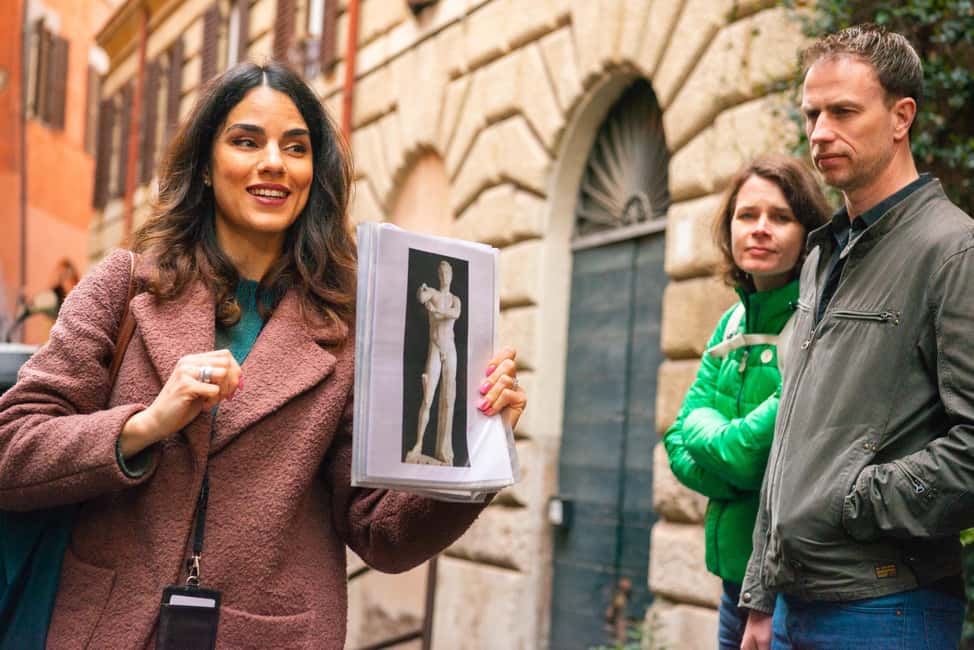
One extra reason to consider it: past participants highlighted the guide’s clear explanations and strong storytelling, with Federica specifically called out for back stories, humor, charm, and a pace that leaves room for questions. That combination is exactly what makes shorter tours feel complete.
FAQ
How long is the Rome: Trastevere with Underground Crypt & Jewish Ghetto tour?
The tour lasts about 2.5 hours.
What is the group size for this tour?
It is a small group with a maximum of 12 people.
What locations does the tour include?
You’ll visit San Francesco a Ripa, the Church of Santa Cecilia (with underground crypt and ancient ruins), Vicolo dell’Atleta, Tiber Island, and the Jewish Ghetto area including Portico d’Ottavia, Theatre of Marcello, via della Reginella, and Piazza Mattei.
Where do you meet and where does it end?
The start meeting point is Piazza di San Francesco d’Assisi (near San Francesco a Ripa). The itinerary lists Piazza Mattei as the finish, even though the general description notes returning to the meeting point, so it’s worth confirming in your booking.
What is the price per person?
The price is $44.64 per person.
What language is the tour guide?
The tour is guided in English.
What should I wear?
You’ll visit holy areas, so wear clothing that covers at least your shoulders and knees.