REVIEW · ROME
Rome Bike Rentals
Book on GetYourGuide →Operated by Fat Tire Tours - Italy · Bookable on GetYourGuide
Two wheels make Rome simpler. I love the way the River Tiber stretches your views into real sightseeing instead of stop-and-go walking, and I like how quickly you can bounce between major landmarks. The one thing to consider: you’ll need to ride your bike on your own, since the setup doesn’t cover beginners who can’t pedal confidently.
What makes this rental especially smart is the combination of freedom and guidance. Helmets and locks are included, and the experience is run by Fat Tire Tours – Italy with enough bike-and-history support that you can ask questions and get clear answers as you go. My other heads-up: if you’re bringing anything beyond a small day bag, the rules are strict—no luggage or large bags allowed.
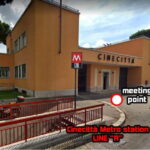
You start and finish at Via dei Delfini, 35, and the ride window is flexible: 2 to 8 hours depending on what time slots are available. That range matters in Rome. Short ride if you’re jet-lagged, longer ride if you want time for photos, pauses, and a slow roll past the big sights.
In This Review
- Key highlights at a glance
- Getting rolling from Via dei Delfini 35 (and back)
- River Tiber cycling: the “easy win” view of Rome
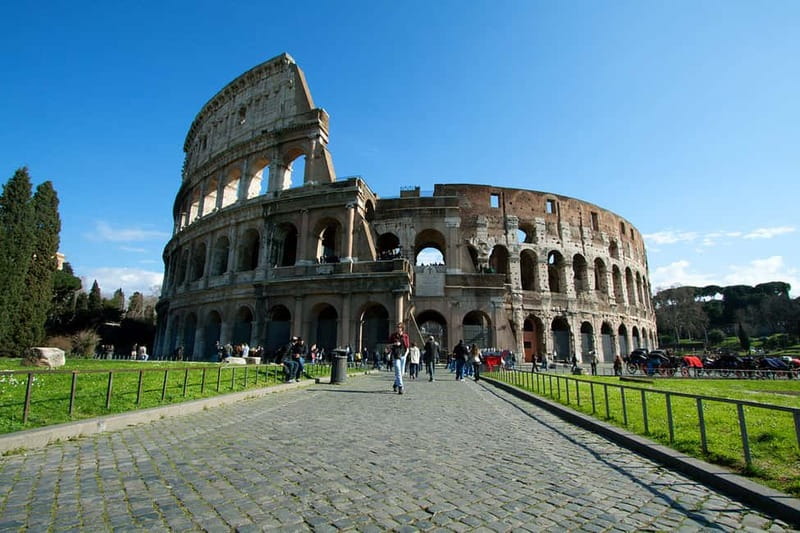
- Colosseum-area riding: gladiator vibes without the chaos
- Between markets: sights, sounds, and tastes on two wheels
- How Fat Tire Tours – Italy keeps it easy and historical
- Value check: what $11 per person really means
- What to bring and what to leave behind
- Practical rules that protect the experience for everyone
- Who should book this bike rental?
- Should you book Rome Bike Rentals?
- FAQ
- Where is the starting location for Rome Bike Rentals?
- How long is the rental?
- What is the price?
- What is included with the bike rental?
- Do I need to bring anything?
- Are luggage or large bags allowed?
- What are the age rules for kids?
- Is the experience refundable if I cancel?
Key highlights at a glance
- Ride the Tiber banks for a classic Rome view that feels like a moving promenade
- Quick links between landmarks so you spend less time figuring out transit
- Colosseum-area cycling with the feel of gladiator-era Rome as you pedal around it
- Market-street sightseeing where you can take in sights, sounds, and tastes
- Helmet and lock included so you can focus on riding, not shopping
- Small, question-friendly experience thanks to a group setup that supports interaction
Getting rolling from Via dei Delfini 35 (and back)
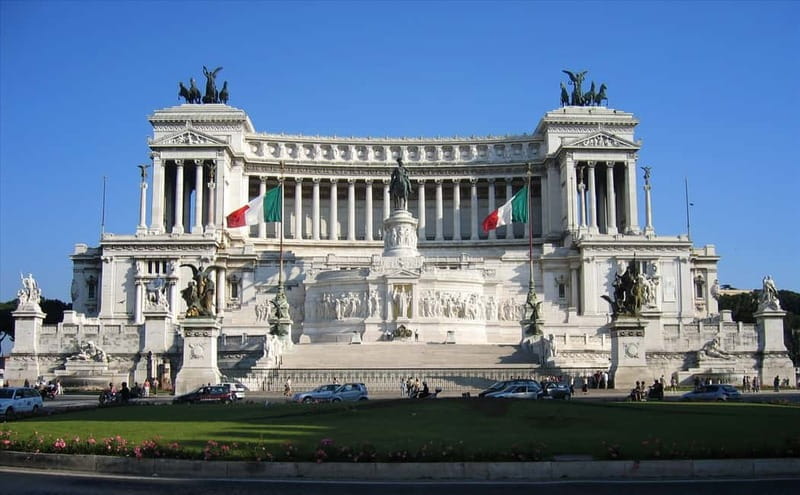
The ride starts at Via dei Delfini, 35, and you roll back there at the end. I like that because it removes decision fatigue. In Rome, you can spend too much time asking yourself where to pick up transit or how to loop back “somehow.” This gives you a clear beginning and an easy landing—ride, enjoy, return.
In practice, that kind of start/end loop is great for first-timers. You’re not committed to an all-day mega route with a million decision points. Instead, you get a set outing that fits your energy level. Want two hours and a few signature sights? Go for it. Want longer time to linger by the river and ride around the Colosseum area? The schedule is built to support that too.
Also, think about the time range: 2–8 hours. When the window is wide, you can match it to your day plan. If you have museum time later, take a shorter slot. If you’re doing fewer indoor stops, pick a longer ride so you don’t feel rushed while you’re actually enjoying the city.
You can also read our reviews of more cycling tours in Rome
River Tiber cycling: the “easy win” view of Rome
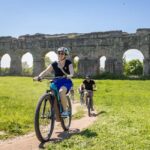
If you want one part of Rome that makes biking feel worth it fast, it’s the banks of the River Tiber. Pedaling along the river does something walking can’t. It stretches your field of view. You’re not just passing streets—you’re moving alongside one of the city’s defining lines, so the whole scene keeps unfolding.
This is also where biking helps you slow down without losing time. On foot, you can feel like you’re constantly crossing from one cluster to the next. By bike, the route flow is smoother. You can glance at landmarks, check your bearings, and keep moving at a pace that feels like you’re sightseeing, not rushing between checkmarks.
A second reason I’m fond of the river ride: it tends to make Rome feel readable. You learn the city’s rhythm quicker. Even if you’re not planning to memorize every street, you’ll start connecting the dots between major areas you’re seeing elsewhere. That makes later walking around piazzas and side streets feel less confusing.
Colosseum-area riding: gladiator vibes without the chaos
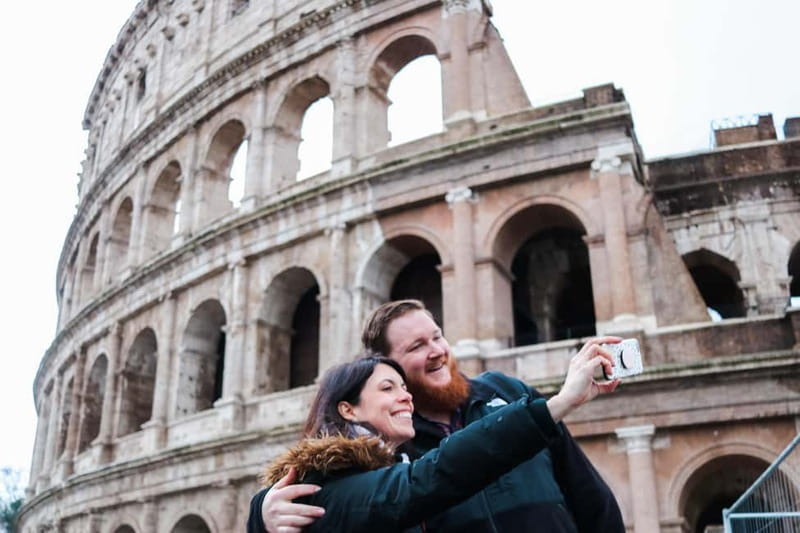
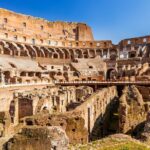
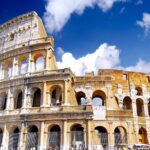
Let’s talk about the big one: cycling around the Colosseum, often described as a battleground of gladiators. Even without going deep into details you’ll likely see in guidebooks, the feeling is real when you’re close enough to understand scale. On a bike, you get proximity with mobility. You can orbit the area without burning your whole day in bottlenecks.
Why biking works here: the Colosseum sits within a web of nearby streets and viewpoints. Walking can be efficient for a short loop, but it’s easy to waste time repositioning. Bike travel helps you stay oriented. You can take a few minutes for photos, then move on while everything is still fresh.
One practical note: the Colosseum area is famous, so your best experience comes from how you ride. Keep your pace steady. Pause when it’s safe. You’ll enjoy the area more if you don’t treat it like a sprint through a postcard.
Between markets: sights, sounds, and tastes on two wheels
One of the most fun parts of this style of outing is the mix of tourist landmarks and everyday Rome. You’ll ride between the markets, and that’s a big part of what makes the experience feel lived-in. Markets are where you notice the city beyond its monuments—small rhythms, quick exchanges, and the sensory stuff you can’t package into a single building visit.
Biking through these areas can also change how you experience time. Instead of walking past shopfronts at a slow crawl, you can cover more ground while still soaking in the atmosphere. It’s not just transportation. It’s a moving window. You see what’s happening and you’re not stuck only with the view from a bus.
If food is a priority for your trip, this is the segment that often gets people thinking with their stomach. You can use the ride to get your bearings first, then come back later on foot if something catches your eye. The market-street route is a great way to discover where you want to linger after the bike is returned.
How Fat Tire Tours – Italy keeps it easy and historical
This is provided by Fat Tire Tours – Italy, and the vibe from strong reviews is consistent: the guide is well informed, and the history is told in a way that sticks. I like that because Rome’s story can feel like it’s just facts on a wall if you aren’t guided. Here, you’re getting stories and context while you’re actually moving through the places those stories refer to.
Another highly valued detail: the group size feels built for interaction. When the group is small enough, you can ask questions without feeling like you’re interrupting a machine. That matters in a city where you may want to know simple things like what you’re looking at, why a place matters, or what to watch for next.
Also, a bike-and-briefing format is a smart way to handle Rome’s scale. The city is big, and attractions are spread out. Having a guide help connect the dots can make your day feel smoother, even if you’re covering plenty of ground.






Value check: what $11 per person really means
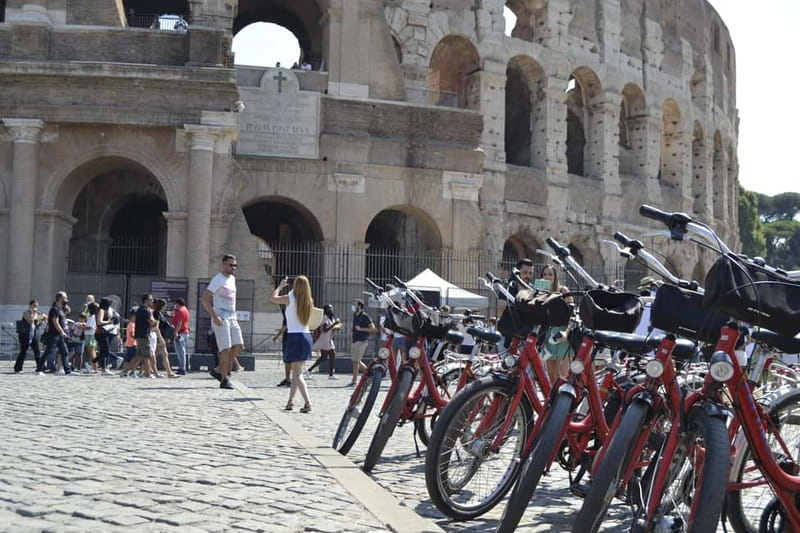
Pricing matters, especially in Rome where options range from bargain to pricey. At $11 per person, the big value isn’t just the number—it’s what you get for it: a bike rental, a bike lock, and a helmet (optional for adults). That’s a practical bundle for a city day.
The lock inclusion is underrated. If you plan to pop into a shop, step into a café, or do a quick photo stop away from your main route, you need somewhere responsible for your bike. Having the lock provided means you’re not hunting for extra gear last-minute.
About the helmet: it’s listed as optional for adults, which gives you flexibility. I’d still seriously consider wearing one. Not because Rome is out to get you (no city is), but because it removes a “what if” from your day. Accidents happen anywhere, and a helmet is a cheap layer of peace of mind.
Time also affects value. The ride length can run from 2 to 8 hours, and that flexibility lets you match the experience to your schedule. If you only need a short sightseeing loop, you can keep it short. If you want more time to explore, longer slots give you space to enjoy it rather than sprinting.
What to bring and what to leave behind
To keep things smooth, bring a passport or ID card and a credit card. You’ll want those ready from the start so you’re not standing around sorting documents while everyone else is already getting fitted.
Next, understand the carry limits: no luggage or large bags. That’s common for bike rentals in city cores, but it’s worth planning for. If you’re traveling light, great. If you arrived with a bigger bag, you may need to store it elsewhere before you start your ride.
On the riding side, all guests must be able to ride on their own unless you’re using attachments. I’d take this seriously if you’re rusty. Rome rewards confidence: you’ll enjoy the views more when your focus is on the city, not balance.
If you’re traveling with kids, there are options. Double trailers for toddlers and tag-a-long attachments for young children are available at an additional cost upon request. If that matters to your family plan, confirm ahead of time so you’re not adapting on the spot.
Practical rules that protect the experience for everyone
Here are the rules that most affect your enjoyment, because they determine what kind of day you can have.
First: minors. No guest under 18 gets a bike without an adult over 18 present. This is a straightforward safety rule, and it keeps the group setup consistent.
Second: age and safety fit. The experience isn’t suitable for pregnant women and isn’t suitable for wheelchair users. That’s important to know early so you don’t waste time hoping it might work out.
Third: you should plan around your comfort level. This is not positioned as a lesson. It’s a bike rental and ride experience, and the baseline expectation is that you can pedal yourself.
Finally: it’s non-refundable. That matters if your trip dates might change. If you’re booking close to flight time or you think weather might disrupt your plan, you’ll want to think carefully before committing.
Who should book this bike rental?
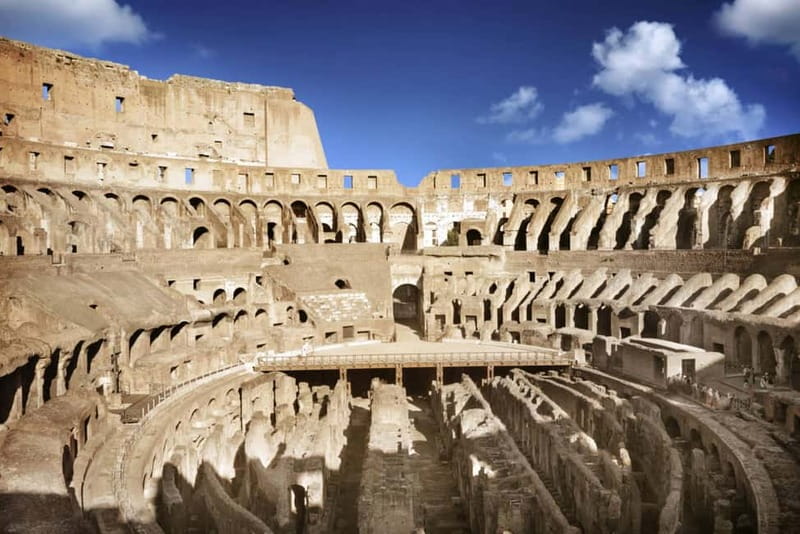
I’d book this if you want a classic Rome day with less walking and more motion. It’s especially good for people who enjoy doing one or two signature areas well—like the Colosseum—then expanding into neighborhoods through market streets and the Tiber ride.
It’s also a strong match if you like structure but still want your day to feel flexible. The 2–8 hour window makes it easy to fit into a multi-day plan.
You might skip it if biking isn’t your thing, or if you need support beyond what the rental rules allow. If you want a fully accessible plan for wheelchair use or you’re pregnant, it’s not the right fit based on the stated suitability.
Should you book Rome Bike Rentals?
Yes, if your goal is simple: see big Rome sights and local streets with a pace that doesn’t drain you. The included helmet (optional for adults) and bike lock make it practical, and the route highlights—Tiber banks, Colosseum-area riding, and market streets—hit the mix of famous + everyday that makes Rome memorable.
I’d recommend booking when you know you’ll ride confidently and you can travel light. If you’re unsure about your biking comfort, it’ll change the day from fun to stressful. If your schedule is fragile, remember it’s non-refundable, so only lock it in when you’re comfortable committing.
If you want an outing that helps Rome feel connected—monuments plus neighborhood rhythm—this one makes a lot of sense.
FAQ
Where is the starting location for Rome Bike Rentals?
The bikes start and end at Via dei Delfini, 35.
How long is the rental?
The rental lasts 2 to 8 hours, depending on the available starting times.
What is the price?
The price is $11 per person.
What is included with the bike rental?
You get the bike rental, a bike lock, and a helmet (optional for adults).
Do I need to bring anything?
Bring a passport or ID card and a credit card.
Are luggage or large bags allowed?
No. Luggage or large bags are not allowed.
What are the age rules for kids?
No guest under 18 will be given a bike without an adult over 18 present.
Is the experience refundable if I cancel?
No. This activity is non-refundable.