REVIEW · ROME
Rome Trastevere Street Food Tour: Eat and Drink Like a Local
Book on Viator →Operated by ItaliaTours · Bookable on Viator
Food tours are better when you start where locals linger.
This one begins in Santa Maria in Trastevere Square, in Rome’s own “village” mood—cafés, narrow streets, and shops you’d never notice on your own. You also get an actual walking route across iconic squares while a Roman food guide explains how dishes and habits evolved through the city.
What I like most is the built-in variety: deep-fried bites, pasta tastings, cured meats, pizza, and tiramisù all in one go. The second thing I really enjoy is the small group feel—max 10 people—so the pace stays relaxed and your guide can actually talk, not just herd.
One consideration: you should come ready to walk. Some parts are more shop-and-taste than sit-down, so comfortable shoes matter.
In This Review
- Key points
- Trastevere Square: where the food mood actually begins
- First taste in Trastevere: fried snacks to wake up your appetite
- Pasta stop: why two tastings beat one big plate
- Campo de’ Fiori: cured meats in an old-shop tradition
- Pizza and sweets: the historical bakery moment
- Piazza Navona: tiramisù as a grand finale, plus a last drink choice
- The “local guide” value: names you might hear, tips you’ll use
- Price and what $99 realistically buys you
- Pace, walking, and where you’ll be standing vs. sitting
- Who this tour fits best (and who should skip it)
- Should you book the Rome Trastevere Street Food Tour?
- FAQ
- What does the tour include?
- How long is the Rome Trastevere street food tour?
- Where does the tour start and end?
- Is the tour offered in English?
- How big is the group?
- Can I get a refund if my plans change?
Key points
- Small group size (up to 10) for a more human pace and better guide interaction
- Trastevere Square start in a neighborhood that feels distinctly Roman, not tourist-only
- Multiple food styles across the route: fried snacks, pasta tastings, cured meats, pizza, and tiramisù
- Campo de’ Fiori stop adds a classic Rome square and traditional cured-meat culture
- Piazza Navona finale ties dessert to a truly central, memorable setting
- English mobile ticket + native Roman guides keep it easy and grounded in local perspective
Trastevere Square: where the food mood actually begins
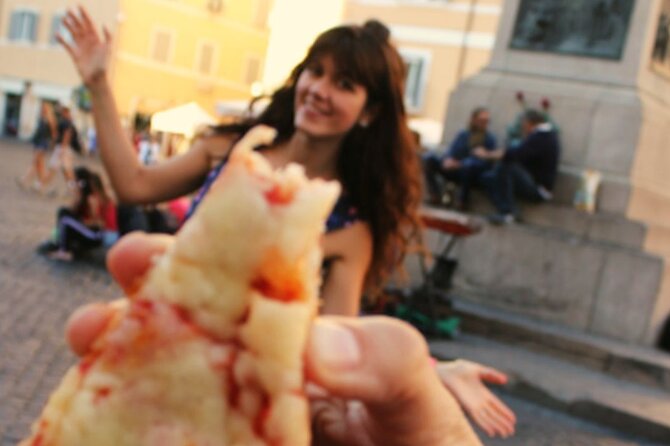
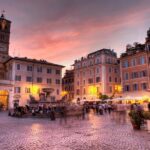
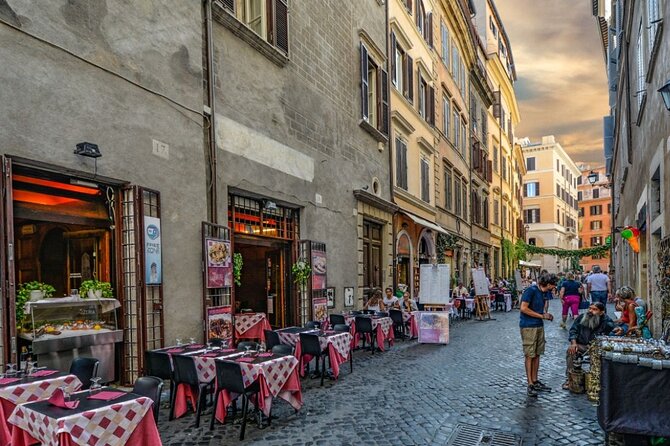
If you want your Rome food day to feel real, start in Trastevere. This tour meets you at Piazza di Santa Maria in Trastevere and wastes no time turning you loose in the neighborhood’s rhythm. Trastevere is the kind of place where dinner feels casual and social, and that matters because food tastes better when the setting matches the vibe.
The guide you’ll travel with is born and bred Roman, and the tour leans on that lived-in perspective. Expect more than ordering advice. You’ll hear how Roman eating traditions developed, and why certain foods show up again and again around these streets and squares.
Practical note: this is a 2.5-hour experience, so think of it as a planned, guided “intro to how Romans eat.” It’s not just samples piled onto a walking itinerary.
You can also read our reviews of more food & drink experiences in Rome
First taste in Trastevere: fried snacks to wake up your appetite
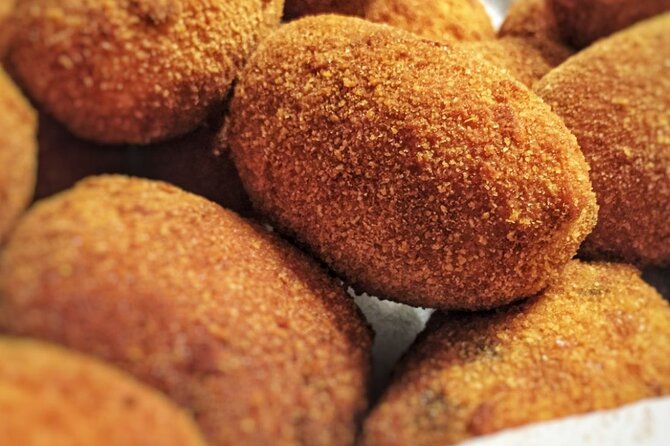
Right after meeting, you head into Trastevere for the tour’s first bite: a couple of deep-fried treats. This matters more than it sounds. In Rome, a good street-food start is about temperature, texture, and timing—crispy and hot early, so the rest of the tastings hit at full strength.
You don’t just get food; you get the reasoning behind it. A strong guide connects the dots between what you’re eating and how Romans snack while moving through their day—something between a quick bite and a proper pre-dinner rhythm.
This is also your gut check. If you’re the type who sniffs at anything fried, you might want to mentally adjust expectations now. But if you like savory crunch, this opener sets you up perfectly for the rest.
Pasta stop: why two tastings beat one big plate
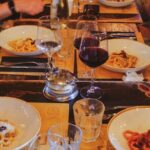
Next comes the part most people remember: pasta tastings. You sit down and share two tastings, and the tour description calls out flavor as the star here. That “two” is a sweet strategy. You get variety without feeling stuffed, and it lets you compare styles rather than just rushing through one dish.
Even if you think you already know what pasta means, this kind of stop usually changes how you pay attention. Texture, seasoning, and portion style in Rome can feel different from what you’re used to—especially when you’re eating with a local guide who can point out what to notice while you chew.
If you’re hungry (you should be), this is the moment where the tour turns from snacks into a real meal arc.
Campo de’ Fiori: cured meats in an old-shop tradition
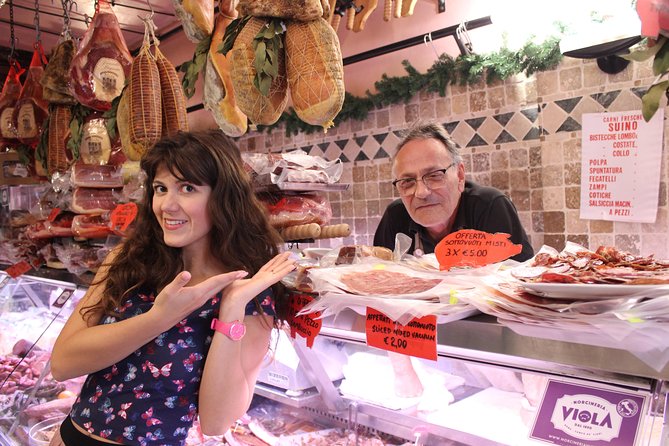
After you’ve digested some of the first round, you walk over toward Campo de’ Fiori, one of Rome’s most recognizable squares. It’s about a short transition—long enough to reset, not long enough to drag.
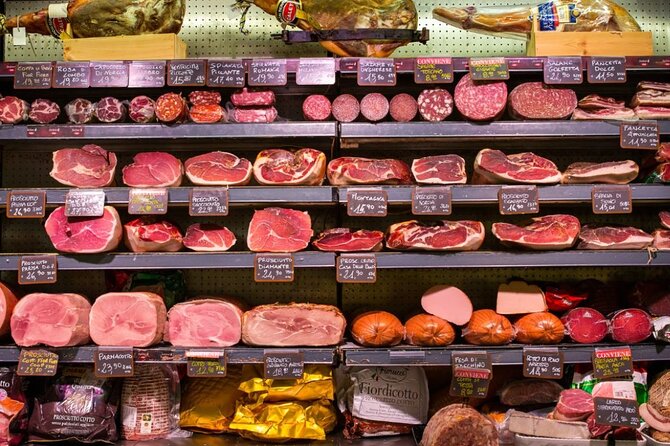
Then you step into something very Roman: the tradition of cured meats. The tour focuses on an old shop where you experience that culture up close rather than sampling in a generic setting. This is one of the best parts of the tour for people who like food history that you can actually see and smell—because cured products are about craft, time, and local sourcing habits.
The lineup here includes panzerotto plus salami and cured hams, which gives you both the “street-food” angle and the “Roman deli” angle in one stop. You’ll taste salt, richness, and that distinctive cured-meat character that tends to disappear when people just buy mass-produced slices.
Good to know: cured meats are salty by nature, so pairings matter. That’s where a guide’s guidance earns its keep.
Pizza and sweets: the historical bakery moment
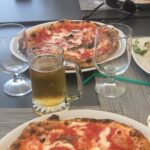
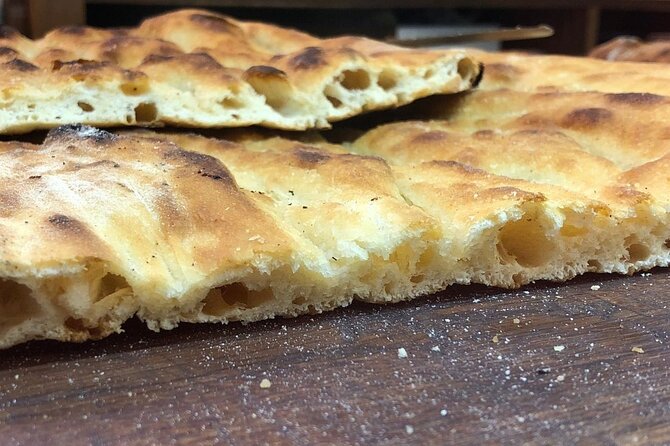
After protein and wine, the tour shifts again. You try an historical bakery pizza plus a small sweet treat. This part works because it breaks the pattern. You’ve had fried items and pasta by now; now you get pizza that’s described as coming from a long-established bakery tradition, not a random counter.
Pizza in Rome is one of those topics where opinions can get loud. A guide helps you focus on what makes a specific place’s approach distinctive—usually crust style, sauce balance, and how the shop handles peak freshness.
Then you get a sweet element that keeps dessert from feeling like a single, end-of-tour cliff. Instead, it’s an earlier “preview” of the finale you’re heading toward—without taking over your whole evening.
You can also read our reviews of more tours and experiences in Rome



Piazza Navona: tiramisù as a grand finale, plus a last drink choice
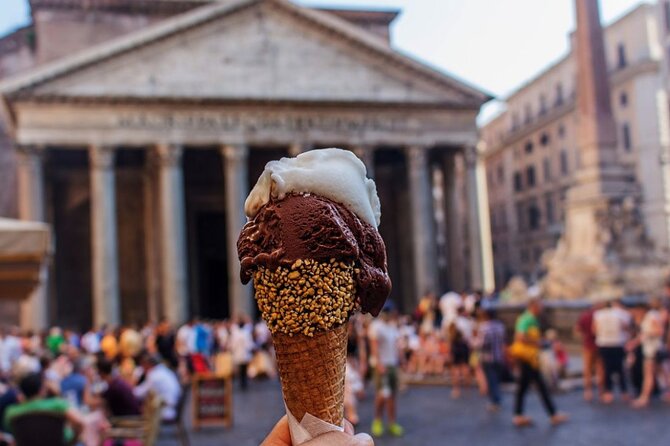
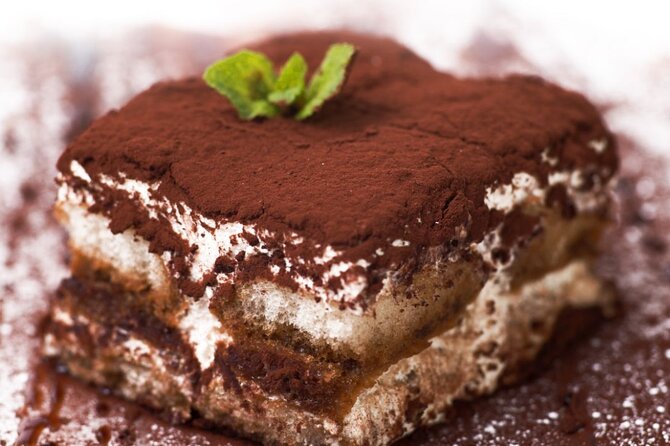
The last stretch lands you in Piazza Navona, a classic Rome stage where the atmosphere alone can make the moment feel special. The tour builds to a grand final with tiramisù, described as the best in town.
This is where you want to be paying attention. Tiramisù can taste wildly different depending on how it’s made and how it’s handled. One detail you might learn along the way: tiramisù isn’t traditionally made with alcohol. That kind of distinction matters because it changes the flavor profile and how the dessert feels—more coffee-and-cream, less boozy punch.
When dessert is done, you have the choice to end with either coffee or limoncello. This is a clever closer because it lets you match the last sip to your taste and your plan for dinner afterward. (And yes, the tour basically dares you to think you can still eat dinner. Most people can’t.)
The “local guide” value: names you might hear, tips you’ll use
In the reviews connected to this tour, guides like Mattia, Benedetta, Francisco, Francesco, Roberto, Robbie, and Roberta show up as standout hosts. You shouldn’t expect the exact same person, but you can expect the same approach: an enthusiastic, food-first guide who explains why each stop fits Roman eating habits.
What you gain isn’t just trivia. You gain practical judgment. A good Roman guide will steer you toward places worth your time and, just as importantly, what to watch out for. That kind of on-the-ground advice can make the rest of your trip easier, because you spend less energy guessing what’s good.
Also, the tour’s focus on “how to eat like a local” shows up in the structure. It isn’t random sampling—it’s a designed sequence: fried start, pasta stop, deli-style cured meats, historical pizza, then tiramisù.
Price and what $99 realistically buys you
At $99 per person, this isn’t a budget snack crawl. But it also isn’t just you walking around with a map. The price includes all food and drink laid out in the tasting plan, plus a native Roman guide.
Here’s how I think about value: you’re paying for (1) the guide’s selection and context and (2) the fact that several tastings come bundled together. In Rome, buying similar items one by one—plus drinks—can add up fast, especially if you’re trying to do it without accidentally wandering into tourist-price traps.
A useful bonus: the tour is capped at 10 travelers, which usually improves the experience quality. In smaller groups, you’re more likely to get explanations at the right time, and you’re less likely to feel like you’re rushing to keep up.
If you’re going to do only one “eat like a local” thing, this is one of the cleaner ways to spend your time.
Pace, walking, and where you’ll be standing vs. sitting
This is a walking tour, with several short transitions between stops. The time blocks for each tasting are fairly tight, so you’ll keep moving and tasting rather than lingering over long courses.
You do sit down for the pasta tastings, which is a nice reset. But you shouldn’t expect every stop to be a full dining table situation. Some stops are shop-and-sample, and others are centered around tasting at specific points in the walk.
So plan your day like this:
- Eat a light breakfast or skip it entirely if you can.
- Wear shoes you can stand and walk in comfortably.
- Bring a water bottle if you know you get thirsty on long walks (the tour handles tastings, but hydration is still your responsibility).
Who this tour fits best (and who should skip it)
This tour fits best if you want a high-density way to learn Roman food culture across multiple classic neighborhoods. It’s also a great choice for families, since it’s explicitly positioned as fun for the entire family and includes both savory and sweet items.
It may be less ideal if:
- You hate walking or get uncomfortable when meals are on the move.
- You have very picky tastes that don’t overlap with fried items, cured meats, and coffee/limoncello endings.
- You’re hoping for a quiet, slow tasting in a single restaurant (this is a route, not one long meal).
If you’re new to Rome, I’d treat this as your first-night or early-trip move. You’ll learn how to spot good food energy, then use that confidence to choose dinner later.
Should you book the Rome Trastevere Street Food Tour?
I think you should book this if you want an efficient, flavorful introduction to Roman eating—especially if you’re excited by fried snacks, pasta, cured meats, pizza, and tiramisù all in one evening. The small group size, the Trastevere start, and the Piazza Navona dessert finale add up to a trip that feels both practical and memorable.
Skip it only if walking plus multiple tastings sounds stressful instead of fun. Otherwise, come hungry, wear comfortable shoes, and let the guide handle the food map. You’ll leave with full stomach confidence—and better instincts for where to eat next.
FAQ
What does the tour include?
The tour includes a native born and bred Roman guide and all food and drink as outlined in the tour description, including deep-fried treats, pasta tastings, cured meats, historical bakery pizza, a sweet treat, tiramisù, and your choice of coffee or limoncello.
How long is the Rome Trastevere street food tour?
It runs for about 2 hours 30 minutes.
Where does the tour start and end?
It starts at Piazza di Santa Maria in Trastevere, 00153 Roma RM, Italy, and ends on Via del Governo Vecchio, 00186 Roma RM, Italy, with the tour concluding with a glass of limoncello.
Is the tour offered in English?
Yes, the tour is offered in English.
How big is the group?
The tour has a maximum of 10 travelers.
Can I get a refund if my plans change?
Yes. You can cancel up to 24 hours in advance for a full refund. If you cancel less than 24 hours before the experience starts, the amount paid is not refunded.