REVIEW · ROME
Rome Trastevere Pasta Making Class with Eating Europe
Book on Viator →Operated by Eating Europe Food Tours Rome · Bookable on Viator
Fresh pasta starts in Trastevere, not a kitchen. This 3-hour small-group workshop (max 12) pairs an old-school food walk with hands-on fettuccine and ravioli making, plus wine and tastings like porchetta and Parmigiano. I especially like the stop-by-stop focus on Roman ingredients, from the deli start at La Norcineria di Iacozzilli to the final gelato lesson at Fatamorgana. One possible drawback: it’s very hands-on and food-forward, so if you’d rather just sightsee without cooking, you might feel time pressure.
What makes it feel worth your time is the format. You don’t just watch; you touch the dough, shape the pasta, and eat what you make, while a local English-speaking guide keeps the story tied to what Rome actually eats in Trastevere. Come hungry, and plan to spend a quiet dinner afterward, because this tour can fill you up early.
In This Review
- Key things I’d plan around
- Why Trastevere makes a pasta class feel more Roman
- La Norcineria di Iacozzilli: the porchetta-and-egg warm-up
- The Rione XIII trattoria: making fettuccine and ravioli the Roman way
- San Cosimato food market and butcher-shop tastings that explain the flavors
- Fatamorgana gelato: the real-vs-fake lesson
- What you’re really eating in this 3-hour format
- Price and value: what $100.37 is buying you
- Who this works best for (and who should adjust expectations)
- Practical tips so you don’t waste the experience
- Should you book the Rome Trastevere pasta making class?
- FAQ
- How long is the Rome Trastevere pasta making class?
- What group size should I expect?
- Is the tour offered in English?
- Does the experience include wine and gelato?
- Can the class handle dietary restrictions like vegetarian or gluten-free?
- Where do I meet, and where does it end?
Key things I’d plan around
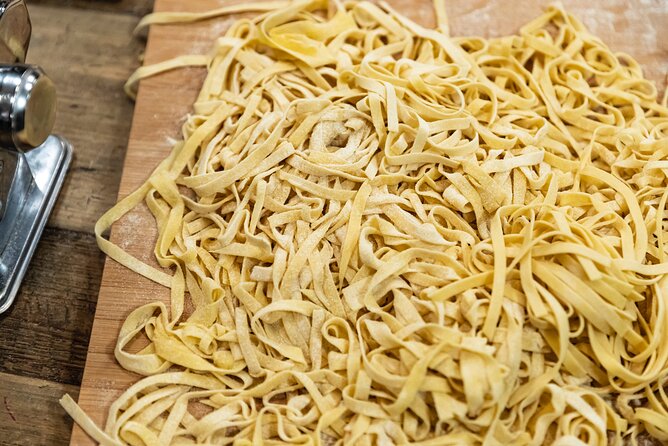
- Max 12 people means you get real feedback while you’re rolling dough and cutting pasta
- La Norcineria di Iacozzilli kicks things off with porchetta, wine, and ingredient talk before class
- Two pasta shapes in one session: fettuccine plus ravioli with sheep ricotta and lemon zest
- Wine is part of the flow, with alternative beverages available for kids and non-drinkers
- Fatamorgana gelato lesson: learn how to tell real gelato from fake
- San Cosimato food market tastings bring you into Roman food culture beyond the restaurant walls
Why Trastevere makes a pasta class feel more Roman
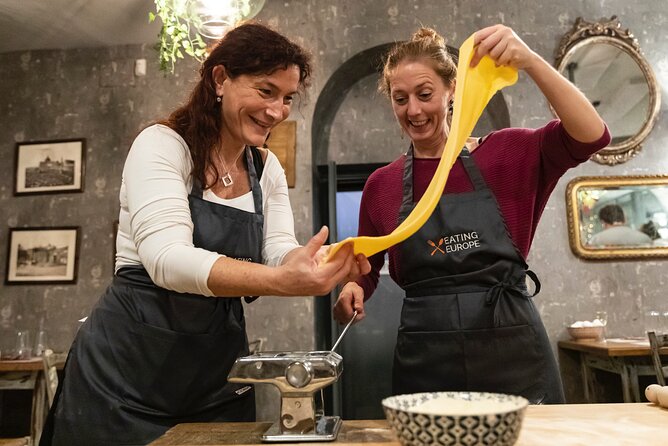
Trastevere isn’t just a pretty neighborhood card. It’s where the daily food rhythms feel visible. You get that sense early, because the experience starts with shopfronts and counter service, not a big, formal classroom.
The small group size matters too. With a cap of 12 travelers, you’re not competing for attention while your hands learn new moves. That’s the difference between a fun tasting and a class where you leave with a repeatable idea of how fresh pasta actually works.
You can also read our reviews of more cooking classes in Rome

La Norcineria di Iacozzilli: the porchetta-and-egg warm-up
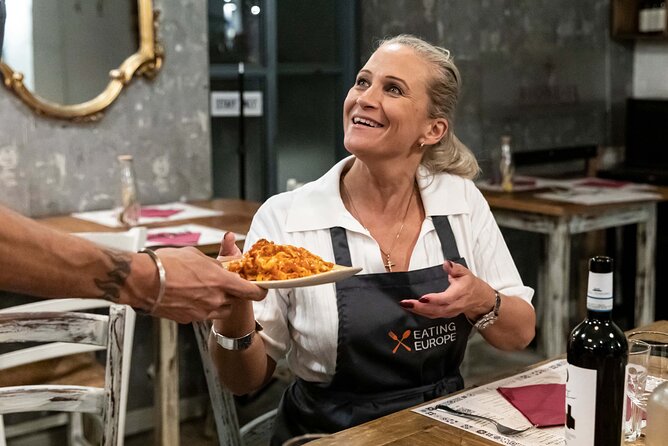
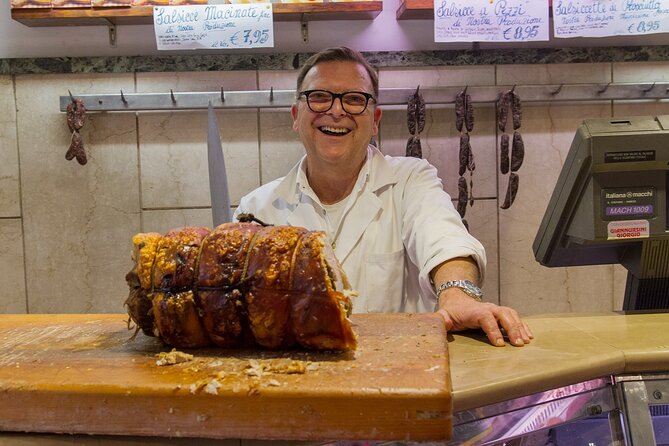
Your tour starts at Via Natale del Grande, 46, stepping into La Norcineria di Iacozzilli, a traditional Roman delicatessen. This is a smart opener. You taste something local right away, then you understand where the class ingredients come from.
Expect pizza bianca filled with savory porchetta, along with a glass of wine. The guide also points out the quality ingredients that will matter later in the pasta session, including fresh eggs, Parmigiano, and fresh sheep ricotta. It’s not just food trivia; it sets the stage for why Roman pasta often feels so different from the boxed stuff most of us grew up on.
Practical note: do not treat this stop like a quick snack. If you go in with a full stomach, you’ll miss part of the point. This experience is built as a food ramp that keeps climbing.
The Rione XIII trattoria: making fettuccine and ravioli the Roman way
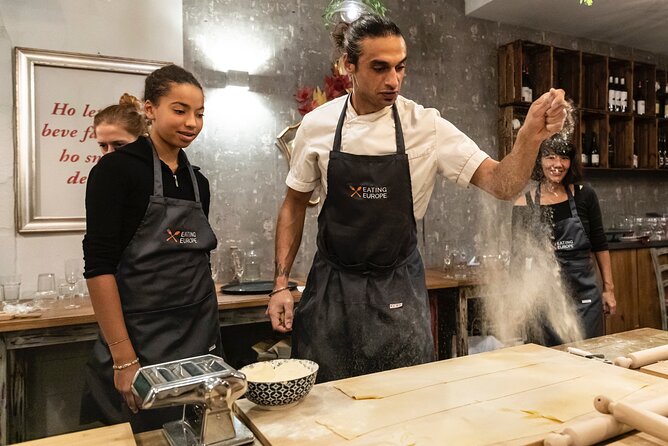
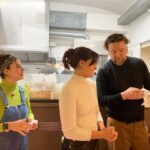
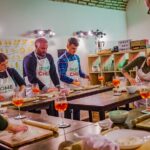
The middle of your evening is at Rione 13 Ristorante, where the mood shifts from eating to doing. This is one of those old-school Roman trattorias that works because it feels like a working local spot, not a performance space.
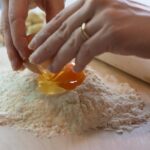
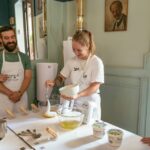
Here you get the hands-on part: guided by a local expert, you learn the secrets of fresh pasta while shaping your own fettuccine and ravioli. And it’s not random. You’re working toward specific end results with clear flavors.
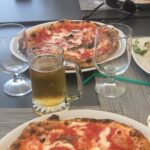
You’ll also sit down to eat what you made, including pasta chitarra with amatriciana sauce and ravioli filled with sheep ricotta and lemon zest. Then there are finishing touches like butter and sage sauce, plus the usual Italian pairing logic: wine makes sense with this food.
One reason this stop gets praised is the instructor feedback. Many guides are singled out in a positive way, with names like Valentina, Valter, Lauriana/Loriana, and Arianna showing up repeatedly in how people describe the experience. The consistent thread is patience and hands-on correction, so you’re not just rolling dough—you’re learning how to get it right.
Potential drawback here is also simple: this takes focus. If you’re traveling with someone who doesn’t want to cook, they’ll still be in the room. The good news is that the tour offers alternative beverages for kids and non-drinkers, but the activity itself is still active and hands-on.
San Cosimato food market and butcher-shop tastings that explain the flavors
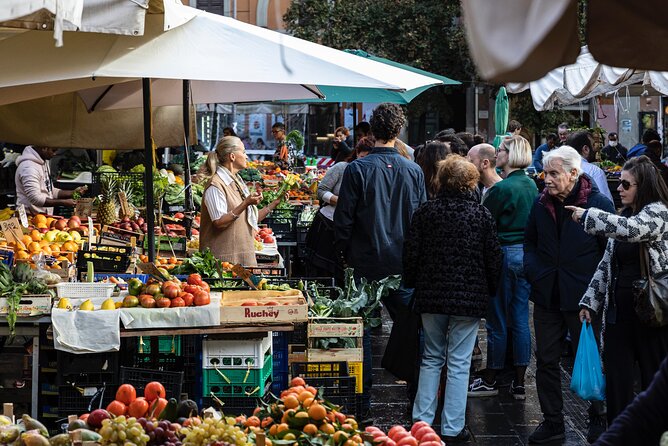
A big value of this experience is that it doesn’t treat ingredients like background scenery. You also visit the San Cosimato food market and taste local specialties, including porchetta and other deli and market foods.
This is where the class makes cultural sense. You see the food supply chain in miniature. Instead of learning pasta theory, you learn the kind of products Romans buy and why a dish tastes the way it does.
You’ll also pick up ingredients and sample street food at a famous butcher shop in Trastevere. That’s one of the smartest uses of time on a pasta tour: you get to taste Roman favorites and connect them to what you’ll cook later. It turns the whole evening into a loop of seeing, tasting, and then making.
Fatamorgana gelato: the real-vs-fake lesson
Every great food day in Italy ends with something cold and sweet. At Fatamorgana, you enjoy organic gelato and also learn to spot differences between real gelato and fake.
This is a surprisingly useful mini-lesson because it trains your eye and your expectations. You’ll start noticing texture, intensity, and how gelato should feel compared to the more imitation-style sweets you might run into elsewhere.
This final stop also serves a practical purpose. After pasta-making and wine, gelato is a gentle landing. It keeps you from leaving only half-satisfied, especially if you didn’t realize how much food you’d get across the tour.
You can also read our reviews of more tours and experiences in Rome

What you’re really eating in this 3-hour format
It helps to know what the evening is built around: you’ll eat more than just one dish. Your day flows through several tastings, then the workshop meal.
Based on the provided stops and what’s included, here’s what you should expect to eat and drink through the evening:
- Porchetta-focused tastings early on (including pizza bianca at La Norcineria di Iacozzilli)
- Cheese and egg ingredients discussed and used in the pasta session (Parmigiano and sheep ricotta)
- Wine during the pasta-making experience, with alternatives available for kids and non-drinkers
- Your own handmade pasta: fettuccine shaped by you, plus ravioli filled with sheep ricotta and lemon zest
- A meal that includes pasta chitarra with amatriciana sauce
- Organic gelato at the end, plus a quick education on what makes gelato gelato
In other words, this isn’t a “light class.” It’s a food tour plus cooking. That’s why it gets such a high recommendation rate and a 4.9 overall rating from hundreds of people.
Price and value: what $100.37 is buying you
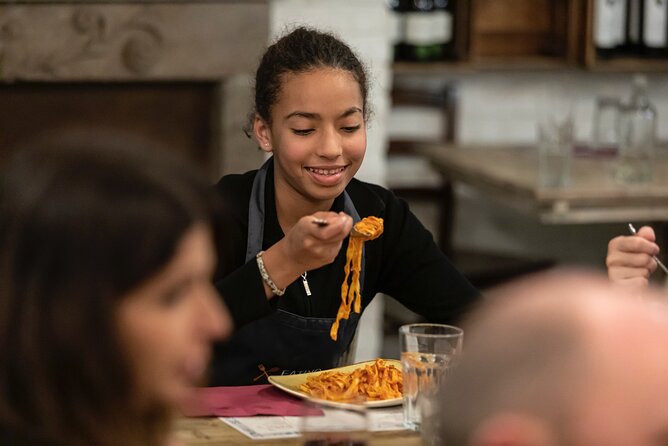
At $100.37 per person, the obvious question is whether you’re paying for pizza and wine, or for a real teaching experience.
Here’s the value math that makes sense for this tour:
- You’re paying for small-group instruction (max 12), not a big show
- You get a food tour component with multiple tastings and market/shop stops
- You’re included in the cooking process and then you eat what you make
- Wine is part of the flow, and the guide is local and English-speaking
So you’re not just buying a meal. You’re buying ingredients education, technique practice, and a guided route through Trastevere food culture. If you’ve ever taken a “walk and watch” cooking demo, you’ll feel the difference fast.
One more point: the class timing is tight at about 3 hours. That’s good value when you’re on a short Rome trip. You get a lot done without stealing an entire evening for one single dish.
Who this works best for (and who should adjust expectations)
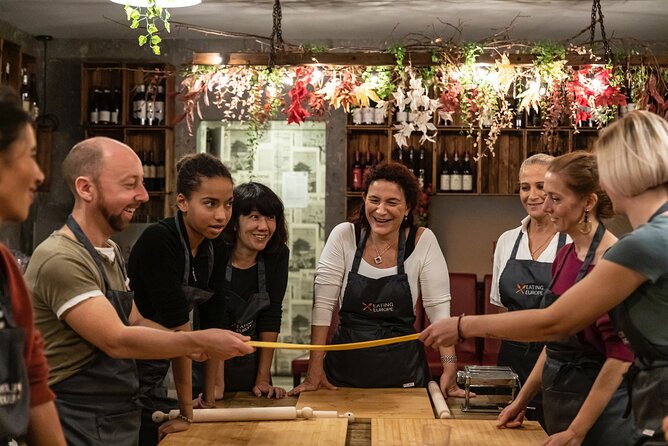
This tour is built for people who want their Italy day to include actual participation. If you like the idea of making something you can bring home mentally, this is a strong fit.
It also works especially well if you enjoy social travel. The small size creates an easy pace for meeting people during shaping, tasting, and eating together.
You might want to think twice if:
- You’re only interested in sightseeing and don’t want to spend time cooking and sitting for the meal
- You have severe or life-threatening allergies, since the experience isn’t suitable in that case
- You’re expecting a quiet, low-intensity class. This one is lively and food-heavy
Dietary needs can often be accommodated for vegetarians and gluten-free guests if you email or add a note when booking. Still, for safety, the tour can’t take responsibility for severe allergy situations—so be honest about your needs before you sign up.
Practical tips so you don’t waste the experience
A few straightforward moves can make this trip smoother:
- Come hungry. This is the recurring theme that people remember most. You’ll eat across multiple stops, and then you’ll eat your pasta.
- Expect to handle dough. Comfortable clothes help, and you’ll probably want to keep your phone secure when your hands get busy.
- If you don’t drink, plan to use the non-drinker options the tour offers. That can keep the experience enjoyable without forcing alcohol into your night.
- If you’re traveling with kids, know that kids under 4 can join for free but food isn’t included, while ages 4 and up have paid tickets with food.
Also: the meeting point is Via Natale del Grande, 46 and the experience ends at Via Roma Libera, 11. Do yourself a favor and locate both on the map before you head out, especially in Trastevere side streets.
Should you book the Rome Trastevere pasta making class?
Book it if you want a hands-on fresh pasta lesson wrapped inside a genuine Trastevere food walk. The combination is the selling point: market and butcher tastings, ingredient education, real cooking time, and a gelato finale.
Skip it or consider an alternative if your priority is only major Roman sights and photos, not food culture. This evening is about eating and learning through local shops and one classic trattoria—not about ticking off monuments.
If you’re a foodie, a pasta fan, or you simply want a memorable night that feels unmistakably Roman, this is the kind of class that gives you something to talk about later. You’ll leave with dough skills, flavor context, and a better sense of why Roman pasta tastes the way it does.
FAQ
How long is the Rome Trastevere pasta making class?
The class runs for about 3 hours.
What group size should I expect?
The maximum group size is 12 travelers.
Is the tour offered in English?
Yes, it’s offered in English with a local English-speaking guide/chef.
Does the experience include wine and gelato?
Yes. It includes wine with the pasta experience and finishes with gelato at Fatamorgana.
Can the class handle dietary restrictions like vegetarian or gluten-free?
They do their best to accommodate vegetarians and gluten-free guests if you email or add a note at booking. Severe or life-threatening food allergy situations aren’t suitable for this experience.
Where do I meet, and where does it end?
You meet at Via Natale del Grande, 46, 00153 Roma RM, Italy, and it ends at Via Roma Libera, 11, 00153 Roma RM, Italy.