REVIEW · ROME
Rome: Traditional Pizza Cooking Class near Piazza Navona
Book on GetYourGuide →Operated by IPM COETUS SRL · Bookable on GetYourGuide
Roman pizza class on a historic square means you get food and atmosphere in one go, without any prep. I love that you start hands-on, working the dough and shaping your own Pizza Romana with a real chef teaching the logic behind the steps.
I also like that the experience doesn’t end when the oven timer buzzes. Afterward, you sit right in Osteria Pasquino and are treated like you belong there, with drinks and a full meal rhythm that makes the class feel worth the time.
One consideration: the “included drinks” can feel a little rule-based. If you plan to skip prosecco or switch to soda, ask what counts as your included option, so there are no surprises later.
In This Review
- Key takeaways before you go
- Where the class actually happens: Osteria Pasquino near Piazza Navona
- The value question: why $46 can make sense in Rome
- What you do during the pizza class: dough, stretching, toppings, and baking
- Drinks and food after class: the osteria experience continues
- The instructors: names you might get, and why it matters
- Best for whom: families, first-timers, and pizza lovers
- How to plan your evening around this class
- What makes it feel authentic, not touristy
- Downsides to weigh before you book
- Should you book this pizza cooking class near Piazza Navona?
- FAQ
- How long is the pizza cooking class?
- Where do I meet the group?
- Is the class taught in English?
- Do I need any cooking experience?
- What’s included with the price?
- Is there a welcome drink before the pizza?
- What about dietary needs?
- Is this class suitable for kids?
- Is it gluten-free?
- What if my plans change?
Key takeaways before you go
- Small group (max 10) means you get real attention while you shape dough and choose toppings
- Osteria Pasquino on Piazza di Pasquino 1 puts you in a classic Roman setting right by Piazza Navona
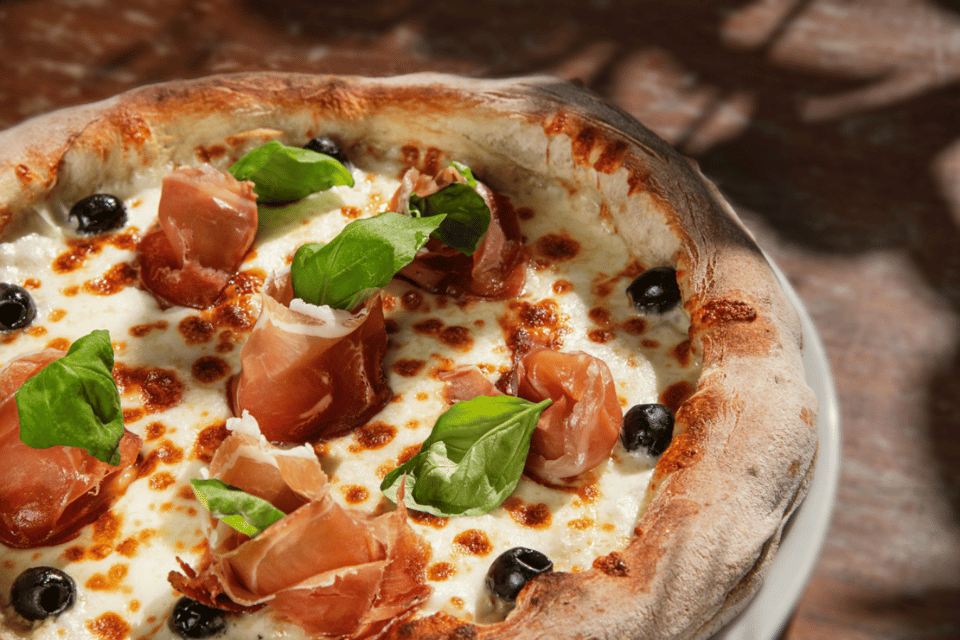
- From dough to baking to eating: you make it, then you actually enjoy it in the restaurant you’re standing in
- Prosecco welcome plus meal service: you’re not just doing a demo, you’re getting the full osteria experience
- English instruction keeps the technique clear without slowing down the cooking
- Dietary options available for vegetarian and other needs if you tell the provider ahead of time
Where the class actually happens: Osteria Pasquino near Piazza Navona
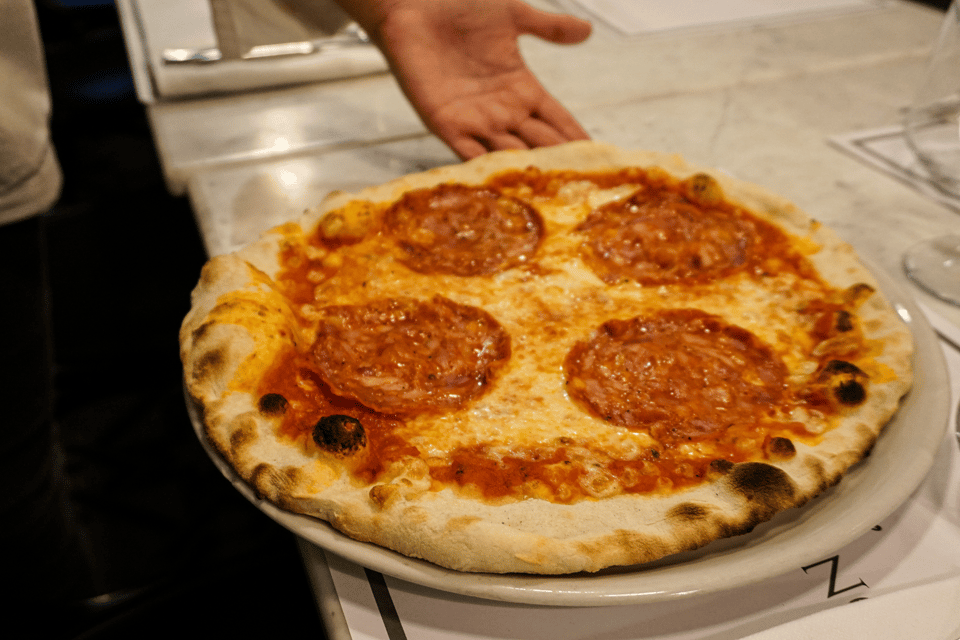
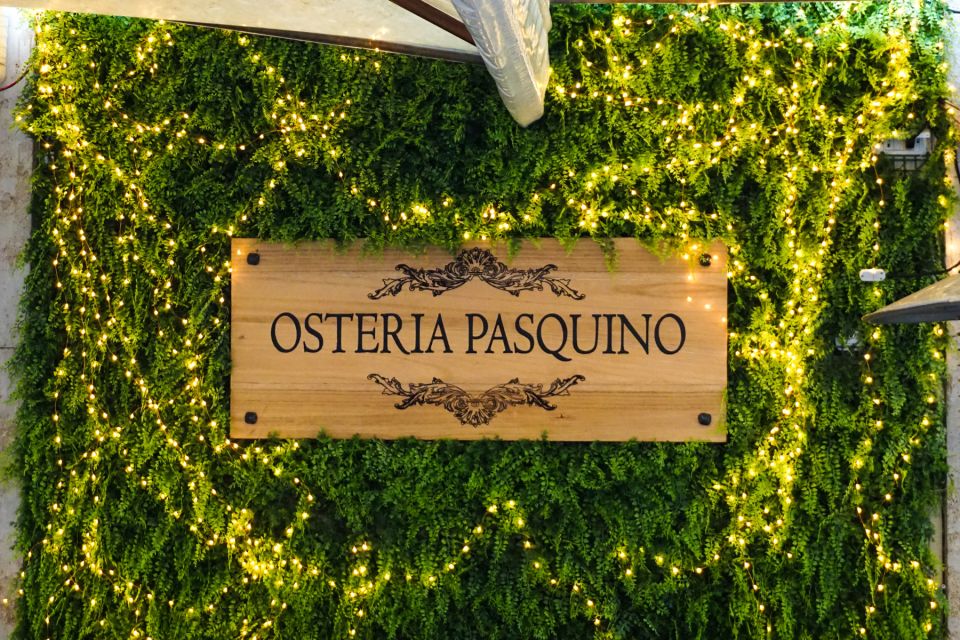
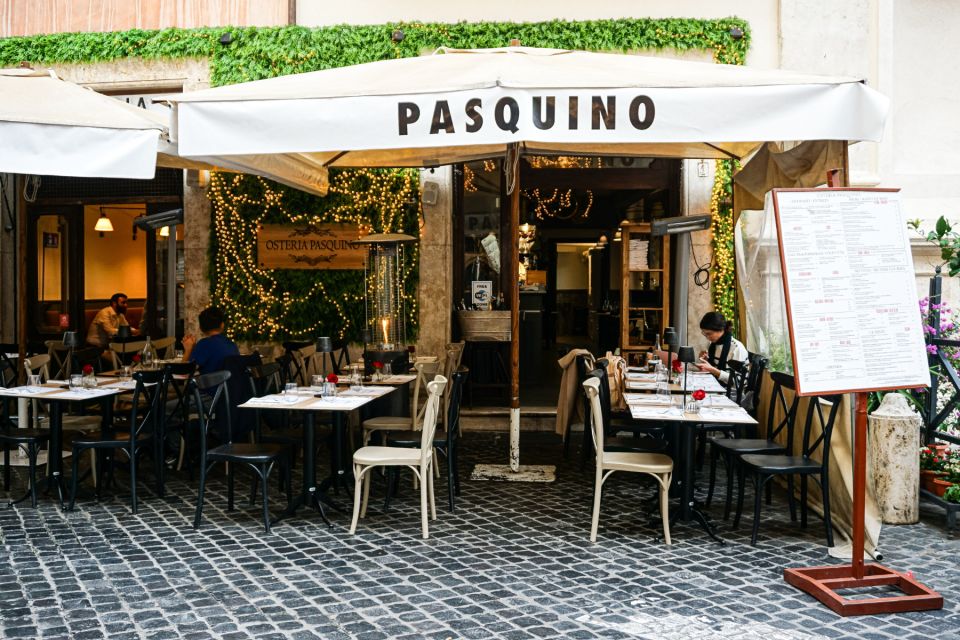
This pizza class is anchored at Osteria Pasquino, on Piazza di Pasquino 1, in the historic center. It’s the kind of location where you can feel the city’s rhythm just by standing there: stone around you, people drifting through the square, and the smell of food doing its job.
Here’s the practical part. You meet inside the restaurant, not out on the street. When you arrive, ask a waiter to escort you to the class area. A number of people note that the outside can be a bit confusing, so don’t overthink it—go straight to staff and let them point you to the right room.
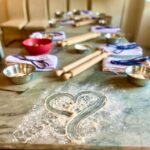
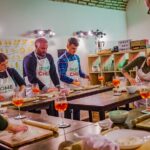
The class runs for 2 hours, and it’s taught in English. The group is limited to 10 participants, which matters because pizza-making is physical. If you’re working dough and stretching it thin, you want space, time, and a teacher who can correct your hand position before you lose your shape.
You can also read our reviews of more cooking classes in Rome

The value question: why $46 can make sense in Rome
At $46 per person for a 2-hour experience, you’re paying for three things: instruction, a meal experience, and drinks that are integrated into the evening.
In practical terms, you’re not only paying for a cooking lesson. The package includes an instructor, coffee and tea or limoncello (your choice in the flow), bottled water, and a glass of wine or a small beer. On top of that, the restaurant setup includes a welcome prosecco and an osteria meal service with appetizers (bruschetta) before or alongside your pizza.
That’s the value play. If you were to do pizza-making elsewhere without the restaurant meal, you’d feel like you paid for technique only. Here, your pizza becomes the dinner centerpiece, which is why the price feels more reasonable than it looks on paper.
What you do during the pizza class: dough, stretching, toppings, and baking
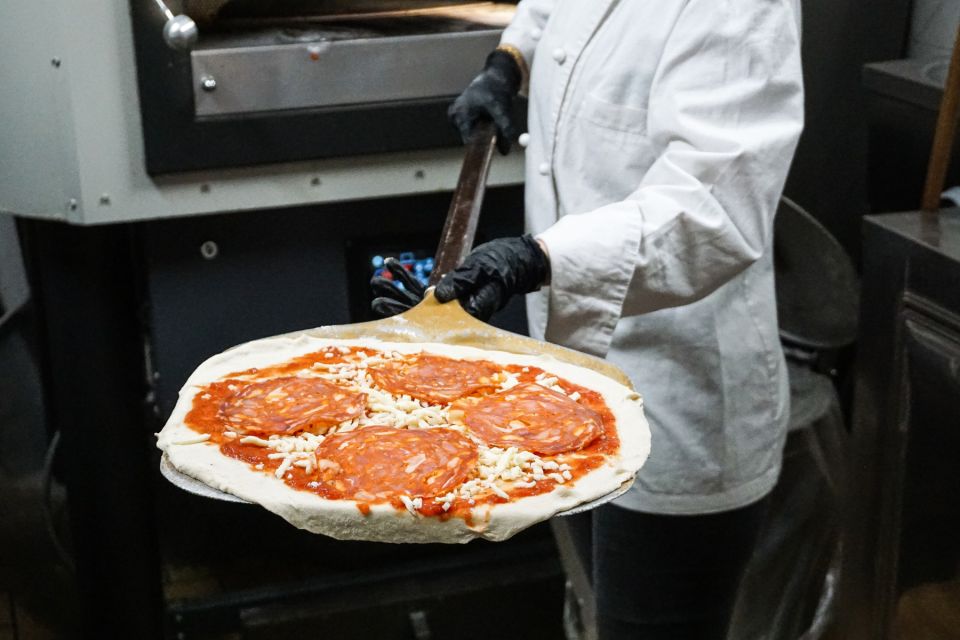
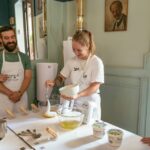
This is a hands-on Roman pizza class designed for people with no previous experience. The best part is that you aren’t guessing. Your instructor walks you through the steps, and you do the work yourself.
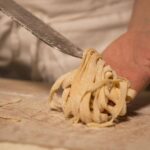
From the ways different chefs teach, you can expect the lesson to cover the fundamentals of dough and the mechanics of shaping. One common theme in the class stories is working from flour, yeast, and water, then learning how to handle the dough so it turns into a thin, pizza-ready base without turning into a sticky mess.
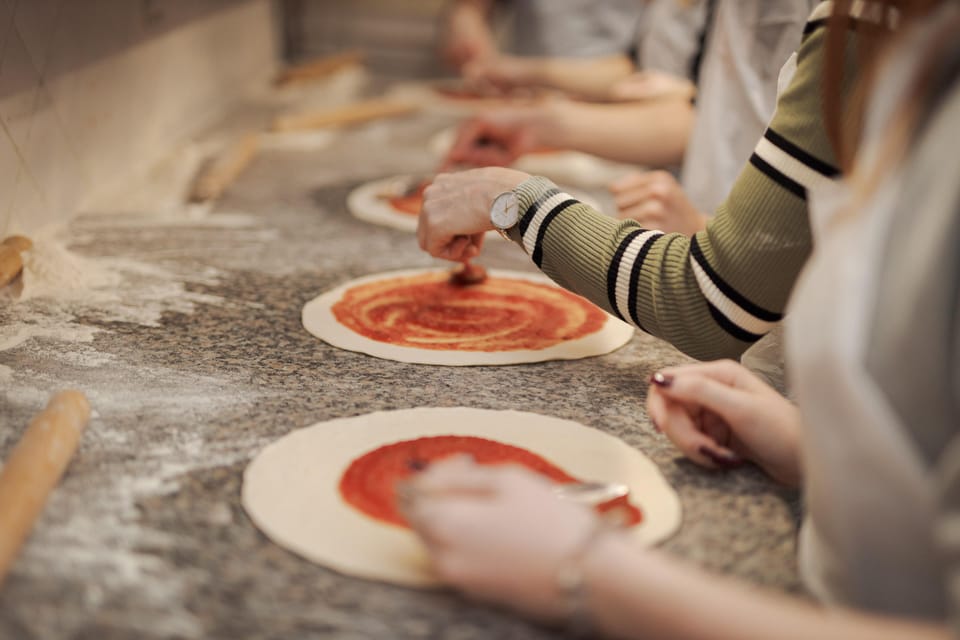
Then comes the fun part: stretching and shaping. In at least one class, the instructor emphasizes how tossing the dough from one hand to the other helps remove excess flour and keeps the dough light. You also get to choose toppings. Expect a real selection rather than a sad one-option situation.
When your pizza is ready, it goes into the oven. Some instructors use language like quick “baking time” and describe it as a short blast, meaning you get that classic pizza moment where you watch it transform rather than waiting forever like it’s a bread loaf.
A note for your expectations: the pizza-making part is meant to be efficient. Even though the total duration is listed as 2 hours, a few people have experienced the session running shorter in certain circumstances. If you’re hoping for an ultra-slow, detailed masterclass, keep the format in mind: it’s a lively group class that moves.
Drinks and food after class: the osteria experience continues
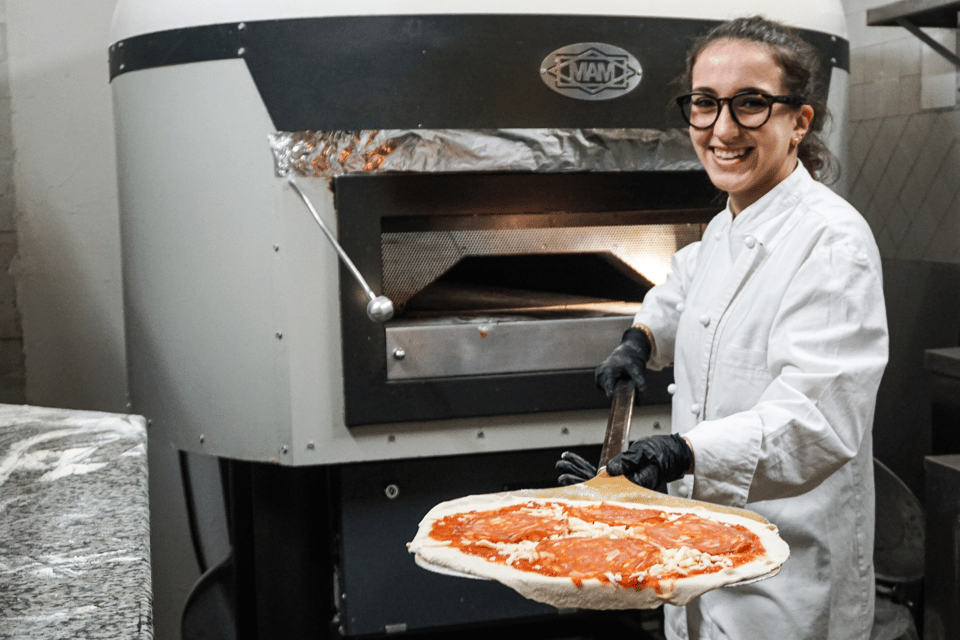
The class doesn’t kick you out afterward. Once you finish cooking, you’re seated at the osteria and served by the waiters. That matters because it changes the tone from “activity” to “dinner.”
Your experience includes an appetizer—bruschetta—plus service with water and a drink. Depending on your choices during the process, you’ll be offered a glass of wine or a small beer, and there may also be soda options. After you finish your pizza, you get either limoncello or coffee.
You’ll often hear this described as a highlight: making the pizza, then eating it moments later in the same restaurant setting. That timing is not just convenient; it’s how you taste your work while everything is still fresh and warm.
One small caution from a negative moment: if you change your drink preference (for example, skipping the included prosecco welcome), ask how that affects later included drinks with dinner. One person reported being charged for a later drink after choosing soda early. Not everyone has that issue, but it’s a smart question to ask so you can relax.
The instructors: names you might get, and why it matters
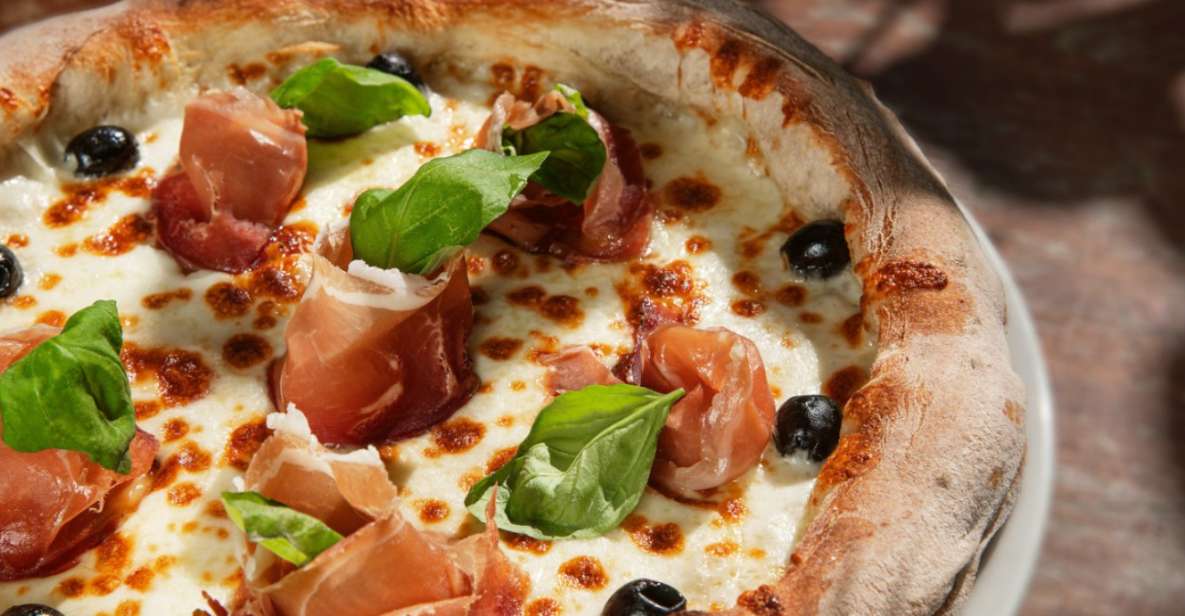
The class is led by professional chefs/instructors, and the teaching style is repeatedly praised. Names that show up in people’s experiences include Luca, Elisa, Simone, Sara, Ana, Georgia, Alessandra, and Alexandria.
What’s common across these instructors is the balance: teaching that stays practical, plus a friendly pace. You can tell they want you to succeed. A lot of the best feedback is about how the chef keeps the group calm and moving while correcting technique without making it feel serious or stressful.
You don’t need to be “good at cooking” before you arrive. The instructors are there to make the steps workable for a mixed group—couples, solo travelers, and families.
You can also read our reviews of more tours and experiences in Rome


Best for whom: families, first-timers, and pizza lovers
This is designed for beginners. You’ll feel comfortable even if you’ve never rolled dough before.
It’s also a strong choice if you’re traveling with kids who are old enough to handle the activity responsibly. The class isn’t suitable for children under 5, but families have done it with kids from around school age through teens and report that everyone had a good time. Pizza-making is one of those activities that turns kids from “spectators” into “helpers.”
If you’re a serious pizza nerd, this can still be fun because you’ll learn the mechanics behind Roman-style technique: dough handling, thinning, and the way toppings are applied. It’s not presented as a lab course; it’s more like learning how to build a good pie using reasoning you can repeat later.
How to plan your evening around this class
Because it’s near Piazza Navona, it slots naturally into your day. You can spend your late afternoon wandering the area, then head over when your appetite kicks in.
Wear something you’re comfortable with. Pizza dough is messy by nature, even when instructions are good. You’re not cooking over an open flame in your street clothes, but you might get a little flour on your hands.
If you have dietary needs, you’ll want to communicate them during booking. Vegetarian options are supported, and other diets can be accommodated if you tell the provider in advance.
And if gluten intolerance is on your list: this activity is not suitable for people with gluten intolerance. That’s a dealbreaker item to respect.
What makes it feel authentic, not touristy
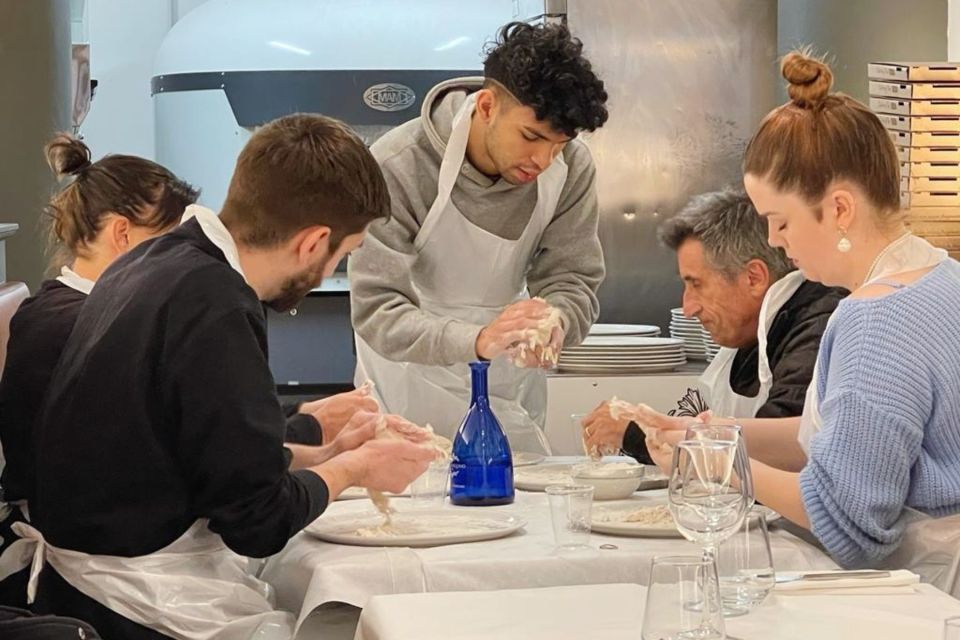
A big reason this class lands well is that it treats pizza as culture, not just food. You’re taught in an osteria setting, with a welcome drink and restaurant service that continues after you cook.
You also get little teachable moments that go beyond the mechanics. In one story, an instructor talked about how pizza dough can take 24 to 48 hours to rise, and that in at least one context, leftover pizza/dough ends up being used to feed people in need. Even if that part isn’t repeated in every session, it points to how the class frames pizza as real local practice.
That’s the kind of detail that makes you walk away thinking: I’m learning how locals do it, not just how a showroom schedules it.
Downsides to weigh before you book
No experience is perfect, so here’s what you should keep in mind:
- Drink preferences can matter. If you’re picky about alcohol vs soda, ask what counts as your included drink as you arrive, not after dinner.
- Meet-up clarity: you meet inside Osteria Pasquino. If you arrive from the square, expect to ask staff to escort you.
- Time pacing: pizza classes move. If you want a slow, deep technical course, the group format may feel brisk.
- Not for gluten intolerance: this is explicitly not suitable if you need gluten-free.
Should you book this pizza cooking class near Piazza Navona?
If you want a fun, beginner-friendly way to learn Roman pizza while also getting a proper dinner in a historic Roman osteria, I think this is an easy yes. The combo of small group size, hands-on dough work, and the fact that you sit down afterward with bruschetta and drinks is what makes it a standout value.
Skip it if you need gluten-free cooking, or if you’re extremely sensitive to drink-rule details and don’t want to ask questions. Also, if you prefer purely structured instruction with no social restaurant feel, you might prefer a different type of cooking class.
If you like food you can make with your hands and then eat immediately in the same charming space—book it. This is exactly the kind of Rome moment that turns a meal into a story you can recreate.
FAQ
How long is the pizza cooking class?
The class lasts 2 hours.
Where do I meet the group?
Meet inside Osteria Pasquino on Piazza Pasquino 1. Ask a waiter to escort you to the class.
Is the class taught in English?
Yes, the instructor teaches in English.
Do I need any cooking experience?
No prior experience is required.
What’s included with the price?
You get the instructor, bottled water, coffee and tea or a glass of limoncello, and a glass of wine or a small glass of beer. You’ll also receive prosecco as part of the welcome and bruschetta during the experience.
Is there a welcome drink before the pizza?
Yes, there is complimentary prosecco on arrival.
What about dietary needs?
Vegetarian and other diets are supported if you inform the activity provider when booking.
Is this class suitable for kids?
It’s not suitable for children under 5. Older children and teens have enjoyed it in past sessions.
Is it gluten-free?
No. It’s not suitable for people with gluten intolerance.
What if my plans change?
There is free cancellation up to 24 hours in advance for a full refund.