REVIEW · ROME
Rome: The Vatican Market Experience Tasting and Class
Book on GetYourGuide →Operated by LocalCoolTour · Bookable on GetYourGuide
Four hours in the Vatican food world. You start at the Mercato Trionfale with a local Foodie, sample Roman favorites with wine, then finish by cooking a classic and getting the Vatican stories behind the flavors.
I love that it is hands-on—your ingredients come straight from the market, and you make Pasta Carbonara yourself. I also love the pairing of food and place, since your guide explains what you’re eating while walking through the Vatican quarter’s history.
The only catch is the pace: this is a packed food-and-wine schedule for about four hours, so if you prefer slow sightseeing or low-alcohol experiences, plan to go easy from the first tastings.
In This Review
- Key highlights before you go
- Mercato Trionfale: where Romans actually shop
- Your local Foodie, plus Vatican-quarter context that actually sticks
- The tasting route: bruschetta, Roman pizza, supplì, porchetta, cheese, and wine
- Bruschetta and Roman pizza slices
- Supplì: Rome street food you should learn to recognize
- Porchetta, bufala mozzarella, and goat cheeses
- Homemade bread, olive oil, and truffle touches
- Wine pairings that help you taste better
- Cooking class: making Pasta Carbonara with market ingredients
- What to expect in the kitchen
- Gelato and the Vatican story payoff
- Value: what $155.20 buys you (and what it doesn’t)
- Timing, group style, and what kind of traveler it fits
- Who should book it
- Who might not
- Practical tips to get the most from the market and kitchen
- Should you book this Rome food-and-history tour?
- FAQ
- How long is the Vatican Market Experience Tasting and Class?
- What is the meeting area for the tour?
- Is this a private tour?
- What languages are the guide available in?
- What food and drinks are included?
- Do you cook something during the tour?
- How many stops are there in the market?
- Is the tour accessible for wheelchair users?
- Can the tour handle dietary restrictions like vegetarian, vegan, or celiac?
Key highlights before you go
- Mercato Trionfale route: you hit 6 stops inside the market instead of wandering randomly
- 10+ tastings with wine pairings: plus a non-alcoholic drink to balance things out
- Real cooking class setup: buy ingredients at the market, then cook carbonara in a kitchen nearby
- Vatican history told through food: your Foodie connects popes and religious buildings to what you taste
- Dietary flexibility: vegetarian, vegan, and celiac options can be adapted
Mercato Trionfale: where Romans actually shop
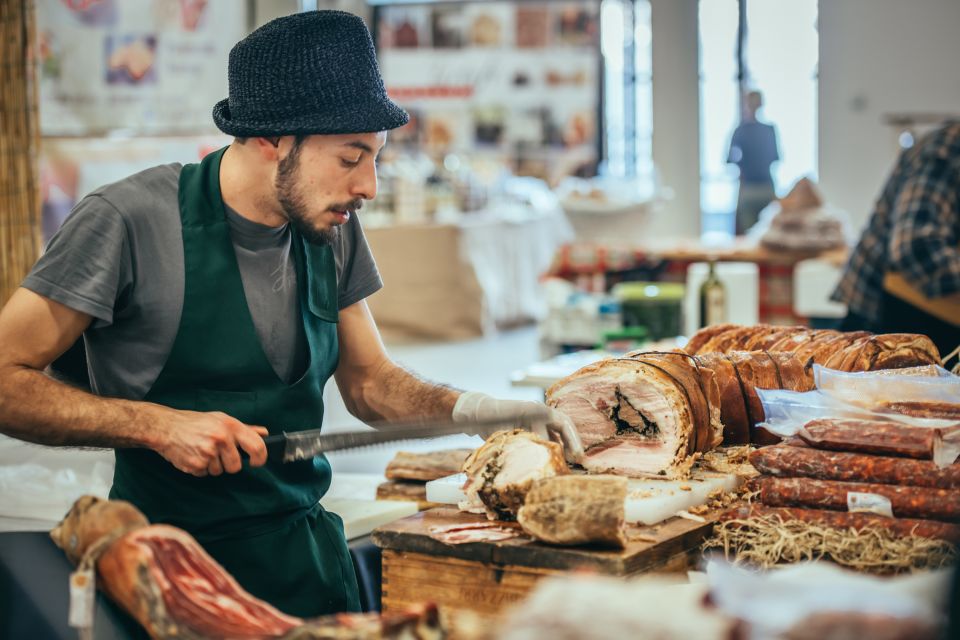
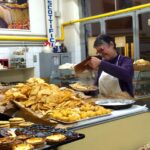
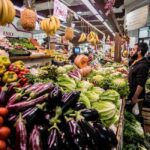
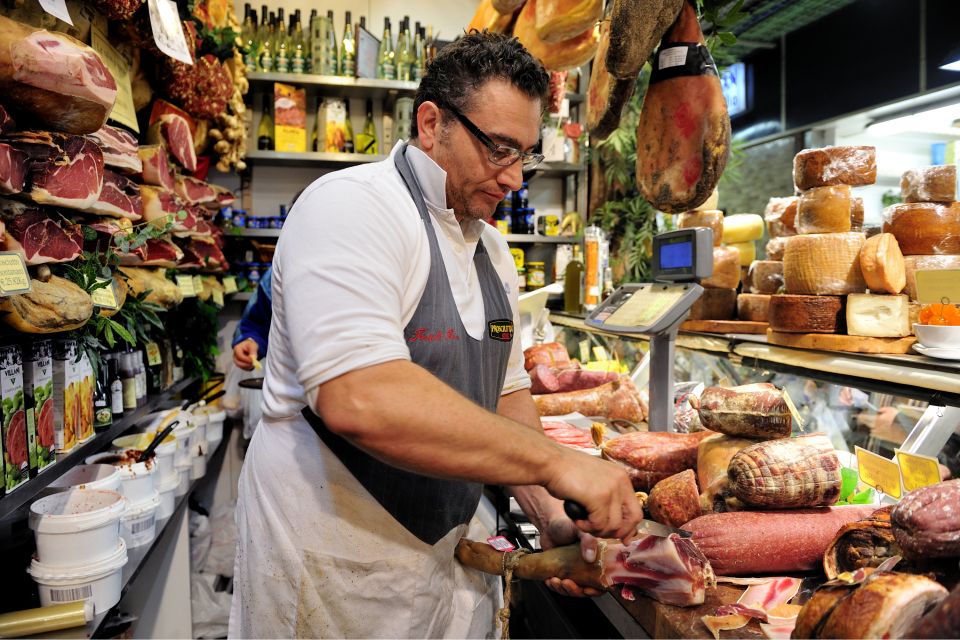
The heart of this experience is Mercato Trionfale, in the Vatican area. The market is enormous—nearly 300 stalls—and the point isn’t to tour every corner. The point is to walk a smart route and taste the kinds of foods Romans buy when they want dinner that tastes like home.
You’ll spend your time at the right counters: produce, cheese, cured meats, seafood and spices, plus wine. That matters because Rome food isn’t about fancy tricks. It’s about getting high-quality ingredients that taste good even before you add anything.
With this tour, you’re not stuck with a single snack plate. Instead, it turns into a full tasting route that builds from simple flavors (bread, olive oil) to more Roman-heavy items (pizza slices, supplì, porchetta). You finish the market experience with a clear sense of what makes Roman cuisine Roman.
You can also read our reviews of more food & drink experiences in Rome
Your local Foodie, plus Vatican-quarter context that actually sticks
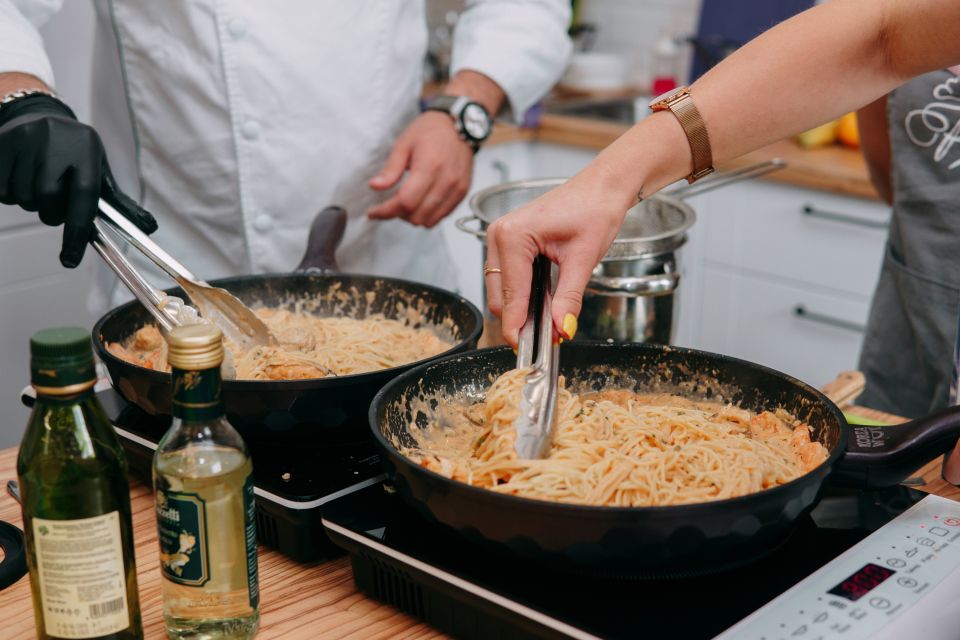
Food tours can get stuck in one lane: eat, smile, repeat. What makes this one different is the way your guide ties the stories of the Vatican neighborhood to the food.
Your Foodie guide isn’t just passing through. They know the area and own a small restaurant, so you get a sense of how this neighborhood works day to day—not only what tourists see. During the tour, expect explanations about the Vatican, the popes, and the religious buildings nearby.
That historical framing is useful because it gives you a mental map. When you later walk past churches or landmarks on your own, you’re not starting from zero. You already know what questions to ask, like why certain places mattered to certain eras, and how Rome’s everyday life runs alongside its big religious identity.
In one described experience, the guide name came up as Elisabetta (sometimes mentioned as Elizabeth). The standout detail: she didn’t treat the tour like a script. She went the extra mile, chatting with vendors and making the market feel warm and welcoming—so your few words of Italian feel useful instead of awkward.
The tasting route: bruschetta, Roman pizza, supplì, porchetta, cheese, and wine
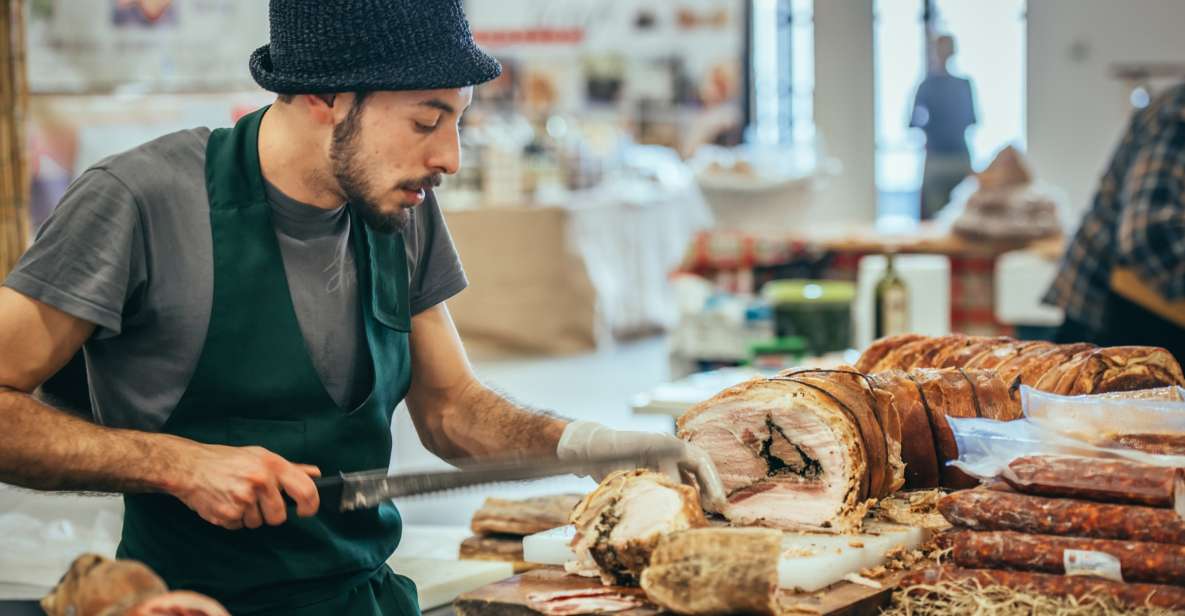
This is not a light sampler. The tour builds a sequence of tastes across 6 market stops, with more than 10 different items and 3 glasses of wine plus 1 non-alcoholic drink.
Here’s how the tasting experience tends to feel, item by item, and why each piece matters.
Bruschetta and Roman pizza slices
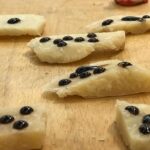
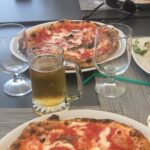
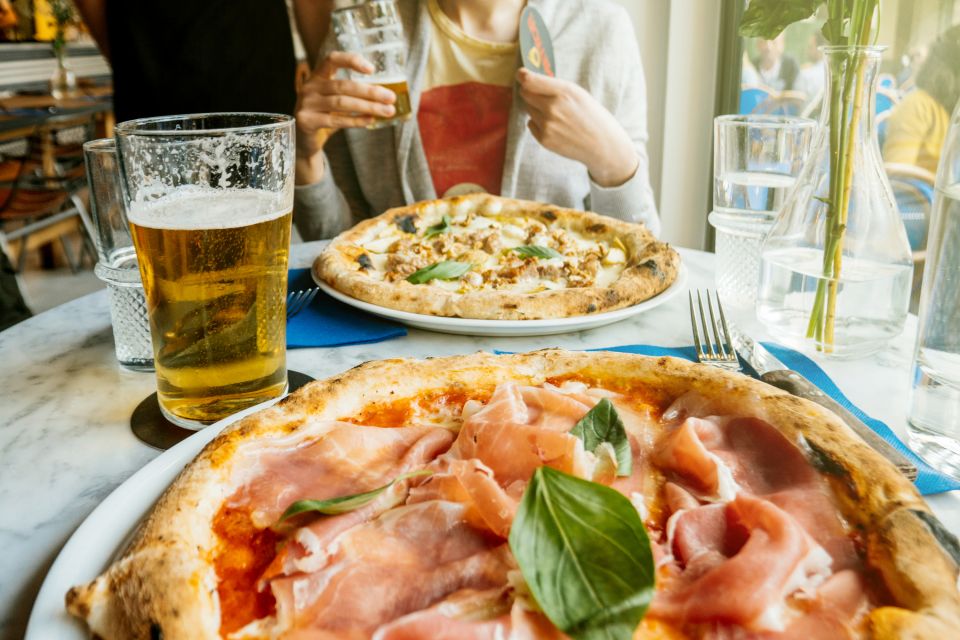
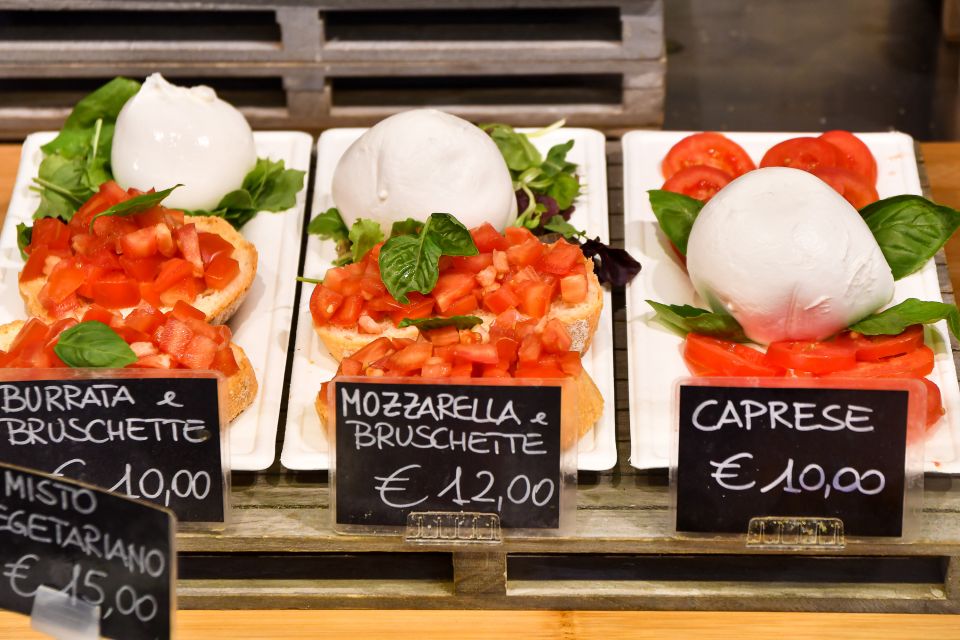
You start with classic bread-based bites like bruschettas, plus a selection of traditional Roman pizza slices. This stage is about technique you can taste quickly: good bread, balanced toppings, and the kind of simplicity that only works when ingredients are strong.
If you’re the type who thinks pizza is pizza anywhere, this helps reset your expectations. Roman pizza has its own texture and style, and the market context makes the difference feel more real.
Supplì: Rome street food you should learn to recognize
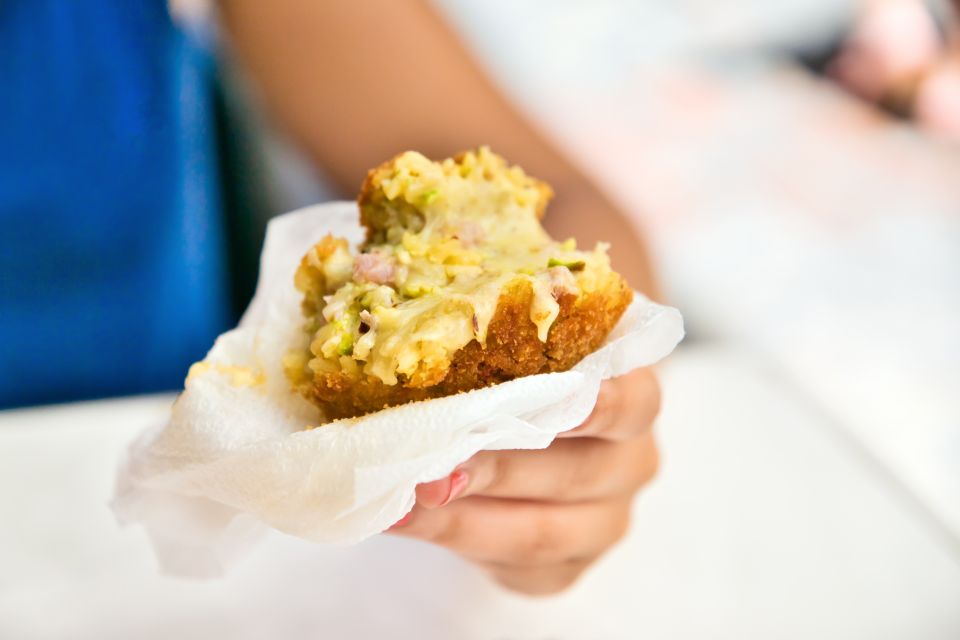
Next comes supplì, those rice croquettes filled with peas and minced meat. They’re a street-food favorite for a reason: you get crunch on the outside, comforting rice on the inside, and a savory filling that tastes deeply local.
The best part is that supplì also teaches you what Roman cooking does with leftovers and pantry staples. It’s food that turns practical ingredients into something worth stopping for.
You can also read our reviews of more shopping tours in Rome
Porchetta, bufala mozzarella, and goat cheeses
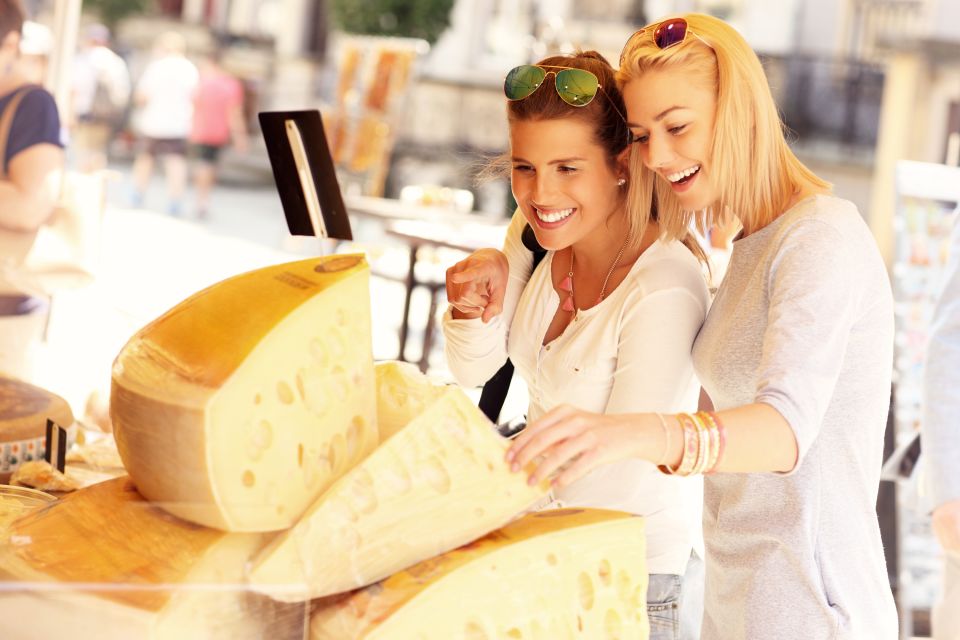
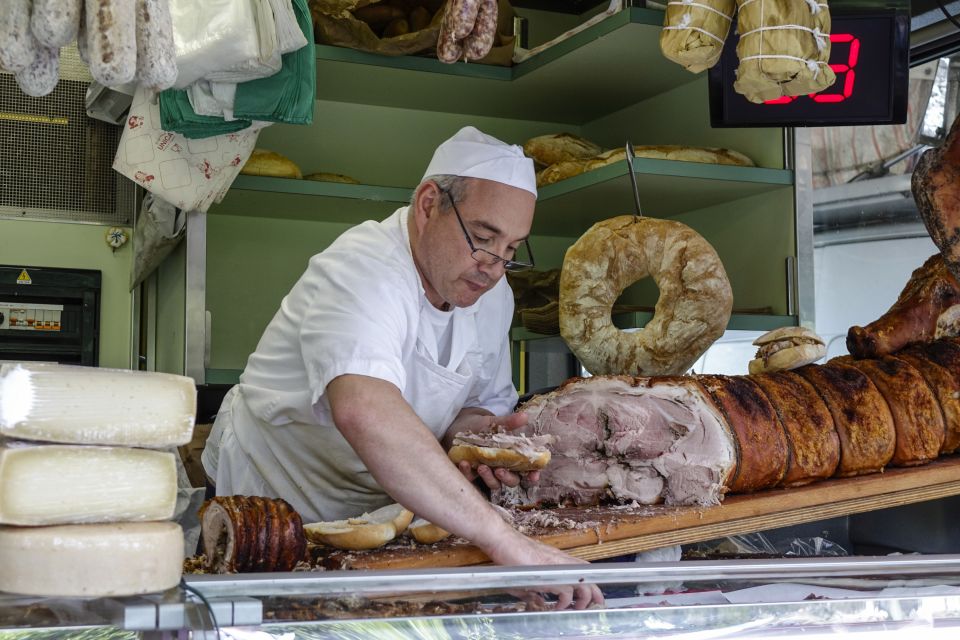
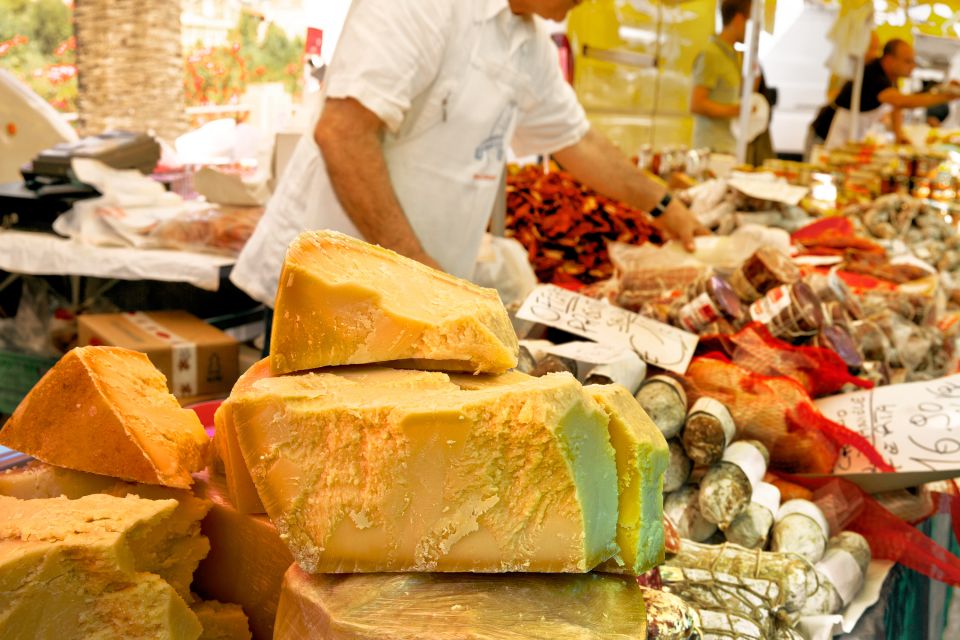
You’ll taste porchetta and bufala mozzarella, plus different goat cheeses. This is where the tour shifts from snack to “okay, I get why people argue about cheese.”
Taste your way through fat and salt. Porchetta brings richness; mozzarella gives softness and a milky tang; goat cheeses add a sharper bite. Even if you only think you like one or two types of cheese, this lineup often helps you figure out which flavor direction you actually enjoy.
Homemade bread, olive oil, and truffle touches
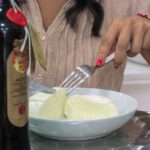
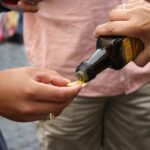
Expect homemade bread and olive oil, plus truffle delicacies. Truffle can be overpowering if you’re not careful, so it’s nice that you’re tasting it as part of a broader sequence, not as the only star.
The olive oil piece is the quiet hero. With a good spoonful—on bread—it becomes clear why Italians treat oil like an ingredient you choose, not something that just shows up in a bottle.
Wine pairings that help you taste better
Wine is included, and the pairings are part of the point. You’re trying wine alongside the food, not as a separate activity. That’s practical: it trains your palate for how Rome flavors tend to work with acidity and fat.
And again, because it’s included, you’re spared the guesswork of ordering wrong at a restaurant and then having to commit anyway.
Cooking class: making Pasta Carbonara with market ingredients
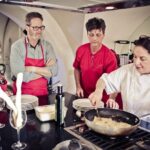
After the market route, you head to a cozy kitchen close by, where you do the real work. You’ll cook Pasta Carbonara using fresh products you bought at the market. This is the part of the experience that I think makes it worth seeking out compared with a pure tasting walk.
Why? Because carbonara is one of those dishes people think they understand—until they actually try to make it. The market ingredients matter because carbonara isn’t built on sauce magic. It’s built on balance: the right cured meat, good egg-and-cheese handling, and timing.
You’ll also get to eat what you make. The tour includes 1 dish of carbonara cooked during the class, so you’re not just learning technique in theory.
In the most glowing accounts, the cooking portion went further than the basics. One guide named Elisabetta reportedly even involved her mother during part of the experience, with extra hands-on tips during prep. That’s not guaranteed every time, but it matches the overall theme: this tour isn’t cold or robotic. It’s lived-in.
What to expect in the kitchen
You’ll work in a small setting rather than a huge cooking show. That usually means you can ask questions without feeling rushed, and you’ll get help if your confidence runs low (carbonara punishes nerves faster than flour punishes clumsiness).
If you’re traveling with food sensitivities, the tour can adapt to vegetarian, vegan, or celiac needs. Don’t wait until you arrive—if you have restrictions, communicate them when you book so they can plan the right substitutions.
Gelato and the Vatican story payoff
The tour doesn’t end with dinner. It ends with gelato—one of the more prestigious in Rome, served as the final treat.
More importantly, your guide ties the tasting and cooking back to place: the Vatican, the popes, and the religious buildings around you. That closing rhythm helps your brain connect the dots between big history and everyday meals.
It also gives you a nice pause before you re-enter Roman walking mode. After a few tastings and cooking, the gelato works like a palate reset—sweet, cold, and clean.
Value: what $155.20 buys you (and what it doesn’t)
At $155.20 per person for a 4-hour private experience, this isn’t a “grab a snack and go” deal. So I always look at value in three layers:
1) You’re paying for a guided market route. Mercato Trionfale is huge. Getting 6 organized stops plus a clear tasting sequence is more efficient than trying to plan it solo.
2) You get both tasting and a class. Many tours give you food. Fewer turn that food into an actual dish you cook. Here, you taste across the market and then make carbonara in a kitchen nearby. That skill-transfer is a big part of why the price can feel reasonable.
3) Wine is included. You get 3 glasses of wine plus a non-alcoholic drink. If you were to order a similar amount at multiple places, the cost tends to add up quickly.
What the price doesn’t buy is freedom to linger anywhere. This tour runs like a real food program. If you want long rests, slow museum-style pacing, or lots of time for wandering on your own, you might feel the schedule.
But if you want concentrated value—market, cooking, and history all in one half-day—this is one of the more practical ways to do it.
Timing, group style, and what kind of traveler it fits
This is a private group tour, and it runs about 4 hours. That private setup is underrated. You’re not negotiating your way through a crowd of strangers while trying to learn how a real dish comes together.
Also, the guide experience matters. In the writeups you’ll find, people highlight how much the guide contributed: friendly conversations with vendors, small Italian phrases made more effective, and a strong mix of food and Rome history.
Who should book it
You’ll likely love it if you:
- Want a market experience with structure, not random wandering
- Enjoy cooking and want to take home a real technique for carbonara
- Like history, but prefer it tied to food instead of lecture-only facts
- Travel with dietary needs and want adaptations handled ahead of time
Who might not
You might skip it if:
- You dislike wine or heavy tasting schedules
- You want a low-activity, quiet walking tour
- You’re trying to do too much on the same day and can’t spare 4 hours
Practical tips to get the most from the market and kitchen
A few small moves will make a big difference.
Wear shoes you can stand in. Market floors and walking between counters add up. Bring a light layer too, since market air can shift as you move between indoor and outdoor sections.
If you want to use your Italian, pick two or three phrases beforehand and keep them simple. The tour experience tends to go best when your guide can help you connect with vendors, not just shop for you.
If you’re vegetarian, vegan, or celiac, tell the operator your needs clearly when you reserve. The tour says it can be adapted, but that only works smoothly when they can plan ingredient substitutions in advance.
And if you’re sensitive to alcohol, remember the tour includes wine. You’ll still have a non-alcoholic drink, so you can balance what you sip—but you’ll still be tasting a lot of flavors quickly.
Should you book this Rome food-and-history tour?
Yes—if you want a serious Roman food experience that includes both a market route and a hands-on cooking class. The best part is the chain: market ingredients lead to carbonara you cook yourself, then gelato and Vatican-quarter history tie it all together.
If you’re on the fence, ask yourself one question: Do you want Rome as a checklist of sites, or as a place you understand through what people eat and how they live nearby? This tour leans hard toward the second option—and it tends to be the kind of booking you’re glad you made when you’re done walking and hungry in the real world of Rome.
FAQ
How long is the Vatican Market Experience Tasting and Class?
It lasts about 4 hours.
What is the meeting area for the tour?
You tour the Vatican City district and specifically visit Mercato Trionfale.
Is this a private tour?
Yes. It’s a private group experience.
What languages are the guide available in?
The tour is offered with live guidance in English and Italian.
What food and drinks are included?
You’ll visit the market and enjoy 10 different tastes paired with 3 glasses of wine and 1 non-alcoholic drink. You also cook and eat 1 dish of Pasta Carbonara and have 1 gelato.
Do you cook something during the tour?
Yes. You learn how to cook Pasta Carbonara in a private cooking class.
How many stops are there in the market?
There are 6 stops in the market.
Is the tour accessible for wheelchair users?
Yes, it’s wheelchair accessible.
Can the tour handle dietary restrictions like vegetarian, vegan, or celiac?
The tour is adaptable to your needs, including vegetarian, vegan, and celiac options.