REVIEW · ROME
Rome: Taste in Testaccio gastronomic rarities in an aging cave
Book on GetYourGuide →Operated by Taste'accio · Bookable on GetYourGuide
A cave makes cheese taste better. In Rome’s Testaccio neighborhood, Taste’accio leads you underground to an urban aging cave where Lazio’s cheeses and cured meats naturally rest at about 10–15°C, just like they would have for centuries. I like that the experience is built around place: below the Monte dei Cocci, the setting is part of the flavor story, not just a cool photo stop.
I also like the hands-on rhythm. You learn how to cut cheeses properly, then you sample six Lazio cheeses and six cured meats from small local producers (DOL selection of Latium origin), with two glasses of wine to match. The cave also hosts periodic art exhibitions by emerging Roman artists, with Roman shards visible along the route. One possible drawback: it’s only 1 hour, so it’s a tasting session, not a long, slow meal or a deep museum tour.
In This Review
- Key highlights worth knowing before you go
- Why this cave tasting feels different in Rome
- The 1-hour flow: what you actually do underground
- 1) Visit the aging cave where products mature
- 2) Learn to cut cheese like a master taster
- 3) Taste six Lazio cheeses, then six cured meats
- 4) Add wine pairings that match the flavors
- 5) Art exhibitions inside the cave
- 6) Purchase options if you want to bring Lazio home
- Price and value: what $56.94 buys you in real terms
- Who this is best for (and who may want something else)
- Practical tips to get more from the tasting
- The cave setting: why it matters beyond the wow factor
- Should you book Taste’accio in Testaccio?
- FAQ
- How long is the Rome Taste in Testaccio gastronomic rarities tour?
- What will I taste during the experience?
- Where does the tour take place?
- Is the experience wheelchair accessible?
- What’s included in the price?
- What is the cancellation policy?
Key highlights worth knowing before you go
- Testaccio’s aging cave at 10–15°C: natural temperatures that support slow, even maturation.
- Cheese-cutting lesson: learn how to slice and present signature cheeses like a master taster.
- 12 items, all local to Lazio: six cheeses plus six cured meats from small producers.
- Wine pairing included: two glasses that match the flavors you’re tasting.
- Art in the cave: periodic exhibitions by emerging Roman artists add texture to the setting.
- Buy what you taste: cured meats, cheeses, oils, legumes, and more are available to take home.
Why this cave tasting feels different in Rome
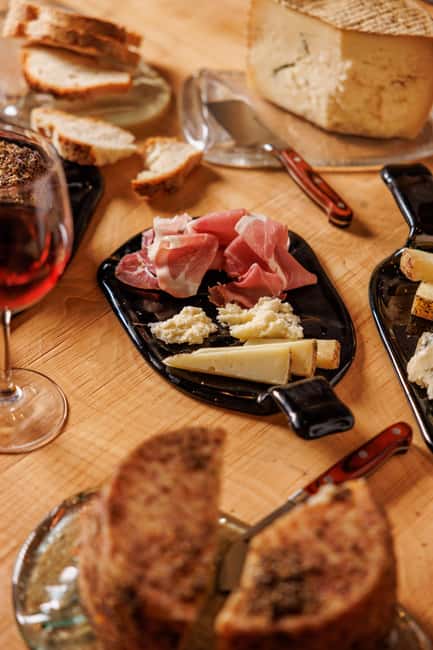
Most food tours in Rome are about walking and sampling on the move. Taste’accio does the opposite. It brings you down into the first urban aging cave used by Salumi e Formaggi d’autore and turns the “refrigerator” idea into the whole show.
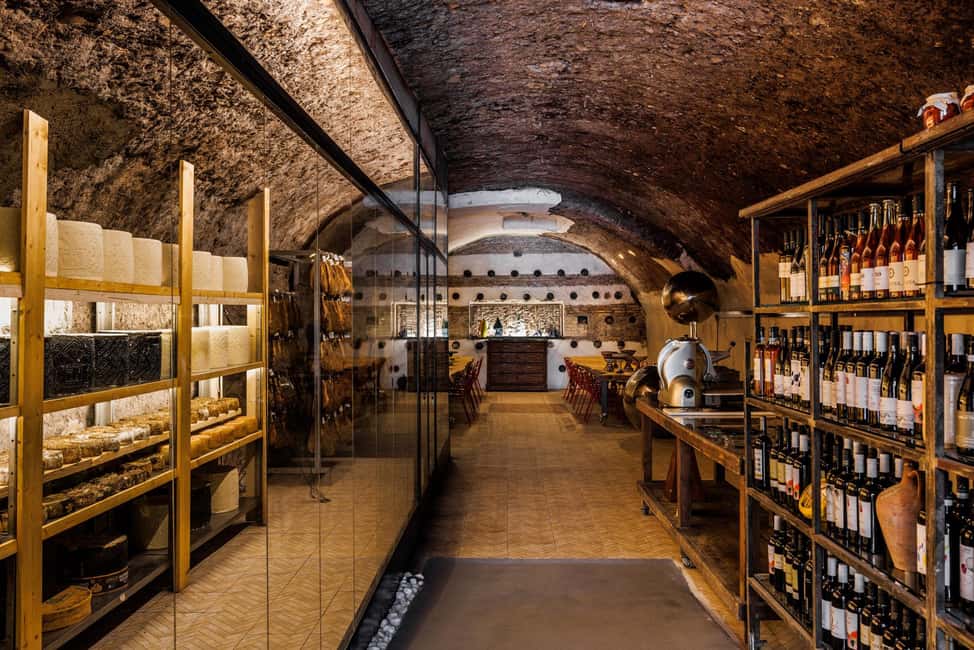
The key detail is temperature. The cave stays between 10 and 15 degrees Celsius. That matters because cured meats and cheeses don’t just taste good when they’re young; they develop texture and flavor through slow, homogeneous maturation. In other words, you’re tasting products that benefited from a controlled environment designed for aging—not just stored in the usual way. When people gush about the flavors here, it’s not magic. It’s time, handled consistently.
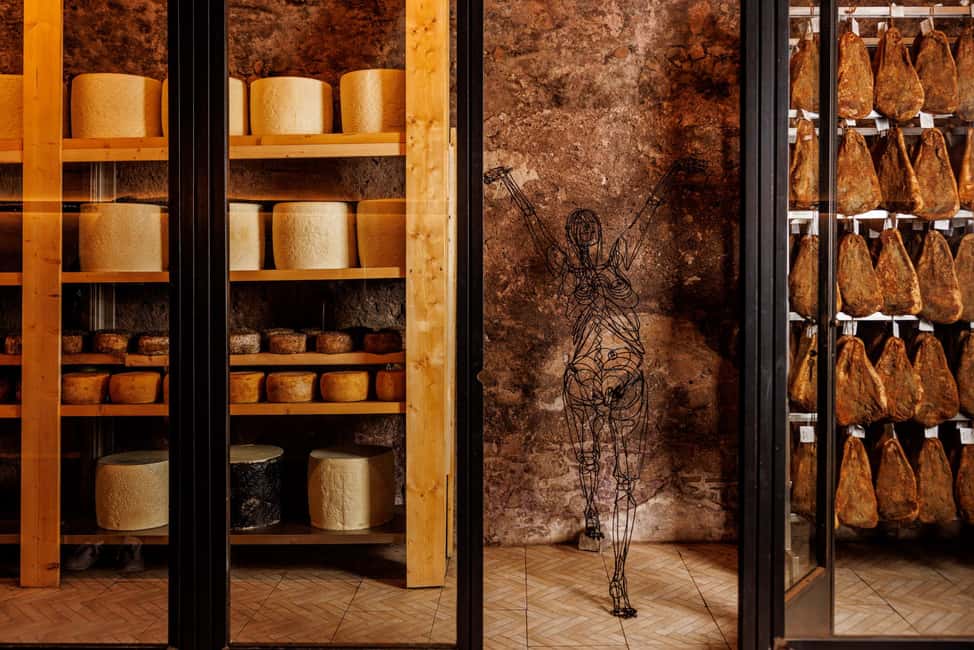
And yes, the setting is dramatic. You’re not in a polished restaurant cellar. You’re in an underground vault below Monte dei Cocci in Testaccio, where the space itself has a food purpose. Reviews also highlight the visual layer—Roman shards and contemporary works of art placed around the cave space, plus periodic exhibitions.
You can also read our reviews of more tours and experiences in Rome.



The 1-hour flow: what you actually do underground
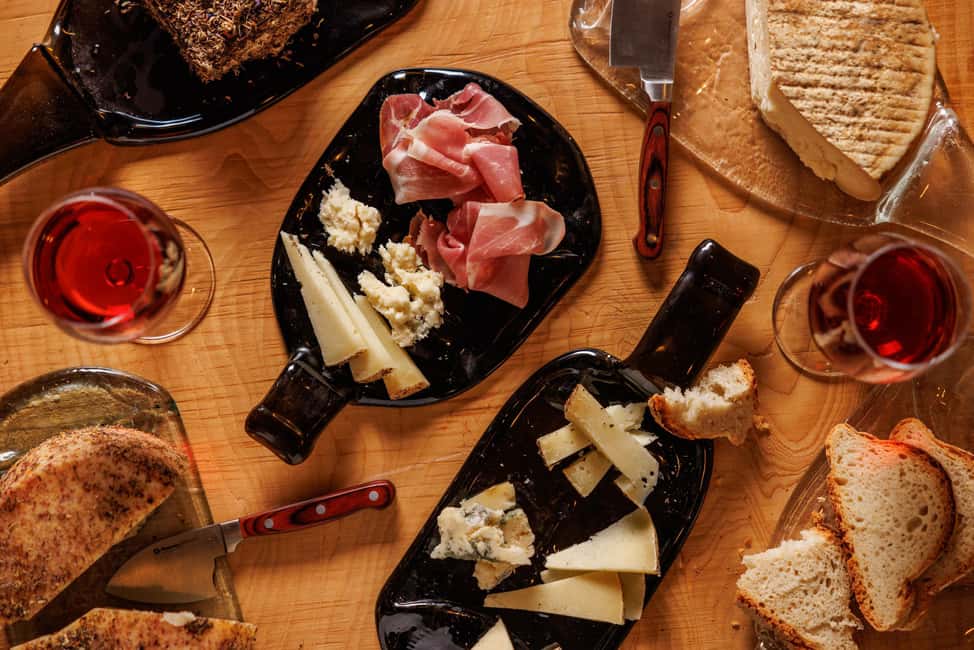
Taste’accio is short by design: one hour total. That’s perfect when you want a focused experience without losing an entire evening. Here’s how the visit typically unfolds, based on what’s included and how the experience is described.
1) Visit the aging cave where products mature
You start with a guided visit of the aging cave. The idea is simple: understand the space that makes the flavors possible. The cave’s cold, stable environment has been used for centuries as a kind of ancient storage system, and today it functions as a true vault for gastronomic treasures.
If you care about why food tastes the way it does, this part lands well. You’re not being asked to accept the products blindly. You’re seeing the conditions that influence aging quality—temperature stability, slow development, and even maturation. Even if you’re new to cured meats and cheeses, you’ll get the logic fast.
2) Learn to cut cheese like a master taster
Next comes one of the most practical parts: you learn how to cut cheeses. This isn’t about fancy technique for show. It’s about presentation and how slicing affects what you taste. Cheese changes depending on the cut, the portion size, and how the texture is exposed.
The experience positions this as learning to cut signature cheeses like a true master taster. That matters because lots of people buy cheese in Rome and then struggle at home: How do I serve it? How do I portion it without making a mess or drying it out too fast? This lesson gives you a framework you can use later.
3) Taste six Lazio cheeses, then six cured meats
Now you move into the main event: sampling. You’ll taste six types of Lazio cheeses and six types of cured meats from only small local producers. The products are tied to a DOL selection of Latium origin, which signals a focus on regional identity rather than mass-market brands.
This two-round structure is smart. Cheese tasting can overwhelm your palate if it’s all at once. By splitting cheeses and cured meats, you get a clearer sense of what each category brings: fat and dairy aromas from cheese; salt, smoke, spice, and fermentation notes from cured meats. You also avoid the “everything tastes the same” problem that happens when tastings are rushed.
Also, you’re not tasting generic snacks. The emphasis is on rare and regional selections—exactly the kind of menu that makes an urban aging cave feel worth your time.



4) Add wine pairings that match the flavors
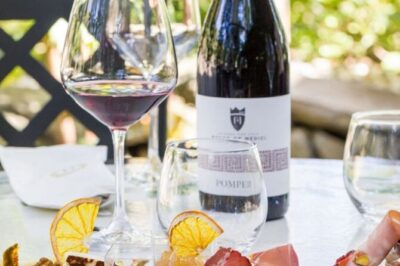
You get two glasses of wine paired with what you’re tasting. Wine pairing is included, which is a big value point, because it turns the experience from casual sampling into guided flavor matching.
Without overpromising specifics (you’ll have the two glasses), the practical takeaway is: you’ll be able to taste how wine changes or supports cured meat and cheese notes. That’s useful even if you don’t consider yourself a wine person. It teaches your palate to notice salt balance, acidity, and how aromas move around in your mouth.
5) Art exhibitions inside the cave
Throughout the experience, the cave environment includes periodic art exhibitions by emerging Roman artists. You’ll also see exposed Roman shards and contemporary works of art scattered around the cave.
This isn’t an art museum stop that competes with the food. It’s more like the cave is being “re-used” for modern culture while keeping its original purpose. It gives the place personality beyond the tasting table.
6) Purchase options if you want to bring Lazio home
Food tours sometimes end right after the tasting. Here, there’s a commercial side too: cold cuts, cheeses, wines, oils, legumes, and local spirits are available for purchase.
If you want to recreate part of the experience at home, this is the moment. Since these products are regional and small-producer focused, buying afterward can be more interesting than grabbing a random cheese at a supermarket.
Price and value: what $56.94 buys you in real terms
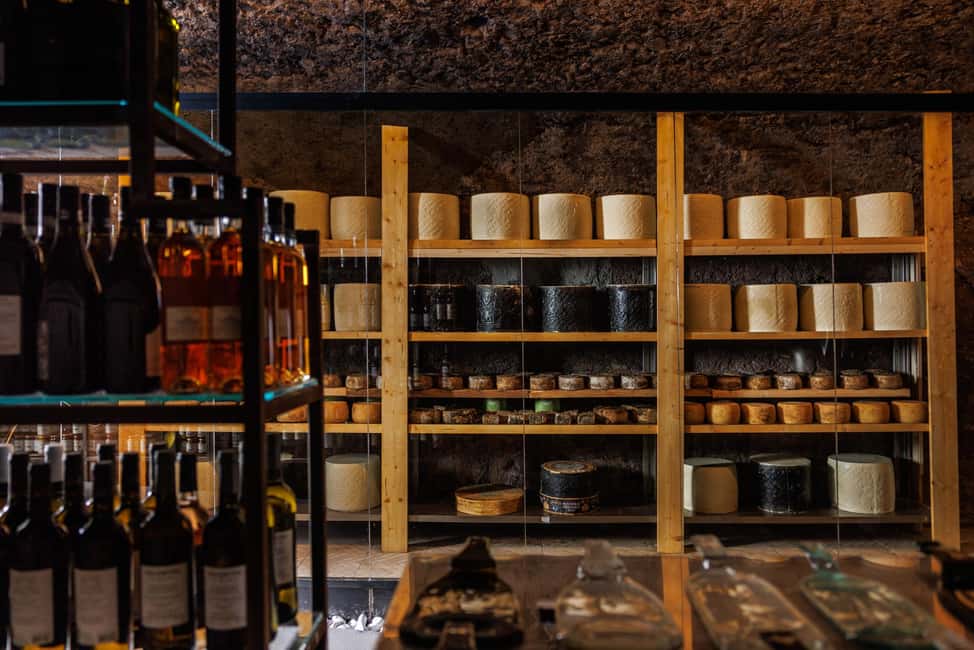
At $56.94 per person, Taste’accio sits in the “worth it if you like the niche” category. It’s not cheap, but it’s also not just you paying for a cute cellar vibe.
You’re paying for four bundled things:
- The cave visit in a specific aging environment (not a standard tasting room).
- A cutting lesson that teaches a real skill you can repeat later.
- 12 distinct tastings: six Lazio cheeses and six cured meats.
- Two included wine glasses, to keep the pairings intentional.
If you’ve ever paid a similar amount for a generic food tour with lots of walking and fewer actual tastings, this tends to feel better. The time is concentrated. And because the products are limited to small local producers from Lazio, you’re more likely to taste things you wouldn’t automatically find on your own.
One more value angle: the tour is private group, which can make a shorter, high-impact experience feel less rushed. You’re not stuck in a big crowd, and the tasting setup typically stays easier to understand.
Who this is best for (and who may want something else)
Taste’accio works best if you meet at least two of these:
- You like cheese and cured meats and want regional variety.
- You care about why food tastes the way it does, not just that it’s good.
- You want a Rome experience that isn’t all walking and landmarks.
- You enjoy guided tastings that include practical technique.
It may be less ideal if you’re hoping for a long, sit-down dinner with many courses. This is a tasting format with a tight 1-hour window. You’ll likely still want a proper meal afterward if you’re hungry, especially if you’re skipping dinner plans.
Practical tips to get more from the tasting
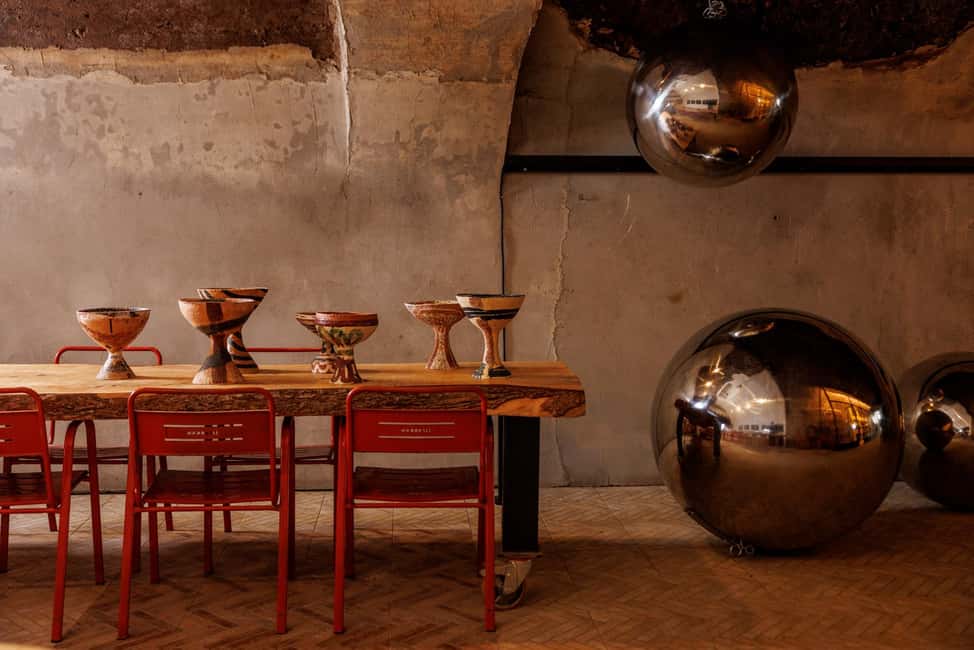
A cave tasting is easy to under-estimate until you realize everything is built around palate focus and timing. Here are practical moves that help.
- Plan to treat it like the main event. Because the tour is short, keep it as one of your food anchors that day.
- Skip heavy snacks beforehand. Twelve tastings plus wine pairing works best when your palate isn’t already busy.
- Ask about cutting and serving. Even if you’re just passively watching, the cutting lesson is the part you can reuse later at home.
- Make time for a small purchase if you want it. Since you’ll learn how to cut and taste properly, taking one or two items home can feel more satisfying.
The cave setting: why it matters beyond the wow factor
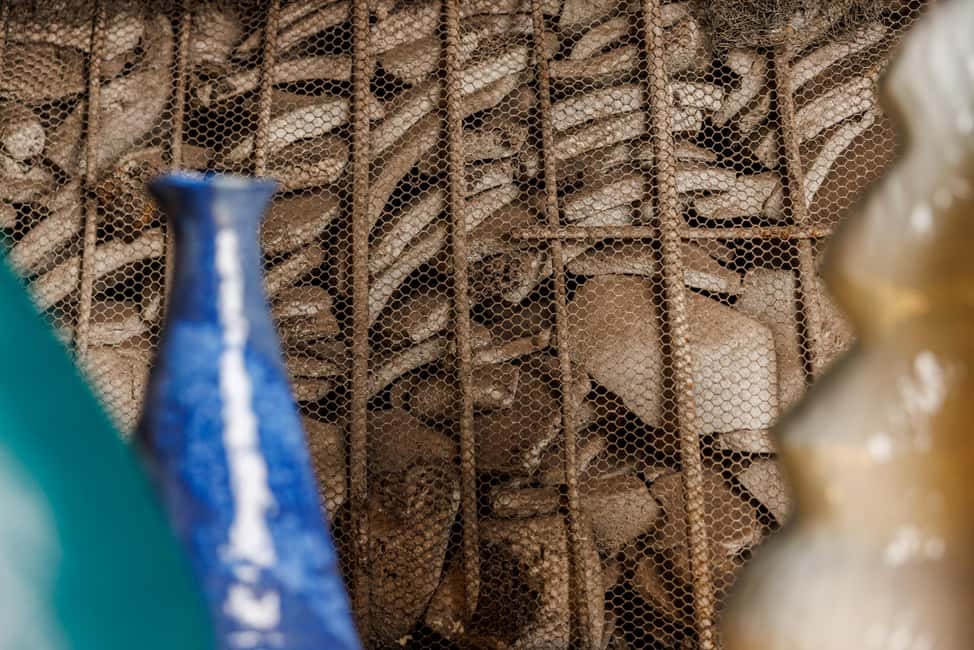
The underground location is the headline, but its value is functional.
Aging relies on stable conditions. In the cave, the temperature stays in the 10–15°C range, supporting slow development and stable quality. That means the cured meats and cheeses can mature in a way that’s consistent across batches. When you taste the final result, you’re tasting the environment as much as the producer.
And because this is described as the first urban aging cave for Salumi e Formaggi d’autore, the concept itself is a little radical compared to more traditional aging spaces. It puts a food-making function where city life happens, right in Testaccio—an area known for its local food culture.
Add the art exhibitions and Roman shards, and the place becomes layered: ancient storage logic meets modern creative staging.
Should you book Taste’accio in Testaccio?
Book this if you want a focused, high-flavor experience in a real aging environment. The combination of cave visit, cheese cutting lesson, 6+6 Lazio tastings, and included wine makes the time feel efficient rather than rushed.
I’d pass if you want a long dinner or if you’re not interested in cheese and cured meats. At 1 hour, you’ll get depth in tastings, not hours of wandering.
If you’re the kind of person who enjoys learning how food is made and tasting regional identity, this is the right kind of Rome detour: practical, specific, and tied to a place that actually explains itself.
FAQ
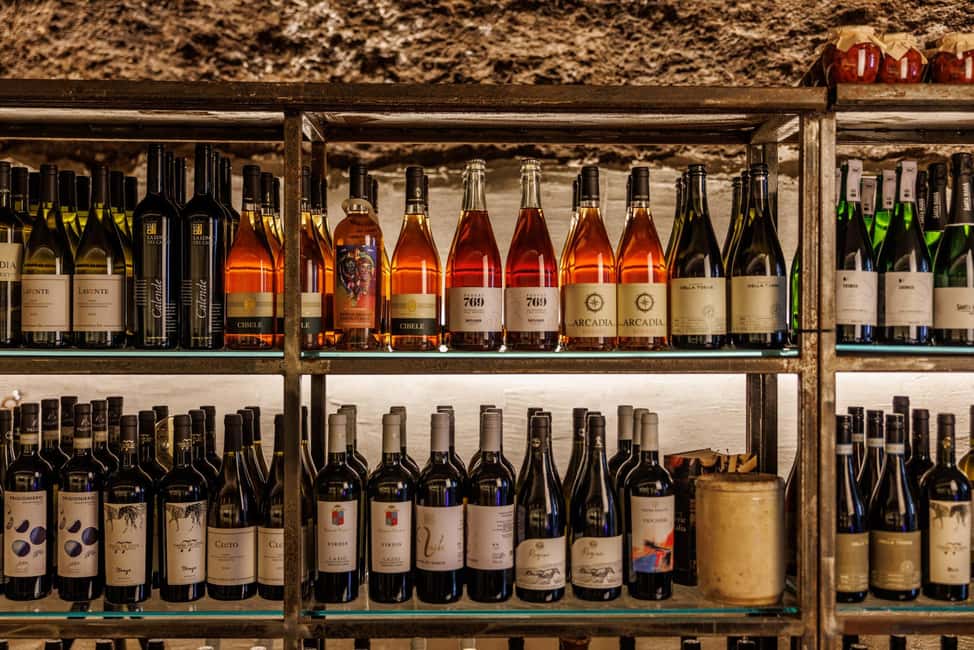
How long is the Rome Taste in Testaccio gastronomic rarities tour?
It lasts 1 hour.
What will I taste during the experience?
You’ll taste six types of Lazio cheeses and six types of cured meats from small local producers, along with two glasses of wine.
Where does the tour take place?
It takes place in an aging cave in Testaccio, below the Monte dei Cocci, as part of Salumi e Formaggi d’autore.
Is the experience wheelchair accessible?
Yes, it is listed as wheelchair accessible.
What’s included in the price?
The experience includes the cave visit, a cheese-cutting learning moment, tastings of 6 cheeses and 6 cured meats, and two glasses of wine.
What is the cancellation policy?
You can cancel up to 24 hours in advance for a full refund.