REVIEW · ROME
Rome: Small Group Underground Catacombs Tour
Book on Viator →Operated by Eternal Experiences · Bookable on Viator
Rome has a second city underground.
The Rome Underground Catacombs Tour takes you down into the depths of Domitilla, where tunnels, crypts, and wall art turn the story of early Christianity into something you can actually see. I love how the guide connects Christian rituals to the older Roman world around them, including pagan decorative themes you don’t expect to find underground.
This is also one of those tours where the small group size really matters. The trade-off: plan on stairs and walking, plus strict rules about photos and time underground—so come ready to move and follow instructions.
In This Review
- Key things to know before you go
- Rome Underground: Why Domitilla Feels Different
- Meeting at Catacombs of Domitilla: Start Point and Timing
- The Descent: Stairs, Cool Air, and How the Pace Works
- Stop Inside Domitilla: How the Underground Rooms Tell the Story
- Christian rites and rites-through-art
- Crypts with Pagan and Christian Decorative Themes
- Chapel Moments and the Sense of Living Tradition
- Your Guide Makes or Breaks It: What I’d Watch For
- Small Group Size: Why Max 10 Changes the Feel
- What to Expect from the Length (and Why It’s Still Worth It)
- Price and Value: How $102.12 Makes Sense
- Practical Tips Before You Go
- Who Should Book This Catacombs Tour
- Should You Book This Tour?
- FAQ
- How long is the Rome Underground Catacombs tour?
- Is the tour offered in English?
- What’s included in the price?
- Where do we meet, and where does the tour end?
- How big is the group?
- Will it be cold underground?
- Are preserved bodies on display?
- Is this tour refundable if I cancel?
Key things to know before you go
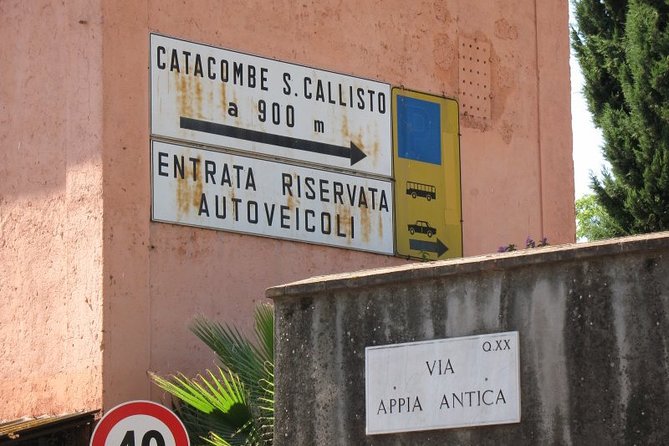
- Domitilla’s catacombs: walk the underground passages and see crypts tied to both pagan and Christian decorative styles.
- Story-driven guide talks: the best guides bring the Christian rites and Roman context to life, not just dates and names.
- You’ll want a layer: it’s noticeably cooler underground, even in Rome’s warmer months.
- Photo expectations are strict: rules are enforced underground, so plan for limited or no photography.
- No preserved bodies: if you’re picturing the French-style display of preserved remains, you won’t find that here.
Rome Underground: Why Domitilla Feels Different
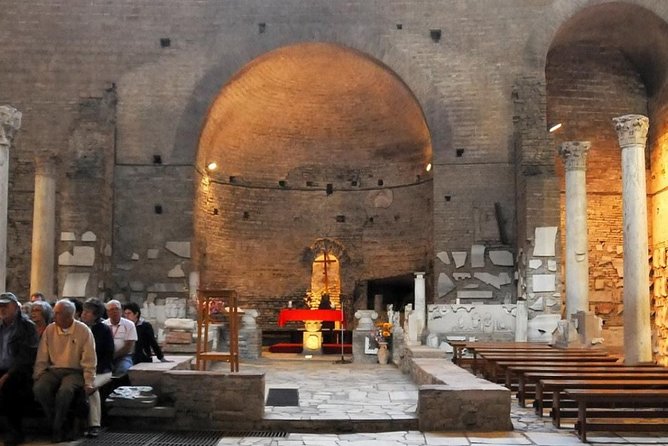
If you’ve already done Rome’s big-ticket sights, you may think you’ve seen the city’s “real” Rome. This tour quietly disagrees. You don’t just look at ancient ruins above ground—you step into an underground Rome where belief, fear, and community all left physical traces.
I like that the experience is built around interpretation. You’ll hear how burial spaces worked and how early Christians used symbols and spaces in a world that still carried pagan imagery. That mix—Christian rituals and pagan decorative themes—is the point. It makes the underground feel less like a gloomy pit and more like a snapshot of a changing empire.
You can also read our reviews of more tours and experiences in Rome.



Meeting at Catacombs of Domitilla: Start Point and Timing
You’ll meet at Catacombs of Domitilla, Via delle Sette Chiese, 282, 00147 Roma. The activity ends back at the same meeting point, so you’re not scrambling across town afterward.
Because it’s near public transportation, you can usually build this into your day without a major detour. Still, I suggest arriving a bit early. Underground tours run on tight timing once everyone is together, and a small group means the schedule matters.
The tour runs about 1 hour (approx.), and that underground time can feel longer than it sounds because of stairs, narrow passages, and slow rotations through small areas. A couple of guests even described it as “two hours well spent,” so don’t build your day too tightly right after.
The Descent: Stairs, Cool Air, and How the Pace Works
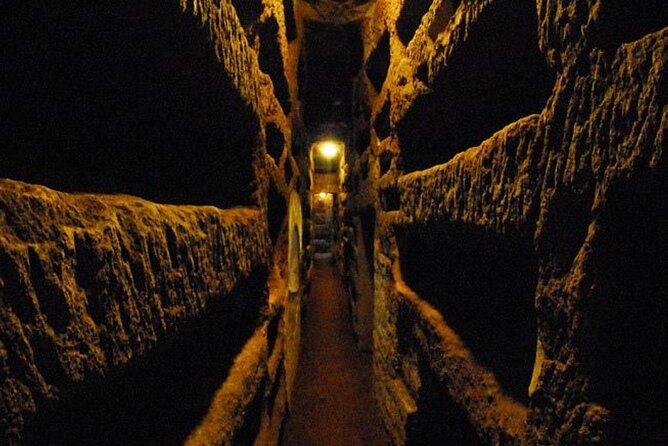
The first challenge is physical, not mental: you’ll be walking, and there are stairs. One guest put it bluntly—there’s a lot of walking and stairs—so if you’re used to easy sightseeing routes, this is a step up.
Underground is cooler than you expect. Bring a light jacket or sweater, even if Rome is warm on the surface. It’s one of those Rome details that sounds minor until you’re standing in a stone corridor for a while.
Pacing matters on tours like this. You’ll move through the underground spaces while the guide explains what you’re seeing, and you may rotate around small areas so more people get close to fresco paintings and features without crowding one spot.
Stop Inside Domitilla: How the Underground Rooms Tell the Story
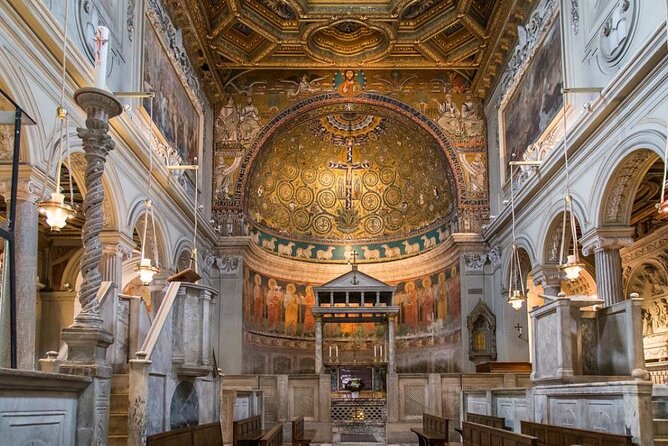
Your main destination is Catacombe di Domitilla. The visit is built to show you more than one type of underground space, so you don’t just repeat the same tunnel view again and again.
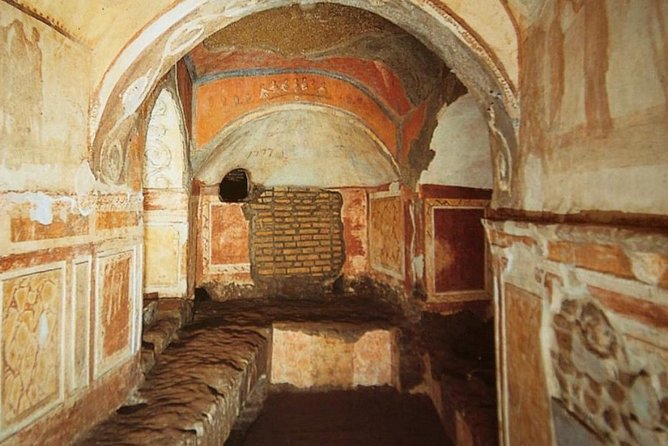
You’ll explore underground tunnels and crypts, with the guide explaining how the site fit into Rome’s development. That “how Rome got from here to there” context is useful because it keeps the catacombs from feeling like disconnected rooms of bones and dates. Instead, the space feels like part of a larger social story.
What stands out most is the wall and room interpretation. Expect decorative themes with both pagan and Christian elements. Seeing those side-by-side helps you understand how symbols and styles didn’t switch overnight. They shifted while people adapted to new beliefs.
Christian rites and rites-through-art
A major theme in the tour is listening to stories about Christian rituals and rites, then relating them to descriptive artwork you’ll encounter. The goal isn’t “watch the guide lecture.” It’s more like a guided translation: you look at what’s on the walls, and the guide helps you read what it likely meant in context.
The best part here is that the narration tends to include myth-busting. One guest noted that the tour helped clear up myths, which is always a win underground, where it’s easy to assume the first dramatic explanation you hear.






Crypts with Pagan and Christian Decorative Themes
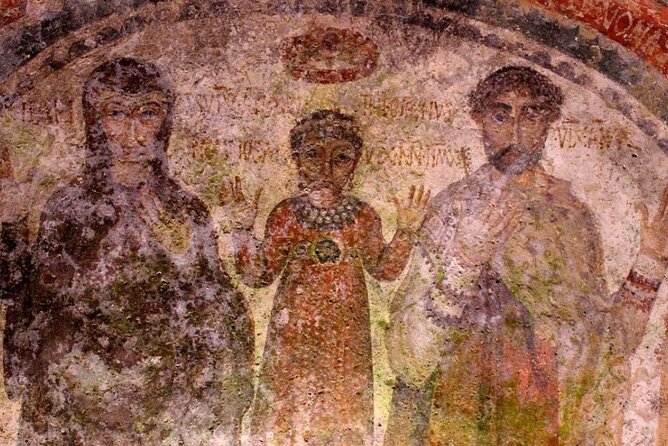
Not all catacomb tours frame the experience the same way. This one leans into the cultural overlap: crypts with pagan and Christian decorative themes.
That’s a big reason I think this tour works well for first-timers. If you only go looking for “the Christian part,” you can miss how Romans made use of existing visual languages. When you see decorative motifs that belong to earlier traditions, the Christian presence becomes more understandable—not isolated, but layered onto a changing environment.
Also, you should calibrate expectations about what’s on display. One guest specifically said you don’t see bones the way you might in other well-known catacombs. Another mentioned there aren’t preserved bodies remaining. So if you’re chasing a shock-value museum tableau, this won’t match that image.
Instead, the site’s impact comes from the architecture, the passages, and the painted symbolism. It’s about atmosphere plus meaning, not gore.
Chapel Moments and the Sense of Living Tradition
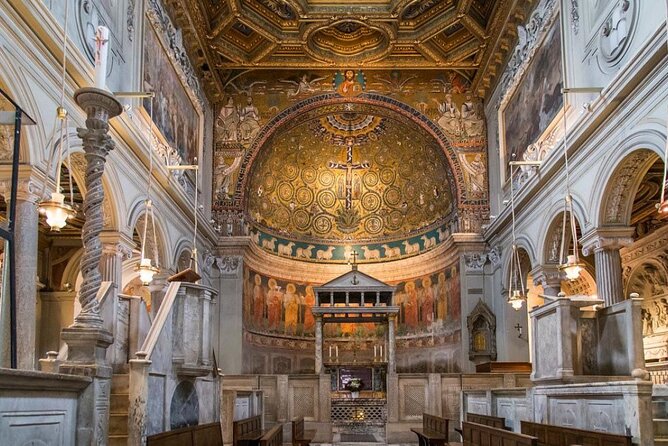
Even though you’re underground, the experience isn’t only about ancient history frozen in stone. One guest mentioned a beautiful chapel where Mass was being held as they were leaving. Another guest noted the tour included a range of levels and rooms, with plenty of details and answers to questions.
That chapel moment matters because it turns your visit from a one-way time machine into something continuous. Even if the rituals have changed over centuries, the act of gathering in a sacred space still feels recognizable.
Your Guide Makes or Breaks It: What I’d Watch For
This is the kind of tour where your guide’s style really affects your experience. In the feedback you provided, names like Heather, Devan, Mike, Angela, Amanda, Sean, and Jonathan show up with consistent praise.
Here’s what those guides seem to do well, and what you should look for when you’re waiting at the start:
- clear storytelling that links Rome’s everyday life to what happens underground
- an ability to mix history with humor without turning it into a comedy show
- a willingness to answer questions, especially when the group asks good ones
If you’re the type of person who likes to ask questions while you walk, this tour is likely a good match. Several guests highlighted that questions were encouraged and that guides handled discussions smoothly.
And if you’re the type who needs motion, you’ll probably like the flow. Even guests who found the content deep didn’t complain about slow stops. The tour seems designed to keep you moving while still explaining what you’re seeing.
Small Group Size: Why Max 10 Changes the Feel
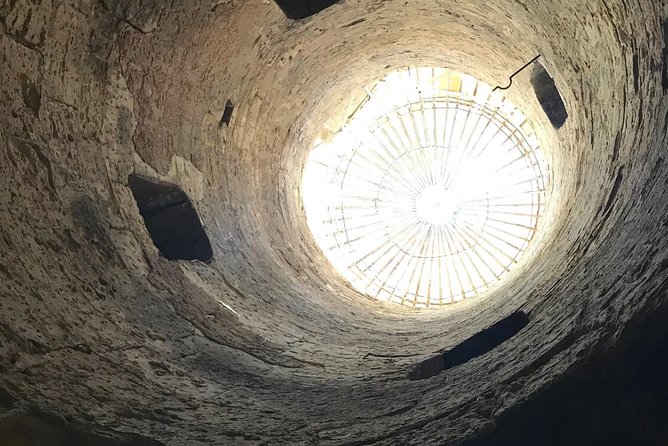
The group size caps at 10 travelers, which is rare enough in Rome that it’s worth valuing. Small groups mean you hear the explanation more clearly, and the guide can spend time addressing individual questions rather than speaking to a crowd.
It also affects the underground navigation. In narrow corridors and small rooms, crowd control becomes part of the experience. One guest described rotating around small areas for closer viewing, which only works well when the group stays small.
If you hate feeling like you’re part of an assembly line, this tour’s size is a real advantage. You’ll still move quickly at times, but it won’t feel like you’re being herded.
What to Expect from the Length (and Why It’s Still Worth It)
On paper, the tour is about 1 hour (approx.). In practice, underground time feels denser than above-ground sightseeing because you’re walking stairs, listening closely, and watching art at close range.
Some guests called the visit “two hours well spent,” which suggests that the total experience can stretch depending on pacing and questions. Either way, it’s a compact tour that fits into a day without stealing your whole afternoon.
One practical tip: if you’re planning lunch right after, leave a buffer. You may want a short breather after the stairs and cool air.
Price and Value: How $102.12 Makes Sense
The price is $102.12 per person, and it includes an admission ticket. That inclusion matters because you’re not just paying for a guide—you’re paying to enter and explore the site.
Is it a bargain? Not really. One guest even called it a bit overpriced, even after factoring in the admission fee. But value here isn’t only “cost per minute.” It’s about what you get in a small-group underground setting where narration changes your understanding.
For me, the strongest value argument is the guide’s impact. When guides like Heather, Mike, Angela, or Sean can turn Christian rites, pagan symbolism, and Roman history into a coherent walk, you don’t leave with random facts. You leave with a picture of how the underground fit into real life.
If you enjoy interpretation tours—where the guide gives context while you look—this price starts to feel fair. If you only want fast sightseeing with minimal explanation, you might feel the spend.
Practical Tips Before You Go
A few things you’ll want to remember before you step underground:
- Wear something warm enough for cool underground air.
- Expect stairs and tight passageways, so comfortable shoes matter.
- Follow the guide’s instruction about photos. One guest said not to bring a camera because photography wasn’t allowed, and another noted there was some confusion about where picture-taking was acceptable. If rules aren’t clear, ask your guide immediately.
- If you’re hoping for preserved bodies, temper expectations: one guest noted none remain here.
Who Should Book This Catacombs Tour
This tour is a great fit if you want:
- a small-group experience in an underground site
- a guided story connecting early Christianity to Roman culture
- an atmosphere-first visit where frescoes and crypt themes do the work
It’s also a smart choice if you want a break from the summer heat. One guest specifically mentioned that exploring underground was a perfect way to get out of the warm weather.
You might skip it if:
- you expect “bones on display” like other famous catacombs
- you need a totally step-free experience, since stairs and walking are part of the route
Should You Book This Tour?
If you want something more meaningful than another quick photo stop, I’d book it. The combination of Domitilla’s underground spaces, the mix of Christian and pagan decorative themes, and the consistently praised guide storytelling makes this feel like a “Rome in layers” kind of experience.
I would only hesitate if you’re photo-focused or if you’re uncomfortable with stairs and longer walking on uneven underground ground. Otherwise, this is the sort of tour that quietly becomes one of your best memories of Rome because it changes how you picture the city.
FAQ
How long is the Rome Underground Catacombs tour?
The tour duration is listed as about 1 hour (approx.). The actual pace can feel a bit longer because of walking and stairs underground.
Is the tour offered in English?
Yes, the tour is offered in English.
What’s included in the price?
The price includes an admission ticket for the Catacombs of Domitilla.
Where do we meet, and where does the tour end?
Meet at Catacombs of Domitilla, Via delle Sette Chiese, 282, 00147 Roma. The tour ends back at the meeting point.
How big is the group?
The tour has a maximum group size of 10 travelers.
Will it be cold underground?
Yes. Bring a sweater or light jacket, since it is much cooler underground than on the street.
Are preserved bodies on display?
No. One guest noted that there are no preserved bodies remaining for viewing.
Is this tour refundable if I cancel?
No. It is non-refundable and cannot be changed for any reason.