REVIEW · ROME
Rome: Small Group Guided Tour of Castel Sant’Angelo
Book on GetYourGuide →Operated by City Walkers Tours · Bookable on GetYourGuide
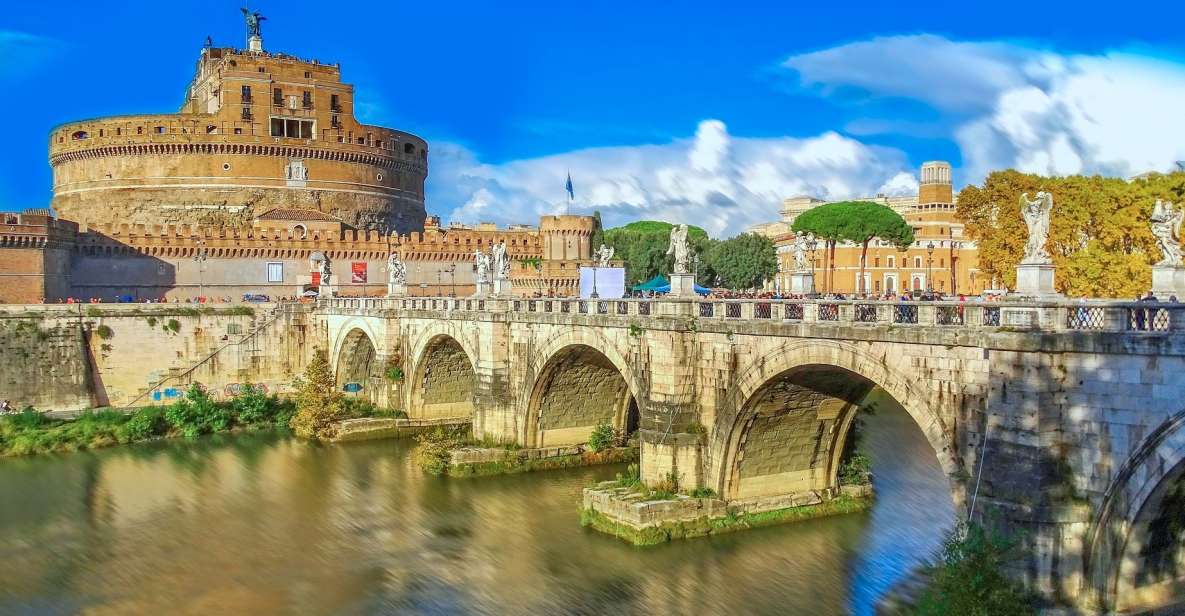
Hadrian’s tomb has a pulse you can feel. This small-group guided tour gets you inside Castel Sant’Angelo quickly, then walks you through the big turns of its story—from Roman emperor to fortress to papal residence. You’ll also get the kind of practical pacing that helps a complicated site make sense fast.
I especially like the swift entry and the way the guide keeps the flow moving, so you’re not stuck in museum fog. I also love the payoff at the top: once you reach the terrace, the skyline shots make the climbing feel worth it.
One consideration: this is not suitable for mobility impairments, and you’ll be moving through multiple floors. Also, it runs rain or shine, so wear shoes you trust on stone steps.
In This Review
- Key highlights to look for
- Fast Entry and Small-Group Flow Inside Castel Sant’Angelo
- Enter Emperor Hadrian’s Tomb: Fortified Corridors That Explain Everything
- Five Floors, a Spiral Ramp, and the Ash Chamber vs. Prison Cells
- Renaissance Frescoes and Weapons: More Than Pretty Pictures
- Papal Residence Rooms and the Terrace View That Makes Rome Feel Close
- Price and Value for a 2-Hour Guided Ticketed Visit
- Who This Tour Suits Best (and Who Should Rethink It)
- Tips I’d Use Before You Go
- Should You Book This Castel Sant’Angelo Tour?
- FAQ
- How long is the Castel Sant’Angelo guided tour?
- Where do I meet the guide?
- Is the tour guided, and what languages are available?
- What’s included in the price?
- Are the Castel Sant’Angelo tickets included?
- What should I bring to enter?
- What items are not allowed?
- Does the tour run in bad weather?
- Is the tour suitable for people with mobility impairments?
- What are the cancellation and payment options?
Key highlights to look for
- Swift access with your guide, plus headsets if needed, so you spend time inside the fortress instead of hunting your place
- Five floors of walking, connected by a spiral ramp, with major rooms tied to clear eras
- Ash chamber and prison cells, including places used to hold prominent prisoners
- Renaissance frescoes and a weapons collection, giving you a fuller picture of the castle’s role over time
- Terrace views over Rome, ideal for photos once you’ve made it to the top
- Guides who explain with humor and keep questions welcome, including names like Alex, Alec, Barbara, Silvia Rossetti, Maria, Oleg, and Lorenzo in past groups
Fast Entry and Small-Group Flow Inside Castel Sant’Angelo
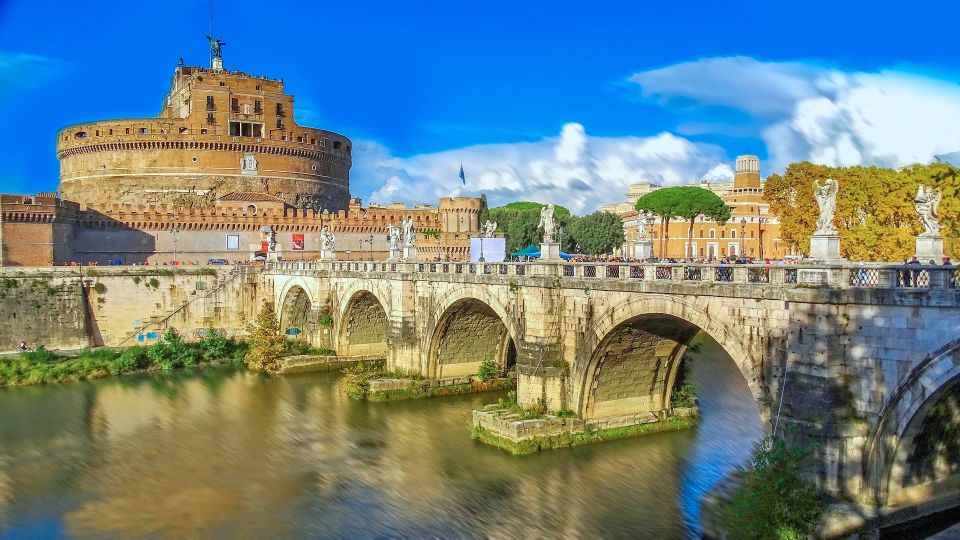
Castel Sant’Angelo can overwhelm you if you show up cold. It’s big, layered, and it changes jobs across centuries. That’s exactly why I like this format: you get a guided walking route that turns the building into a story you can follow.
You’ll meet your guide at the entrance with a City Walkers sign. From there, you move through the site with swift access and a small group pace. Headsets are included if you need them, which matters in a place with lots of turns, echoes, and other visitors drifting past.
If you end up with a guide like Alex or Alec, you’ll likely notice a pattern: the talk stays clear, chronological, and animated. Guides such as Barbara, Silvia Rossetti, Maria, Oleg, and Lorenzo have been praised for answering questions and keeping the mood light, which helps when you’re dealing with dark chapters (prison history is part of the deal).
The main takeaway for your planning: you’re not just collecting facts—you’re learning how the castle works as a physical machine for power, escape, and control. And you’ll do it in about two hours, which is a sweet spot if Castel Sant’Angelo is one of several stops on your Rome day.
You can also read our reviews of more guided tours in Rome



Enter Emperor Hadrian’s Tomb: Fortified Corridors That Explain Everything
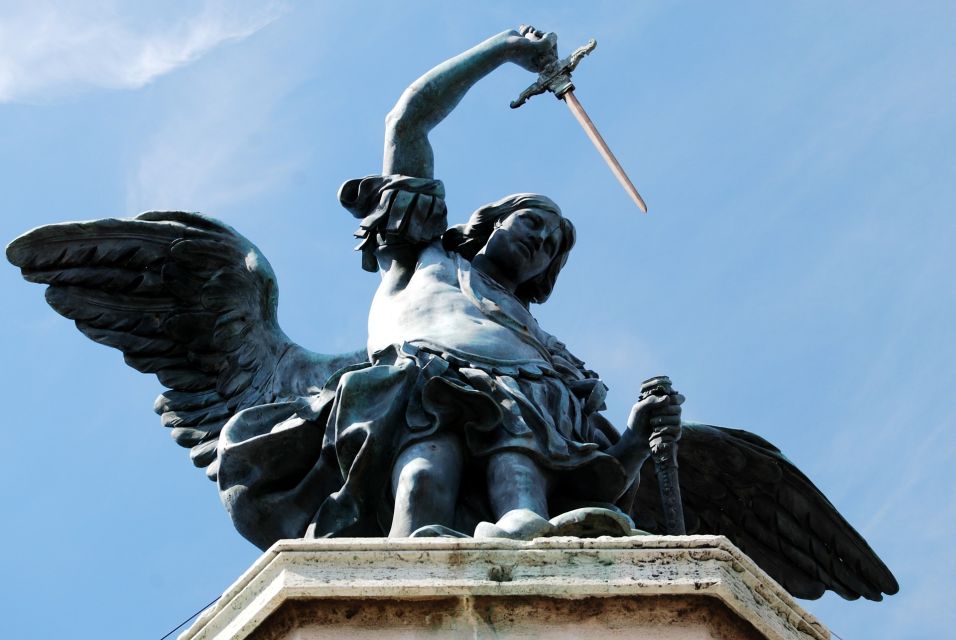
The experience starts at a place with built-in drama: Emperor Hadrian’s tomb. Even if you’re not a Roman-history expert, the route helps you picture the shift from imperial monument to fortified structure.
Inside, you’ll walk through fortified corridors and chambers connected to the idea that this wasn’t meant to be a casual sightseeing stop. It was built with defense in mind, and that shows in the structure and how you move through tight, serious spaces. The guide will connect the site’s function across time, so what you see doesn’t feel random.
You’ll also hear the castle described in terms that match what’s actually on the ground: it can feel like a monument, a museum, and an archaeological site all at once. That mix matters because Castel Sant’Angelo isn’t only about what’s on top now—it’s about layers you can walk through, and what those layers suggest about who controlled this spot.
Practical note: there’s a lot of stair-and-walk energy built into the route. If you’re the type who likes to pause frequently for photos, the guide’s pacing still usually gives you chances—but plan on moving.
Five Floors, a Spiral Ramp, and the Ash Chamber vs. Prison Cells

Here’s what makes this tour more than a quick highlights loop: you go deep into vertical storytelling. You’ll take the spiral ramp to reach each of the castle’s five floors, and with each level, the guide changes the lens.
On the lower levels, you’ll encounter places tied to punishment and confinement. The route includes the cells used to imprison many historical figures. It’s heavy material, but the guide helps you stay oriented—where you are in the castle, what that space was used for, and how it fit into Rome’s changing power map.
You’ll also visit the chamber of ashes. That detail is easy to remember because it feels so specific and so symbolic: a room set up for remains and ritual aftermath. Even if you’re not sure what you’re looking at at first, the explanation gives the space a clear meaning.
One of the most useful things the tour offers is clarity about why the castle’s “jobs” kept changing. A fortress can become a residence; a residence can become a museum; and the same walls can hold different kinds of history depending on who had access. By the time you reach the middle floors, the building stops feeling like a maze and starts feeling like a tool that people used for politics and survival.
And yes, it’s on you to keep your energy up. This isn’t a sit-and-watch tour. It’s a guided walking tour through real rooms, real levels, and real views waiting at the end.
Renaissance Frescoes and Weapons: More Than Pretty Pictures
Castel Sant’Angelo is famous for views, but don’t sleep on the art and the collections inside. The tour includes perfectly preserved frescoes from the Renaissance period, which is a huge win if you like seeing how later artists interpreted spaces that started centuries earlier as Roman imperial architecture.
These frescoes don’t just decorate walls. They help you understand the “papal” and courtly layers of the site—how people turned a defensive castle into an environment fit for high-status life. It’s also a reminder that the castle’s identity kept shifting. Rome didn’t freeze at one era; it kept reusing and rewriting old structures.
You’ll also see an extensive collection of weaponry. This part works best if you enjoy the practical side of history: how defense shaped daily reality. It’s not there to feel like a weapons museum stop—it’s there to reinforce why the castle’s shape and corridors matter.
A balanced expectation: this is history that includes violence and control. The guide handles it in a way that keeps it understandable, but it’s still part of the experience. If you prefer only light, sunny topics, consider whether prison history and “why people were held here” fits your travel mood.
Papal Residence Rooms and the Terrace View That Makes Rome Feel Close
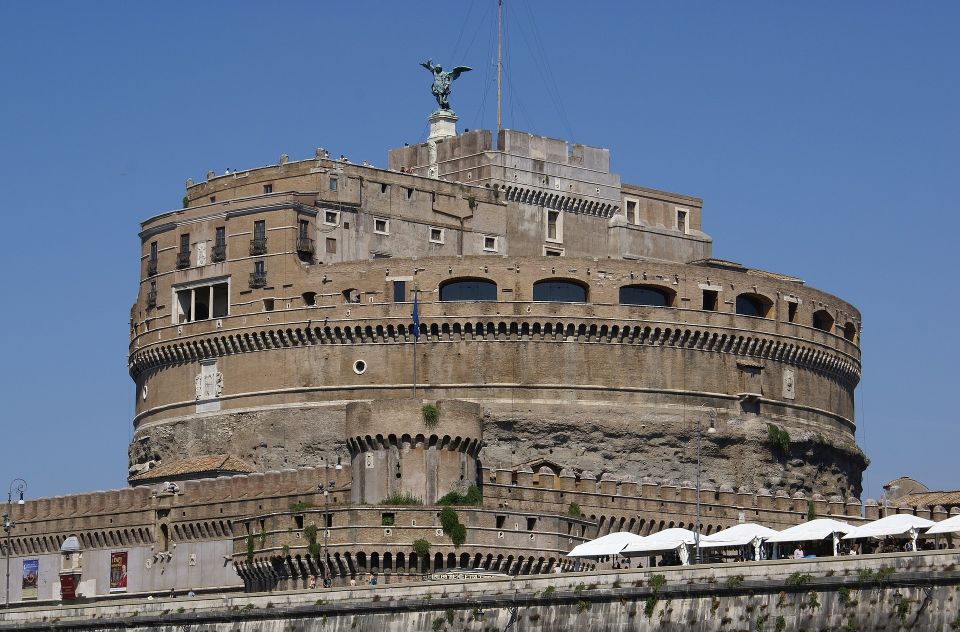
As you climb higher, the castle begins to feel different. You move through rooms that served as Papal residence spaces. The atmosphere changes: fewer “survival” vibes, more authority and daily life. This is a key shift in the story because it shows how Rome’s religious leadership used and adapted architecture built for emperors and defense.
Then comes the moment your photos start earning their keep: the upper terrace. Once you reach it, you’re in position for wide, memorable views over Rome’s skyline. The terrace view is exactly the kind of reward that makes a vertical tour feel worth it, even if you’re not normally a “tower-top photographer.”
If your guide is the type who encourages the group to pause and look, you’ll probably get a few minutes here that feel calmer than the rest of the route. That’s valuable. In a city like Rome, quick stops can blur into one another. The terrace gives you a clean visual reset.
For planning: time on the terrace can feel a little weather-dependent, since it’s outdoors. But the tour runs rain or shine, so it’s smart to bring a light rain layer and keep your camera protected.



Price and Value for a 2-Hour Guided Ticketed Visit
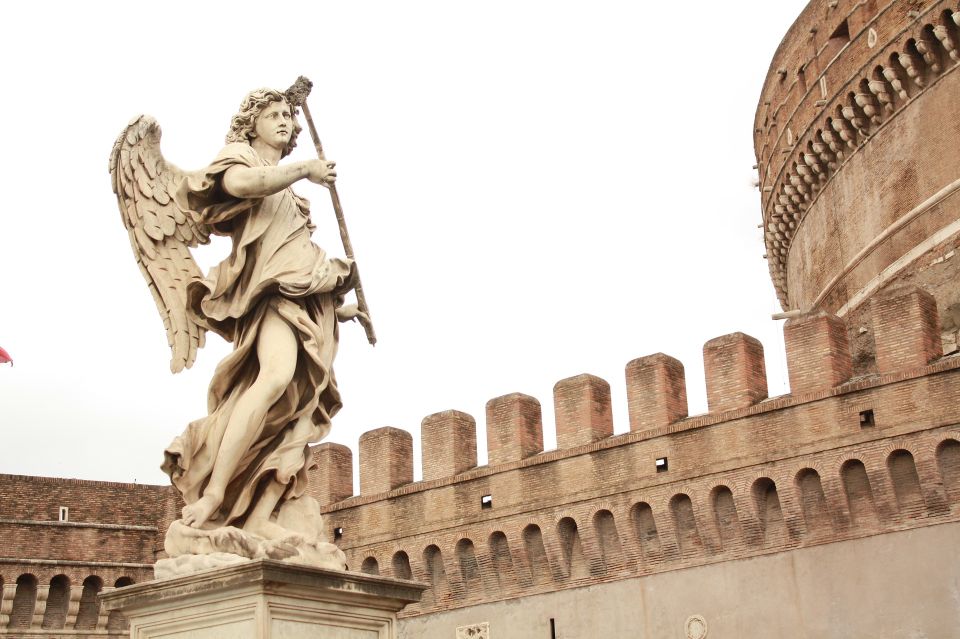
At $75 per person for a two-hour small-group tour, the value depends on what you care about. If you like museums but hate sorting through complicated sites alone, this is where you feel the advantage.
Here’s why: the ticket cost is part of the price structure. The tour includes the cost of entry for adults—€16—and it’s free for children under 18. On top of that, you’re paying for a guide, plus headsets if needed, plus the convenience of swift access.
So you’re not just buying entry. You’re buying interpretation: where to look, what to prioritize, and how to connect Roman, Renaissance, and papal chapters into a single timeline you can actually remember.
I also like that this tour doesn’t try to be a full-day Rome history substitute. It’s focused. You spend your time moving through the castle’s most meaningful rooms, and then you get the view. For most people, that lands better than a longer tour that turns into information overload.
Who This Tour Suits Best (and Who Should Rethink It)
This tour fits best if you:
- want a guided path through a multi-floor, complicated monument
- like history that connects place, politics, and architecture
- care about art details like Renaissance frescoes, not only rooftops and postcards
- appreciate a guide who can answer questions and keep things lively (guides like Alex, Barbara, and Oleg have been praised for this style)
It’s not a great fit if you:
- have mobility limitations, since it’s specifically noted as not suitable for people with mobility impairments
- hate walking stairs and moving room to room for about two hours
- want food included, since food and drinks are not included
If you’re planning a Rome day with other sights nearby, this works well as a “main stop.” Castel Sant’Angelo’s terrace view also pairs nicely with a stroll afterward, because you’ll leave with a clearer sense of where major sights sit in relation to each other.
Tips I’d Use Before You Go
A few details make your visit smoother at the entrance and inside the castle.
- Bring a passport or ID card. Tickets are checked, and you need valid ID.
- During booking, make sure the names (and birthdates) for all participants are correct. Castel Sant’Angelo tickets are nominal, and matching matters at entry.
- Wear shoes that can handle stone steps and indoor/outdoor transitions.
- Leave bulky items behind. Luggage or large bags aren’t allowed, and you can’t bring weapons or sharp objects. Alcohol and drugs are also prohibited.
- Expect it to run in rain. Pack a light layer so you don’t end up cutting your own comfort short.
If you’re choosing between this and a self-guided visit, remember this: the castle is easier to enjoy when you understand why each room matters. The guide’s job is to keep you from getting lost in the building’s size.
Should You Book This Castel Sant’Angelo Tour?
If you want a guided, focused look at Castel Sant’Angelo’s key spaces—Hadrian’s tomb, prison areas with cells, the chamber of ashes, Papal residence rooms, Renaissance frescoes, weapon displays, and the terrace view—this tour is a strong choice.
Book it if:
- you like your Rome with context, not just snapshots
- you want a small-group experience where questions are welcomed
- you’re planning a day with limited time and need the “best route” feeling
Skip it if you can’t manage stairs and uneven indoor walking, or if you’d rather wander slowly on your own without a set two-hour flow. For everyone else, this is one of those tours that turns a famous monument into a clear, memorable story.
FAQ
How long is the Castel Sant’Angelo guided tour?
The tour lasts 2 hours.
Where do I meet the guide?
You meet your guide in front of the entrance with a City Walkers sign.
Is the tour guided, and what languages are available?
Yes, it’s a live guided tour. English, French, Italian, and Spanish are available.
What’s included in the price?
The tour includes swift access to Castel Sant’Angelo, a 2-hour guided walking tour with a guide, and headsets if needed.
Are the Castel Sant’Angelo tickets included?
Yes. The tour price includes tickets. It’s €16 for adults, and children under 18 are free.
What should I bring to enter?
Bring a passport or ID card.
What items are not allowed?
Weapons or sharp objects are not allowed. Luggage or large bags are not allowed. Alcohol and drugs are also prohibited.
Does the tour run in bad weather?
Yes, it takes place rain or shine.
Is the tour suitable for people with mobility impairments?
No, it is not suitable for people with mobility impairments.
What are the cancellation and payment options?
Free cancellation is available up to 24 hours in advance for a full refund, and you can reserve now and pay later.