REVIEW · ROME
Rome: Scavenger Hunt For Kids with Prizes around City Center
Book on GetYourGuide →Operated by Marco Tours and Experiences · Bookable on GetYourGuide
Kids turn Rome into a game. You’ll follow a family treasure-hunt route through the Spanish Steps and the Pantheon area, solving kid-friendly puzzles and learning landmark basics along the way. I love how quickly it gets everyone thinking and walking together instead of lagging behind.
I also like the mix of activities at each stop. At the Trevi Fountain, the tasks go beyond sightseeing and push kids to count, spot, and search as a team. One thing to consider: it’s not suitable for wheelchair users, and you’ll be on your feet for about 2.5 hours.
In This Review
- Key things to know before you go
- Why this Rome kids scavenger hunt feels different
- Price and value: $22 for 2.5 hours with a live guide
- Meeting point at Piazza Mignanelli: start simple, finish where you began
- How the hunt actually works (and why kids stay engaged)
- Spanish Steps: your clue starts while the stairs are still exciting
- Trevi Fountain games: coin counting and symbol spotting
- Pantheon puzzles: columns, architecture, and 2,000-year-old context
- Passing piazzas and narrow alleyways between landmarks
- The guide factor: playful, engaging, and great for young attention spans
- What to bring so the hunt is comfortable
- Timing tips: start early and plan for crowds
- Who this is best for (and who should skip it)
- Should you book the Rome treasure hunt?
- FAQ
- Where is the meeting point?
- How long does the Rome treasure hunt last?
- Which landmarks does the hunt include?
- Is the treasure hunt guided or self-guided?
- What is included in the price?
- What costs extra?
- What should we bring for the activity?
Key things to know before you go

- Spanish Steps start: you begin at Piazza Mignanelli, climb stairs, and get your first clue right away
- Trevi Fountain challenges: coin-counting and symbol-spotting games keep the energy up
- Pantheon puzzles: questions tied to the building’s famous columns and architecture
- More than landmarks: you also pass by charming piazzas and narrow alleyways between major stops
- Guide + self-guided play: you get a live English guide to set things up, then you solve the hunt as you go
Why this Rome kids scavenger hunt feels different
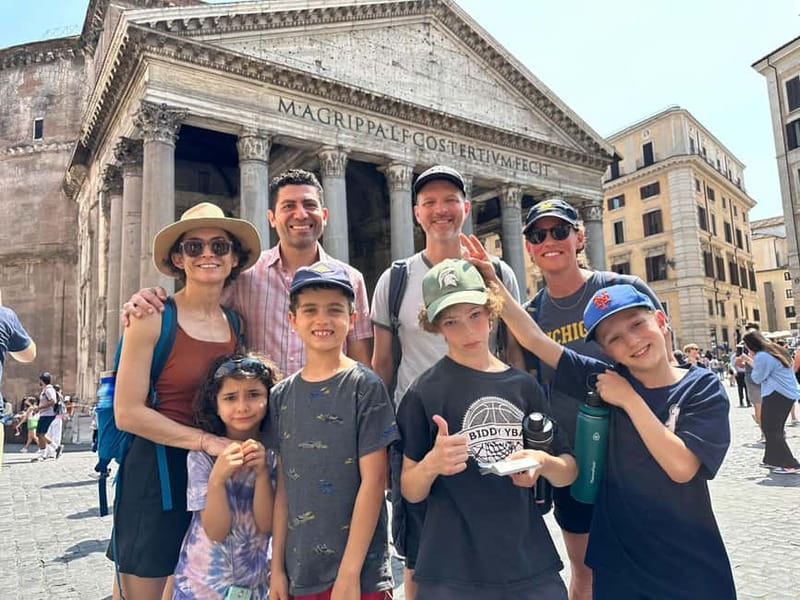
Rome can be impressive but exhausting for kids. This treasure hunt helps because it turns the day into a game with clear goals: find the next clue, answer the riddle, finish the challenge, then move on.
The big win is the rhythm. You’re not just standing around at famous sites. You’re actively looking at details—steps, fountains, columns—while learning how they fit into Rome’s story. And since the route hits the Spanish Steps, Trevi Fountain, and the Pantheon, you’re getting a lot of Rome in a short window.
You can also read our reviews of more city tours in Rome



Price and value: $22 for 2.5 hours with a live guide
At $22 per person for about 2.5 hours, this is a value-focused way to see three headliner landmarks without turning your day into a lecture. You’re paying for the interactive experience plus a private guide (English).
A couple cost notes you should keep in mind:
- Entrance fees to monuments and museums are not included, so plan on paying separately if you want to go inside specific places.
- Meals and drinks are not included, so you’ll want a snack plan.
- Transportation to and from attractions is not included, so you’ll be starting from the meeting point in Piazza Mignanelli.
If you’re traveling with kids who burn out fast, this kind of structured route can be worth it. You’re buying time where everyone stays involved, not just tickets to stand in line.
Meeting point at Piazza Mignanelli: start simple, finish where you began
You meet your guide by the Column of the Immaculate Conception in Piazza Mignanelli. That matters more than it sounds, especially with families. A central, recognizable meeting spot makes it easier to group up, get instructions, and start on time.
The tour ends back at the meeting point. That’s helpful for planning the rest of your day because you’re not left figuring out a new drop-off location with tired feet.
How the hunt actually works (and why kids stay engaged)
The treasure hunt is described as self-guided, but you do have a live English guide who runs the experience and sets you up. In practical terms, you can think of it as: the guide gets you ready, then your team works through the clues and activities on the route.
The games are designed to keep momentum:
- Riddles and puzzles that require teamwork
- Photo challenges to help kids participate without stopping everything
- Hands-on style tasks, where the goal is to spot something, count something, or solve the next prompt
This is exactly what you want in Rome. When kids have tasks, they move with you. When they’re just observers, Rome can feel like one long walk.
Spanish Steps: your clue starts while the stairs are still exciting

You begin at the Spanish Steps area. The experience starts with climbing these famous historic stairs, then receiving your first clue hidden among the steps.
Why this works: the Spanish Steps are visually rewarding the moment you arrive. Kids can see the scale and activity around them, and then the hunt gives them something specific to do with that environment. Instead of asking What now?, they’re racing to solve the first riddle and get the next step of the route.
It’s also a smart time to learn how to look. You’re training your eyes to notice details—an approach that pays off later at the fountain and around the Pantheon’s architecture.






Trevi Fountain games: coin counting and symbol spotting
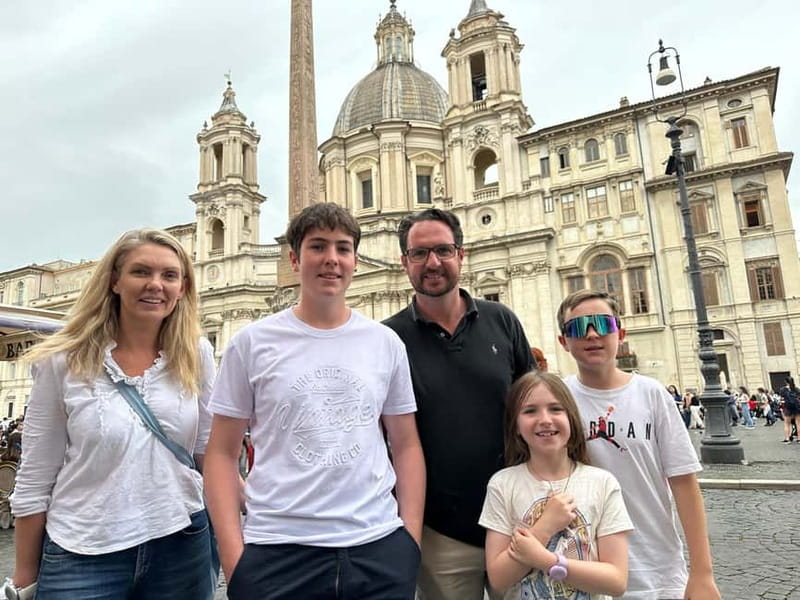
Next comes the Trevi Fountain, where the treasure hunt turns famous scenery into interactive play. You’ll do games like:
- Counting the coins thrown into the fountain
- Hunting for hidden symbols carved into the architecture
That last part is the real value. Trevi Fountain can be crowded and fast if you just treat it like a must-see photo stop. In this format, kids have a job: look closely, find the next thing, and solve the related clue.
For adults, it’s also a nice change of pace. You’ll still see the fountain, but you’ll be paying attention to the details instead of only chasing the perfect shot.
Pantheon puzzles: columns, architecture, and 2,000-year-old context
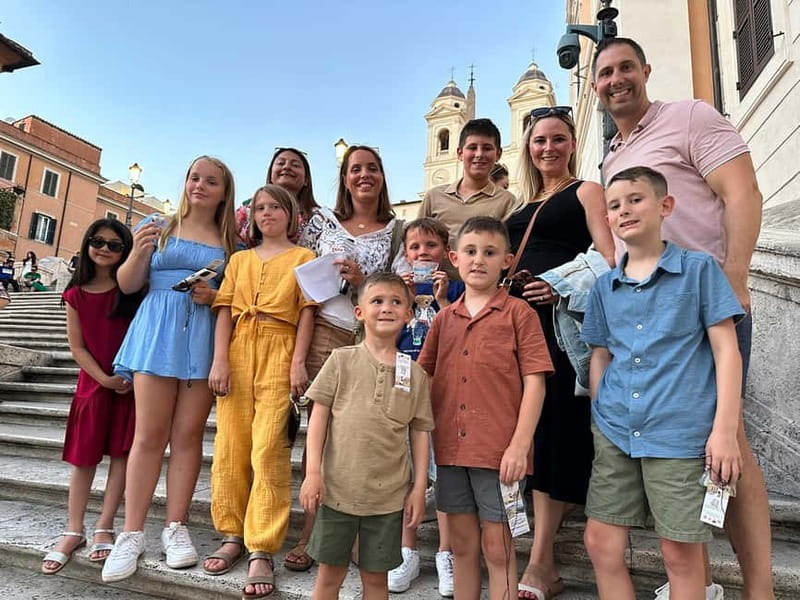
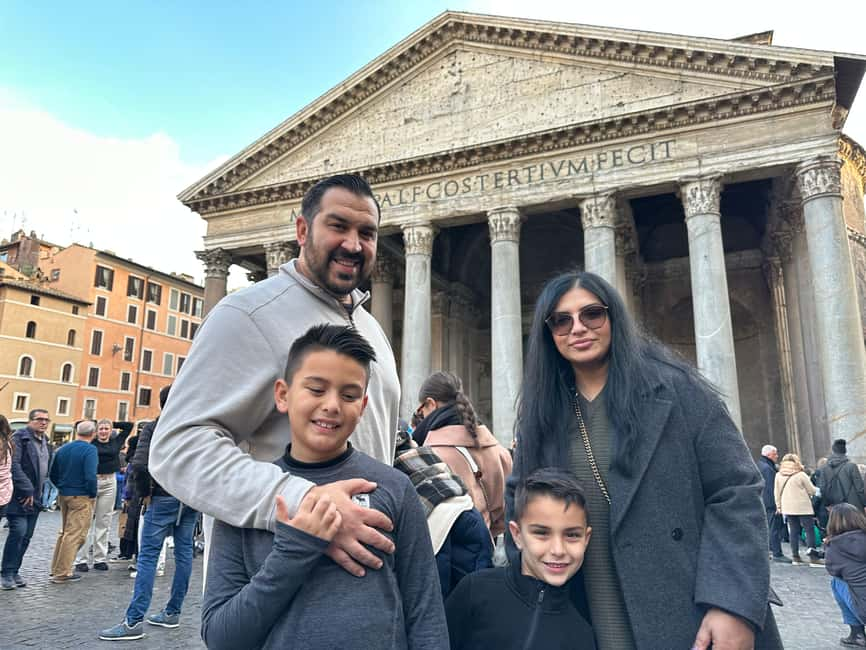
The hunt then shifts to Pantheon-focused challenges. You’ll work together to piece together riddles inspired by the building’s history and architecture.
The prompt here is observation. The Pantheon is all about those columns, proportion, and design cues—so the puzzle format pushes you to look beyond the postcard view. You’re effectively turning architecture into something you can solve, not just something you can point at.
And because the clues are tied to the Pantheon’s story, this doesn’t feel like random scavenger hunt chaos. It’s structured learning in kid terms: notice, answer, and move on.
Passing piazzas and narrow alleyways between landmarks
Between the big-ticket sites, the hunt includes stops that lead you through more of Rome’s everyday textures: piazzas and narrow alleyways.
This is one of the reasons I think this works well for families. You’re not only stacking one landmark after another. You’re also getting little breaks where the city feels more lived-in. Those side streets are where kids often reset their energy, and where adults can appreciate street-level Rome.
You should still expect normal city walking—comfortable shoes are key.
The guide factor: playful, engaging, and great for young attention spans
One detail that really pops from the experience feedback is the guide style. A guide named Bruno is mentioned as super kind, playful, and engaging, with kids loving the interaction. Another highlight is how the guide keeps young kids involved, especially if they usually get bored quickly.
Even though the hunt is self-guided, having a guide who can keep the tone fun matters. It helps your team start strong, stay motivated when a clue is tricky, and finish feeling like the day was worth it.
If you’re booking with kids who need movement and constant participation, look for this kind of energy match.
What to bring so the hunt is comfortable
This is an outdoor walking experience, so your kit matters. Bring:
- Comfortable shoes
- Hat
- Camera
- Sunscreen
- Water
I’d add a practical thought: pack water so you’re not hunting for a shop mid-hunt. Also, hat + sunscreen helps a lot because you’ll be outside while climbing and moving between stops.
Timing tips: start early and plan for crowds
The experience notes that starting early helps you avoid crowds. That’s sound advice. Rome’s most famous spots can slow you down, and the hunt works best when you can move between tasks without constant delays.
If you’re choosing a starting time, pick one that still feels realistic for your kids. There’s no prize for an early start if it means cranky meltdowns before you reach the Spanish Steps.
Who this is best for (and who should skip it)
This is a good fit if:
- You’re traveling with children who enjoy puzzles, riddles, and game-style learning
- You want a family route that covers major sights without long passive museum time
- You like the idea of learning while you walk, not after you sit down
It’s not a fit if:
- You need wheelchair accessibility, since it’s not suitable for wheelchair users
- You’re looking for a mostly seated or stroller-based experience (the hunt involves walking and stair-heavy sections)
Should you book the Rome treasure hunt?
Book it if you want a family-friendly way to see the Spanish Steps, Trevi Fountain, and the Pantheon while keeping kids actively involved. The $22 per person price makes sense when you factor in the interactive format plus a live English guide, and it’s especially appealing for children who lose interest during traditional sightseeing.
Skip it if accessibility is a priority for your group, or if you prefer slow, flexible wandering with no built-in challenges. In Rome, you can always do landmarks on your own—but this format saves you from the What do we do now? problem.
If you’re ready for a team-style day with puzzles, photo moments, and plenty of walking, this is a smart, fun bet.
FAQ
Where is the meeting point?
You meet your guide by the Column of the Immaculate Conception in Piazza Mignanelli.
How long does the Rome treasure hunt last?
The duration is about 2.5 hours.
Which landmarks does the hunt include?
The hunt covers the Spanish Steps, Trevi Fountain, and the Pantheon area.
Is the treasure hunt guided or self-guided?
It includes a live English guide, but the treasure hunt is self-guided once the activity starts.
What is included in the price?
Included: the interactive treasure hunt experience and a private guide.
What costs extra?
Not included: entrance fees to monuments and museums, meals and drinks, and transportation to/from attractions.
What should we bring for the activity?
Bring comfortable walking shoes, a hat, a camera, sunscreen, and water.