REVIEW · ROME
Rome: Colosseum, Roman Forum & Palatine Hill Tour
Book on GetYourGuide →Operated by Tours And Tours · Bookable on GetYourGuide
Rome’s ancient drama is right here.
I like this tour because you cover the Colosseum and the Imperial Roman Forums in one tight route, and you walk parts of the Via Sacra where Roman power once moved. The second big win for me is the stop on Palatine Hill, where you get those top-down views over the Forums. One thing to think about: this area is crowded and the day can run hot, so plan for waits and lots of walking even with the skip-the-line ticket benefit.
With the right guide, the ruins stop being just stones. You’ll get a live explanation of gladiator life, the buildings’ purpose, and what the arches and remaining structures mean in the Forum area. And if your language is English, Spanish, French, German, or Italian, you’ll be listening through included headsets, which helps when crowds are loud.
The potential drawback is less about the sites and more about pacing. A few people found the tour longer than expected, and some found certain accents harder to follow—so bring patience (and water) and wear comfortable shoes.
In This Review
- Key Points at a Glance
- Why This Colosseum–Forum–Palatine Route Works So Well
- Meeting at Via delle Terme di Tito 93: The Practical Start Point
- Security and Headsets: Skip the Line, Then Keep Moving
- Colosseum Tour: Gladiators, Architecture, and the Flow of Power
- Roman Forum on Via Sacra: Where Caesar’s Story Becomes Physical
- Palatine Hill Climb and Emperor Views Over the Forums
- Crowds, Heat, and Timing: How to Plan Your Best Day
- Price and Value: What $41 Buys You (and What It Doesn’t)
- Languages and Group Experience: Hear the Story in Your Language
- Should You Book This Colosseum, Roman Forum & Palatine Hill Tour?
- FAQ
- How long is the tour?
- Where does the tour meet?
- What is included in the ticket price?
- What should I bring for entry?
- Does the tour include a skip-the-line advantage?
- Is the tour wheelchair accessible?
Key Points at a Glance
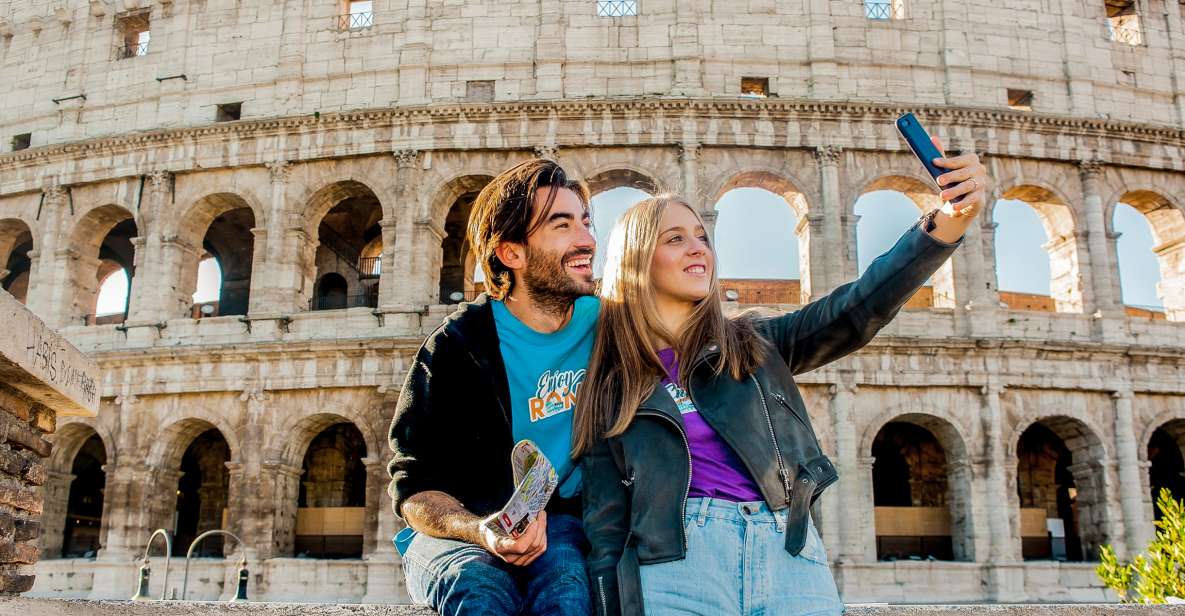
- Skip-the-line tickets help you start faster, though security and entry lines can still be busy
- Via Sacra cobblestones give you a real sense of how downtown Rome once worked
- Gladiator stories plus life-and-training details make the Colosseum easier to understand
- Last surviving triumphal arches in the Forum area give strong visual milestones
- Palatine Hill climbs and viewpoints show how emperors watched over the city
- Headsets help you catch the guide even when you’re surrounded by a lot of people
Why This Colosseum–Forum–Palatine Route Works So Well
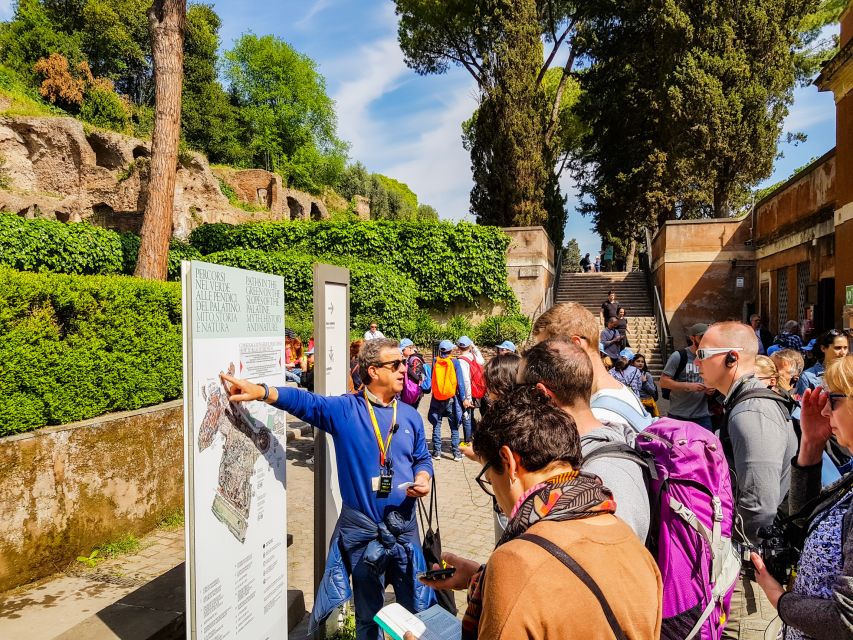
Rome’s top sights are close on the map, but they’re not close in energy. The streets, the crowds, and the heat can turn a simple walk into an all-day project. This tour is built for people who want the headline sites in about 2.5 hours with a guide to connect the dots.
I like that it focuses on three parts of the same story. The Colosseum is the symbol everyone recognizes. The Imperial Roman Forums show the political and ceremonial center of Roman life. And Palatine Hill ties it together by looking at the emperors’ power from above, where you can see how the city laid itself out around that authority.
There’s also a nice balance between big-ticket landmarks and smaller, easy-to-miss details. You’ll pass the triumphal arches—Septimius Severus, plus the Titus and Constantine arches—and the tour includes a stop at the spot where Julius Caesar was cremated. These are the kinds of moments that make you say, Oh, that’s what that is.
You can also read our reviews of more tours and experiences in Rome.



Meeting at Via delle Terme di Tito 93: The Practical Start Point
This tour meets at Via delle Terme di Tito, 93. It’s not the type of meeting point you guess from a postcard, so arrive with a bit of buffer time.
If you’re coming by metro, the directions provided are straightforward: from Colosseo metro station, head to the terrace above the station. Then walk on Via Nicola Salvi about 100 meters and turn left. That short, specific guidance matters because crowds can make it hard to spot the exact group without getting turned around.
Here’s what I’d do to keep the start from feeling chaotic: show up early enough to go through the same kind of airport-style screening that everyone must complete. Getting that first step done calmly sets the tone for the rest of the visit.
Security and Headsets: Skip the Line, Then Keep Moving
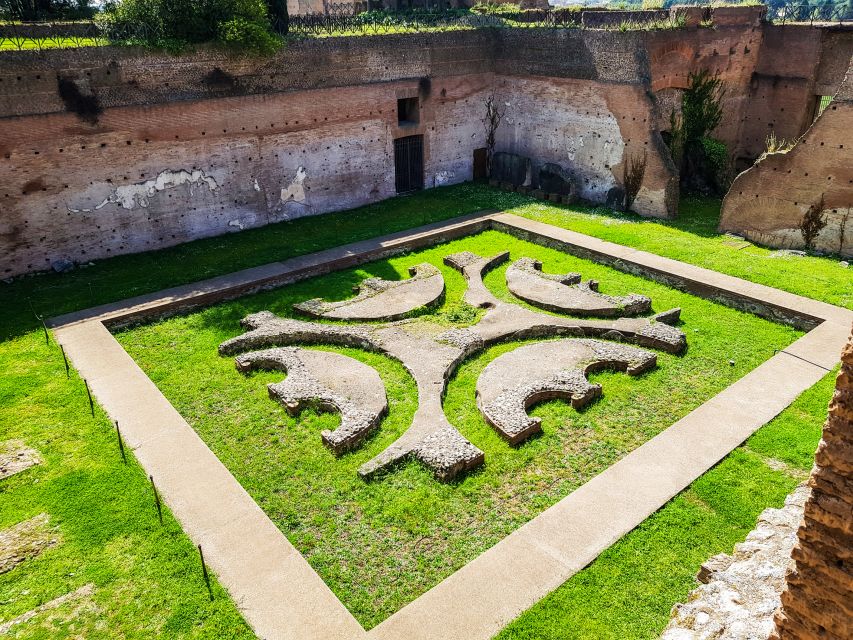
The tour includes entrance tickets and a skip-the-ticket-line benefit. That’s a real value in Rome, where standard lines can eat up your best morning hours.
Still, manage expectations. The skip-the-line perk mainly helps with ticketing, not with the reality that this is a security-controlled site area with heavy foot traffic. So plan for some waiting around entry points, and don’t treat this as a magic wand that guarantees no lines at all.
The tour also includes headsets, which is a big deal on this route. The Colosseum and the Forum can be loud and visually intense, and headsets keep you tuned to the guide instead of fighting the sound of your surroundings. If you’ve had trouble with accents in the past, headsets can make a noticeable difference.
Also, read the rules before you go. Pets, weapons or sharp objects, alcohol and drugs, and glass objects aren’t allowed. It’s not just about comfort; you’ll want to avoid anything that could slow you down at screening.
Colosseum Tour: Gladiators, Architecture, and the Flow of Power
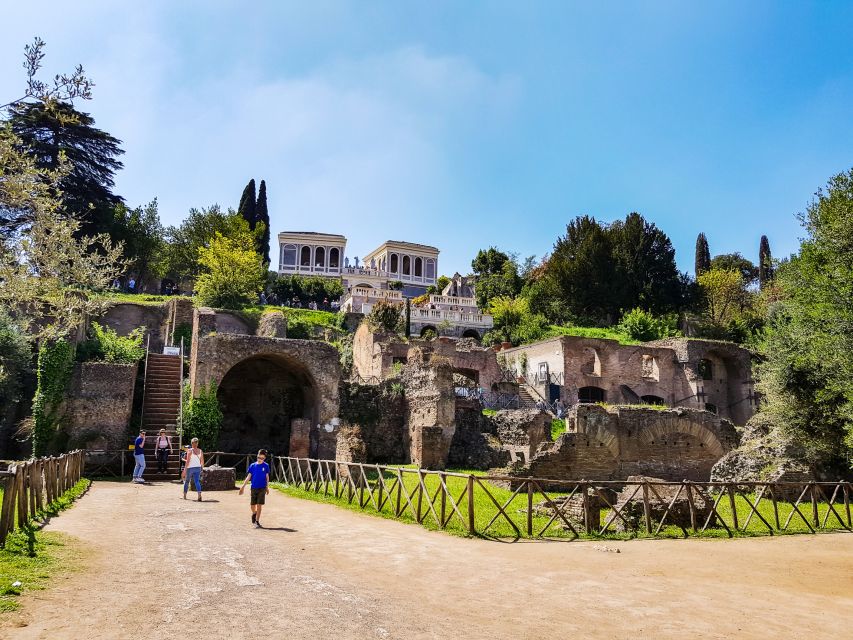
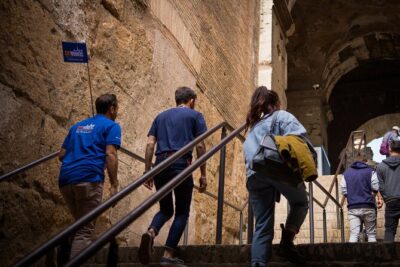
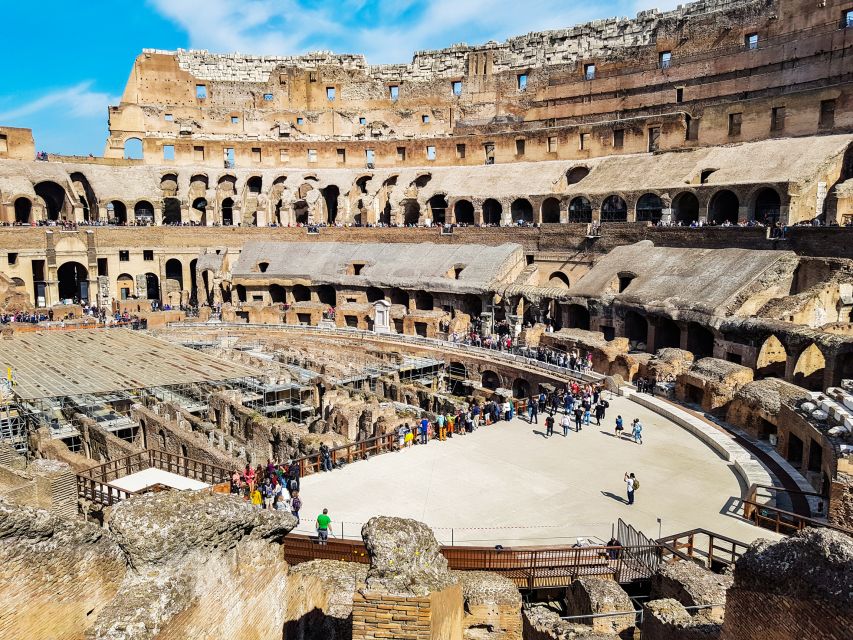
The Colosseum portion runs about 1 hour with a guided explanation. This is the part most people picture first: the oval arena shape, the scale, and that unmistakable silhouette against the Roman sky.
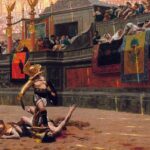
What makes the tour useful is the way it turns the building into a story. You’ll hear about the lives of gladiators, including their living conditions and training. That kind of human detail helps you interpret what you’re seeing instead of just walking past walls and arches.
The guide also spends time pointing out the Colosseum’s role as a stage for fame. When you understand that the performances weren’t just entertainment, you start noticing why the place was built the way it was and how it funneled attention.
If you’re a photo person, this is usually the moment you’ll want the most time. The crowds can make it tricky, but a good guide can help you line up viewpoints so you’re not always shooting through elbows. Some guides have even been praised for taking great pictures for you with your own camera—so if that matters to you, you’ll likely appreciate that extra bit of attention.
One caution: the Colosseum time is often the highlight, and people who want more arena time can feel the schedule tight. If you’re the type who wants to wander on your own too, plan to do a small amount of extra exploring after the tour ends.
Roman Forum on Via Sacra: Where Caesar’s Story Becomes Physical
After the Colosseum, you’ll move to the Roman Forum, also about 1 hour of guided time. This is where the tour really earns its keep for first-timers.
You’ll be guided through the Imperial Roman Forums and walk on the same cobblestones as Julius Caesar, Mark Antony, and Cleopatra along the Via Sacra. That line isn’t just dramatic wording—it’s the core benefit. You get a sense of the Forum as a lived-in downtown center, not a museum of disconnected ruins.
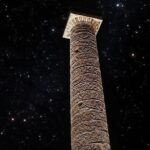
Expect the guide to point out the major landmarks around you, including the Triumphal Arches of Septimus Severus and the Titus and Constantine arches. Since the tour calls these the last three surviving triumphal arches in Rome, they act like bookends in your visual memory. When you later look at photos or maps, these arches are the anchors that help you place everything else.
One of the most compelling stops is the very spot where Julius Caesar was cremated. Standing there (instead of reading about it) makes the Forum’s layers feel real. It’s the kind of moment where the ruins shift from background to evidence.
The drawback here is the crowd level. The Forum is an open area, but it still bottlenecks people. If you’re sensitive to packed spaces, don’t plan this as your slow, peaceful stroll day. It’s the opposite: it’s a walk-through of big meaning, and you’ll move with a group.




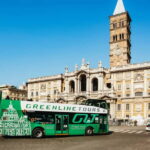

Palatine Hill Climb and Emperor Views Over the Forums
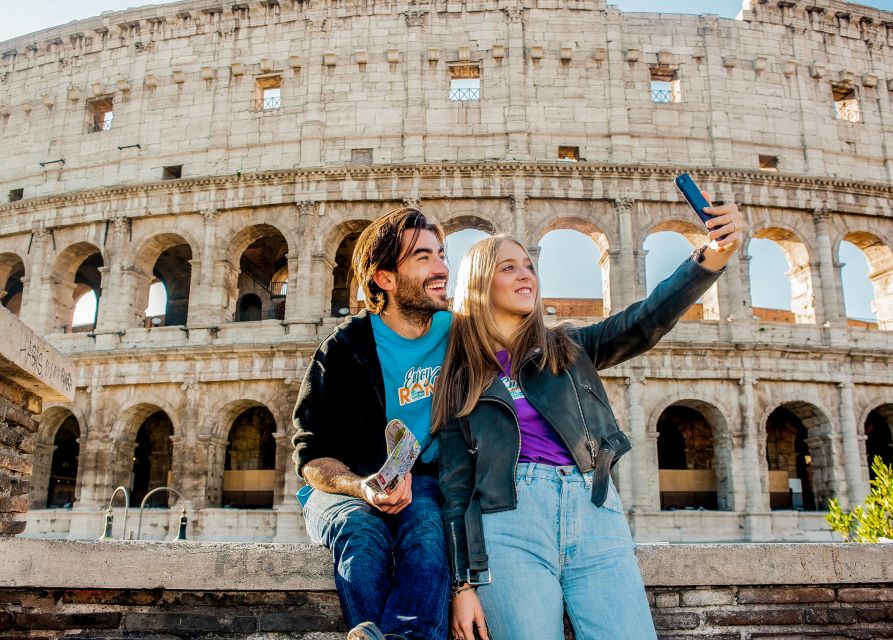
Next comes Palatine Hill, about 1 hour guided. This is the stop that often surprises people, because it’s not just more ruins—it’s a different angle on power.
The tour explains that Palatine Hill is where numerous emperors built opulent palaces, and you’ll get views overlooking the Forums. That viewpoint helps you understand why Palatine matters. From up high, you can see the Forums as the system the emperors watched and controlled.
Also, Palatine involves a climb. The tour description frames it as climbing Palatine Hill, and the overall tour isn’t designed for wheelchairs or mobility impairments. If your legs tire quickly, bring the mindset that you’re doing a short hike. If your legs are fine, this is also a great moment to take in the “this is the center of everything” layout.
Photography tends to work well here because you can frame the Forum area from above. The guide can steer you toward spots where you’re not only getting the view, but also getting a view that makes sense of what you just saw at ground level.
Crowds, Heat, and Timing: How to Plan Your Best Day
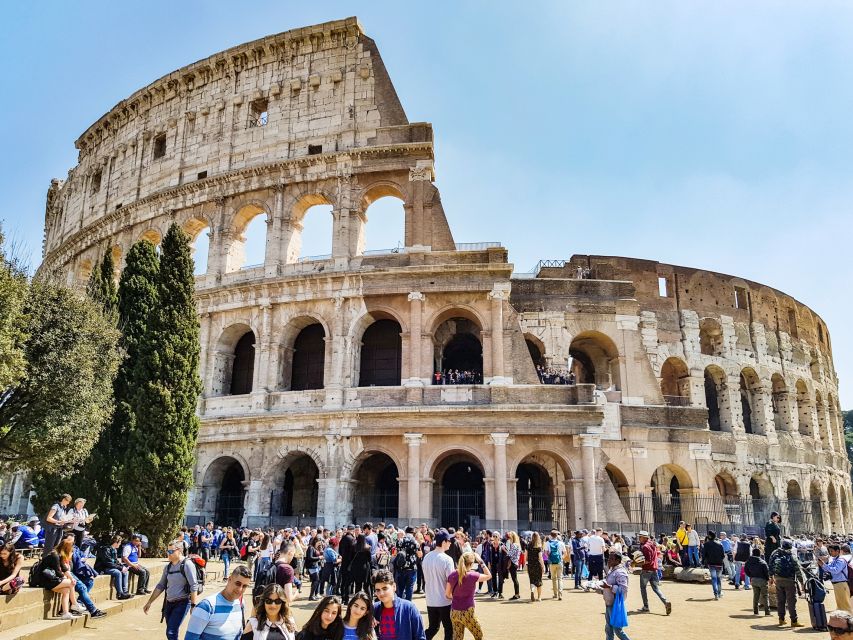
Two things shape your experience more than you’d think: crowds and time pressure.
This tour is built to be efficient, and it runs in all weather. That means you should treat it as an outdoor experience with real sun exposure. On hot days, some guides have been praised for keeping the group in the shade when possible and watching for comfort breaks and water refills. That’s a practical skill, not just friendliness.
Still, even the best guide can’t control the basics. The Colosseum and Forum areas are popular at most hours, and there’s airport-style security. Some people found the tour running longer than planned, often due to the pace of crowds and entry processes.
So pack for reality:
- Wear comfortable shoes because you’re on cobblestones and uneven surfaces.
- Bring a hat and sunscreen if it’s warm.
- Keep your ID or passport accessible for entry screening, including for children.
If you like to keep your schedule flexible, this is an easy tour to choose. If your afternoon is locked to something tight, leave buffer time after the tour ends. Rome’s most famous ruins don’t move fast, even when you have tickets.
Price and Value: What $41 Buys You (and What It Doesn’t)
At $41 per person for a 2.5-hour guided experience, the value is in the blend of what’s included: professional guide, entrance tickets, and headsets.
That’s why this works well compared to piecing it together yourself. You’re not just buying access to buildings. You’re buying an organized route, context that helps you read the sites, and support with hearing (through headsets) as you move between locations.
What’s not included matters too. Hotel pickup and drop-off aren’t part of the deal, so you’ll need to get yourself to the meeting point at Via delle Terme di Tito, 93. Food and drinks aren’t included, which is a big deal in Rome heat. If you’re sensitive to low energy, plan your lunch timing around the tour rather than trying to squeeze food into the middle.
Also, this is a “see the big story in one go” experience. If you’re the type who wants long, quiet wandering time in every corner, you may find the pacing a bit intense. For most first-timers, that’s actually the point: you leave with the structure in your head.
Languages and Group Experience: Hear the Story in Your Language
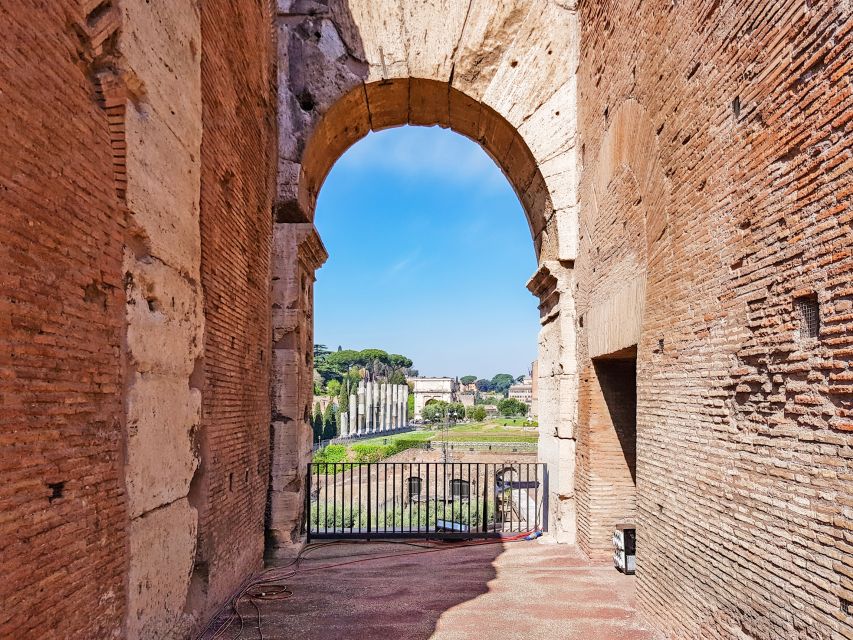
The tour offers a live guide in Spanish, French, German, English, and Italian. That’s helpful in Rome because English coverage can vary so much across different tours.
Headsets also help make the guide easier to follow, especially in crowded spaces. A few people noted that accent can be harder to follow at times, but the consistent use of headsets is the counterbalance.
For group dynamics, this tour attracts a lot of people on famous-site days. Some departures can feel a little chaotic at check-in if multiple groups are lining up at once. The best strategy is boring but effective: arrive early, keep your ID ready, and don’t wait until the last minute to find your meeting point.
Should You Book This Colosseum, Roman Forum & Palatine Hill Tour?
Yes—if you want the Rome essentials with a guide and you like understanding what you’re looking at. This tour is especially worth booking when:
- You’re short on time and want Colosseum + Forum + Palatine Hill without planning the route yourself.
- You care about story details like gladiator life, the Via Sacra walkway experience, and the arches plus the Caesar cremation stop.
- You’d rather rely on a guide for timing and navigation than spend your first day figuring things out.
Skip booking (or at least pair it with a plan for extra independent time) if:
- You hate crowds and don’t handle tight group movement well.
- You need lots of slow, unstructured time at each site.
- Mobility is an issue. This tour isn’t suitable for wheelchair users or people with mobility impairments.
If you fall in the first group, you’ll likely appreciate how efficient and structured the route feels—and how quickly the biggest Roman icons start making sense when you see them in sequence.
FAQ
How long is the tour?
The tour lasts about 2.5 hours. Starting times vary, so check availability for the specific day you’re visiting.
Where does the tour meet?
The meeting point is Via delle Terme di Tito, 93. If you arrive by metro at Colosseo, you’ll go to the terrace above the station, walk on Via Nicola Salvi for about 100 meters, and turn left.
What is included in the ticket price?
Included are a professional guide, entrance tickets, and headsets.
What should I bring for entry?
Bring a passport or ID card. Children also need a passport or ID card.
Does the tour include a skip-the-line advantage?
Yes, the tour includes skip-the-ticket-line entry. You should still expect security screening because all visitors must pass through airport-style security.
Is the tour wheelchair accessible?
No. This tour is not suitable for people with mobility impairments and is not for wheelchair users.