REVIEW · ROME
Rome: Private Tour of the Jewish Quarter
Book on GetYourGuide →Operated by Roman Vacations · Bookable on GetYourGuide
Rome’s Jewish Quarter compresses 2,000 years into a few walkable blocks. This private tour connects street-level details to the bigger story of survival, faith, and community. I like that it is premium and private, and I also like the built-in stop for authentic Kosher gelato or coffee.
What I really appreciate is how the route mixes famous landmarks with everyday neighborhood textures, so the quarter feels lived-in, not staged. One possible drawback: it is a short, 2-hour walk, so you’ll want comfortable shoes and a “watch your feet” mindset if you’re traveling in hot sun or rain.
In This Review
- Key points that make this tour worth your time
- Entering the Jewish Quarter with context, not trivia
- Start at Trajan’s Column (Foro Traiano) and get your bearings fast
- Theatre of Marcellus: the Roman stage you can still feel
- Fontana delle Tartarughe: the turtle fountain and its one-day stunt
- Kosher gelato: a real included break, not an optional detour
- The Jewish Ghetto streets: cobblestones, symbols, and questions
- Portico d’Ottavia: where ancient stone meets everyday use
- Tiber Island and the Asclepius legend: history with myth attached
- What you’ll walk off in 2 hours (and why the timing works)
- Price: what $88 buys you in a premium private format
- Who this tour suits best (and who might want a different plan)
- Should you book the Rome Jewish Quarter private tour?
- FAQ
- What is the duration of the private tour?
- How much does the tour cost per person?
- Where do I meet the guide?
- What’s included in the tour price?
- Is the tour private?
- What language is the tour guide?
- Will the tour run in bad weather?
- What should I bring for the walk?
- Can I get a full refund if I cancel?
- Are there flexible payment options?
- Is it wheelchair accessible?
Key points that make this tour worth your time
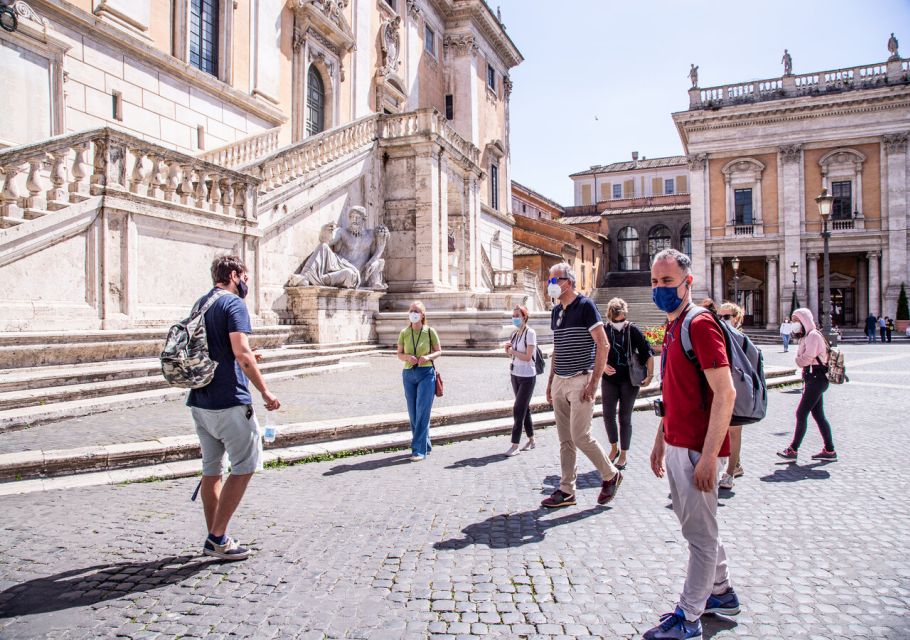
- Private, live English guide means questions get answered on the spot.
- Trajan’s Column as the start gives you a fast Roman context before you hit the Jewish Ghetto.
- Turtle Fountain with the one-day construction story adds an unexpected, fun layer.
- Great Synagogue area and Portico d’Ottavia show how ancient spaces still function in modern Rome.
- Kosher gelato (or coffee) is included, so you don’t have to plan the food stop.
- Crossing to Tiber Island ties the neighborhood to a wider myth-and-history Rome timeline.
Entering the Jewish Quarter with context, not trivia
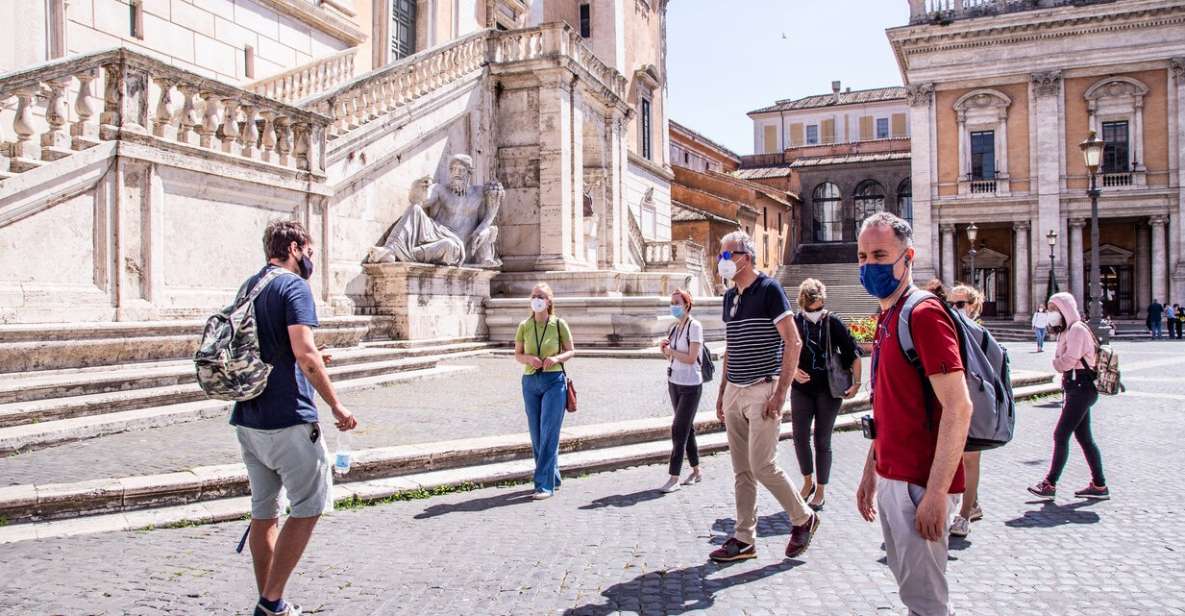
There are tours that list sites. This one helps you understand why the sites matter right where they sit.
You start in the Rome that most people know, then you walk into a neighborhood where the stonework, street shapes, and public spaces carry stories you can almost feel. The Jewish Ghetto is not just a museum area. It is a real quarter with shops, restaurants, bakeries, and daily rhythms. That mix is exactly what makes this kind of guided walk useful: you’re not only looking, you’re connecting.
The “premium” part matters too. With a private group, your pace is yours. Want a slower stop at street corners to absorb details? You can. Want to ask lots of questions while the guide is still in the moment? You can do that too.
You can also read our reviews of more private tours in Rome



Start at Trajan’s Column (Foro Traiano) and get your bearings fast
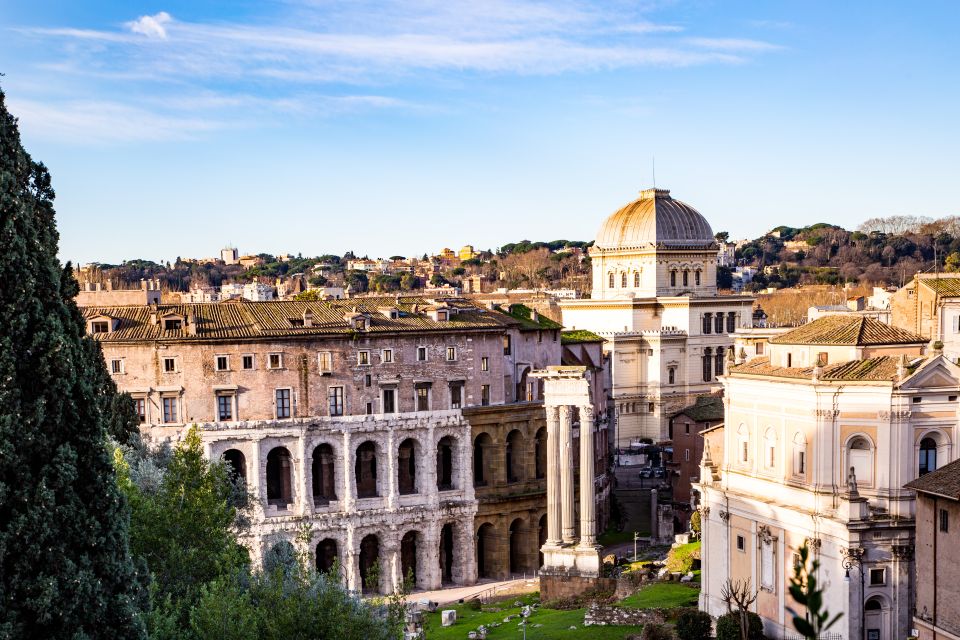
The meeting point is at Foro Traiano, 84, at Trajan’s Column, along the fence on the northwest side. Look for a Roman Vacations representative holding an orange sign with the lion logo.
I like this start because it forces the right order of thinking. Trajan’s Column is all about Roman power and public messaging. You’re standing in a place that screams empire and law. Then, as you move through the day, your guide can layer in how later communities lived beside and inside those older Roman structures.
You’ll walk with stops that build momentum, not just checkboxes. The first key idea is that Rome keeps reusing space. The second is that the Jewish Quarter’s story is not isolated. It is part of the same city that built theaters, ports, bridges, and fountains.
If you want a smooth start, arrive 10 minutes early. Late arrivals can lose your place in the schedule.
Theatre of Marcellus: the Roman stage you can still feel
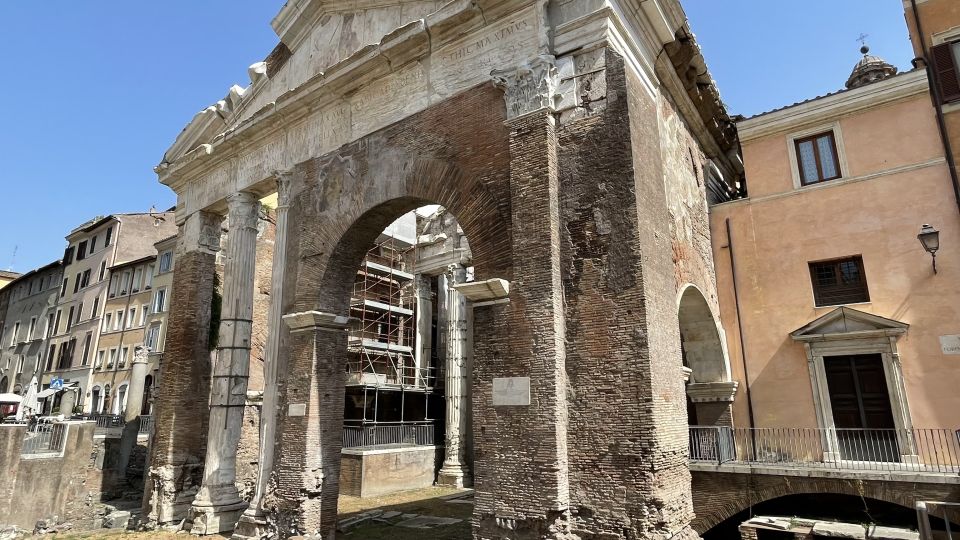
A short stop at the Theatre of Marcellus sets up what you’re going to keep noticing all day: ancient construction can look “old” and still function as a modern landmark.
In just about 20 minutes with a guide, you should get beyond the basics and into what makes this theater different in the Roman urban system. The Theatre of Marcellus sits in a lived-in area, not behind ropes and walls. That is the point. Rome is not frozen time. It is ongoing life built on older foundations.
The practical value here is big. When you later walk through the Jewish Quarter, you’ll recognize patterns sooner. For example: how Roman architecture shaped street movement, how public spaces created visibility, and how communities adapted to existing infrastructure rather than starting from scratch.
One consideration: this early stop is quick. If you like to linger, ask your guide where to slow down so you don’t feel rushed.
Fontana delle Tartarughe: the turtle fountain and its one-day stunt
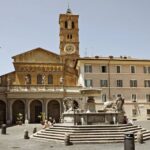
Next comes Piazza Mattei and Fontana delle Tartarughe, the Turtle Fountain. You get around 20 minutes guided here, which is perfect for absorbing both the looks and the story.
Here’s what makes this stop fun: the fountain is tied to a tale of construction done in a single day. That kind of odd detail is exactly why a guided walk helps. You’re not just seeing something pretty. You’re getting a reason to remember it.
The fountain also acts like a mental reset. After heavy history language and Roman stone, you’re now in a space that feels like a pause point. You can look at the water, the surrounding street life, and the way the neighborhood energy changes block to block.
If you’re traveling in summer, take advantage of this stop to drink water. The tour later includes more walking on cobblestones.
Kosher gelato: a real included break, not an optional detour
Before you continue deeper into the quarter, you’ll have an included treat: authentic Kosher gelato or coffee. Your guide provides it.
I like this for one simple reason. Food stops often turn into self-planning exercises that derail timing. Here, the included refreshment becomes part of the experience rather than an extra task.
Also, this is not just a generic “Italian dessert moment.” It connects directly to the cultural rhythm of the neighborhood. Even if you only taste one flavor, it tells you the tour is serious about being accurate, not just convenient.
Keep in mind: it’s a walking tour. Bring patience for the route length and keep the gelato stop to what it is: a short, pleasant reset so you can keep your energy for the later sights.






The Jewish Ghetto streets: cobblestones, symbols, and questions
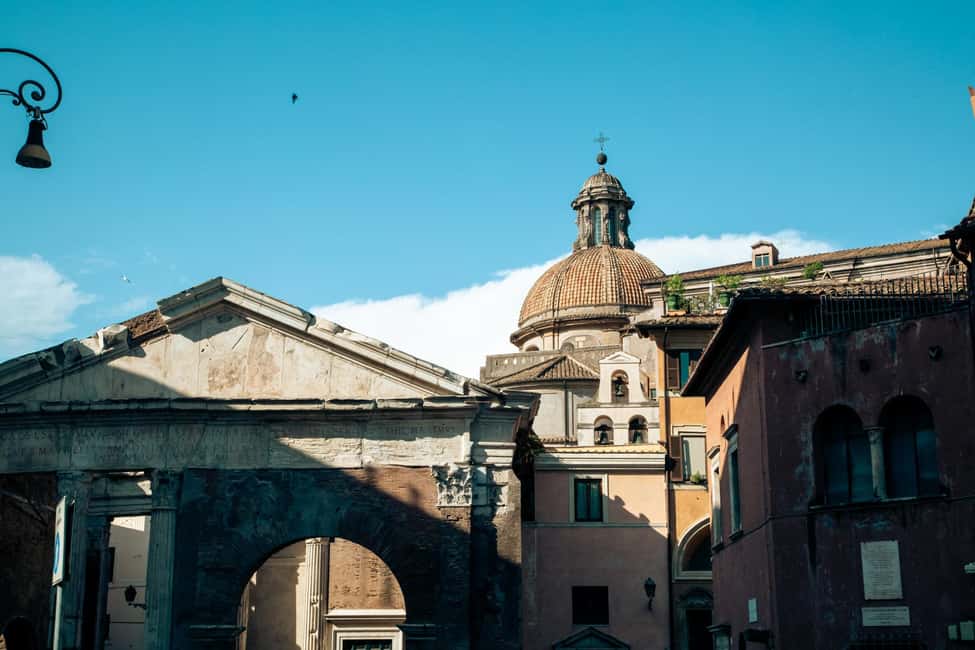
Now you’re in the heart of the story: the Jewish Ghetto and the Jewish Quarter’s older lanes. Expect around 20 minutes guided through this area, with time for you to ask burning questions and walk at your own pace.
This is where you start noticing the neighborhood’s personality. The streets are cobbled and narrow, and that physical layout shapes how people moved, gathered, and defended privacy. Your guide can also help you connect that layout to 2,000 years of history you might otherwise struggle to place.
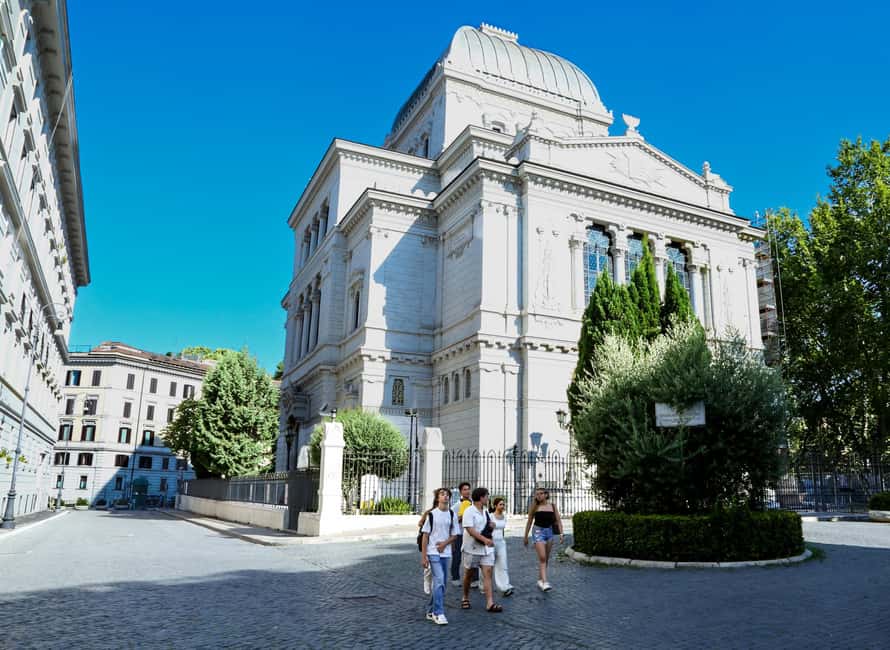
One highlight is the chance to learn about major landmarks, including the Great Synagogue of Rome. You’ll also pass the Portico d’Ottavia, which helps show how Jewish communal life and broader Roman city planning overlapped in the same geography.
There’s another practical perk here: the walk includes the quarter’s main street feel, with restaurants, bakeries, and shops. When the tour ends, you’ll know where to come back later for Kosher Italian food on your own.
If you care about photography, tell your guide early. You’ll get better angles when someone helps you pick the moments rather than trying to shoot while walking.
Portico d’Ottavia: where ancient stone meets everyday use
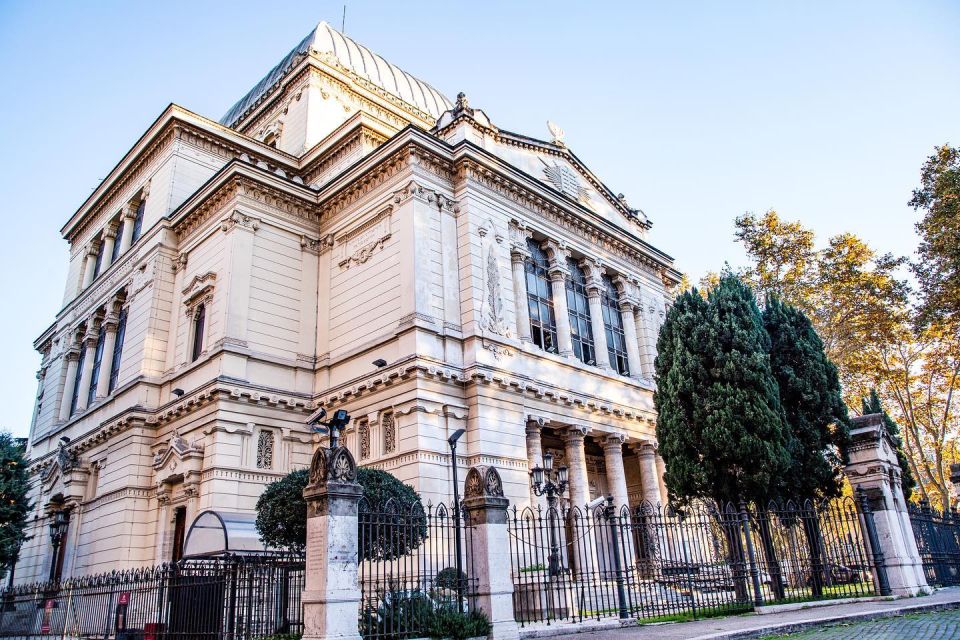
The Portico d’Ottavia stop is shorter, about 15 minutes guided, but it can be one of the most satisfying segments because the contrast is so clear.
You’ll see the blend of ancient construction and modern life in the same visual frame. That means you’re not only learning about the past. You’re watching how Rome keeps reusing its older architectural skeletons.
This is the kind of stop that pays off later, too. When you reach Tiber Island, you’ll understand why the guide keeps pointing out how older spaces still guide movement and behavior. Rome doesn’t just preserve. It repurposes.
If you’re someone who hates rushed walks, use the Jewish Ghetto segment to slow down. You don’t want to save all your lingering for the quick Portico stop.
Tiber Island and the Asclepius legend: history with myth attached
After Portico d’Ottavia, you’ll cross the oldest bridge in Rome to Tiber Island. You’ll get about 20 minutes guided here.
This part is a strong example of what makes a guided walk valuable: it links place to story. On Tiber Island, you’ll hear about Asclepius, the Greek god connected with healing, and how that story traveled into Rome.
Even if you’re not the myth-collecting type, legends can help your brain sort the city. When you know why a space was meaningful, the physical features start telling you a clearer story.
One more benefit: Tiber Island is a natural viewpoint in the mental geography of Rome. It helps you reframe the day from “what did I see?” to “how does Rome connect everything?”
What you’ll walk off in 2 hours (and why the timing works)
The tour is scheduled for 2 hours. That’s short enough to stay energetic, but long enough to hit multiple anchor points: Trajan’s Column, Theatre of Marcellus, Turtle Fountain, Jewish Ghetto, Portico d’Ottavia, and Tiber Island.
Here’s why that matters for you: in a place like Rome, time is always limited, and walking fatigue is real. With a private guide, 2 hours becomes focused. You get structure without the pressure of an all-day itinerary.
Still, it is a walking tour. Bring comfortable shoes and expect cobblestones. Bring water. In hot months, sunscreen and a hat help a lot. The tour runs in all weather, so an umbrella is a smart call.
Also note: the guide is English and the group is private. If you’re traveling with a family group or you just prefer talking instead of hovering near other people, that private format is the point.
Price: what $88 buys you in a premium private format
At $88 per person for a 2-hour private tour, the value comes from what’s included and what’s not.
What’s included:
- Your own exclusive expert certified tour guide
- Authentic Kosher gelato or coffee
What’s not included:
- Transportation to or from the meeting point
- Additional food and drink
Is it cheap? No. But it can be good value if you want more than a quick walk-around. Private guiding is especially worth it in the Jewish Quarter because you’re dealing with layered history, architecture, and cultural context that doesn’t always read clearly on your own.
If you’re visiting with a small group, a private tour often works out well compared with squeezing a crowded group into a schedule. And the included Kosher gelato helps offset part of the cost so you’re not adding an extra planned stop.
If you’re the type who loves fast facts only, you might choose a self-guided route. But if you want the story explained while you walk, this price makes sense.
Who this tour suits best (and who might want a different plan)
This is ideal for:
- You want a private, English-guided walk rather than a bus-style overview.
- You like history that you can connect to street corners and buildings, not just dates.
- You care about food as part of cultural understanding, not just a souvenir.
- You want a route that includes the Jewish Ghetto, plus Roman landmarks like Theatre of Marcellus and Tiber Island.
It might be less ideal if:
- You want lots of free time for long wandering. This is structured and time-bound.
- You strongly prefer a purely self-paced visit. The cobblestones and the tight schedule mean you’ll likely want the guide’s pacing.
One more note: the tour is wheelchair accessible, which is a meaningful plus if you need that kind of practical coverage.
Should you book the Rome Jewish Quarter private tour?
If you’re choosing between a quick walk and a guided experience, I’d lean toward booking this one. You get a focused route, a private guide, and that included Kosher gelato stop, which turns the itinerary into an experience instead of a checklist.
Book it if you want the Jewish Quarter to feel clear and human, with context tied to the streets you’re standing on. The best versions of this tour come alive through storytelling, and guides like James are specifically mentioned as both knowledgeable and entertaining in the way they share the material.
Skip it only if you know you dislike guided walking tours or you need a very long, unstructured time in each place. At 2 hours, you won’t be here long, but you’ll leave with a much better sense of how Rome’s older layers connect.
FAQ
What is the duration of the private tour?
The tour lasts 2 hours.
How much does the tour cost per person?
The price is $88 per person.
Where do I meet the guide?
You meet at Foro Traiano, 84, at Trajan’s Column, along the fence on the northwest side. A Roman Vacations representative will be holding an orange sign with the lion logo.
What’s included in the tour price?
Your guide is included, plus authentic Kosher gelato or coffee.
Is the tour private?
Yes. It’s a private group tour.
What language is the tour guide?
The tour is guided in English.
Will the tour run in bad weather?
Yes, tours proceed in all weather conditions.
What should I bring for the walk?
Bring comfortable shoes, water, and an umbrella. Sunscreen and a hat are also recommended.
Can I get a full refund if I cancel?
You can cancel up to 24 hours in advance for a full refund.
Are there flexible payment options?
Yes. You can reserve now & pay later, booking without paying today.
Is it wheelchair accessible?
The tour is listed as wheelchair accessible.