REVIEW · ROME
Rome: Pasta & Tiramisu Cooking Class near the Spanish Steps
Book on GetYourGuide →Operated by Cheforaday · Bookable on GetYourGuide
Nothing beats Rome like making your own pasta. This hands-on class turns a few basics into fresh fettuccine and tiramisu just off the Spanish Steps.
I love that you’re not stuck watching from the sidelines, and the instructors (like Lucas, Andrea, and Ricardo in past groups) keep things upbeat and practical while you learn.
One possible drawback: the experience is not a quick demo. If you’re hoping for a relaxed sit-and-sip, this one moves with a bit of energy.
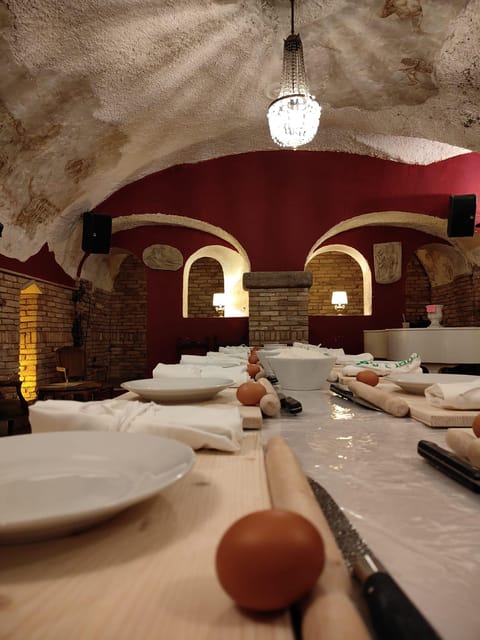
The setting is part of the payoff too. You’ll cook in an air-conditioned restaurant in a 17th-century building with original wall paintings from the 1800s, which makes the whole evening feel more special than a plain cooking room.
You also get a full meal sequence: you’ll make the pasta, sit down with a glass of wine, build your tiramisù, and end with a limoncello toast.
The only real “watch-outs” are practical: the class isn’t suitable for wheelchair users, and vegans can’t be accommodated based on the activity details.
In This Review
- Key highlights you’ll actually care about
- Where “near the Spanish Steps” turns into a genuinely good plan
- Trattoria Amici and the old painted walls that make the night feel different
- Making fresh fettuccine from scratch (and why it’s harder than it looks)
- Choosing your sauce: tomato & basil, pesto, or Alfredo
- The meal moment: wine pairing, table time, and what you’ll be eating
- Tiramisu in real time: a group base, your own build
- Limoncello toast, certificate, and taking something home that lasts
- What this class feels like as a group experience
- Price and value: is $58 fair for what you get?
- Practical tips so you don’t lose time (or miss the class)
- Who should book this, and who should skip it
- Should you book this pasta and tiramisu class near the Spanish Steps?
- FAQ
- Where is the meeting point?
- How long is the class?
- What will I learn to make?
- Are the sauces cooked by you?
- Is wine included?
- Do I get limoncello?
- What recipes do I take home?
- Is it suitable for wheelchair users?
- Are vegans able to join?
- Can children participate?
Key highlights you’ll actually care about
- Spanish Steps location: close enough that you can roll over after sightseeing without planning a whole logistics day
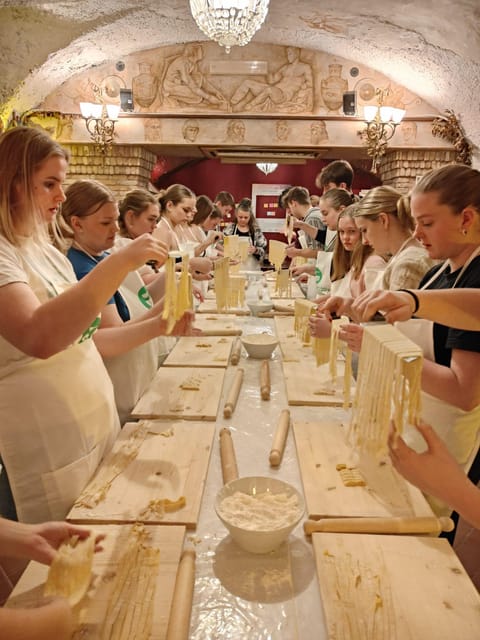
- Real hand skills: you learn how to shape pasta from egg and flour using only your hands
- Sauces are kitchen-prepped: you choose tomato & basil, pesto, or Alfredo, while your pasta work stays hands-on
- Group + personal dessert: the tiramisù cream is prepared together, but each person builds their own tiramisù
- Wine and limoncello included: a glass of red or white (or soft drink) plus a limoncello toast at the end
- Historic room: a 17th-century restaurant space with original 19th-century wall paintings adds atmosphere
Where “near the Spanish Steps” turns into a genuinely good plan
Rome can be noisy, crowded, and a little hard to “do right.” This class is a smart counter-move because it gives you a different kind of Rome memory: food you made with your own hands, served right there.
The best part for planning is the location. Being near the Spanish Steps means you can fit this into a normal afternoon or early evening with less transit hassle. It’s also a great option on a rainy day, since the cooking happens in an air-conditioned indoor restaurant room.
And yes, it’s a tourist-heavy area. But in this case, the area works in your favor. You’re close to major landmarks while your evening stays focused on one clear goal: learn pasta and tiramisù, eat what you make, then head back out with your certificate and recipes.
You can also read our reviews of more cooking classes in Rome

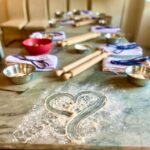
Trattoria Amici and the old painted walls that make the night feel different
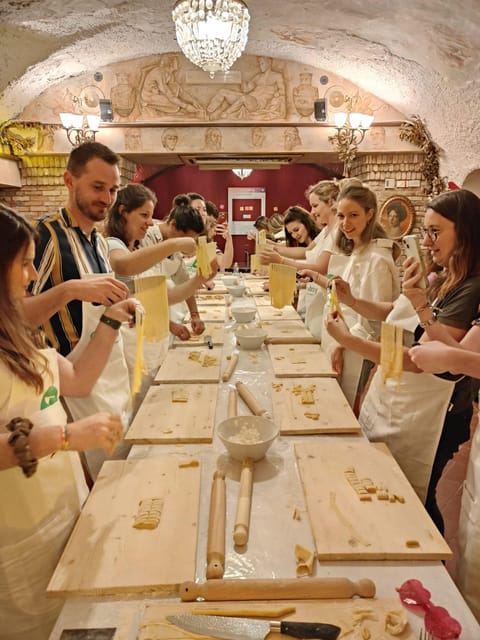
Your start is simple: go inside Trattoria Amici and ask for the cooking class room. There’s a separate entrance, which helps you avoid some of the usual line-and-wait feeling around popular spots.
Once you’re in, the mood shifts. You’re in a restaurant space in a 17th-century building, and the original 1800s wall paintings give the room character. It’s not just set dressing. That historic backdrop quietly helps you slow down and pay attention to the technique, like you’re in a small workshop instead of a big group activity.
You’ll also notice the practical side is covered. The class includes water available throughout, and the team keeps the experience structured so people don’t feel lost. If you’ve ever been nervous about cooking, that matters. The flow here is built around guiding you through the steps until you can actually do them.
Making fresh fettuccine from scratch (and why it’s harder than it looks)
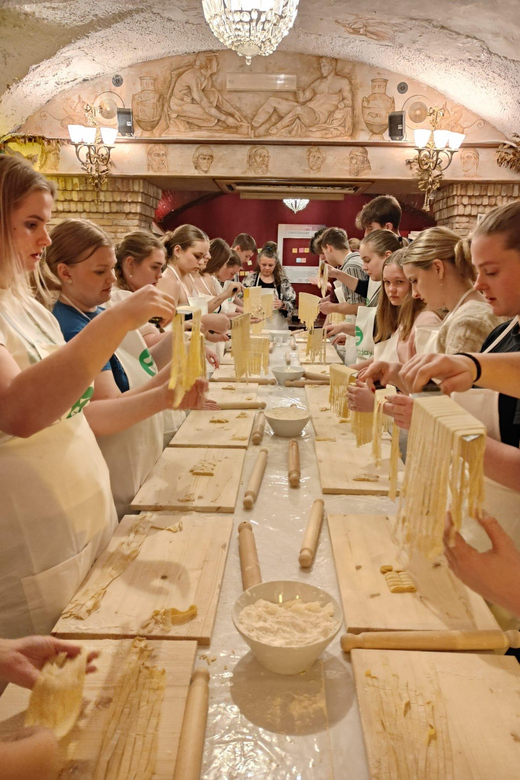
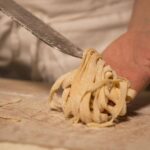
This is a true hands-on cooking class. You’ll take a simple base of egg and flour and turn it into pasta dough you can work with. The technique is taught with the idea that you learn by doing, not by watching.
Here’s what you should expect in the pasta-making portion:
- You’ll mix and knead the dough using your hands until it has the right feel.
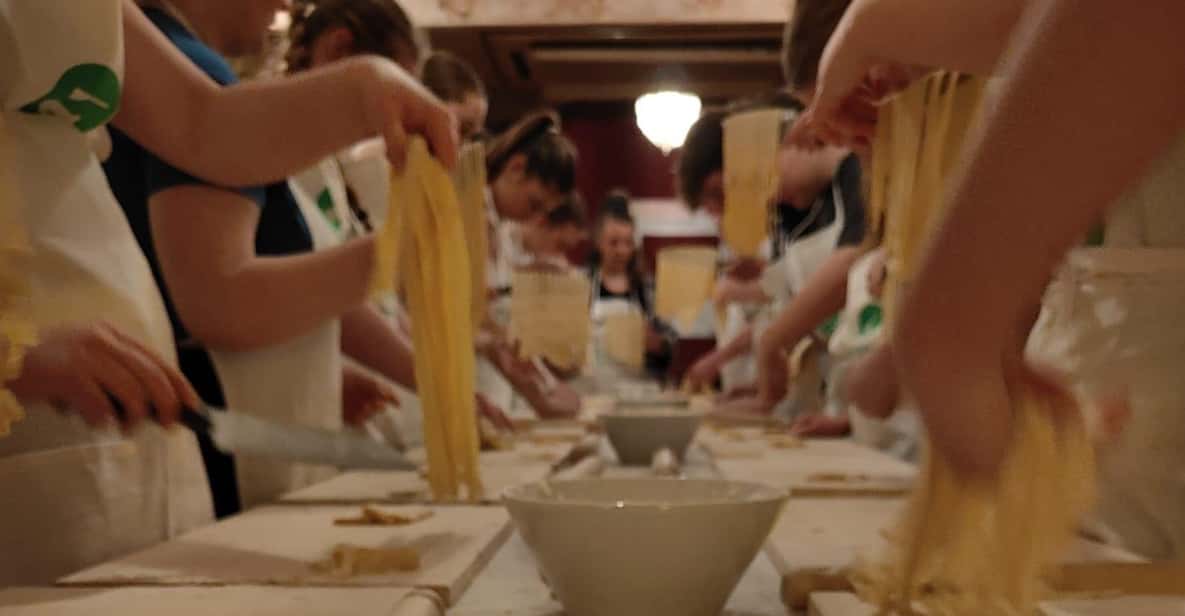
- You’ll roll it out and shape it into pasta (the class centers on fettuccine).
- You’ll cut and form the pasta so it’s ready for cooking.
In past classes, instructors such as Lucas and Ricardo have been praised for being patient and clear, and that shows up in how the class is taught. You’re not just handed a sheet of dough and told to figure it out. You get adjustments and encouragement as you work.
One important detail: your pasta isn’t cooked one person at a time. Pasta is cooked collectively and then divided by sauce. That’s normal for a class setting, and it helps speed things along while still keeping your experience hands-on.
Choosing your sauce: tomato & basil, pesto, or Alfredo
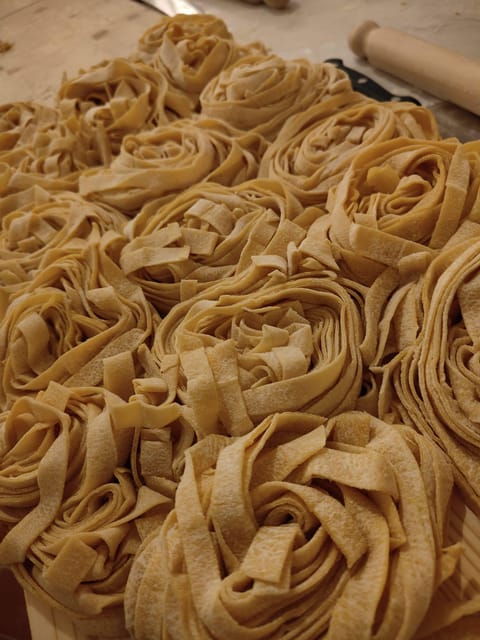
The class gives you real choice, but with a smart division of labor. Sauces are prepared by the restaurant’s kitchen, so you get consistently good sauce without adding the chaos of cooking everything at once.
When it comes time to eat, you can choose among:
- Tomato & basil
- Pesto
- Alfredo
Then your collectively cooked pasta gets divided according to those sauce choices. So while you’re the one making the pasta, the sauce step stays dependable and restaurant-quality.
Why that balance is worth it: pasta-making can be finicky if you try to multitask. You want your attention on dough texture and shaping. Letting the kitchen handle the sauce makes your class result more reliable, especially if you’re a first-timer.
The meal moment: wine pairing, table time, and what you’ll be eating
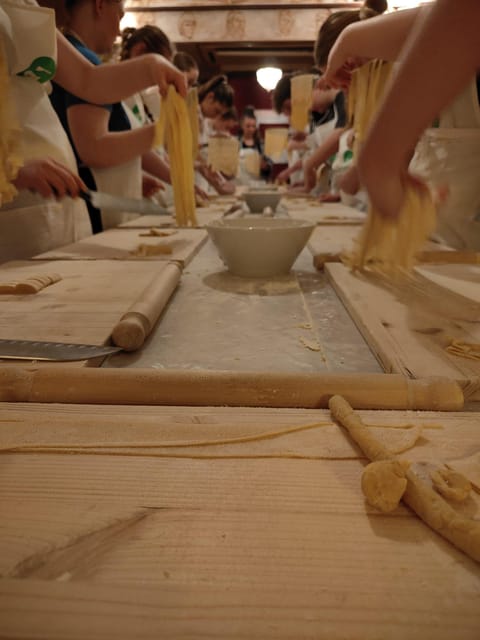
After you’ve made your pasta dough and shaped the pasta, the class shifts into dining mode. You’ll sit down and enjoy what you made paired with a drink.
A glass of wine is included, either red or white, or you can have a soft drink instead. Water is available during the class, which is helpful because pasta-making is surprisingly physical.
Then you’ll eat a plate of your homemade fettuccine with your selected sauce. This is one of the most satisfying parts of the evening because you get instant feedback. If your pasta thickness was off, you feel it. If your dough was right, you taste it.
This is also where the social energy shows up. Many groups end up chatting with classmates at the table, and that can turn the class into a comfortable, low-effort way to meet people while still getting something genuinely Rome-related.
You can also read our reviews of more tours and experiences in Rome


Tiramisu in real time: a group base, your own build
Dessert is where the class goes from good skills to real satisfaction.
You’ll learn how to make tiramisù, and the process is designed to keep it doable in a 2-hour window:
- The tiramisù cream is prepared as a group.
- Each participant then makes their own tiramisù.
That means you still get personal ownership of the dessert, not just a shared dish. You’ll assemble it during the session and leave with the tiramisù you made.
In multiple accounts, instructors like Irene and Andrea have been credited for being dedicated to demonstrating the correct method and guiding you through it step by step. That matches the way the class is structured: demonstrations plus hands-on time so you learn the rhythm, not just the ingredients.
And the truth is, tiramisù is the kind of dish you can’t fake. It’s easy to mess up if you don’t follow the method. So having real-time coaching is a big part of why this class earns such strong ratings.
Limoncello toast, certificate, and taking something home that lasts
The class doesn’t end the second you finish dessert. It wraps with a proper Italian send-off.
You’ll get:
- A limoncello toast to end the experience
- A certificate of participation
- Recipes to recreate the dishes at home
The certificate is a small touch, but it’s one of those “I’ll remember this” items. Several people mention the certificate as a nice keepsake, which makes sense. Cooking classes can blur together across trips; having something tangible helps anchor the memory.
The recipes matter too. Some people wish they had more detail, but the important part is that you do get recipes to make pasta and tiramisù at home afterward. If you’re even mildly motivated to cook again, those instructions are what turn your evening into a skill.
What this class feels like as a group experience
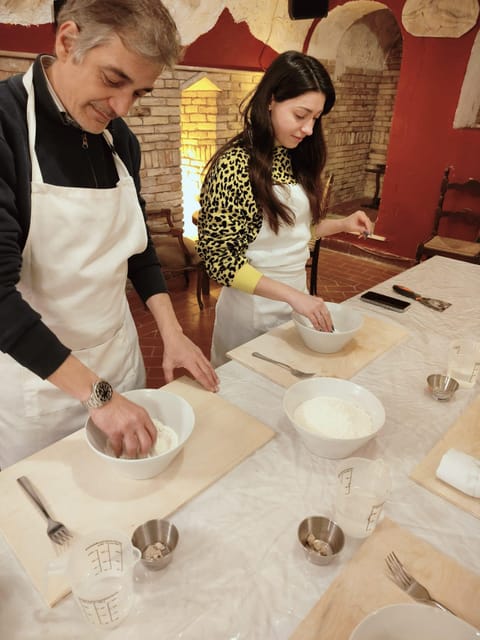
This isn’t a silent, museum-style activity. It’s interactive. Your station gets set up, your instructor checks your progress, and you keep moving through the steps.
From the reviews, a recurring theme is personality and atmosphere. Hosts like Lucas, Ricardo, and Gabi have been praised for being fun, patient, and quick to help. That matters, especially if you’re traveling solo or with kids or teens, because a good instructor reduces the fear of messing up.
Also, you’ll be working alongside others in a similar skill range. That tends to make the evening feel friendly instead of intimidating. Even if your dough doesn’t come out perfect on the first attempt, the class design keeps you on track.
Price and value: is $58 fair for what you get?
At $58 per person for about 2 hours, the price can feel like a splurge—until you break down what’s actually included.
You’re paying for more than a meal:
- an expert instructor
- all necessary equipment and ingredients
- hands-on pasta-making
- tiramisù instruction and your own assembled dessert
- wine (or soft drink)
- limoncello toast
- certificate of participation
- recipes to take home
In a normal Roman dinner, you might pay roughly in the same zone and still get none of the skill-building. Here, your money buys an experience that creates an outcome you made yourself—plus a drink and dessert included, not added later at the bar.
Is it “worth it” if your goal is to only eat? Probably not. But if your goal is a meaningful activity that still delivers a real meal, this is strong value.
Practical tips so you don’t lose time (or miss the class)
A few small things will help you get the best experience:
- Arrive at least 15 minutes early. Late arrivals may not be accepted and could mean rescheduling.
- If you have dietary restrictions or allergies, tell the team in advance. They do their best, but the environment can’t be guaranteed allergen-free and cross-contamination can’t be ruled out.
- Expect a coordinated pace. One comment described it as a bit fast-paced, but guidance is there to keep you moving.
- Know the sauce approach ahead of time: sauce prep is handled by the kitchen, while you focus on the dough and dessert assembly.
If you’re coming from nearby sightseeing, you’ll be fine. If you’re planning to build this around another timed activity, give yourself buffer time for walking in a busy area.
Who should book this, and who should skip it
This is a strong fit if you want an activity that mixes skill, food, and a social setting.
It tends to work especially well for:
- couples looking for something more interactive than dinner
- solo travelers who want a structured way to meet people
- families with older kids and teens (it’s repeatedly described as a family-friendly outing)
A few clear limitations:
- Wheelchair users: not suitable based on the activity details.
- Vegans: not suitable.
- Children under 7: welcome for free, but they must share a workstation with an accompanying adult.
If you’re comfortable standing and working at a station for a couple hours, you’ll likely enjoy it.
Should you book this pasta and tiramisu class near the Spanish Steps?
I’d book it if you want a Rome experience that’s both hands-on and delicious, in a location that keeps your travel day simple. The combination of fresh pasta technique, tiramisù assembly, and included drinks (wine plus limoncello toast) makes the evening feel complete.
Skip it if you want something fully vegan, need wheelchair access, or prefer a slow-paced, passive activity. Also, if you’re the type who gets upset by structured group timing, keep in mind this class is designed to run smoothly for everyone.
If you’re flexible, curious, and ready to get your hands a little messy, this is a great way to spend a couple hours in Rome and leave with skills you can actually use again.
FAQ
Where is the meeting point?
Meet at Trattoria Amici. Go inside and ask for the cooking class room.
How long is the class?
The experience runs for 2 hours.
What will I learn to make?
You’ll make fresh fettuccine pasta and tiramisu.
Are the sauces cooked by you?
No. The sauces are prepared by the restaurant’s kitchen. You choose tomato & basil, pesto, or Alfredo.
Is wine included?
Yes. You’ll get a glass of wine (red or white) or a soft drink to complement your meal.
Do I get limoncello?
Yes. You’ll have a limoncello toast at the end.
What recipes do I take home?
Recipes are provided so you can easily recreate the dishes at home.
Is it suitable for wheelchair users?
No, it’s not suitable for wheelchair users.
Are vegans able to join?
No, vegans are not suitable for this experience.
Can children participate?
Children under 7 are welcome for free, but they must share a workstation with an accompanying adult.