REVIEW · ROME
Rome in 2 days tour including Colosseum, Trevi Fountain and Sistine Chapel
Book on Viator →Operated by Raphael Tours & Events · Bookable on Viator
Rome hits you fast, and this plan is built to move. You’ll start with the Colosseum interior and Roman Forum power stops, then shift to the Vatican Museums and end at the Sistine Chapel, all with a private guide who helps you see more without feeling rushed. In feedback for this tour, guides such as Thomaso, Paola, and Claudia are specifically praised for making the stories clear and the pacing comfortable.
I also like the mix of “big ticket” monuments and classic walking Rome. Day 1 doesn’t just park you at one landmark—Trevi Fountain, Piazza Navona, and the Pantheon are stitched into the day so you leave with a real sense of central Rome, not just a checklist.
One thing to weigh: this is a tight schedule with a moderate walking/standing level, and the Vatican plus sacred-site dress rules can be strict. If you’re not ready for lines, crowds, and careful clothing, you may feel more stressed than excited.
In This Review
- Key things you’ll notice on this Rome 2-day tour
- How a tight two days becomes manageable
- Entering the Colosseum arena and Roman Forum highlights
- Trevi Fountain, Piazza Navona, and the Pantheon: the walk that makes Rome feel like Rome
- Vatican Museums at a private pace with an art-historian guide
- Sistine Chapel: the final room you’ll remember
- St. Peter’s Basilica: what the Jubilee access rules change
- Price and what you’re actually getting for $696.97
- Logistics that matter: dress code, names on tickets, and museum rules
- Who should book this Rome 2-day plan (and who might not)
- Should you book Rome in 2 days with Colosseum, Trevi Fountain, and the Sistine Chapel?
- FAQ
- Is the tour “private” or group-based?
- Where do you go on Day 1?
- What happens on Day 2?
- Is St. Peter’s Basilica included?
- Do I need to follow a dress code?
- Do my ticket details need to match my ID?
- Are tickets mobile?
- Is food allowed inside the museums?
- How much walking should I expect?
Key things you’ll notice on this Rome 2-day tour
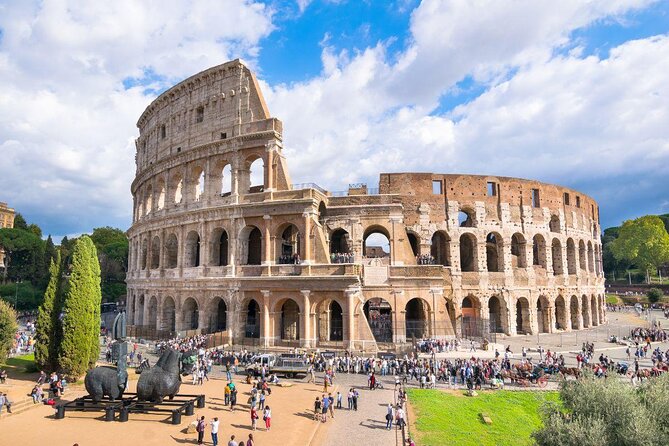
- Reserved Colosseum entrance with interior access plus a guided pass through the surrounding Forum sites
- A real guided walk through central Rome, pairing Trevi Fountain, Piazza Navona, and the Pantheon
- Vatican Museums with a focused art-history route, including major statue collections and Renaissance galleries
- Sistine Chapel time built into the Vatican Museums visit, with a private pace instead of a large-group stampede
- Practical sacred-site rules: dress code is enforced, and food isn’t allowed in museums (bottled water is okay)
How a tight two days becomes manageable
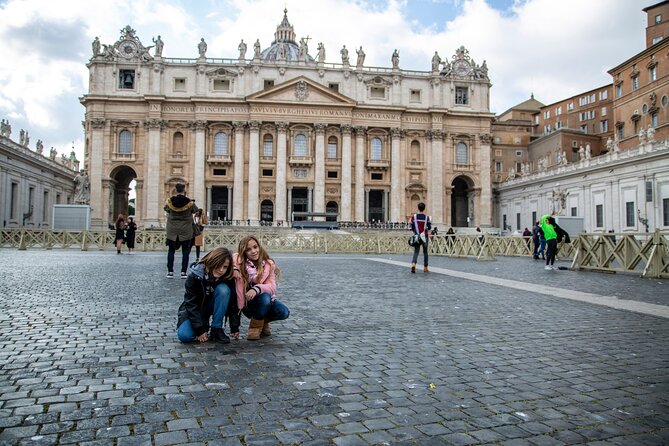
Rome can feel endless. This tour compresses the “must-sees” into two packed days, but it’s not random. The order matters: you tackle ancient Rome while you’re still fresh in the morning, then save the Vatican for Day 2 when your legs can recover with a slower, room-to-room museum flow.
The value here is the private guide format. You get dedicated guidance at the major sites, yet you still get time to breathe and take photos at your own pace, especially since the experience is described as private (only your group).
If your goal is to leave Rome with meaningful highlights—rather than dozens of distant impressions—this schedule is designed for that.
You can also read our reviews of more tours and experiences in Rome
Entering the Colosseum arena and Roman Forum highlights
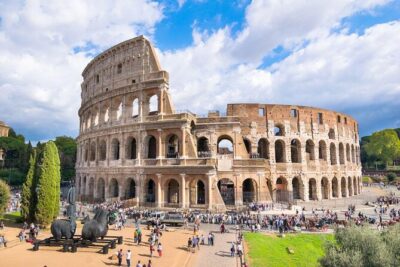
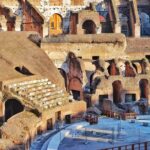
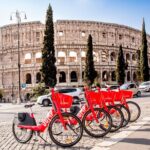
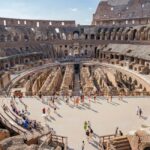
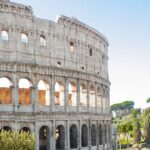
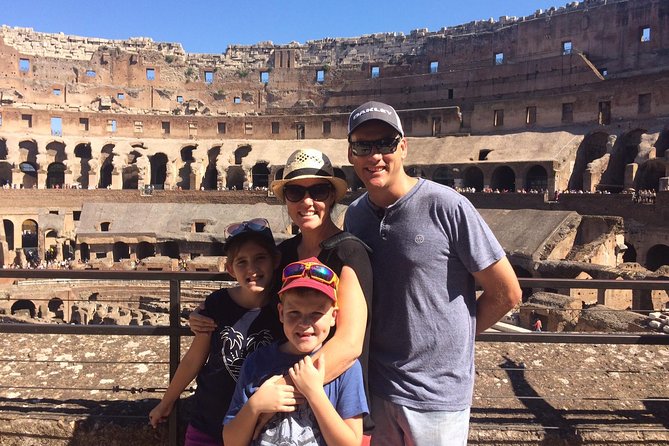
Day 1 starts at the Colosseum with a reserved ticket, and the big deal is that you go inside the arena. That small detail changes everything. From the arena floor, you get a better sense of scale and how this amphitheater was meant to work—crowds, spectacle, and the dramatic geometry of ancient architecture.
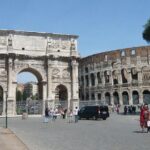
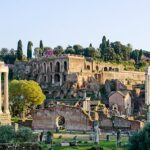
Once your Colosseum visit ends, the tour shifts outside to the surrounding complexes and the Roman Forum. This isn’t a generic “look at some ruins” walk. You’ll see iconic landmarks tied to Rome’s political and religious engine, including the Arch of Constantine and major Forum sights like the Arch of Titus, the House of the Vestal Virgins, the Temple of Saturn, the Senate House, and the Arch of Septimius Severus.
Then you travel via the Sacred Way toward Capitoline Hill and the Vittoriano (a modern monument that’s hard to miss). That contrast—ancient pathways moving toward a grand modern silhouette—helps you understand how Rome layers eras instead of replacing them.
What to watch for: the Forum area includes uneven ground and lots of time outdoors. If your feet get tired quickly, plan your day around that reality. Comfortable shoes are not optional here.
Trevi Fountain, Piazza Navona, and the Pantheon: the walk that makes Rome feel like Rome
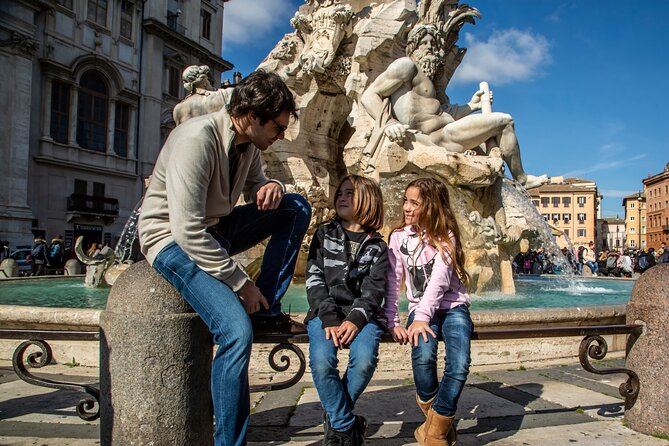
A tour that only hits museums and ruins can leave you feeling like Rome was staged. This one keeps you in the real center of the city with stops that are instantly recognizable and easy to pair with wandering.
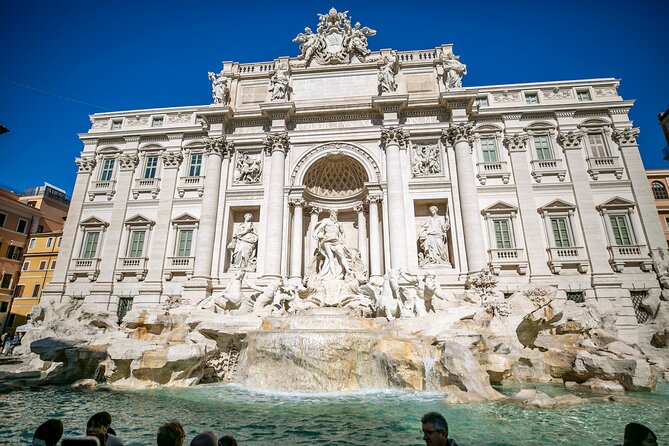
Trevi Fountain is the first classic Rome stop on the schedule. Even if you’ve seen photos, being there in person is different. The water, the crowd energy, and the sheer visual drama make it one of the best places to start practicing “Rome photo patience”—you’ll want to take shots, but you’ll also want a moment just to look.
From there, you move to Piazza Navona, another stop that works for both sightseeing and street-life. It’s a square that feels like a stage, and that’s partly why it’s popular with artists, performers, and everyday Romans meeting friends.
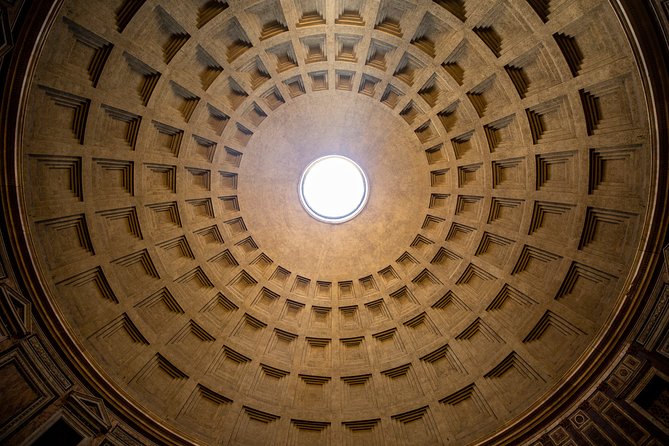
Then comes the Pantheon. The Pantheon is the kind of monument that rewards close attention. When you stand inside, you can feel why people keep returning to it—especially if your guide points out what to look for in the architecture.
Potential drawback: this is a lot to layer into one day. The classic stops are great, but they’re also crowd magnets. Your best strategy is to let your guide set the pace early, then use the walking time to get your bearings so you’re not sprinting between landmarks.
Vatican Museums at a private pace with an art-historian guide
Day 2 begins at the Vatican Museums. The pitch here is simple: you travel at your own pace, and because this is described as private, you can stop in smaller rooms rather than just being swept along in a big group.
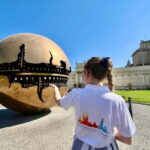
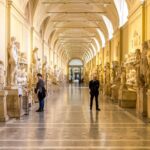
You start with key collections that help orient you. Expect stops such as the Belvedere Courtyard, the Pio-Clementino Museum, and major statue galleries featuring ancient Roman and Greek works. This matters because the Vatican isn’t only about paintings. It’s also about how the museum teaches you to see sculpture, line, proportion, and the way Renaissance artists built on older models.
From there, the tour moves into highlight galleries like the Galleries of Tapestries and Geographic Maps. These are the kinds of rooms that can feel decorative at first glance, but they’re often more meaningful when someone explains what you’re looking at and why it was collected and displayed.
The route also includes rooms such as the Sobiesky Room and the Immaculate Conception fresco area. If you care about art beyond surface beauty, this is one of the better ways to spend limited time in the Vatican.
What I like about this setup: a “private pace” doesn’t mean you walk slowly the whole time. It usually means you get more control—faster through parts you don’t need, slower where you want to linger.
Sistine Chapel: the final room you’ll remember
The Sistine Chapel stop is scheduled after the museum sections, with a dedicated entry into the chapel experience. The advantage of placing it after time in the museum is that you’re already primed for the scale and style shifts across art eras.
In the chapel, your guide’s focus matters. The Vatican Museums can overwhelm you with volume. A good guide helps you avoid the common trap: standing in front of the ceiling with no framework for what you’re seeing.
Plan for stillness and attention. You’re not there to move fast. Even if the schedule keeps moving, this is the one moment where your best souvenir is your memory of the art—not another photo.
St. Peter’s Basilica: what the Jubilee access rules change
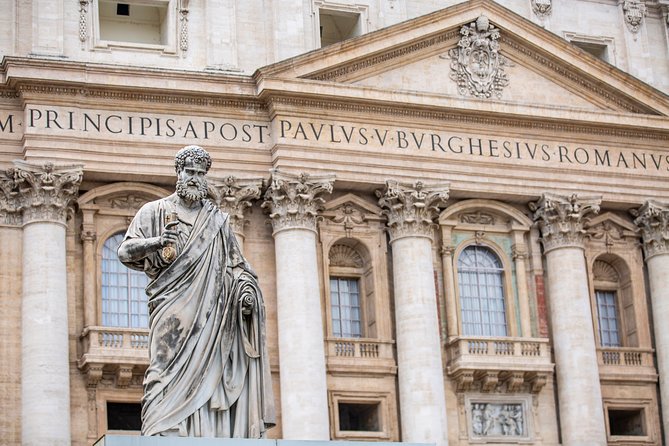
One important note: St. Peter’s Basilica is not included in this tour because of Jubilee new access rules. The guidance in the info is clear—if you want to visit, you should go to St Peter’s Square and queue there.
That can feel like a letdown if you were expecting the tour to bundle everything. But it also means you’re not trapped waiting for a structured basilica entry that might not match current access rules.
If you strongly want basilica time, treat it as your add-on. Keep some buffer in your Day 2 mindset so you’re not forced to rush at the end.
Price and what you’re actually getting for $696.97
At $696.97 per person for about two days, this is not a cheap way to see Rome. The math only works if you’re using what’s included, not just hoping the sights carry the day.
Here’s what helps justify the price based on what’s included in the package:
- You get a local guide described as a Blue Badge guide plus a professional art historian guide.
- The Colosseum portion includes a reserved entrance ticket and the reservation fee.
- The tour is private and listed as a private tour/activity, so it’s your group only (no mixed crowds for the guide experience).
- The plan covers Day 1 ancient Rome and classic central stops, plus Day 2 Vatican Museums and the Sistine Chapel.
Also, the information says this is booked on average about 53 days in advance. That hints at demand for timed access and a reasonable chance to line up your preferred tour window. If you’re flexible, you might pay less in frustration and more in comfort.
If you’re the type who likes walking freely with minimal structure, you might prefer cheaper self-guided tickets. If you’re the type who wants someone to explain what you’re staring at while also handling timed entry at the Colosseum, this price starts to make sense.
Logistics that matter: dress code, names on tickets, and museum rules
This is where Rome can surprise you. The tour info includes a few rules that you should take seriously because they can affect entry.
Dress code at sacred sites and selected museums is required. That means no shorts or sleeveless tops, and you must have knees and shoulders covered for both men and women. If you ignore it, you risk refused entry.
Names on tickets must match your ID. You’ll need to provide full names for all travelers when booking, and you must present a valid passport or ID document that matches those names. The info specifically warns of denied entry risk if vouchers don’t match at the Colosseum and Roman Forum ticket office.
Inside museums, keep food and drink rules in mind. The tour info notes that food and drinks are not allowed except for bottled water. If you’re trying to snack your way through a long museum day, plan instead for water plus a separate meal break outside.
Finally, your tickets are listed as a mobile ticket, and the meeting points are said to be near public transportation. That’s a good combination if you’re staying centrally and don’t want to rely on taxis between stops.
Who should book this Rome 2-day plan (and who might not)
This tour makes the most sense if you want:
- Reserved Colosseum access with interior time
- A guided Roman Forum walk that points to what matters
- A Vatican Museums route that’s guided room-to-room, not just wandering
- A private guide experience that keeps the day calm enough to actually enjoy it
It also fits people with moderate physical fitness, since the schedule includes significant walking and standing, plus the Roman Forum’s outdoor terrain.
If you’re traveling with kids, the info says it’s family friendly. Still, keep expectations realistic: even with a private guide, Vatican and Colosseum time is a lot of concentration and rules.
If you dislike strict dress code requirements, have mobility challenges that make uneven surfaces hard, or prefer ultra-flexible days with no timed structure, you might be happier with a different setup.
Should you book Rome in 2 days with Colosseum, Trevi Fountain, and the Sistine Chapel?
I’d book this if you want the best-use-of-time Rome experience: ancient + classic + Vatican in a tight, guided format. The biggest reasons are the reserved Colosseum entrance with interior exploration, the structured Roman Forum stops, and the Vatican approach that’s paced enough to actually absorb the art.
I wouldn’t book it if you’re hoping for a relaxed, take-it-easy itinerary, because Day 1 and Day 2 both pack serious sights into limited time. Also, if you expect St. Peter’s Basilica to be fully handled by the tour, read the Jubilee access note carefully—it’s not bundled, and you’ll need to queue on your own.
If you do book, make your life easier by packing for the dress code up front, bringing the right ID for name matching, and planning comfortable shoes. Do that, and this two-day plan can give you a Rome story you’ll remember long after the photos fade.
FAQ
Is the tour “private” or group-based?
It’s described as a private tour/activity, meaning only your group participates rather than a mixed group with other visitors.
Where do you go on Day 1?
Day 1 centers on the Colosseum (including interior access) and the Roman Forum area, followed by classic sights in central Rome such as Trevi Fountain, Piazza Navona, and the Pantheon.
What happens on Day 2?
Day 2 focuses on the Vatican Museums and the Sistine Chapel.
Is St. Peter’s Basilica included?
No. The tour info says St. Peter’s Basilica is not included due to Jubilee new access rules. You can visit by going to St Peter’s Square and queueing there.
Do I need to follow a dress code?
Yes. The tour requires no shorts or sleeveless tops, and knees and shoulders must be covered for both men and women. Refused entry is possible if you don’t comply.
Do my ticket details need to match my ID?
Yes. You must provide full names for all travelers when booking, and you should present a valid passport or ID document that matches the name used for Colosseum and Roman Forum entry.
Are tickets mobile?
Yes, the tour is listed as using a mobile ticket.
Is food allowed inside the museums?
Food and drinks aren’t allowed in the museums except for bottled water.
How much walking should I expect?
The tour recommends a moderate physical fitness level, which implies a fair amount of standing and walking across major sites.