REVIEW · ROME
Rome: Holy Churches, Stairs & Basilicas Private Guided Tour
Book on GetYourGuide →Operated by EuropeOdyssey Tours di RahulRaghavan Sas · Bookable on GetYourGuide
Holy Rome, on a focused walking route. This private English tour stitches together key Papal stops—Santa Maria Maggiore and the Scala Sancta—with a guide who ties the stories and the sacred spaces into one smooth 4-hour plan. I like that the pace feels practical (you’re not just rushing between famous doors), and I like that you get real context for what you’re seeing, not only a quick description. The main drawback is also the simplest one: you’ll be doing a fair amount of walking, plus you’ll need modest dress (no bare shoulders or knees).
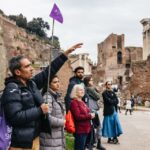
My favorite part of this experience is how the guide support shows up in the real world. Justin is repeatedly described as professional, highly accommodating, and great at giving helpful context on the fly, even walking you through how to use Rome public transport if you need that handholding. The catch: the basilicas follow a strict dress and behavior code, so plan your outfit and keep flash photography off.
In This Review
- Key things you’ll notice on this tour
- A four-hour pilgrimage through Rome’s Papal basilicas
- Meet your guide near Santa Maria Maggiore (and get oriented fast)
- Stop 1: Santa Maria Maggiore and its miraculous-snow legend
- St. John Lateran: the cathedral of the bishop of Rome
- Scala Sancta Holy Stairs: 28 white marble steps of the Passion
- Santa Croce in Gerusalemme: relics and a pilgrim’s mindset
- St. Paul Outside the Walls: a beautiful, reverent finish
- Walking, transit, dress code, and rules that affect your day
- What you actually get (value, not just a checklist)
- Who this tour suits best
- Should you book this Holy Churches tour?
- FAQ
- FAQ
- Where does the tour start?
- How long is the Rome Holy Churches private tour?
- Are the basilica entrances included?
- Is the guide English-speaking?
- Will I be walking a lot?
- What are the dress rules?
- Can I take photos?
- Is public transport included?
- What should I bring?
Key things you’ll notice on this tour
- A private English guide named Justin (often singled out for being professional and accommodating)
- Santa Maria Maggiore with the legend of a miraculous snowfall tied to the church
- St. John Lateran as the cathedral of the bishop of Rome
- Scala Sancta’s 28 white marble steps tied to the Passion of Jesus Christ, on Holy See extraterritorial property
- Santa Croce in Gerusalemme as a relic-focused stop that draws pilgrims
- St. Paul Outside the Walls for a calm, beautiful finale after the more intense sacred sites
A four-hour pilgrimage through Rome’s Papal basilicas
This tour is built like a guided prayer route, but without the stuffy feel. You’re not just ticking off big names. You’re moving through major churches connected to the life of the Church in Rome, and your guide helps you understand why each place matters in a way that actually sticks.
You start at Piazza dell’Esquilino, then work your way through several of the four major Papal basilicas—plus two additional sacred sites that belong on any serious “Rome faith and architecture” day. The overall format is simple: guided time inside each church, plus short transfer stretches between them. For me, the value is in how the stops support each other. You go from Marian devotion to papal authority to Passion devotion, then end with a quieter, reverent space at St. Paul Outside the Walls.
The tour’s timing is also practical. At 4 hours, you can fit it into a busy itinerary without needing to sacrifice your entire day to Rome churches. Just be honest with yourself about walking time and dress rules, because those are real constraints—not tiny ones.
You can also read our reviews of more guided tours in Rome



Meet your guide near Santa Maria Maggiore (and get oriented fast)
Your guide meets you behind the Basilica of Santa Maria Maggiore by the Egyptian obelisk, holding a sign with your name. That detail matters. Rome can be confusing at street level, and having a clear meeting anchor takes away a lot of first-day stress.
From there, the tour flows outward to the other sites. You’ll also have an element of flexibility in how you move between stops. Some transfers are listed as public transport time (20 minutes, 15 minutes, and 30 minutes), but the experience is described as either public transport or on foot, based on what you prefer.
One more reason this setup works: you’re not waiting around forever. The planned flow keeps you in motion, while still giving enough time inside each church to actually experience it.
Stop 1: Santa Maria Maggiore and its miraculous-snow legend
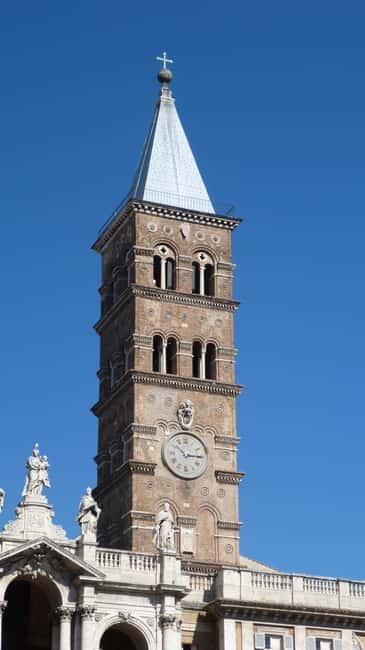
The day begins at Basilica Papale di Santa Maria Maggiore. This is described as the largest Marian church in Rome, and you’ll hear the famous legend of miraculous snowfall connected to the basilica. Whether you treat that as faith history, folklore, or both, it gives you a doorway into how Rome tells religious stories through place.
What I like about making this first stop is that it sets an emotional tone. Before you hit the weightier papal and Passion-related sites, you’re grounded in Marian devotion—something that’s clearly central to how people visit and pray here.
This stop is also included with entrance to Santa Maria Maggiore, so you won’t be scrambling to figure out access right at the start. Then the guide brings the church into focus so you understand what you’re looking at, not only that it’s famous.
St. John Lateran: the cathedral of the bishop of Rome
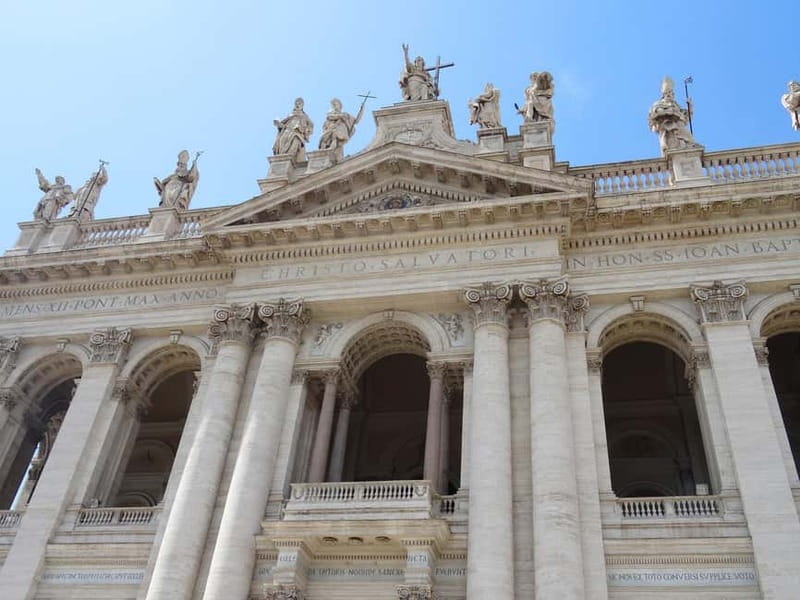
Next up is Basilica di San Giovanni in Laterano (the Cathedral of St. John Lateran). The key fact to remember is simple: this is the cathedral of the bishop of Rome. In other words, it’s not only a major landmark. It’s tied to the Church’s leadership in a direct way.
Your guided time here matters because the basilica is described as having ecclesiastical history. That phrase can sound vague, but it’s exactly what you want on a tour like this. Your guide can help you connect the dots between what makes the site significant and why it sits at the center of Papal Rome’s spiritual map.
Logistically, you’ll transfer from the previous stop (public transport is one option). Practically, the guide’s job becomes even more important here, because once you’re inside a large cathedral, it’s easy to stare at beauty and miss the meaning. A good guide helps you see both.
Scala Sancta Holy Stairs: 28 white marble steps of the Passion
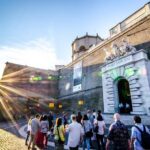
Then comes one of the strongest moments of the entire day: the Scala Sancta, also called the Holy Stairs. This isn’t described as a general sightseeing stop. It’s specifically tied to honouring the Passion of Jesus Christ at a set of 28 white marble steps.
The location details also matter. The steps sit in an edifice on extraterritorial property of the Holy See, so this is a place where the spiritual and political geography of Rome meets. It’s the kind of fact that makes the experience feel more real and less like a museum stop.
You’ll have guided time here, and that’s the right way to do it. Sacred spaces like this can feel intimidating if you don’t know the proper frame. A guide helps you understand why people treat the stairs as more than just stone steps.
The potential drawback is physical and mental. Even if you don’t spend long standing still, this is a devotional focus point, and the day is already moving. If you’re sensitive to crowds, long standing, or religious rituals that require slower attention, take that into account before choosing this tour.
You can also read our reviews of more private tours in Rome




Santa Croce in Gerusalemme: relics and a pilgrim’s mindset
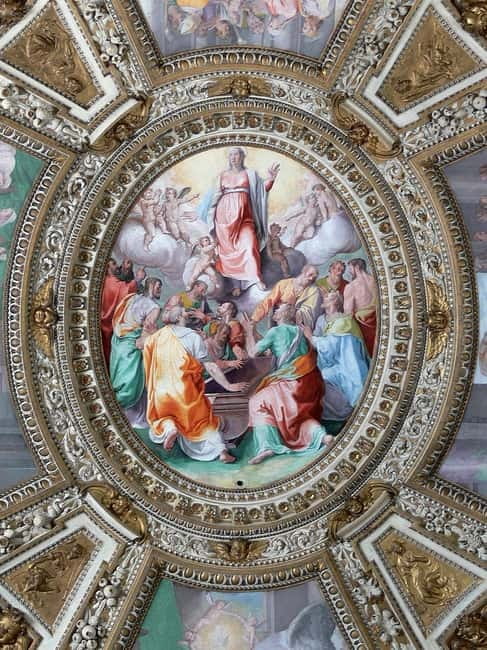
After the Holy Stairs, the tour moves to Santa Croce in Gerusalemme—described as the Basilica of the Holy Cross of Jerusalem and included with entrance. This stop is highlighted as home to sacred relics.
If you’re trying to understand Rome as a city where faith is made visible, relic sites are one of the best lenses. You don’t just read about devotion. You witness it in the way people come, pause, and pay attention. The guide’s role is useful here because relic-related places can feel confusing if you don’t have the context for what the relics represent and why they matter to pilgrims.
There’s also a calm logic to this placement in the route. After the concentrated intensity of Scala Sancta, the Santa Croce stop shifts the tone toward remembrance and continuity—still spiritual, but less “ritual concentrated” and more “pilgrim reflection.”
You’ll also have a transfer between stops (public transport is one option, and on-foot walking is also offered as an alternative). Either way, the schedule keeps you moving without turning the day into a nonstop sprint.
St. Paul Outside the Walls: a beautiful, reverent finish
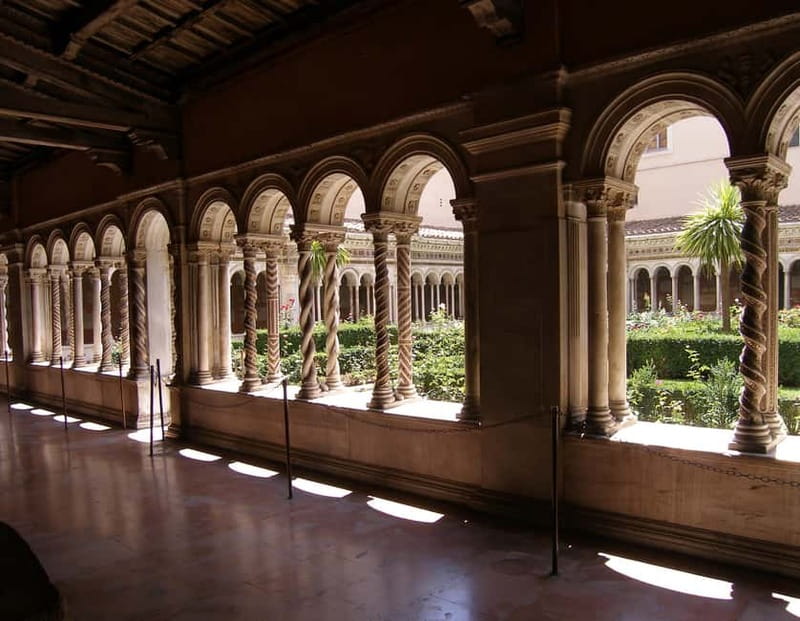
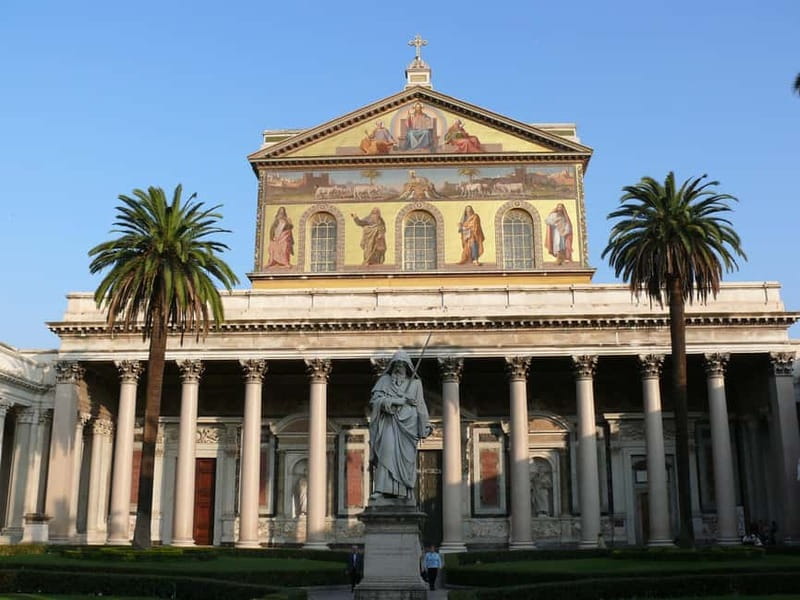
The tour ends at Basilica of Saint Paul Outside The Walls. This is described as a site known for its beauty, with an emphasis on reverence and timeless quality.
Ending here makes sense. St. Paul Outside the Walls offers a different emotional rhythm than the Marian and Passion-focused sites. It’s a strong way to close the loop: you’ve covered Marian devotion, papal authority, the Passion, and relic devotion—and then you finish with a place that feels intentionally spacious and reflective.
This basilica also has entrance included, so your final stop stays easy to manage. The activity finishes back at the meeting point area (the itinerary is designed to return you to that starting region).
Walking, transit, dress code, and rules that affect your day
This is a walking-heavy church tour, so plan like you’re doing a long city stroll with stops. Comfortable shoes aren’t a nice-to-have; they’re part of the baseline expectation.
You also need modest dress to enter the basilicas:
- No shorts
- No short skirts
- No sleeveless shirts
- Your knees and shoulders must be covered
Photography is regulated in a practical way:
- Flash photography isn’t allowed
- Photography without flash is allowed inside the basilicas
One more practical note: the route may not suit serious mobility issues. The tour is still manageable for many people, but extended walking is part of the plan, so it’s worth checking with the provider ahead of time if you have limitations.
On movement between churches, you can expect either public transport or walking, depending on what you prefer. That’s helpful if you’d rather stay active or if you want to conserve energy.
What you actually get (value, not just a checklist)
This is a private group tour in English with guided time at each location. The included access is clearly spelled out:
- Entrance to Basilica di Santa Maria Maggiore
- Entrance to Cattedrale di San Giovanni in Laterano
- Santa Scala (Holy Stairs)
- Entrance to Basilica di San Paolo (St. Paul Outside the Walls)
- Entrance to Santa Croce in Gerusalemme (Holy Cross of Jerusalem)
What’s not included matters for budget planning:
- Public transport costs (if you choose the transit option during transfers)
- Any donations you decide to make in churches
- Taxi cost to reach the meeting point
- Car and chauffeur service (not provided)
So where’s the value? It’s in two places: you’re getting entrance covered at the main sacred stops, and you’re getting an English guide who can connect the religious and architectural meaning across the day. The tour isn’t trying to be a full Rome encyclopedia. It’s more focused: the goal is understanding why these places are visited, prayed in, and remembered.
Also, the private format changes the feel. You can ask questions, adjust attention, and move at a human pace. The guide support is repeatedly described as accommodating, and that matters when you’re dealing with multiple rules and multiple churches in a single day.
Who this tour suits best
This tour is a strong match if you want:
- A guided, faith-focused route through major Papal sites
- Clear context about why these basilicas matter, including the Passion focus at Scala Sancta
- A format that ends after 4 hours, so you can keep the rest of your day flexible
It’s especially good if you like structure but still want meaning. The route order isn’t random: Marian devotion first, papal cathedral next, then Passion devotion at the Holy Stairs, then relic devotion, and finally St. Paul Outside the Walls.
Who might reconsider? If you have serious mobility limitations or struggle with long walking stretches, you may feel rushed or uncomfortable. The tour can involve sustained walking, and you’ll need to follow dress requirements at multiple sites.
If you’re traveling with a group that includes someone who needs slower pacing, the private nature can help—but you’ll want to confirm the itinerary fits your needs before booking.
Should you book this Holy Churches tour?
If your ideal Rome day mixes sacred sites with explanation you can actually use, I’d say yes. The combination of Santa Maria Maggiore, St. John Lateran, Scala Sancta, Santa Croce in Gerusalemme, and St. Paul Outside the Walls hits the big spiritual themes in a concentrated way—and the included entrances make it easier to enjoy without last-minute friction.
Book it if you:
- Want a private English guide and prefer having someone connect the dots
- Plan to walk and can dress modestly without hassle
- Care about devotional context, not only photos
Skip it or rethink it if:
- You can’t do extended walking
- You’re uncomfortable with strict dress rules
- You’re hoping for a lightweight sightseeing day with no sacred focus
FAQ
FAQ
Where does the tour start?
The guide meets you behind the Basilica of Santa Maria Maggiore by the Egyptian obelisk, holding a sign with your name.
How long is the Rome Holy Churches private tour?
It lasts about 4 hours. Starting times vary, so you’ll want to check availability for your date.
Are the basilica entrances included?
Yes. Entrance is included for Santa Maria Maggiore, San Giovanni in Laterano, Santa Scala (Holy Stairs), St. Paul Outside the Walls, and Santa Croce in Gerusalemme.
Is the guide English-speaking?
Yes, the live guide is listed as English.
Will I be walking a lot?
You should expect a lot of walking. Comfortable shoes are required, and the tour may not work well for serious mobility issues.
What are the dress rules?
Knees and shoulders must be covered. Shorts, short skirts, and sleeveless shirts aren’t allowed inside the basilicas.
Can I take photos?
Photography without flash is allowed inside the basilicas. Flash photography isn’t allowed.
Is public transport included?
Public transport costs are not included. The transfers can be done by public transport or on foot depending on your preference.
What should I bring?
Bring comfortable shoes and dress modestly so you can enter the churches.
If you want, tell me your travel dates and whether anyone in your group has mobility concerns, and I can help you sanity-check whether the 4-hour walking route will feel manageable.