REVIEW · ROME
Rome Highlights After Sunset – Pantheon,Trevi Fountain and Navona Square
Book on Viator →Operated by Raphael Tours & Events · Bookable on Viator
Rome’s highlights make more sense at dusk. This focused after-sunset walk strings together the Pantheon, the Trevi Fountain, and Piazza Navona in a way that feels like you’re getting your bearings fast. You’ll also get guided context for the big Roman sights that otherwise blur together when the streets get crowded.
I especially like how the guide builds the route around quick photo moments and clear explanations, so the sites feel connected instead of random. The other thing I love is going inside the Pantheon to see Raphael’s tomb alongside the royal burials, with an art-historian lens that turns those stones into a story you can actually picture. One possible drawback: the whole tour is about two hours, so it’s a lot of famous stops in limited time.
In This Review
- Key Highlights You’ll Feel Immediately
- Why This Rome Walk Works Best After Sunset
- Starting in Campo de’ Fiori: Your Route Gets You Oriented
- Spanish Steps to Trevi: Passing the Sights Without Losing Time
- Trevi Fountain Photo Stop and the Coin Tradition
- Piazza Colonna Landmarks: Columns, Government Buildings, and Big Roman Power
- The Pantheon: Raphael’s Tomb and Royal Burials
- Piazza Navona’s Bernini Fountains and the Ancient Stadium Ground
- How Much Time You Really Get (and Why It Still Feels Worth It)
- Price and Value: What $227.58 Covers in Rome
- What You’ll Learn Along the Way (Without a Lecture Vibe)
- Who This Tour Is Best For
- Should You Book This Rome Highlights After Sunset Tour?
- FAQ
- How long is the Rome Highlights After Sunset tour?
- Where does the tour start and end?
- Is the tour private?
- What language is the tour offered in?
- What’s included in the price?
- Are admission tickets included?
Key Highlights You’ll Feel Immediately
- Private, small-group attention while you move through the center on foot.
- Pantheon interior time to spot Raphael and royal tombs, not just a quick look from outside.
- Photo-first pacing at Trevi and along the route to keep you from missing key angles.
- High-impact sights in one arc: Marcus Aurelius, Hadrian-area landmarks, and Bernini fountains.
- Practical local tips on where to find good coffee, gelato, and shopping stops as you walk.
- A route that helps you orient Rome fast, especially if it’s your first night.
Why This Rome Walk Works Best After Sunset
Rome after dark has a different rhythm. At dusk, you still get the dramatic facades and street-energy that make these sights famous, but the lighting helps the details read better on camera and on foot.
This tour is built around that sweet spot. You’ll see the big icons—Trevi Fountain, the Pantheon, and Piazza Navona—while your guide keeps you moving through the center in a logical line instead of bouncing around the map.
Also, it’s a “starter” style of tour. If you want to understand where things are and what to come back for later, this is a strong first-night plan.
You can also read our reviews of more evening experiences in Rome

Starting in Campo de’ Fiori: Your Route Gets You Oriented
The meeting point is Piazza Campo de’ Fiori, and that’s a smart launch pad. From there, your guide leads you along the city center streets toward the cluster of famous landmarks most people think of when they say Rome.
You’ll pass a shopping street tied to Rome’s fashion district, including flagship stores like Bulgari, Valentino, Fendi, and more. Even if you don’t plan to buy anything, it helps you see how the neighborhoods connect—what’s nearby, what street you’ll naturally end up on, and where to aim next.
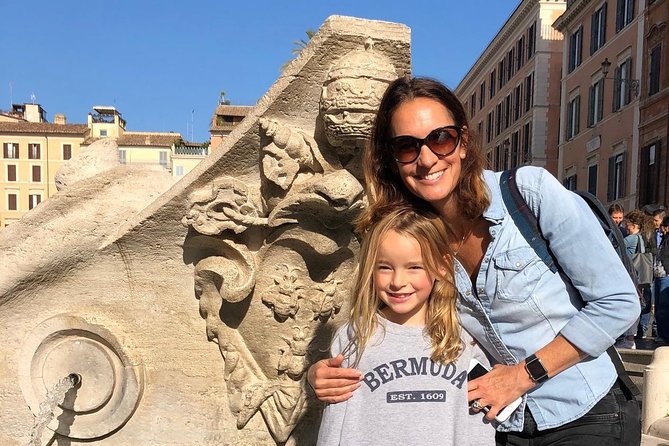
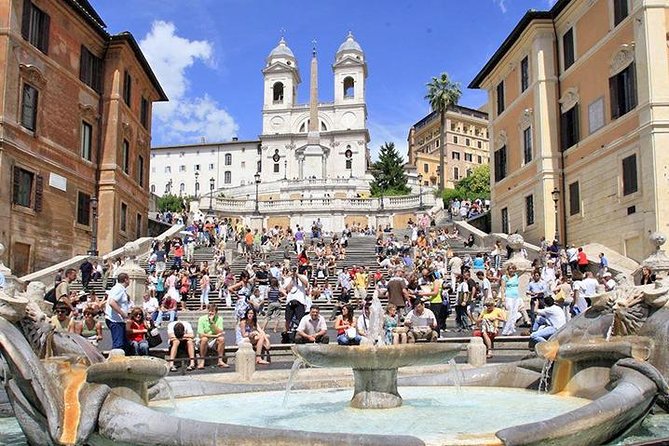
You also get landmark “anchors” while you walk. The route includes well-known stops on the way to Trevi and toward the Pantheon area, including the Spanish Steps and other major monuments, so you start to feel Rome as a set of neighborhoods rather than a checklist.
Spanish Steps to Trevi: Passing the Sights Without Losing Time
This is one of those routes where you learn while you’re moving. Your guide points out major monuments as you go—so you’re not only traveling between stops, you’re also picking up the meaning of what you’re passing.
You’ll walk toward the Trevi Fountain area and pause for photos. Then you’ll continue with guidance that keeps the route from turning into a blur of crowds and corners.
The practical value here is simple: when you return on your own later, you’ll know which streets matter and which landmarks help you find your way back.
Trevi Fountain Photo Stop and the Coin Tradition
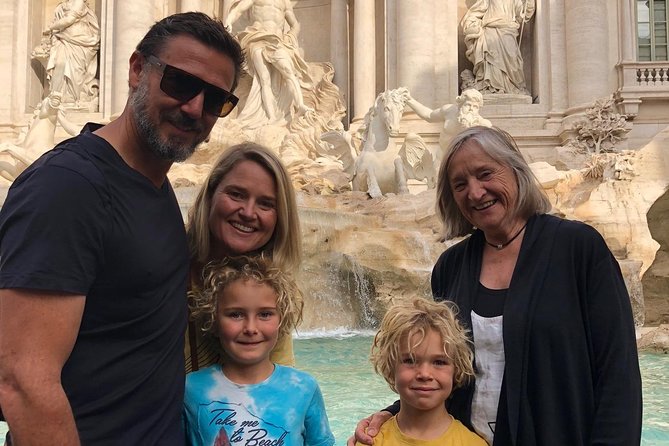
Trevi Fountain is the kind of place you’ve seen in photos a thousand times, and then you see it for real and think: okay, now I get why people chase this angle. During this tour, the Trevi stop is timed for a guided look and photos, not a long, slow wander.
Throwing your coin is part of the experience. Your guide will cue you for it as you move through the fountain area, and you’ll likely hear the surrounding stories that make the tradition click.
One tip: plan for the usual comfort needs. You’ll be outdoors and walking, so wear shoes that can handle cobblestones and shifting crowds, and keep your camera ready before you reach the best angle—guides tend to know where the light and sightlines work.
Piazza Colonna Landmarks: Columns, Government Buildings, and Big Roman Power
After Trevi, the route flows toward Piazza Colonna and the grand marble column of Emperor Marcus Aurelius. This is a great stop because it’s close enough to the main tourist circuit to be easy, but it’s often overlooked when people rush straight from fountain to fountain.
You’ll also pass the Italian government headquarters area, including Palazzo Chigi and Palazzo Montecitorio. Seeing these buildings on foot, while your guide explains what you’re looking at, gives context to Rome that isn’t only about temples and churches.
On the way, you’ll pass other landmark touches your guide mentions, including the Church of St. Ignatius and a temple dedicated to the Emperor Hadrian. Even if you don’t linger at every doorway, you’ll come away with a clearer mental map of what’s where around the historic core.






The Pantheon: Raphael’s Tomb and Royal Burials
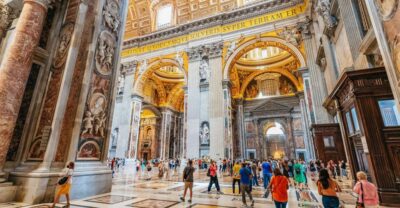
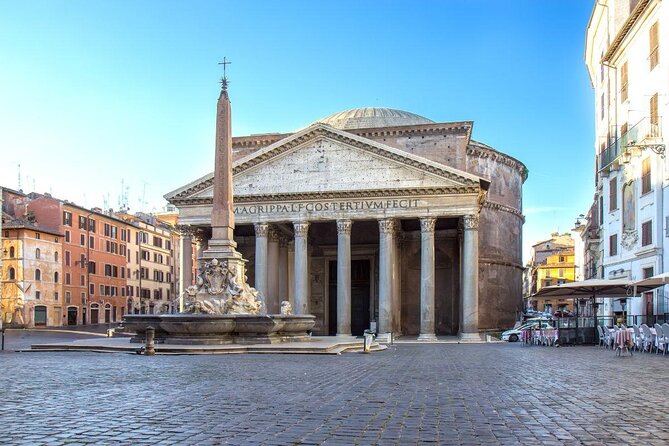
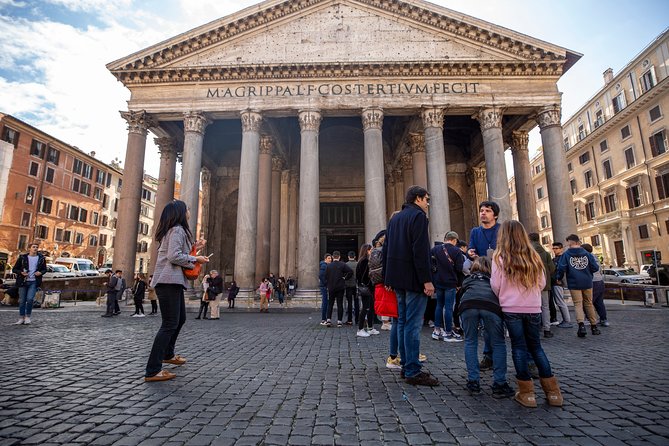
The Pantheon is the headline for a reason, and this tour treats it like one. You don’t just stand outside and move on; you step inside to see the best-preserved ancient temple feel of the structure and the tombs inside.
Inside, you’ll be able to spot the tomb of Renaissance artist Raphael. You’ll also see the royal tombs of Queen Margherita and King Victor Emmanuel II. That pairing matters, because it shows how Rome layers eras: ancient monument in one breath, Renaissance and modern Italy in the next.
This is also where the art-historian angle pays off. Your guide connects architectural features and cultural meaning, so the building stops being just impressive and starts being understandable. It’s the difference between visiting and learning what you’re actually seeing.
Practical note: the Pantheon interior is a place where you’ll want to slow down. Give yourself a moment to look upward and then back to eye level, so you catch the scale changes and the tomb details without rushing.
Piazza Navona’s Bernini Fountains and the Ancient Stadium Ground
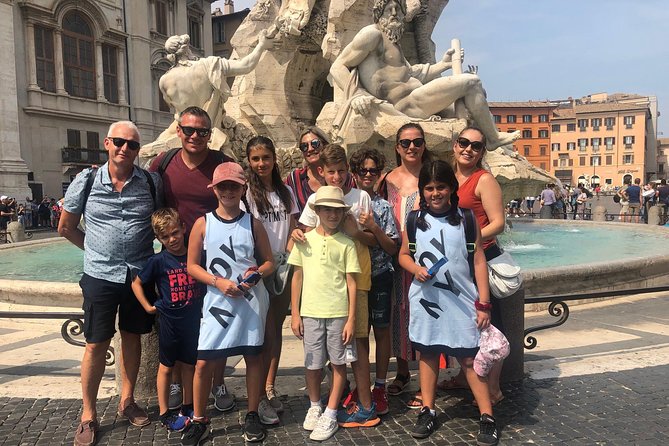
After leaving the Pantheon, you’ll head toward Piazza Navona, home to the Bernini-designed fountains. This is a fun transition: the Pantheon is stone and scale, and Piazza Navona is movement—water, sculpture, and street life.
Your guide points out features as you approach, and you’ll arrive with context for what you’re seeing, not just a stamp-collecting moment. Piazza Navona was once the Ancient Stadium built by Emperor Domitian, and your guide will explain the connection between the ruins beneath and the fountains that decorate the square today.
You’ll also pass the Senate House, described here as Rome’s first university. That’s a great educational contrast next to all the empire-era and baroque artistry nearby—Rome isn’t only about buildings, it’s also about institutions and ideas that kept evolving.
The tour ends at Piazza Navona. That makes sense because it’s a natural place to keep exploring afterward, grab a drink, or simply watch people for a while.
How Much Time You Really Get (and Why It Still Feels Worth It)
This experience is about two hours. That means it’s designed for momentum: you’ll see multiple top-tier sights, get guided context, and finish at a perfect location for your next move.
The pacing works best if you’re okay with a guided highlight approach. You’re not getting hours at one monument; you’re getting a well-structured route where the guide helps you connect the dots between stops. If you’re the type who wants to sit and read every plaque, you might want to follow the tour with extra solo time at the places you love most.
There’s one more angle to consider: some guides run the schedule tightly, so you may finish near the planned end time without extra padding. If you plan to climb stairs, do separate museums, or squeeze in a long sit-down meal immediately after, leave extra time.
Price and Value: What $227.58 Covers in Rome
At $227.58 per person, this isn’t a bargain-level tour. But it also isn’t overpriced when you look at what you’re buying.
You get a professional English-speaking guide, plus included guidance from a local perspective and a professional art historian guide. You also get a mobile ticket for the experience. And crucially, admission tickets are listed as free for the included stops—so your cost isn’t ballooned by paid entry fees within the tour.
The private setup helps too. This is a private tour/activity, meaning only your group participates. In a city like Rome, that can matter a lot. You can ask questions, steer the pace a bit (within reason), and spend time on the parts you care about instead of waiting for a large group to catch up.
If you’re traveling as a couple or a small group and you want the fastest path to understanding the city core, this value often makes sense.
What You’ll Learn Along the Way (Without a Lecture Vibe)
A good guide in Rome does more than point. Here, you get stories and context tied to what you’re seeing: traditions, landmark purpose, and why these places became symbols.
You’ll hear about the column of Marcus Aurelius in Piazza Colonna and the history your guide connects to the surrounding monumental buildings. You’ll get explanations that link the temple area near the Pantheon, and you’ll hear what makes the Pantheon interior special in terms of tombs and artistry.
The route also includes details that help you enjoy the city beyond the monuments. Your guide will point out places for gelato, coffee, restaurants, and shops along the way. That’s valuable because it turns your walking tour into a practical night plan, not just sightseeing.
In the guide talent pool, names like Francesca, Virginia, Claudia, and Marco have shown up with strong praise for clear English, humor, and the ability to tailor the pace for questions. Even if your guide isn’t one of those names, the structure is built to support the same goal: you leave with understanding and memories, not just photos.
Who This Tour Is Best For
This tour is a smart pick if:
- It’s your first night in Rome and you want a tight orientation loop.
- You care about the Pantheon interior and want Raphael’s tomb explained clearly.
- You like photo stops but still want real context, not just a walk-past.
- You’re traveling with a partner or small group and want private attention.
It may not be the best match if:
- You want to spend long, quiet time at one site.
- You’re hoping for a museum-depth day with lots of indoor time beyond the Pantheon.
- You dislike walking; comfortable shoes are recommended, and it’s a guided walk through the center.
Also, the experience notes that it requires good weather. If the forecast looks rough, it’s worth building flexibility into your schedule.
Should You Book This Rome Highlights After Sunset Tour?
Yes—if your goal is to hit the big Rome icons efficiently and come away with better understanding than you’d get from wandering alone. The combination of Trevi, the Pantheon (including Raphael’s tomb and the royal burials), and Piazza Navona makes this route feel like a best-of Rome arc rather than random stops.
I’d book it if you want:
- A guided plan that keeps you oriented from Campo de’ Fiori to Piazza Navona
- Pantheon interior time that actually explains what you’re seeing
- Private group attention so questions don’t get lost
Skip it only if you already know you’ll do separate, deep-dive time at each monument and you don’t want a two-hour highlight format. Otherwise, this is a strong way to start your Rome nights: quick, focused, and built for great photos plus real context.
FAQ
How long is the Rome Highlights After Sunset tour?
It lasts about 2 hours.
Where does the tour start and end?
The tour starts at Piazza Campo de’ Fiori and ends at Piazza Navona.
Is the tour private?
Yes. It’s listed as a private tour/activity, with only your group participating.
What language is the tour offered in?
It’s offered in English.
What’s included in the price?
The experience includes a professional English-speaking guide, a local guide, and a professional art historian guide.
Are admission tickets included?
Admission tickets are listed as free for the included stops. Food and drinks are not included unless specified.