REVIEW · ROME
Rome: Gladiator Show and Museum Tickets
Book on GetYourGuide →Operated by Gruppo Storico Romano · Bookable on GetYourGuide
Gladiators, incense, and real steel. One ticket turns Rome into a night-time arena show with a museum stop and hands-on energy. It’s staged by historical reenactors in a dedicated arena setting—music, lights, and dramatic effects included.
I like the variety: gladiator fighting, Ancient dances, Vestals Rites, and pantomime all fit into one focused evening program. I also like that the museum portion is specifically about legions, not a generic “gladiator facts” quiz.
One possible drawback: the venue is a bit out of the main tourist grid, so you’ll want to think ahead about dinner and your ride back after the show ends.
In This Review
- Key Points I’d Focus On
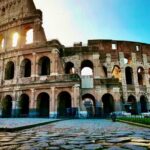
- A Gladiator Night 3.5 km From the Colosseum
- The Evening Schedule: Museum First, Show at 20:45
- What Happens in the Arena Show: Fights, Dances, Vestals, and Pantomime
- The Museum Stop That Actually Feels Useful
- Armory Cocktail and Snacks: A Full Evening Without a Full Dinner
- Audience Participation and the Cast’s Energy
- Price and Value: $29 for Show + Museum Time
- Getting There and Getting Home: Buses, Walks, and Taxi Help
- Best For Who? And Who Might Want to Skip
- Safety and Real Weapons: How to Think About It
- Dates in 2026: May to September
- Should You Book This Rome Gladiator Show Ticket?
- FAQ
- Where is the meeting point?
- What time does the event start and end?
- How long is the experience?
- What’s included in the ticket?
- Is the show performed with real weapons and armour?
- Is it wheelchair accessible?
- When does the show run in 2026?
Key Points I’d Focus On
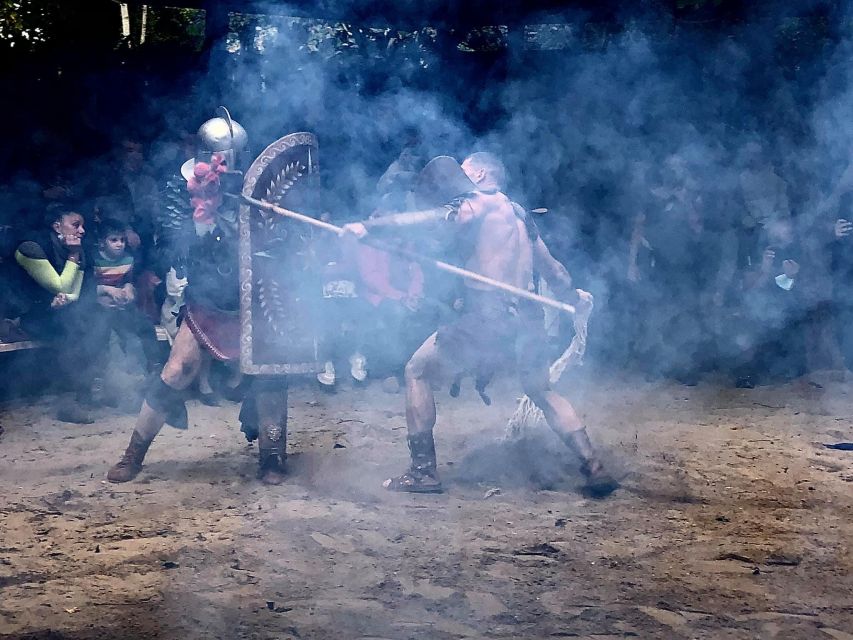
Real reenactors with gear: The show uses historical reenactors and includes real weapons and armours.
A museum stop built in: You visit the Museo storico – didattico del legionario romano before the performance.
Action plus ritual: Fights are only part of the program; you also get dances, Vestals Rites, and pantomime.
Strong audience involvement: The cast works the crowd—participation is part of the fun.
Worth the price when you bundle: You’re paying for both museum time and live entertainment, not just a short spectacle.
A Gladiator Night 3.5 km From the Colosseum
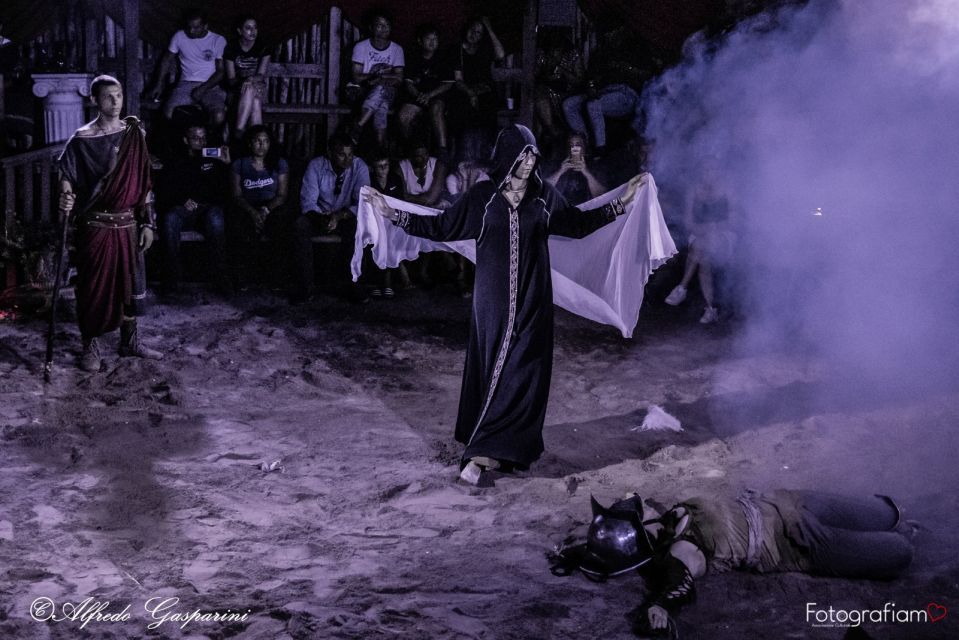
This is the kind of Rome evening that doesn’t try to copy the Colosseum. Instead, it gives you a practical, close-up version of what a gladiator world might have felt like—complete with staging, music, and lights in a dedicated arena space.
The venue is about 3.5 km from the Colosseum, which matters for two reasons. First, you avoid the claustrophobic chaos that can happen near the biggest sights. Second, you should plan transport and dinner with the fact that the area around the arena may not be full of late-night restaurants.
You can also read our reviews of more tours and experiences in Rome


The Evening Schedule: Museum First, Show at 20:45
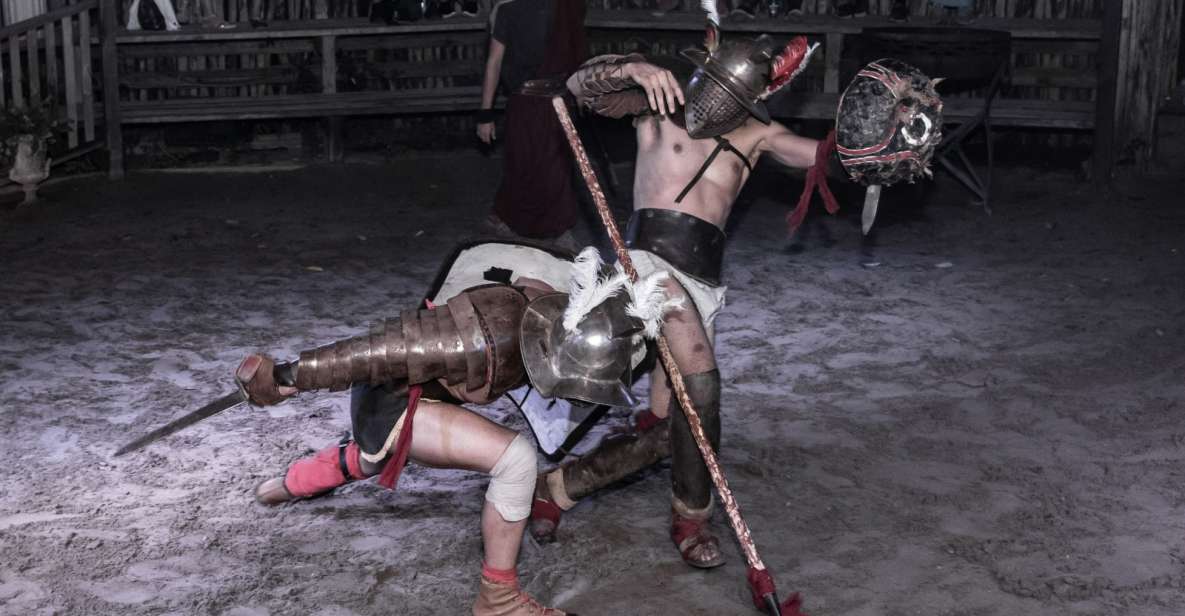
The ticket runs about 1.5 hours, and it’s built around a late evening slot. Your entrance is 20:45, with the end time around 22:00.
Here’s the flow you should expect:
- Before the show, you get access to the “mini museum” experience at Museo storico – didattico del legionario romano.
- You also have time for a cocktail in the Armory of the Legion.
- Then the main show starts and finishes within the later window, with the performance running roughly between 21:00 and 22:00.
This timing is a win if you’ve already done your day sights. You can do Rome in daylight, then switch to adrenaline and performance after dinner—without needing another long travel block.
What Happens in the Arena Show: Fights, Dances, Vestals, and Pantomime
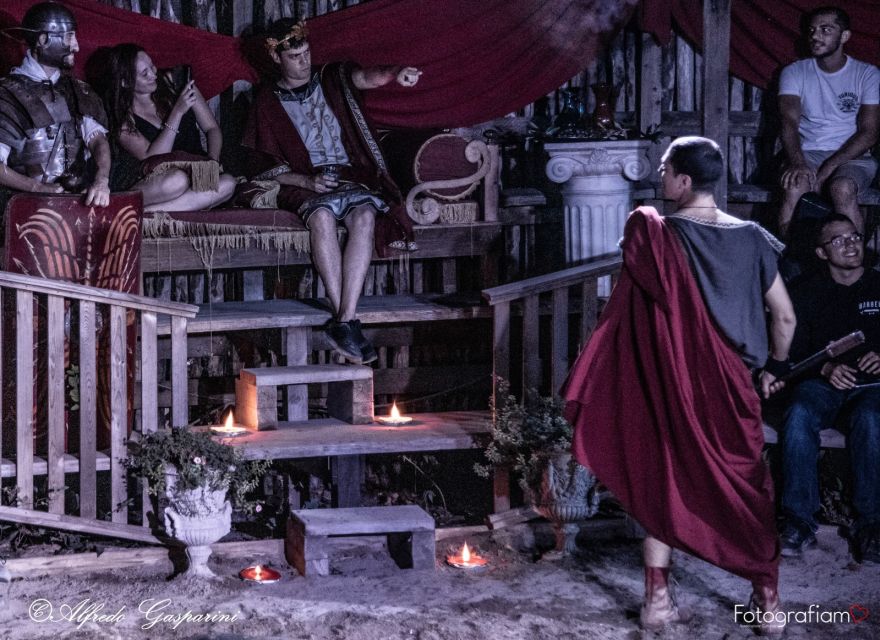
The headline is a Gladiators Fight of Ancient Rome, but it’s not just blade-on-blade choreography. The program is designed as a set of Roman-themed segments, mixing combat with performance art and ritual-style moments.
During the show you can expect:
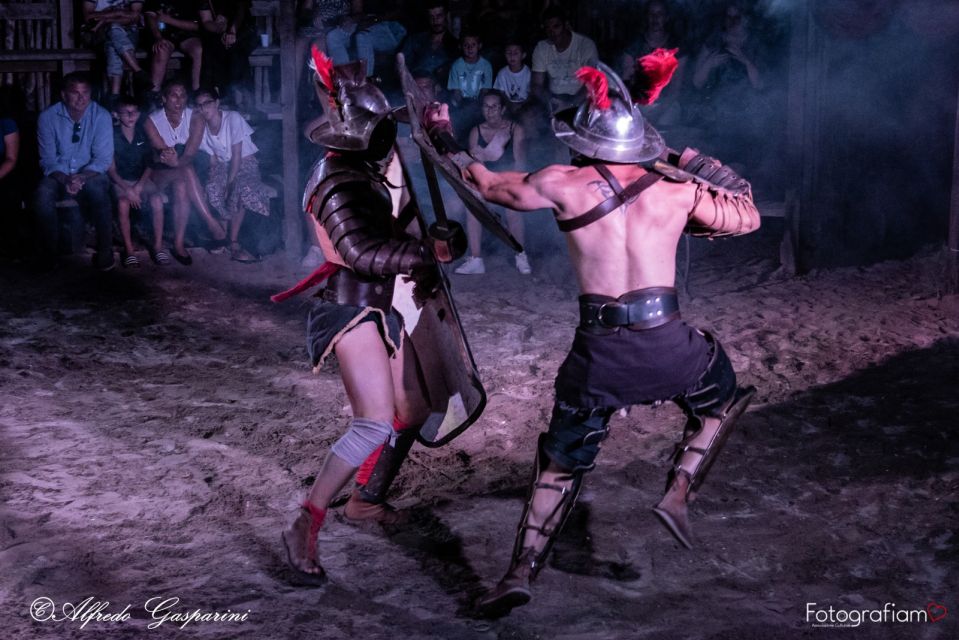
- Gladiators Fight: staged battle action with real weapons and armor used by the performers.
- Ancient Dances: Roman-inspired movement meant to keep the pace lively between combat scenes.
- Vestals Rites: a ritual segment that adds variety beyond fighting.
- Pantomime: story and theatrical moments that help connect the evening into something more than random scenes.
One thing I appreciate from the overall setup: the cast’s energy is part of the show. The best moments tend to be when the action isn’t distant. It feels close, dramatic, and emotionally loud—even for people who don’t know Roman history beyond the basics.
The Museum Stop That Actually Feels Useful
The museum component is called Museo storico – didattico del legionario romano. That wording matters: it’s aimed at explaining legion life in a way that supports what you’ll see in the arena, instead of treating gladiators as isolated “cool costumes.”
In practice, this stop works because it gives you context fast:
- You learn what it means to be a legionario Roman, not just what gladiators do in the ring.
- You get to see how the evening is meant to connect combat, training, and Roman roles.
A practical note: this isn’t positioned like a massive museum building with hours of wandering. You should go in expecting a short, focused education stop that leads directly into the show.
Armory Cocktail and Snacks: A Full Evening Without a Full Dinner
Ticketed experiences like this can sometimes leave you hungry. Here, you get an armory cocktail tied to the event, and some refreshments are part of the setup.
What that means for you:
- If you’ve had a light early dinner, you’re in good shape.
- If you were hoping for a full sit-down meal included, you’ll likely need to plan dinner elsewhere (especially since the venue area can feel quiet).
This isn’t a reason to skip. It’s just a planning tip. Treat it like an evening experience, not a dinner cruise.
You can also read our reviews of more museum experiences in Rome



Audience Participation and the Cast’s Energy
A big reason this show performs so well is that it treats the crowd like part of the event. You’re not just sitting behind glass watching from a distance. The show encourages engagement, and the performers talk to the group during key moments.
There’s also a warmth to how the cast runs the experience. People note a welcoming arrival, friendly interaction, and staff who help you feel settled—before the action begins.
Even better, the tone is very family-friendly in spirit. Kids often find it entertaining; adults usually like it because it mixes education cues with actual spectacle, not lecture mode.
Price and Value: $29 for Show + Museum Time
At $29 per person, you’re paying for two things:
1) a museum visit focused on legions, and
2) an arena show with multiple segments (fighting, dances, ritual, pantomime).
That bundling is the key value here. If you only wanted gladiator fighting, you might find cheaper one-off street-style acts. But if you want an evening where the show has context and the whole thing is built as a compact program, this ticket structure is what makes the price feel fair.
Also, the overall rating is strong—about 4.5 out of 5 from 237 reviews. That doesn’t guarantee your exact vibe, but it’s consistent with what the format is designed to do: make a short evening event feel complete.
Getting There and Getting Home: Buses, Walks, and Taxi Help
Logistics are the main make-or-break for this experience.
The location isn’t right beside the usual tourist lanes. One practical way people reach it is by bus—specific lines mentioned include 118 and 218, with a short walk at the end. Another approach is taxi, and the staff can help you order a taxi at the end to reduce the stress when the show finishes.
Here’s the reality check: after a night show, public transport can be less reliable. One reason some people were caught off guard is that restaurants and services near the venue aren’t necessarily there in the same way as central Rome.
My advice:
- Plan dinner before the show or choose a restaurant that you can reach easily by bus/taxi.
- If you’re staying far from central Rome, think about a taxi pickup plan ahead of time.
Best For Who? And Who Might Want to Skip
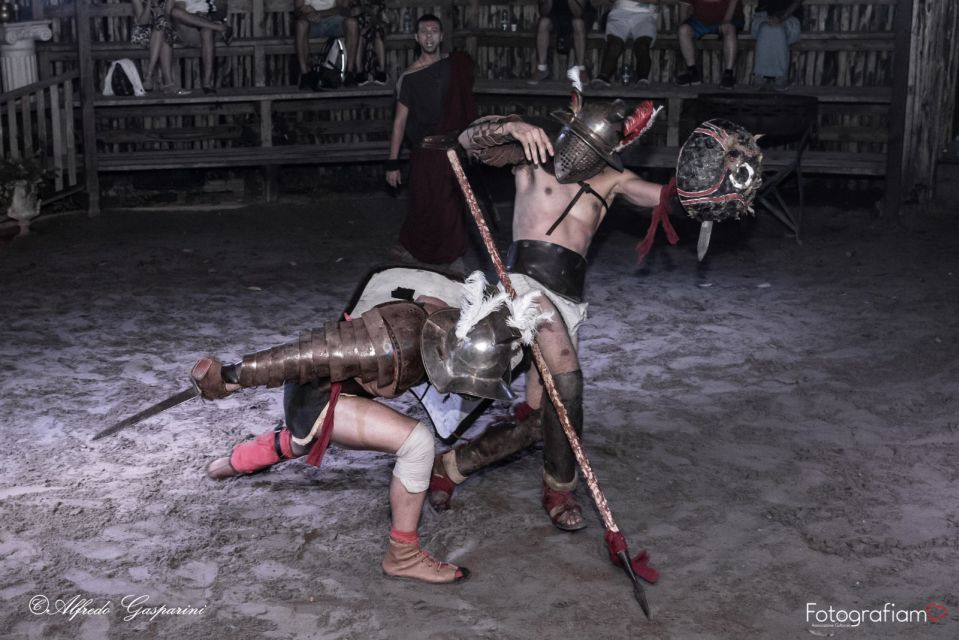
This works best if you want an evening activity that feels theatrical and hands-on, with a short history-focused stop attached.
You’ll likely enjoy it if you:
- want something more active than a typical museum visit
- like Roman-themed performance and audience interaction
- are traveling with kids who still need entertainment beats
You might want to rethink it if:
- you’re expecting a major museum in the style of the Vatican Museums or the Colosseum area sites
- you’re sensitive to the “out of the center” logistics and want everything walkable and immediate
Safety and Real Weapons: How to Think About It
The show uses real weapons and armours and is performed by historical reenactors. That can sound intense, and it is staged to look dramatic.
Here’s how I’d frame it: it’s theatre and historical performance, built to create realism with choreography. Still, if your comfort level is low for violence-themed spectacle, you may prefer a different Roman evening activity that’s less combat-focused.
Dates in 2026: May to September
Shows run from maggio to settembre (May to September), with dates in 2026. If you’re visiting outside those months, you’ll want to check availability first.
That seasonal window is common for open-air or arena-style venues, so plan your trip around the performance season if this is on your must-do list.
Should You Book This Rome Gladiator Show Ticket?
Yes, I’d book it if you want a fun night that mixes live action with a short, purposeful museum stop. At $29 with museum time included, it’s one of those rare deals where you’re paying for an entire evening program—not just a quick spectacle.
I’d especially lean toward it if:
- you like interactive performances
- you want a Rome activity that doesn’t require you to master a long museum route
- you’re traveling with kids or a mixed-age group
Skip or reconsider if you hate venue logistics or you’re expecting a large, standalone museum experience. In that case, central Rome’s bigger attractions will likely fit your time better.
If you go, go ready for theatre energy. This is Rome’s gladiator world as performance, not a quiet sit-and-read history lesson.
FAQ
Where is the meeting point?
Meet at Rome Gladiator School – Gruppo Storico Romano.
What time does the event start and end?
Entrance is at 20:45, and the event ends around 22:00.
How long is the experience?
The full experience is about 1.5 hours.
What’s included in the ticket?
The ticket includes the museum visit and the show.
Is the show performed with real weapons and armour?
Yes. The show is carried out by historical reenactors using real weapons and armours.
Is it wheelchair accessible?
Yes, the experience is wheelchair accessible.
When does the show run in 2026?
Shows take place from May to September in 2026.