REVIEW · ROME
Rome: Fresh Pasta and Tiramisu Making Class with Fine Wine
Book on GetYourGuide →Operated by The Roman Food Tour · Bookable on GetYourGuide
Rome and pasta teach each other fast.
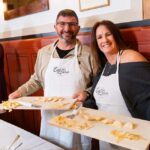
You get hands-on Roman cooking in a beloved restaurant kitchen near the Vatican, with a local chef guiding you step by step. You’ll also get free-flowing fine wine to keep the mood bright, and your instructor may be someone like Claudio, Alessia, Eddy, or Anna depending on the session.
I love that you make both two pasta types and a classic tiramisu, not just one dish for show. The chef-led format also means you leave with practical know-how you can actually repeat at home. One real drawback to plan for: the meeting place can be a little tricky to locate from maps, and the room may not be super cool inside.
In This Review
- Quick highlights
- A Vatican-Neighboring Kitchen Where You Learn by Doing
- Hands-On Tiramisu: Mascarpone, Eggs, Coffee Sugar, Cocoa
- From Dough to Dinner: Fettuccine and Ravioli Techniques
- The Meal Part: Eating What You Made Near the Vatican
- Wine, Coffee, and Limoncello Timing (So You Don’t Rush Your Pasta)
- Tips That Make the Recipes Work Back Home
- Finding the Place and Showing Up Ready
- Is $77.03 a Good Deal for This Rome Class?
- Who Should Take This Class Near the Vatican
- Should You Book This Pasta and Tiramisu Class in Rome?
- FAQ
- How long is the Rome pasta and tiramisu class?
- What is the price per person?
- What dishes will I learn to make?
- Are wine and drinks included?
- Do I get coffee and limoncello?
- Is the class taught in English?
- Do I get recipes to take home?
- Where does it start and end?
- Can I cancel and get a refund?
Quick highlights
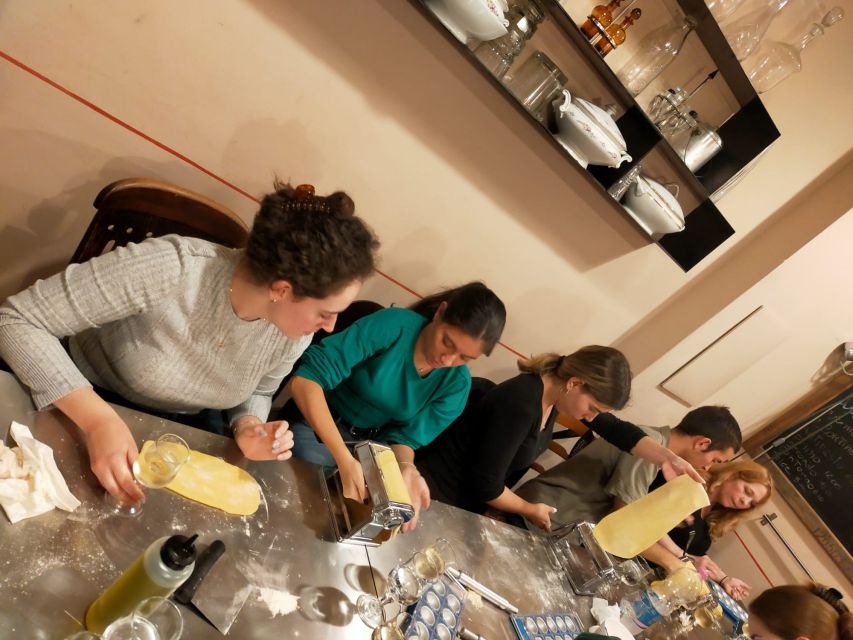
- Tiramisu from scratch with mascarpone, eggs, coffee sugar, and cocoa powder
- Two Roman pasta styles: fettuccine and ravioli, made from dough to finished shape
- Chefs like Claudio, Alessia, Eddy, Anna, or Sonia may lead your group, depending on the date
- Free-flowing prosecco and fine wine plus unlimited soft drinks
- A proper sit-down meal where you eat what you made, then finish with limoncello and Italian coffee
- Take-home recipes so your next dinner doesn’t rely on memory
A Vatican-Neighboring Kitchen Where You Learn by Doing
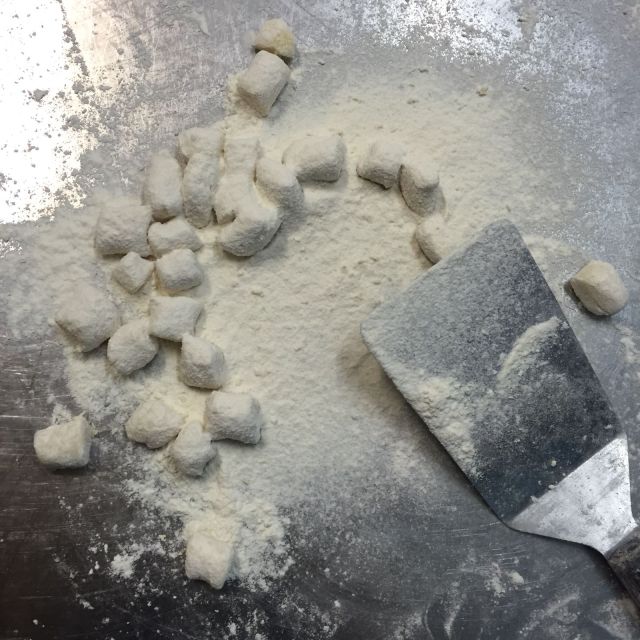
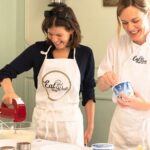
This isn’t a drive-by food tour. It’s a real cooking class in the kitchen of a well-liked restaurant close to the Vatican area, which matters because you’re not learning in a classroom setting that feels detached from the way Italians actually eat. You’re working in a place designed for service, then sitting down in the restaurant afterward.
The best part is the rhythm. You’ll mix, shape, taste, and correct as you go. If you’ve never made pasta before, that’s okay; the class is set up so you build confidence through repetition, not through lecturing.
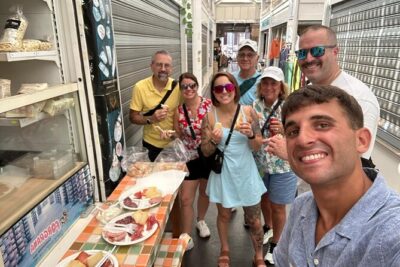
There’s also a social layer that helps you relax. One guest even described a dance-party vibe thanks to music and the easy group energy. Wine is part of the atmosphere, but the cooking stays the main event.
You can also read our reviews of more cooking classes in Rome

Hands-On Tiramisu: Mascarpone, Eggs, Coffee Sugar, Cocoa
Tiramisu is where a lot of people get nervous, because it looks fussy. Here, it’s taught as a process: ingredients, texture, timing, and assembly. You’ll work with the traditional components listed for the class: mascarpone, eggs, coffee sugar, cocoa powder, plus the tools you need as you go.
You’ll learn how the mixture should feel and how to manage the steps so it doesn’t turn into a runny mess. That might sound basic, but in practice it’s the difference between tiramisu you’re proud of and tiramisu you scrape out of the dish. Since the class includes the ingredients and instruction, you don’t have to figure out substitutions or guess what “right” looks like.
A lot of the fun is that tiramisu is dessert you can understand quickly. You can smell the coffee. You can see the color change with cocoa. You can also taste-check along the way, which makes the whole thing feel more like cooking than memorizing.
From Dough to Dinner: Fettuccine and Ravioli Techniques
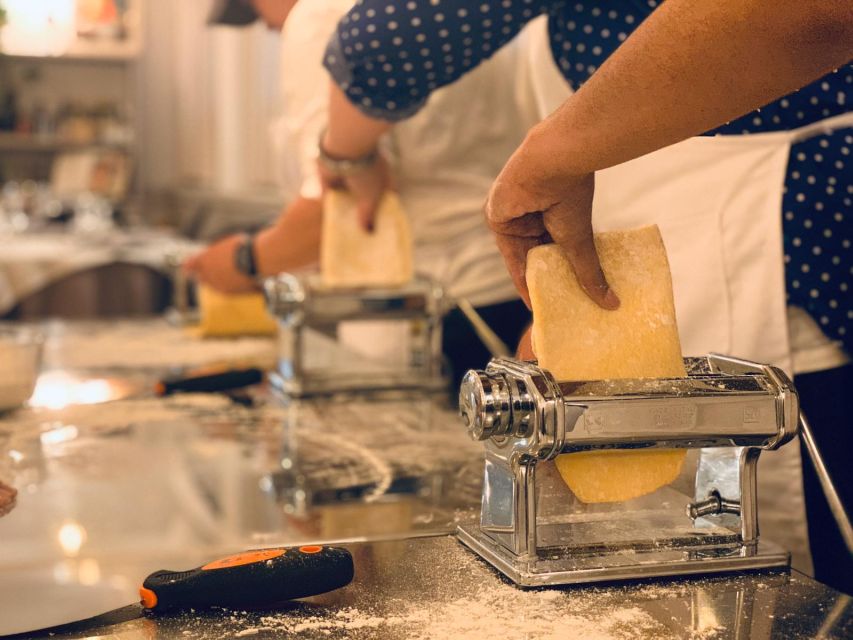
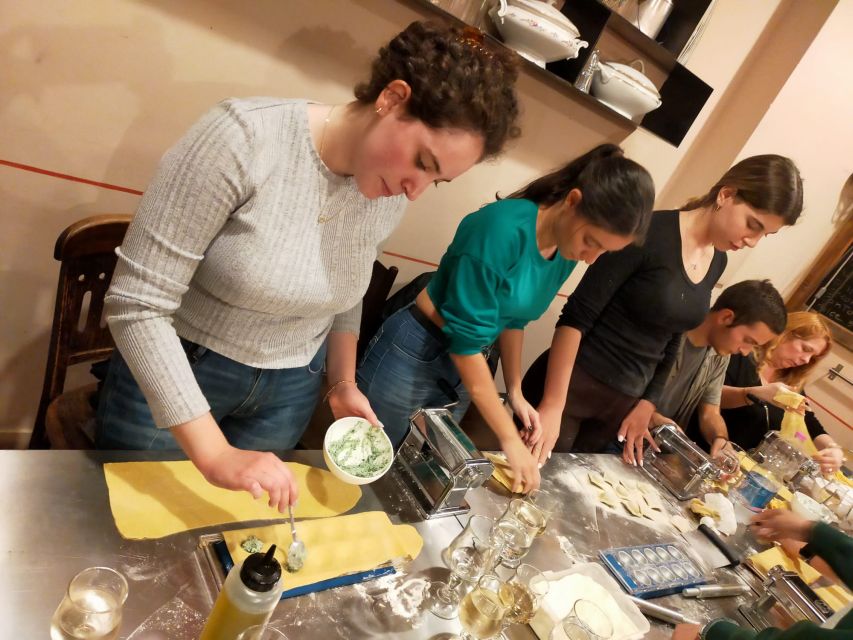
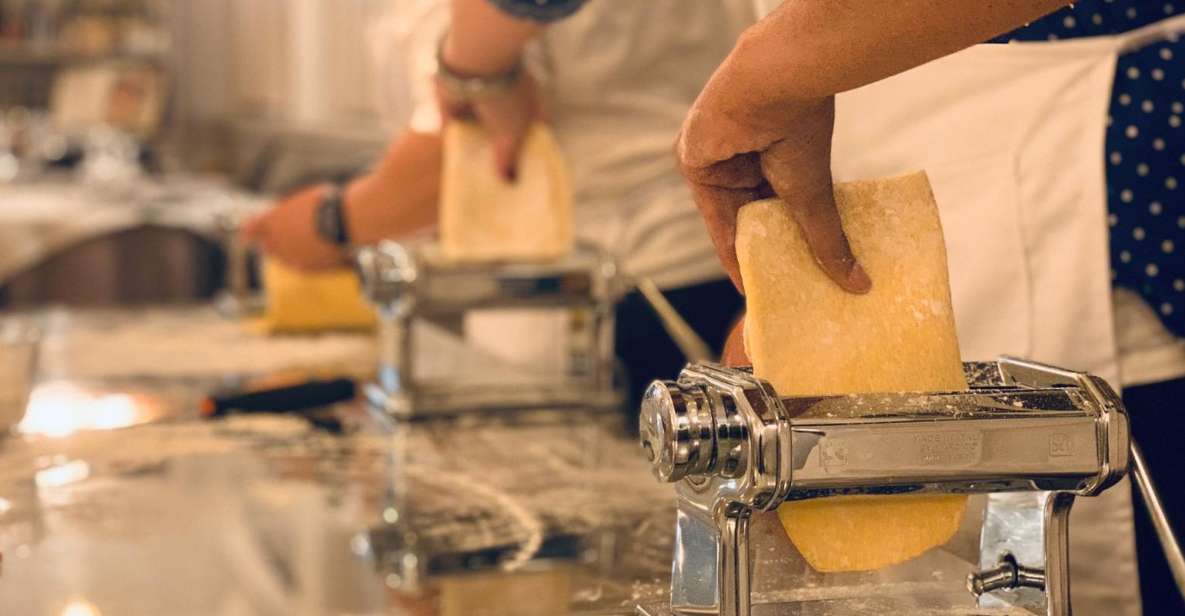
Then you shift gears to pasta: fettuccine and ravioli from scratch. The class focuses on what makes Roman pasta different, starting with how you build dough and how you choose ingredients suited for the dough you’re making. You’ll work from the basics—creating dough and shaping it—then learn how to get to a finished result you can cook and serve.
Fettuccine is your practice ground. The goal is consistent thickness and a smooth dough that rolls and cuts without drama. Ravioli adds another skill set: making portions, sealing, and shaping so they don’t fall apart when cooked.
In at least one described flow, the group made tiramisu first, then split the pasta dough work into two directions: one for fettuccine noodles and the other for ravioli. Even if your session order differs slightly, you can expect the same idea: build dough, then turn it into two distinct shapes with clear guidance.
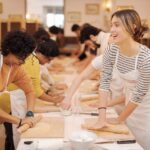
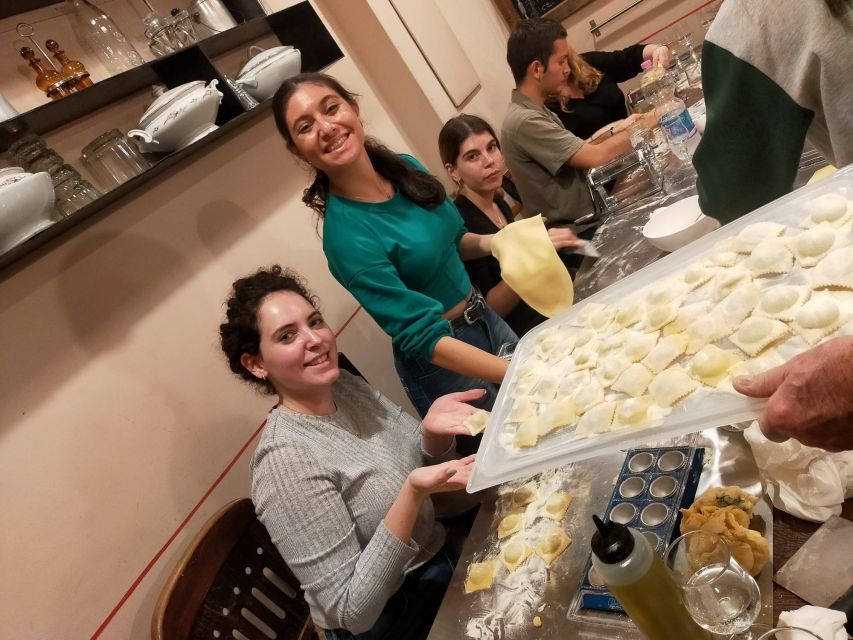
If you’re wondering whether you’ll actually get your hands on everything, the answer is yes. People described working at their own station and getting help when dough gets sticky or when shaping needs a reset. That hands-on coaching is what makes the class worth it, not just the final meal.
The Meal Part: Eating What You Made Near the Vatican
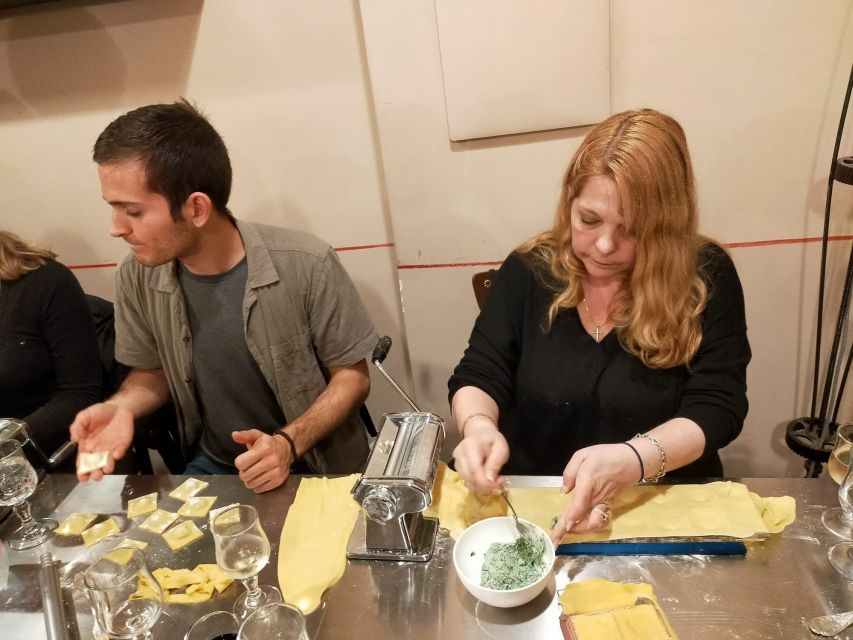
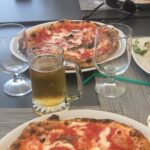
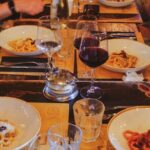
After the prep and shaping, you sit down and enjoy the meal made from your work. This is important because it closes the loop. You don’t just make food and hope it turns out. You cook it, taste it, and connect the dots between technique and flavor.
The meal is also part of why this class feels like a “Rome experience” rather than a generic cooking workshop. You’re in a real restaurant setting in the Vatican area, so the service style and dining pace are Italian and practical, not staged.
Expect the course to feel complete: you’ll eat the pasta and tiramisu you prepared, then finish with limoncello and Italian coffee. That ending matters because limoncello and coffee are such a classic Rome/Italy “close the meal” combo. It also helps you shift from cooking mode into savoring mode.
One practical note: come hungry. Even with wine and dessert, people described there being a lot of food, more than they could finish comfortably. You won’t leave starving, and you’ll have enough to taste and compare what you made.
Wine, Coffee, and Limoncello Timing (So You Don’t Rush Your Pasta)
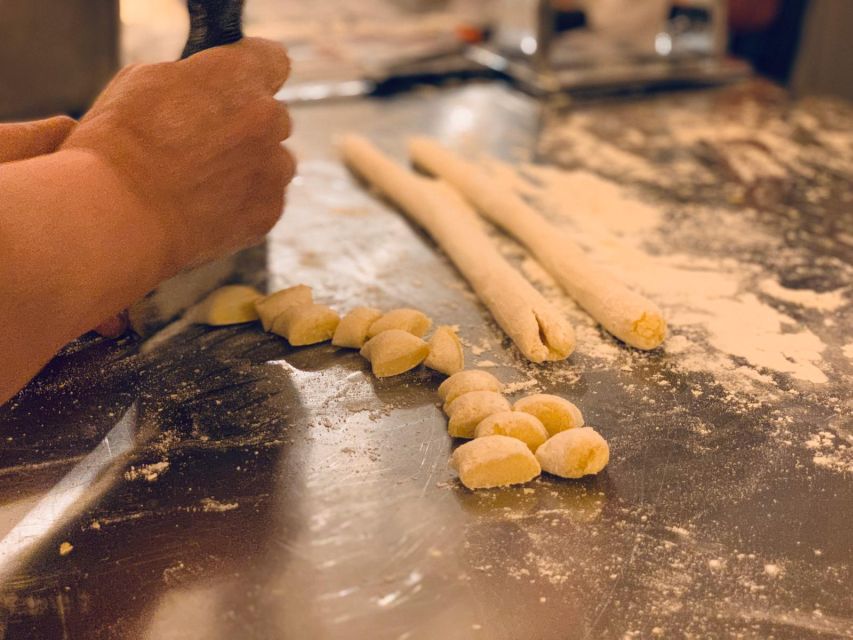
Alcohol here is part of the experience, not an afterthought. During the class, you’ll enjoy prosecco and fine wine, described as free-flowing. You’ll also have unlimited soft drinks, so you can pace yourself.
The tone tends to be upbeat. Some groups got an instructor who kept energy high, with music playing while they cooked. One person even mentioned the mood turning into a mini dance-party. That doesn’t mean the instruction disappears; it means the class doesn’t feel stiff.
Just keep your head in the game. Pasta dough doesn’t like distraction. If you’re drinking, slow down between steps. Wine is there to keep spirits high, but the best results come when you stay focused on dough consistency and shaping.
After the meal, limoncello and Italian coffee round it out. If you like a proper end to the night, this is one of the most satisfying parts—sweet, citrusy, then coffee to cut through it.
You can also read our reviews of more wine tours in Rome
Tips That Make the Recipes Work Back Home
The class includes take-home recipes, which is the difference between a good story and a skill. You’ll leave with a written guide you can follow later, which matters because memory fades fast. The recipes also help you recreate the technique, not just the taste.
Here’s what I think makes the instruction practical: you’re taught the “why” behind the steps that affect texture. Pasta dough needs the right feel. Ravioli needs sealing and shaping that survives cooking. Tiramisu needs balance in the mascarpone-egg-coffee-cocoa components.
If you want to impress friends at home, the biggest win is that you now know what success looks like. Even if your kitchen setup isn’t the same, you can compare dough feel and dessert texture using your notes and the recipes. That’s the real value of a chef-led class.
Also, if you’re planning a Rome trip with food lovers, this is a great keepsake activity. You can recreate the meal later and connect it to the time you learned it near the Vatican.
Finding the Place and Showing Up Ready
This class starts and ends at the meeting point, which can vary by option booked. That’s normal for city experiences, but it does mean you should confirm the exact location before you head out.
One recurring “heads-up” from the experience: maps can sometimes lead you to the back side of the venue area. If you know you get turned around easily, give yourself a few extra minutes. Look for the staff, the restaurant area, and the group gathering point.
Also, treat this like a hands-on cooking session. Wear something you don’t mind getting a little flour on. Bring your phone but don’t spend the whole time filming. The best parts of the class come when you’re present for the steps.
Finally, timing: the class runs 3–4 hours, with starting times depending on availability. Pick a time that fits your day. You’ll finish with dessert and drinks, so you might not want to book a heavy second plan right after.
Is $77.03 a Good Deal for This Rome Class?
At $77.03 per person, this isn’t “cheap,” but it’s also not priced like a fancy tourist show. The value is in what’s included and what you actually do.
You get:
- A cooking class with a local chef
- Pasta and tiramisu making (two pasta types plus dessert)
- Free-flowing prosecco and fine wine
- Unlimited soft drinks
- Coffee, plus limoncello at the end
- A sit-down meal built around what you made
- Take-home recipes
If you’ve ever tried to piece this together yourself, the math changes fast. Ingredients, tools, guidance, and the space to cook properly cost real money, even before you factor in a chef teaching you what to do and how to fix mistakes on the spot. Here, you’re paying for instruction plus a full evening meal experience.
The long duration also helps. With 3–4 hours on the clock, you’re not getting rushed through a single dish. You’re learning, cooking, tasting, and eating at a comfortable pace.
The only “cost risk” is if you’re the type who hates hands-on cooking. If that’s you, the price might feel steep. But if you’re willing to roll up your sleeves, it’s a strong deal for a complete food-and-fun night.
Who Should Take This Class Near the Vatican
This is a great fit if you want something practical and memorable. It works well for:
- Couples who want a shared activity and a story they’ll remember
- Solo travelers who enjoy meeting people around a table
- Food lovers who like learning technique, not just tasting
- Families where everyone is old enough to enjoy cooking and eating together
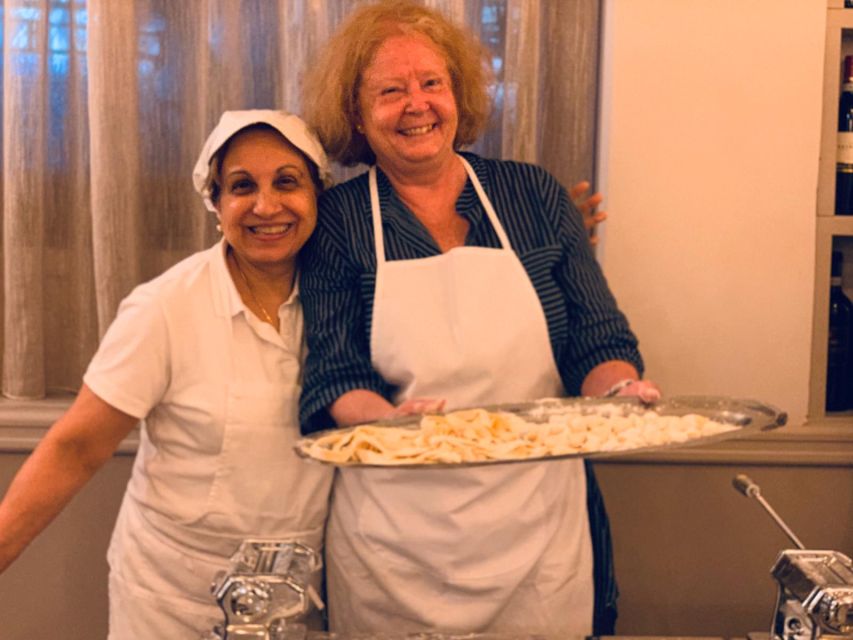
One reason I’d recommend it to a mixed group is that the class feels social without being chaotic. People described forming friendships at the table while cooking and eating. You’ll also get your own station or clear task area, which helps even less confident cooks feel included.
If you’re on the fence, I’d lean toward going. The people who enjoy this tend to leave thinking they should do it again, not because of the wine alone, but because the skills and recipes feel genuinely usable.
Should You Book This Pasta and Tiramisu Class in Rome?
If you want a Rome activity that’s more than a photo stop, I’d book it. The combination of handmade pasta, scratch tiramisu, and a full meal with prosecco/fine wine and limoncello makes it a complete evening, not a quick workshop.
Do it if you’re willing to participate, not just watch. Plan to arrive with a bit of buffer so you can find the venue without stress. And if wine and a relaxed group vibe sounds like your kind of night, this is a very solid way to spend 3–4 hours near the Vatican.
FAQ
How long is the Rome pasta and tiramisu class?
It lasts 3–4 hours. Starting times depend on availability.
What is the price per person?
The price is $77.03 per person.
What dishes will I learn to make?
You’ll learn to make tiramisu and two types of pasta: fettuccine and ravioli.
Are wine and drinks included?
Yes. The class includes prosecco and fine wine described as free-flowing, plus unlimited soft drinks.
Do I get coffee and limoncello?
Yes. Coffee is included, and the meal ends with limoncello and Italian coffee.
Is the class taught in English?
Yes. It’s a live tour guide in English.
Do I get recipes to take home?
Yes. You can take home recipes to recreate what you learned.
Where does it start and end?
The meeting point may vary depending on the option booked, and the activity ends back at the meeting point.
Can I cancel and get a refund?
Yes. Free cancellation is available up to 24 hours in advance for a full refund.