REVIEW · ROME
Rome: E-Bicycle Tour
Book on GetYourGuide →Operated by Landimension Tours · Bookable on GetYourGuide
Rome gets big fast; this tour keeps it fun. This Rome electric bike ride covers major sights and quieter streets in just 3 hours, with a guide steering you around the city’s biggest bottlenecks. You’ll also get classic stops like Piazza Navona and Trevi, plus extra route choices depending on what you want to see.
What I really like is the customized approach. Guides such as Frederico and Mario often ask if you’ve been to Rome before and then adjust the pace and emphasis, so the tour fits first-timers and repeat visitors alike. One thing to consider: you’re riding through real city traffic (even with a safety-first plan), and the small-group format still has practical limits like height, age, and weight, so it’s not for everyone.
In This Review
- Key things to know before you go
- The real value of a Rome e-bike tour (Trevi to Vatican Square without the shuffle)
- Where the tour starts: Piazza dei Calcarari and a smooth bike fit
- Quick consideration on bike limits
- How the guide keeps you safe and moving through crowds
- Piazza Navona, Piazza del Popolo, and Piazza di Spagna: the city’s postcard zones, explained
- Piazza Navona
- Piazza del Popolo and the walk-in feel of the approach
- Piazza di Spagna and the Spanish Steps area
- Trevi Fountain: where the e-bike tour pays off in time and placement
- Piazza di San Pietro and the Vatican Square area: big views without the long slog
- Two itinerary styles: choose the classics or the Aventine Keyhole run
- Option A: the landmark-heavy route
- Option B: the off-the-beaten-path approach with the Aventine Keyhole
- Folding e-bikes in real Rome streets: what to expect on the ride
- Who should choose this
- Price and time value: what $77.03 buys you (and what it doesn’t)
- Weather and pace: rain or shine, and how to be ready
- Practical tips you can use right away
- Should you book the Landimension Rome E-Bicycle Tour?
- FAQ
- How long is the Rome e-bike tour?
- Where do I meet for the tour?
- How many people are in a group?
- What’s included in the price?
- Are entry fees to monuments included?
- What languages are the guides?
- Does the tour run in bad weather?
- Is there a dress code?
- Are there weight, age, or height limits?
Key things to know before you go
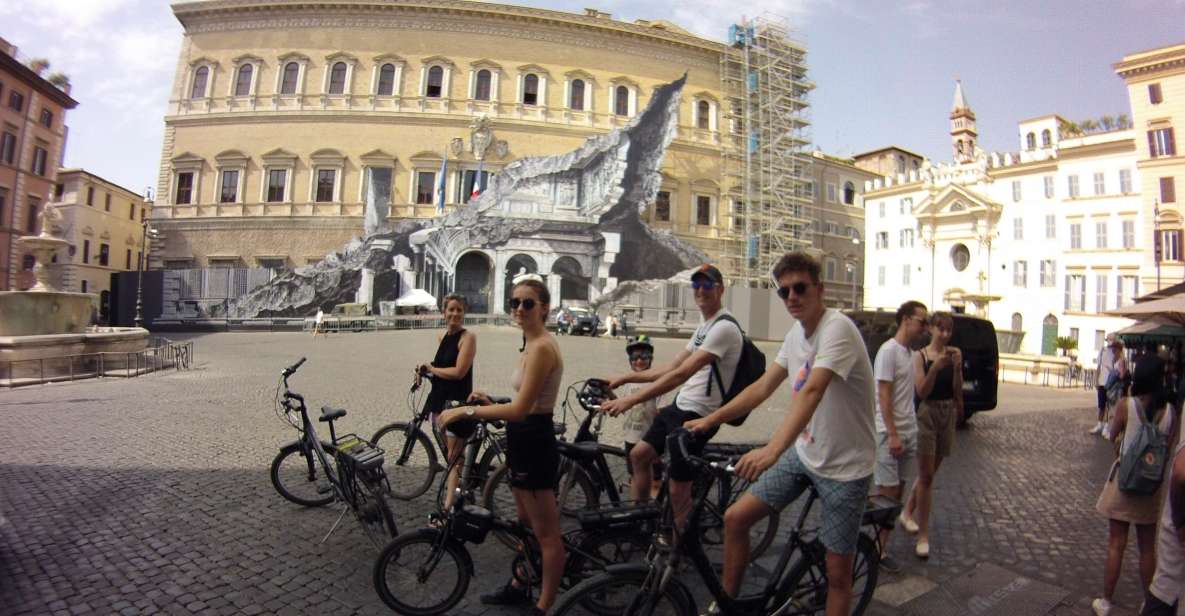
- Small-group size (up to 8) makes it easier to move together without chaos.
- Two route options let you choose classic landmarks or a more off-the-main-branch run.
- Guides tailor the itinerary after a quick question about your Rome experience and interests.
- Folding e-bikes help you handle long sights without the usual walking fatigue.
- Helmet + local street strategy keep you moving confidently through busy areas.
- Church attire tip in summer: a scarf for shoulder coverage may be needed.
The real value of a Rome e-bike tour (Trevi to Vatican Square without the shuffle)
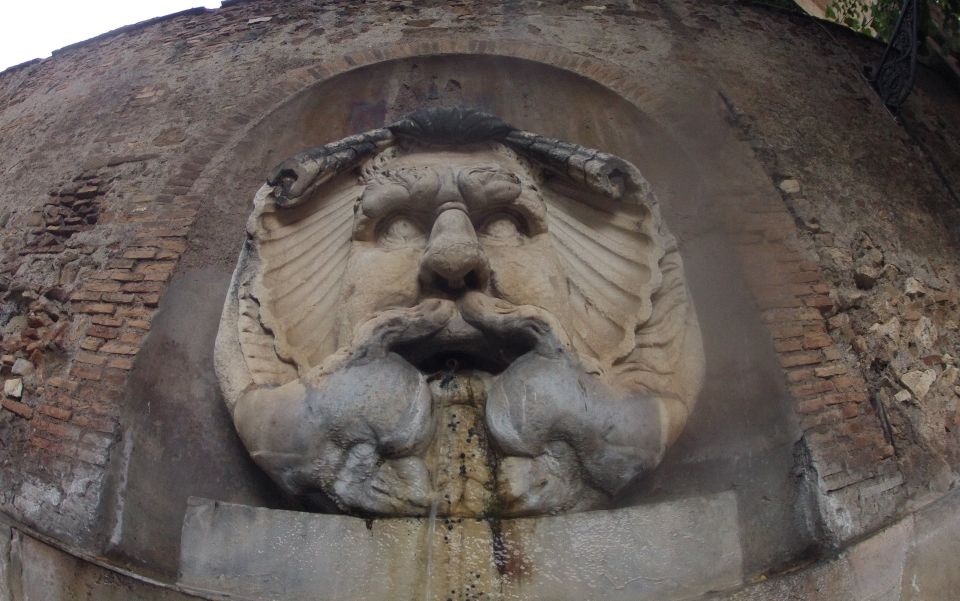
Walking in central Rome is beautiful, but it’s also slow. The streets are narrow, the sidewalks get crowded, and the distance between highlights can feel longer than the map suggests. An electric bike tour is a smart compromise: you get the freedom to see a lot, but without paying the toll of constant hills and long marches.
For $77.03 per person (for a 3-hour experience), the value isn’t just the e-bike itself. It’s what you buy with the guide: route planning, crowd navigation, and context. You’re not simply collecting photos of famous places. You’re getting explanations in between, plus guidance on where to pause, where to look up, and how certain viewpoints change the way the monument lands in your imagination.
If you’re trying to do Rome in a limited number of days, this is the kind of tour that helps you get oriented fast. The ride also makes later self-guided wandering more enjoyable because you’ll recognize streets, squares, and sightlines you might otherwise miss.
You can also read our reviews of more tours and experiences in Rome.



Where the tour starts: Piazza dei Calcarari and a smooth bike fit
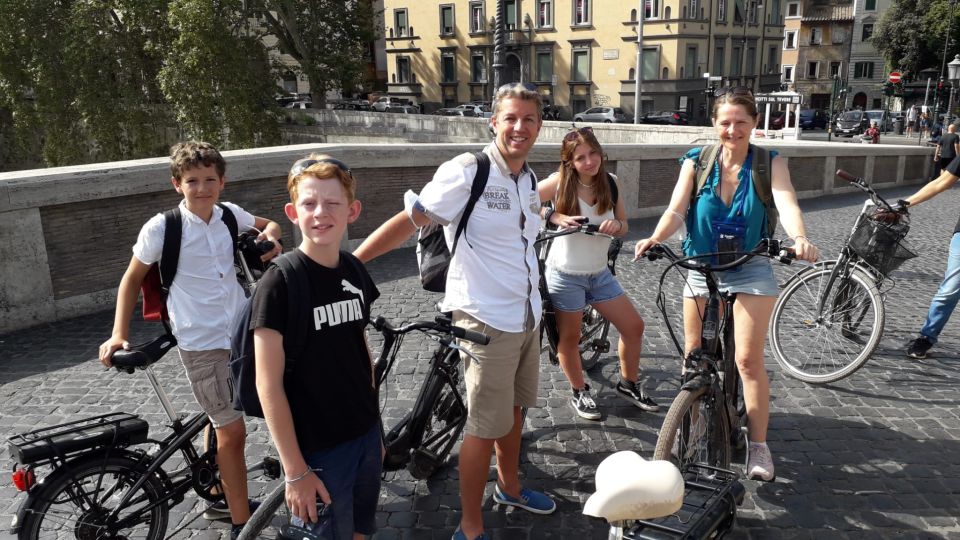
You’ll meet at the Landimension Tours office at Piazza dei Calcarari. The tour ends back at the same place, which matters more than it sounds—Rome tours can sometimes scatter you across town, and then you’re stuck figuring out transport. Here, you return to your starting point.
At the meeting point, your guide welcomes you and gives safety notes first. You’ll also get a clear explanation of the plan, and the route is described as customized for your group. That “start with guidance” approach is especially helpful on an electric bike because it lowers the mental load. You can focus on the ride instead of constantly wondering what comes next.
And the bikes are practical. They’re folding e-bikes made for city riding, which helps with handling and maneuvering in tight areas. Helmets are included, and that’s a good baseline for comfort.
Quick consideration on bike limits
These bikes aren’t for everyone. The operator lists limits such as:
- Not suitable for people over 110 kg
- Not suitable for children under 12
- Not suitable for people under 150 cm tall
Other guidance in the same information set also lists limits around 100 kg (220 lbs) and a child minimum closer to 14. If you’re near the edges, I’d plan to double-check during booking so you don’t waste time (or arrive hoping for a different outcome).
How the guide keeps you safe and moving through crowds
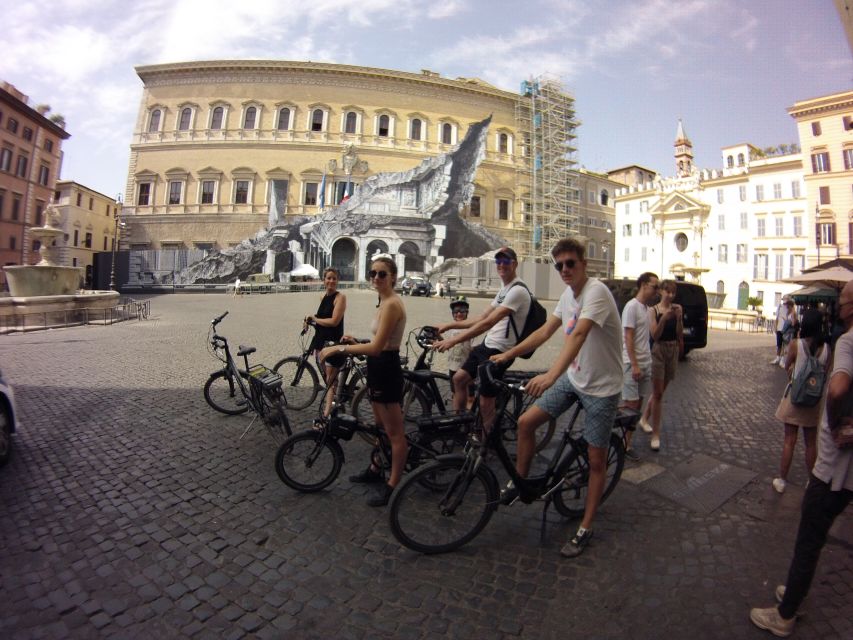
The best e-bike tours don’t just hand you a battery and hope for the best. This one emphasizes a controlled pace and street choices that reduce stress. Guides like Mario are praised for taking groups safely through busy zones, often sticking to smaller, quieter streets for much of the ride.
Two practical things to expect:
- Your guide sets the rhythm so the group stays together.
- You may get chances to get closer to certain spots without having to force the bike through every constraint of a square or walkway.
That matters because Rome can be tricky on a bike. You’re mixing pedestrians, scooters, and tour groups. A safety-first plan doesn’t make Rome quiet—but it does keep the experience from feeling chaotic.
Piazza Navona, Piazza del Popolo, and Piazza di Spagna: the city’s postcard zones, explained
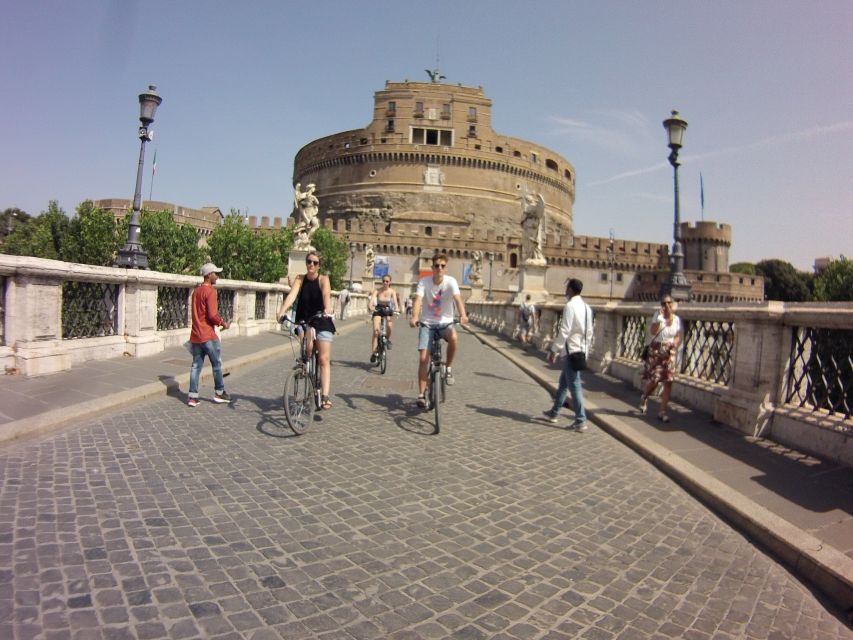
This tour is designed around squares because squares are where Rome tells its story. In just a few hours, you’ll see how different neighborhoods use monuments and fountains to shape daily life and movement.






Piazza Navona
Piazza Navona is an early highlight for many routes. It’s the kind of place where you can stare at the architecture for ages, but a bike tour helps you experience it as a living space. You get a guide framing what you’re seeing so the time spent standing doesn’t feel like waiting for the next stop.
A drawback of major squares is that they attract crowds. The benefit of doing them on an e-bike tour is that you’re not always fighting for position on every approach road. Your guide handles the flow so you can enjoy the square instead of only surviving it.
Piazza del Popolo and the walk-in feel of the approach
Piazza del Popolo is another high-visibility stopping point. Even if you’ve seen photos, being there changes the scale. The tour approach also helps you understand how the square fits into the broader city layout.
Piazza di Spagna and the Spanish Steps area
The Spanish Steps area is famous for a reason: it’s a strong visual anchor. You’ll connect that look to the surrounding streets so it feels less random when you return later on your own. If you’re traveling in summer, this is also when you’ll want to think ahead about heat and how long you’re comfortable pausing on stone.
Trevi Fountain: where the e-bike tour pays off in time and placement
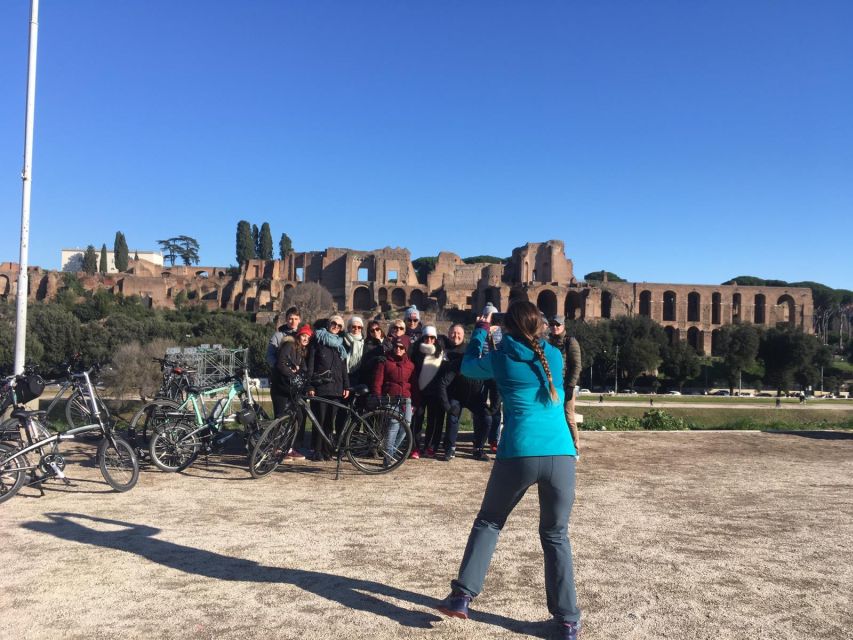
Trevi is the most famous fountain in Rome, and it can also be the most exhausting if you arrive at the wrong moment. A guided bike tour won’t magically eliminate crowds, but it can help with the timing and the approach you get to the fountain area.
The practical advantage is simple: you’re not trudging from stop to stop for hours. You’re arriving as part of a plan, which often means fewer dead minutes. And since Trevi is one of the key sights, your guide can also give context about the fountain’s symbolism and why people keep returning to it.
One more note: if you’re hoping to spend long, uninterrupted time right at the water edge, plan for a reality check. Rome’s big icons mean big crowds. The value here is that you get the experience of Trevi plus the chance to move on without wasting the rest of your afternoon.
Piazza di San Pietro and the Vatican Square area: big views without the long slog
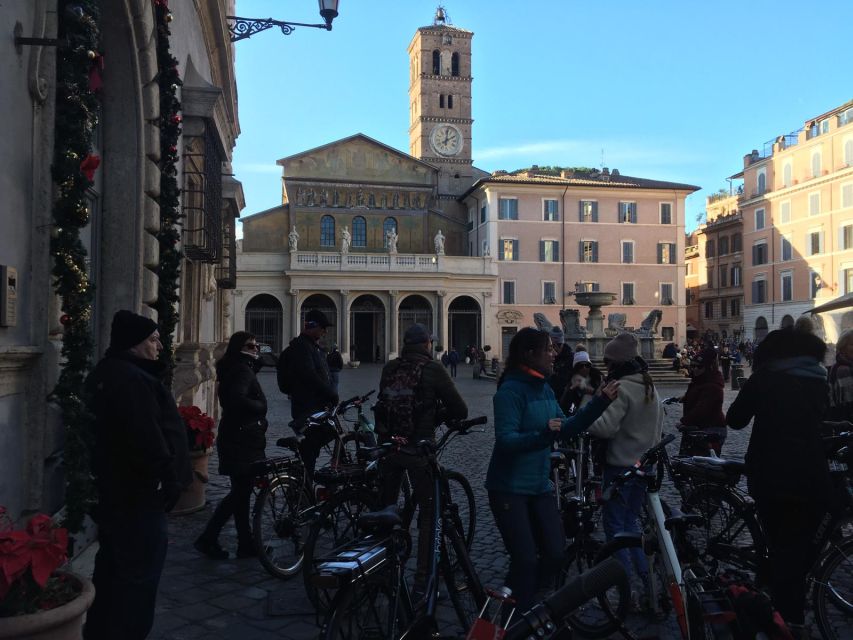
If your route includes Piazza di San Pietro and the Vatican Square area, you’ll get a sense of Rome’s power shift: the monumental scale changes, and the tone of the streets changes too. This is one of the stops where being on a bike helps. You can cover the distance efficiently and still have time to pause and take in the view.
There’s also a practical dress note: in summer, ladies should have a scarf for the shoulders if you enter churches. It’s a small item, but it can save you from turning away at the last second or borrowing something you don’t want to keep.
If your primary goal is seeing the Vatican-side atmosphere and you don’t want to spend your whole day in line queues and slow walking, this stop is a strong fit.
Two itinerary styles: choose the classics or the Aventine Keyhole run
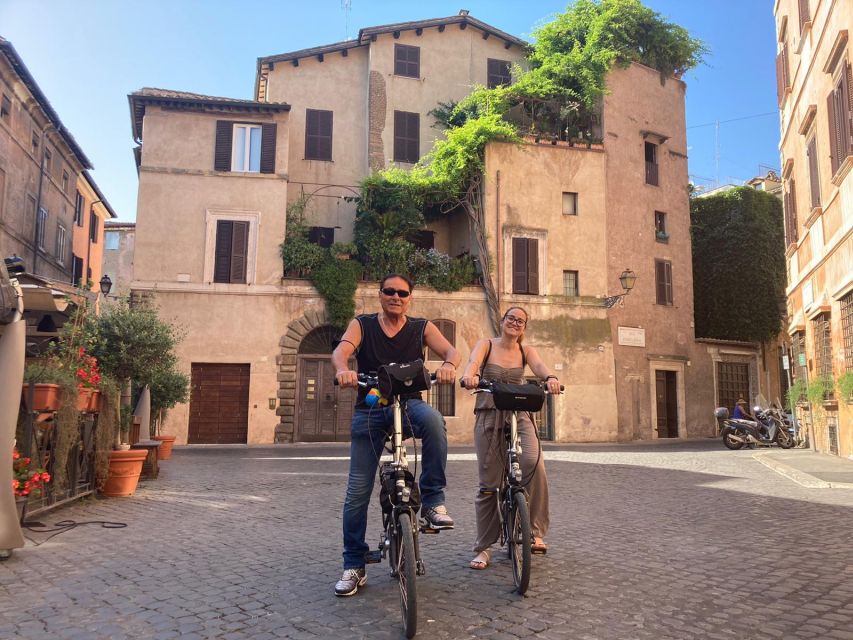
The tour offers at least two distinct route styles, and this is where you’ll feel the personalization most. At the start, you’ll choose between a sightseeing route and another option that leans toward lesser-seen corners.
Option A: the landmark-heavy route
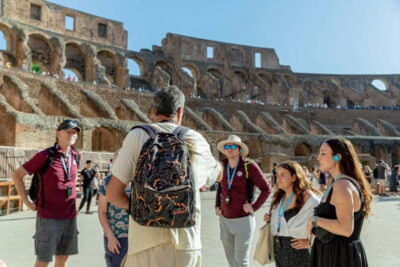
This version connects the major highlights: you’ll see classic names like the Colosseum, Trevi, Navona, and the Vatican Square area. It also includes other prominent stops such as Piazza Navona, Piazza del Popolo, Piazza di Spagna, and Piazza di San Pietro, plus the Spanish Steps area and Trevi.
This is the best pick if:
- You’re visiting for the first time and want the greatest hits.
- You have limited time and don’t want to make the daily planning call.
- You want to leave with a clear mental map of central Rome.
A consideration: if you already know you want lots of time at each monument, this is more of a “see it well, then move on” tour than an all-day sit-down.
Option B: the off-the-beaten-path approach with the Aventine Keyhole
The other itinerary includes the Colosseum, Circus Maximus, and the famous Keyhole of Rome—plus a panoramic terrace in a garden on top of the Aventine hill.
This option is a great fit if:
- You like quieter stories and unusual viewpoints.
- You’ve already seen some main landmarks on foot and want a fresh angle.
- You want a Rome experience that feels less like a checklist.
In practice, this style can feel more satisfying because it gives you a few moments you can’t easily replicate without local direction. Circus Maximus also helps you understand how Rome’s space used to function before everything became a photo stop.
Folding e-bikes in real Rome streets: what to expect on the ride
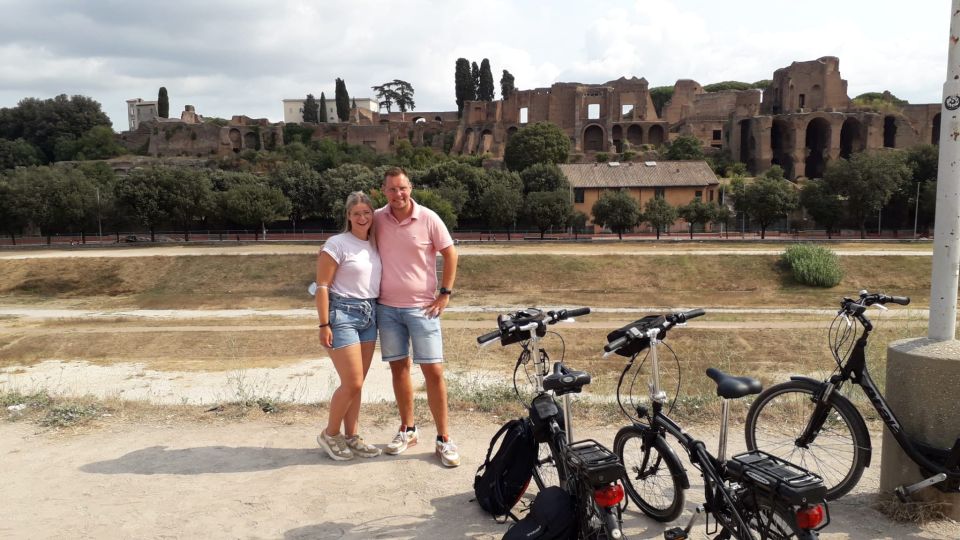
Folding e-bikes sound technical, but what you feel is simple: less strain, more control. The “effortless ride” part isn’t marketing fluff—it’s the difference between enjoying a route and wanting to quit halfway through.
Expect the guide to steer you through:
- busier areas when needed, but usually with an eye toward safety and flow
- smaller streets when possible
- stop-and-go moments that work with a group, not against it
Because the bikes are electric, you can keep up without arriving exhausted. That means more energy for later in the day: gelato, museums, or a long dinner walk.
Who should choose this
This is a strong match for couples, small groups, and families who want to see a lot without doing “Rome on hard mode.” The tour also tends to work well for people who want guidance on where to look and what to ask, not just where to ride.
If you’re uncomfortable biking in cities or you have mobility limits that make balance tricky, you’ll want to think carefully before booking. The tour can be safe and well managed, but it still requires bike comfort.
Price and time value: what $77.03 buys you (and what it doesn’t)
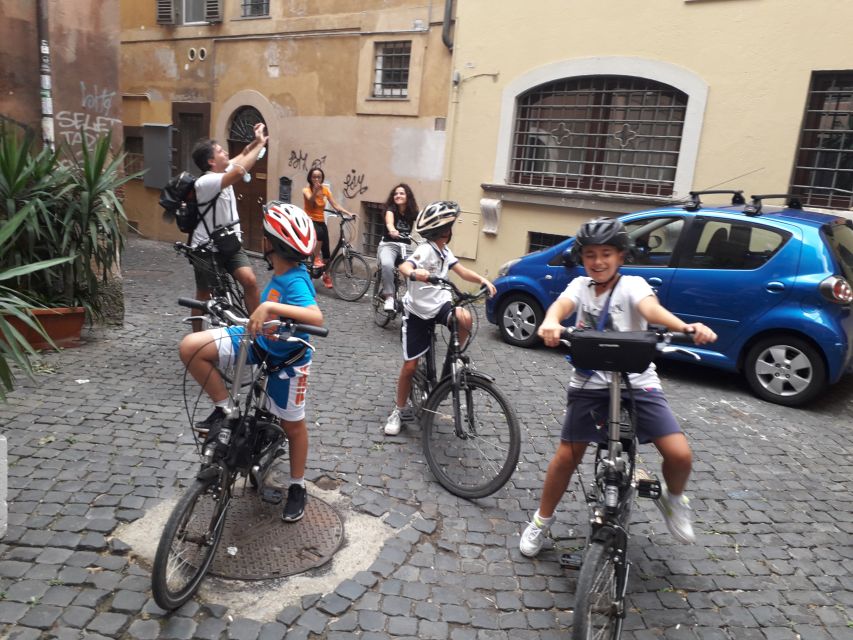
At $77.03 per person for about 3 hours, you’re paying for a bundle:
- the guide’s time and route planning
- the e-bike rental
- protective helmets
Not included: entry fees to monuments. That’s a normal omission for a ride-and-view style tour, but it’s worth planning for. If you’re the type who wants to go inside multiple major sites, you’ll likely need separate tickets or additional time.
So is it worth it? For many people, yes—because Rome is all about logistics. When you factor in saved walking time, guided context, and fewer moments lost to route confusion, the price starts to look like a bargain. It’s also a strong option for your first day or first two days, when you’re still learning where everything sits.
Also, the group size is capped at 8 participants, which keeps the experience from becoming a long human parade. Smaller groups are a big part of why the ride stays fun instead of stressful.
Weather and pace: rain or shine, and how to be ready
This tour runs rain or shine. Rome weather can change fast, so you’ll want to dress for movement rather than for a stationary museum day. If it’s hot, plan for water breaks at reasonable times. If it’s wet, focus on traction and comfort more than fashion.
The pace is built for seeing and learning in a short window. You’ll likely do well if you can handle a few stops where you stand still for photos or explanations, then hop back on quickly. It’s efficient, not rushed.
Practical tips you can use right away
Here are the small things that make a big difference on an e-bike tour in Rome:
- Bring a scarf for shoulder coverage if you expect church visits in summer.
- Wear shoes you’re happy to walk a bit in. Even with electric assist, you’ll sometimes get off the bike.
- Bring water, especially in warmer months. Staying hydrated keeps the ride enjoyable.
- If you’re sensitive about crowds, think of this tour as a guided way to move through famous areas, not to claim prime solitude at every stop.
And one more tip from the vibe of the experience: the guides are praised for friendliness and humor, and for being flexible with questions and route preferences. Expect a guide who wants you to get what you want out of the ride.
Should you book the Landimension Rome E-Bicycle Tour?
Book this tour if you want a smart, efficient way to cover Rome’s top squares in only 3 hours, with a guide who can tailor the day to your interests. It’s especially good for first-timers who want Trevi, Piazza Navona, and Vatican Square without turning your trip into nonstop walking.
Skip it (or at least verify bike fit carefully) if biking in city traffic would make you tense, or if your plan depends on long, inside visits at multiple monuments. Also check the operator’s listed height/weight/age limits so you don’t run into a mismatch at check-in.
If your goal is to leave Rome with both photos and a clearer sense of how the city hangs together, this is a solid use of time—and one of those tours that makes the rest of your trip easier.
FAQ
How long is the Rome e-bike tour?
The duration is 3 hours.
Where do I meet for the tour?
You meet at the Landimension Tours office at Piazza dei Calcarari, and the tour ends back at the same meeting point.
How many people are in a group?
It’s a small group limited to 8 participants.
What’s included in the price?
Included are the guide, e-bike rental, and protective helmets.
Are entry fees to monuments included?
No. Entry fees to monuments are not included.
What languages are the guides?
The live tour guide is available in English, French, Spanish, and Italian.
Does the tour run in bad weather?
Yes, the tour takes place rain or shine.
Is there a dress code?
For summer and church visits, ladies should have a scarf for the shoulders if entering churches.
Are there weight, age, or height limits?
Yes. The information lists limits such as not suitable for weight over 110 kg, children under 12, and height under 1.50 m. Another note also lists not suitable for people over 220 lbs (100 kg) and children under 14, so it’s smart to confirm your situation when booking.