REVIEW · ROME
Rome: Tour of St. Clement’s Basilica Underground Temples
Book on GetYourGuide →Operated by Touriks · Bookable on GetYourGuide
Rome stacks its past under your feet. This guided St. Clement tour sends you 14 meters down to a chain of sites: an upper basilica with a golden apse mosaic, a 4th-century underground church with early Christian frescoes, and one of the city’s best-preserved Mithraic temples with an underground river. I love how the place tells a story in layers, and I also love the art details, especially the symbolism in the apse mosaic. One drawback to think about: it’s not for wheelchairs, and the underground spaces may feel too tight if you get claustrophobic.
A big part of the value is the guide and the setup. You’ll get live interpretation plus headsets, which matters when you’re moving through vaulted, echo-y rooms where whispers don’t travel far. Guides such as Francesca, Lorenzo, or Paul are repeatedly praised for making the shifts in time feel clear, not confusing. If you want more martyrdom paintings afterward, there’s an optional extension to Santo Stefano Rotondo.
In This Review
- Key highlights in Rome’s stacked churches
- Entering St. Clement’s: where Rome turns into layers
- The 12th-century basilica apse: golden mosaic and symbolism
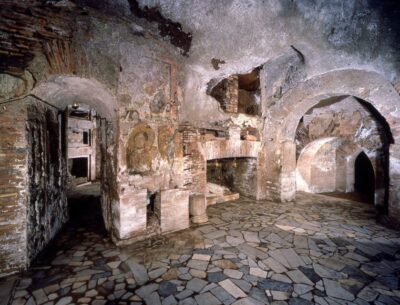
- 14 meters down: the 4th-century church and early martyr frescoes
- Mithraic temple and the underground river: pagan Rome in the shadows
- Back up to the upper basilica: why the return feels earned
- Optional extension: Santo Stefano Rotondo’s martyrdom frescoes
- Price and value: is $70 worth it for a Rome underground tour?
- Practical tips so you enjoy the underground part
- Should you book St. Clement’s underground temples tour?
- FAQ
- FAQ
- How long is the St. Clement’s underground temples tour?
- What does the price include?
- Where does the tour start?
- Can I take photos or record video inside?
- Is the tour wheelchair accessible?
- Is it suitable for claustrophobia?
- What languages are offered?
Key highlights in Rome’s stacked churches
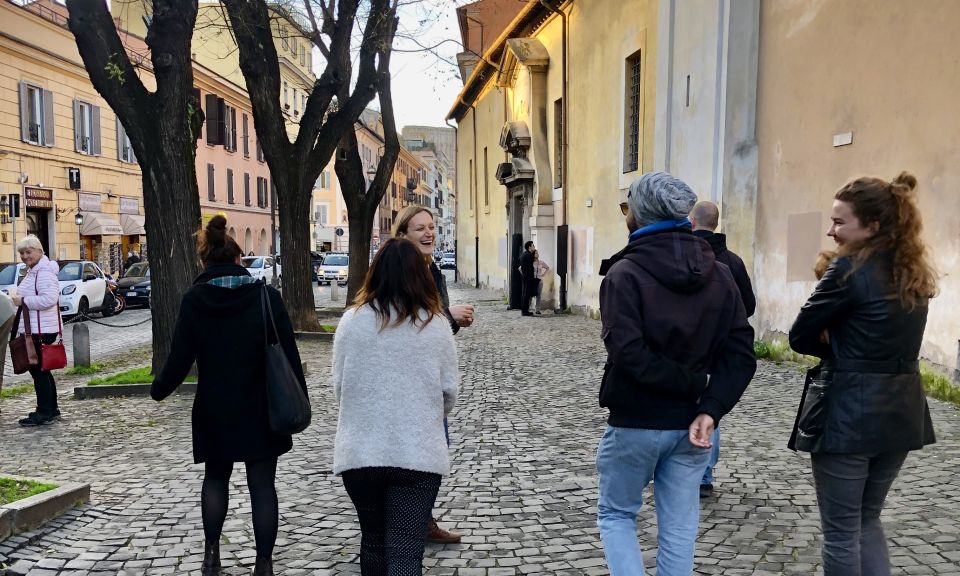
- 14-meter descent from a 12th-century basilica into earlier layers beneath it
- Early Christian frescoes tied to martyrs in a 4th-century underground church
- One of Rome’s best-preserved Mithraic temples, plus an underground river atmosphere
- Golden apse mosaic above, with hidden symbolism your guide will explain
- Optional Santo Stefano Rotondo for 45 minutes of circular architecture and martyrdom frescoes
Entering St. Clement’s: where Rome turns into layers
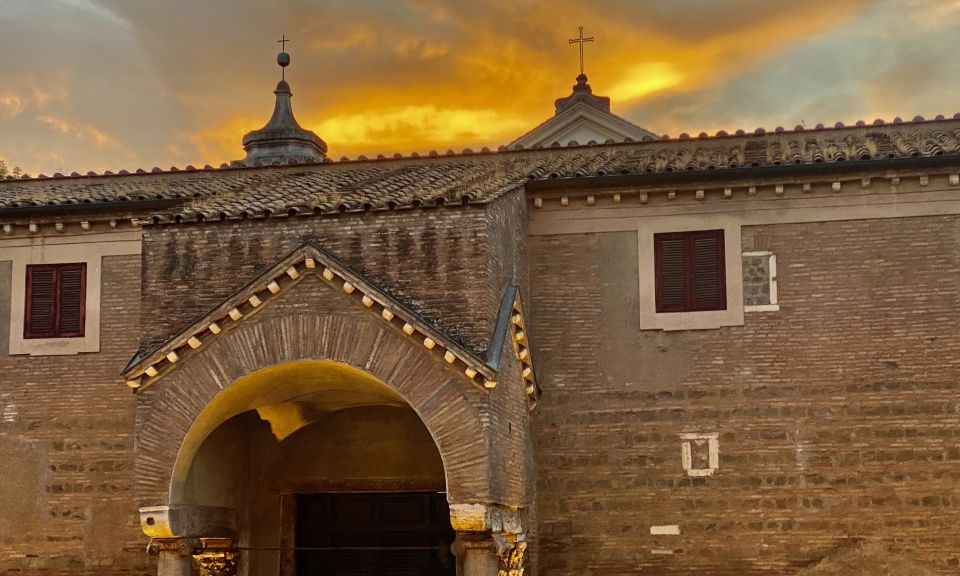
St. Clement Basilica is one of those Roman sites that feels like the city is showing its work. Instead of one time period, you get multiple periods in physical sequence, one built over the other. That is why this tour works so well: you’re not just looking at objects, you’re watching history change form.
You start at the 12th-century basilica level, where the mood is still church-calm. Then the tour tightens the focus: you follow a guide’s map of what you’re seeing, and the site’s “stacked” layout starts to click. Think of it less as a checklist and more as a guided storyline, with each underground stop acting like the next chapter.
This is also a good option if you’ve already seen the big headline churches in Rome. St. Clement has fewer crowds, and the experience is more specific: early Christianity, Roman religious rivals (like Mithraism), and the meaning packed into art and architecture.
You can also read our reviews of more tours and experiences in Rome.



The 12th-century basilica apse: golden mosaic and symbolism
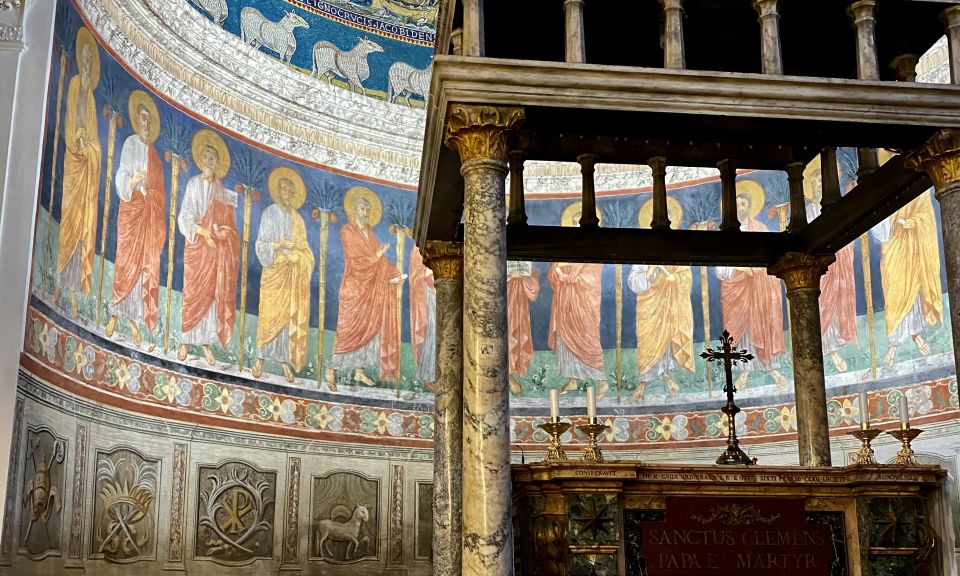
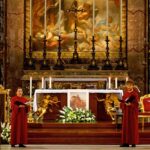
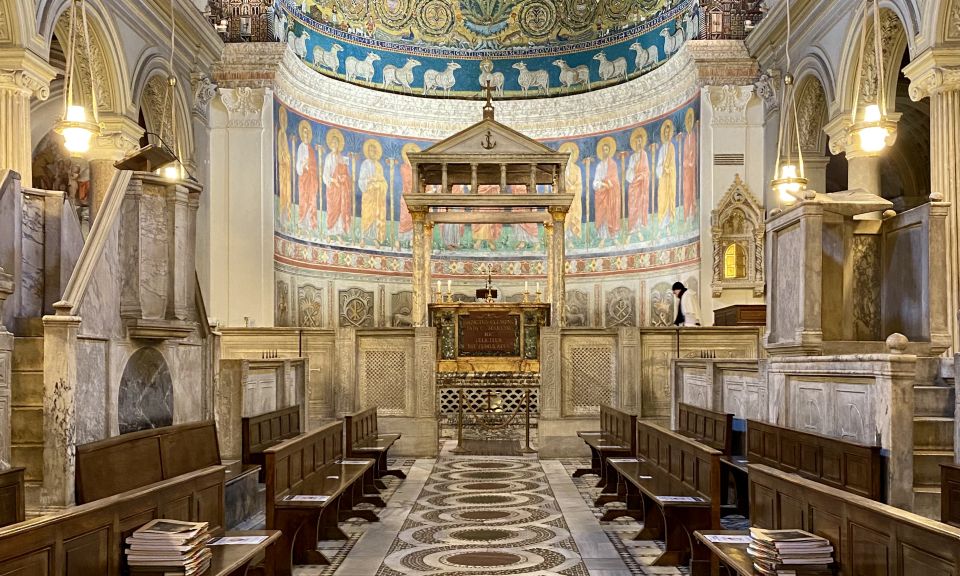
Before you go underground, you get a strong anchor point: the golden mosaic in the apse. It’s beautiful, yes, but the point of your time here is understanding why it matters. Your guide walks you through its symbolism and spiritual significance, so the mosaic isn’t just decoration you pass over.
This first stop also sets expectations for what comes next. The artwork and layout on the upper level help you realize what you’ll be searching for below: how earlier stories were remembered, altered, or built over. I like that you get orientation up top, because it makes the descent feel intentional rather than random.
One more practical upside: you’ll be inside a controlled environment for the first segment. That’s helpful if Rome is hot, windy, or rainy, since you’re about to spend time in cooler, darker underground spaces.
14 meters down: the 4th-century church and early martyr frescoes
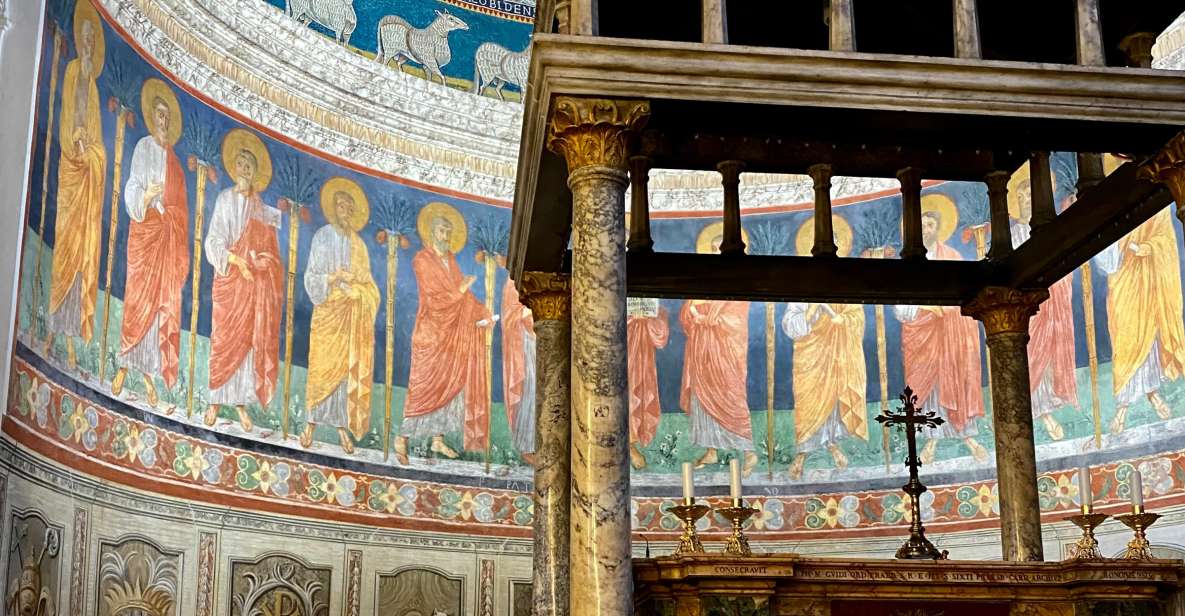
Then comes the moment most people remember: going 14 meters below the basilica. The tour moves into the underground church built directly atop the home connected with St. Clement. That connection matters, because it turns the site from archaeology into a layered human story.
Inside the underground church, you see early Christian frescoes depicting martyrs. These are among the earliest Christian paintings you’ll encounter in Rome’s underground context, and the guide’s job is to link what you’re seeing to the bigger reality of persecution and survival. Even if you already know the broad outlines of early Christianity, this is different because the images are in place, in time.
A quick consideration: the underground surfaces and stairways mean you’ll be moving in close quarters. If you’re sensitive to tight spaces, the tour’s underground layout may not feel comfortable. Also, the pace is guided; it’s not a slow wander where you can step aside and breathe as often.
Mithraic temple and the underground river: pagan Rome in the shadows
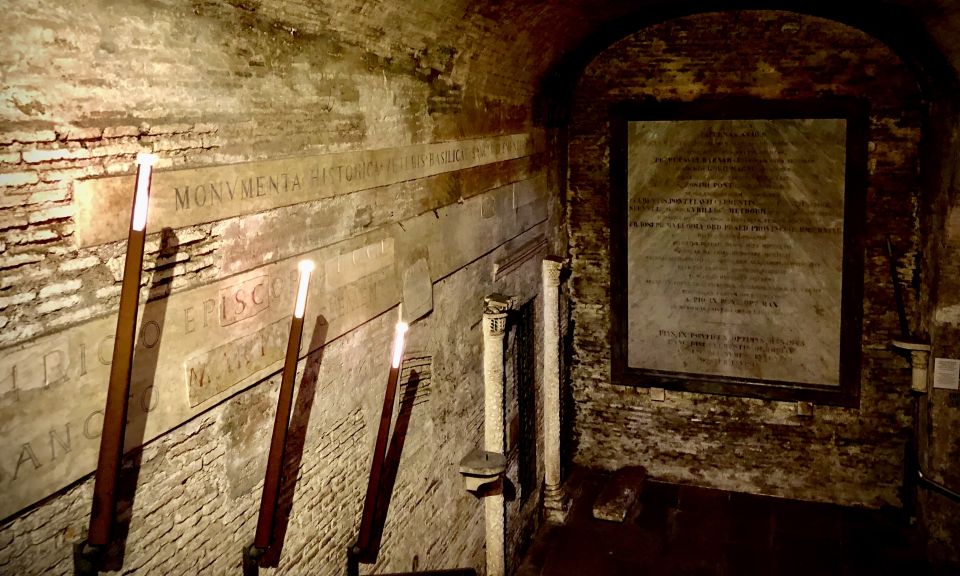
If early Christianity is one side of the story, Mithraism is the other. As you continue the descent, you reach a Mithraic temple, described as one of the best-preserved in Rome. This is where your tour becomes genuinely different from the usual church-and-catacomb pattern.
You’ll also hear about Mithraic cult practices—Roman pagan rituals from a time when Christianity was not the dominant faith. The guide focuses on what those rituals and beliefs looked like in the Roman religious landscape before Christianity rose to power. That framing helps you avoid the common trap: viewing pagan worship as just odd artifacts. Instead, you understand it as an organized spiritual world with its own symbols and rules.
Then there’s the underground river. The presence of water adds an eerie, bodily feel to the space. You’re not just looking at stone rooms; you’re reacting to an atmosphere the city created underground—sound, dampness, and that faint sense that the space is alive with history.
This section is often the highlight for people who like religion-as-culture: how belief systems use architecture, art, and controlled spaces to shape experience.
Back up to the upper basilica: why the return feels earned
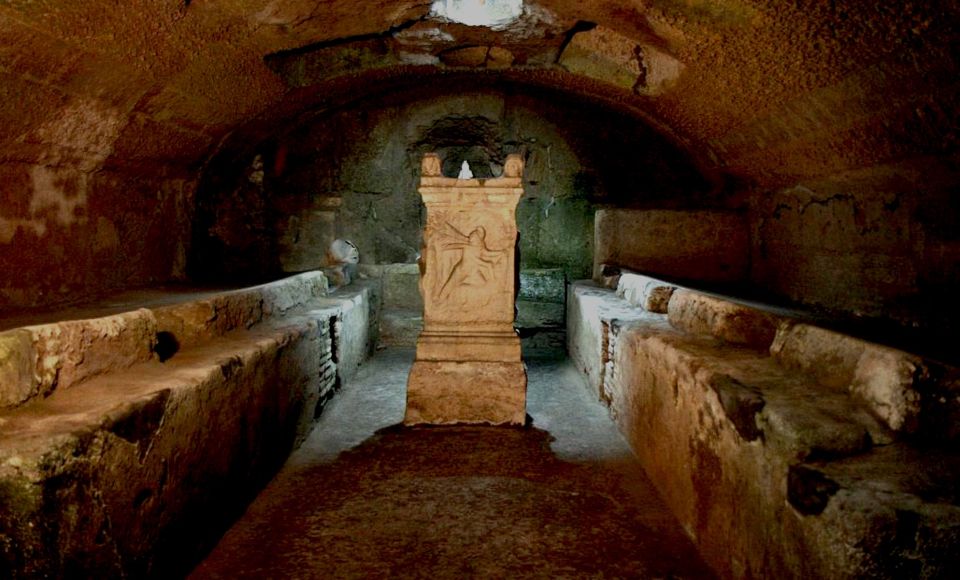
When you emerge back into the 12th-century basilica, it’s not just relief. It’s also perspective. Seeing the upper mosaic after the underground images gives you a clean comparison between how faith eras expressed themselves above ground versus below.
Your guide ties these layers together, so you don’t leave with “cool stuff I saw.” You leave with the feeling that Rome is literally built as a record—sometimes careful, sometimes accidental, often both.
This also helps you appreciate the apse mosaic again, because now you’ve walked through the world that existed before and alongside the images you first saw up top.





Optional extension: Santo Stefano Rotondo’s martyrdom frescoes
If you add the extension, you’re looking at Santo Stefano Rotondo for about 45 minutes. The architecture is circular, and that shape changes the way the frescoes hit you. It’s not just another room of paintings; it’s a specific visual environment built to hold dramatic religious storytelling.
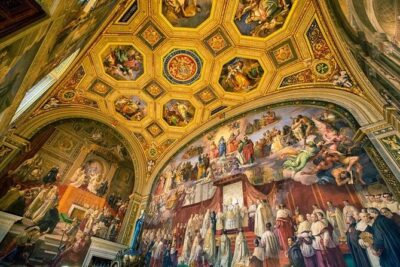
The frescoes here depict martyrdom scenes, and the tour note is clear: the imagery can be graphic, so it’s not the best choice for children. Adults who are comfortable with intense subject matter often find it a powerful continuation of what you just saw at St. Clement.
Timing can also vary. Depending on the schedule, you might start at St. Clement and then move to Santo Stefano Rotondo, or you might reverse the order. Either way, the logic is consistent: you’re building a single narrative arc about early Christian identity and persecution, using two different architectural settings.
There’s also a heads-up that special events or liturgical celebrations can occasionally affect the extension. When that happens, your guide adapts the plan so the tour length stays about the same.
Price and value: is $70 worth it for a Rome underground tour?
For $70 per person, you’re paying for more than just entry. You get an expert live guide, entrance fees to St. Clement’s basilica, and headsets so you can actually hear explanations underground. If you choose the extension, Santo Stefano Rotondo’s guided portion is included too.
The value math works best if you like guided interpretation. This isn’t a site where you can easily read the layers on your own without missing the plot. The entire point of St. Clement is the sequence: upper mosaic → underground church → Mithraic temple → river atmosphere → back up with perspective. A guide is what turns that physical sequence into understanding.
It’s also a good price point for the intensity of access. You’re going deep—literally—into a space that most visitors won’t navigate alone. And the headset setup is a practical included benefit, not a nice-to-have.
Duration is listed as 1 to 2 hours, so plan for a compact but serious chunk of time. If you’ve got limited Rome days, this can be a high-impact choice.
Practical tips so you enjoy the underground part
Here’s how to set yourself up for a smoother experience:
Wear comfortable shoes. You’ll be moving between levels, and good traction matters.
Expect restrictions inside. Photography inside is not allowed, and video recording is also prohibited. Dress rules apply too: shorts, short skirts, sleeveless shirts, and similar items aren’t allowed. Plan for a more covered, church-appropriate outfit.
Leave bulky items behind. No food and drinks, and pets aren’t permitted. Also, weapons or sharp objects aren’t allowed.
Think about claustrophobia. The underground spaces within St. Clement are part of the experience, but the tour may not suit people with claustrophobia. If you know you get anxious in enclosed areas, take that seriously before you book.
Accessibility note. The tour unfortunately isn’t accessible to wheelchair users due to the architectural structures inside and under the basilica.
Language choices help a lot. Tours run in Spanish, French, German, English, Italian, and Portuguese. If your language is your comfort zone, pick that one so the explanations land right away.
Finally, a small mindset tip: go in expecting mood shifts. The site moves from golden and bright to cool and shadowed, from Christian stories to pagan ritual spaces. That change is the point.
Should you book St. Clement’s underground temples tour?
Book it if you want Rome beyond the postcard view and you like sites where archaeology and story are fused. This tour is a strong fit if you care about early Christianity, but it’s also compelling for anyone interested in how Roman pagan worship worked before Christianity became dominant.
Skip or reconsider if you can’t handle enclosed underground spaces, or if graphic martyrdom imagery would be upsetting for you or your group (especially on the Santo Stefano Rotondo extension). Also, if you need wheelchair accessibility, this one won’t work due to how the site is built.
If you do book, pick the extension to Santo Stefano Rotondo when you can. It extends the narrative and adds a different architectural experience, with martyrdom frescoes that follow the story you’ll meet under St. Clement.
FAQ
FAQ
How long is the St. Clement’s underground temples tour?
The guided tour of St. Clement’s Basilica is listed as 1 hour, and the combined experience can run 1 to 2 hours depending on whether you add the Santo Stefano Rotondo extension.
What does the price include?
The price includes an expert live guide, entrance fees to the Basilica of San Clemente, and headsets. The guided tour of Santo Stefano Rotondo is included only if you select the extension option.
Where does the tour start?
The meeting point can vary based on the option booked, with starting locations listed around Piazza di San Clemente and the Basilica di San Clemente al Laterano.
Can I take photos or record video inside?
No. Video recording is not allowed, and photography inside is also not allowed.
Is the tour wheelchair accessible?
No. The tour unfortunately is not accessible to wheelchair users due to the architectural structures inside and under the Basilica di San Clemente.
Is it suitable for claustrophobia?
It may not be suitable. The underground spaces within the Basilica di San Clemente can be a problem for people with claustrophobia.
What languages are offered?
The live tour guide is available in Spanish, French, German, English, Italian, and Portuguese.