REVIEW · ROME
Rome: Dining Experience at a Local’s Home
Book on GetYourGuide →Operated by Cesarine · Bookable on GetYourGuide
Food tastes different when you’re inside the kitchen. In Rome, a Cesarine home-cook experience turns a simple meal into a 3-course evening of family recipes, live cooking, and real conversation.
I love that you’re not just watching, you’re learning how classic dishes are built—often with hands-on help—while your host shares the family logic behind them. The main trade-off is this is a private home dinner, so you’ll want to be punctual and confirm dietary needs early, because it’s not a flexible restaurant setup.
In This Review
- Key Takeaways Before You Go
- A Roman Dinner in a Real Home, Not a Restaurant Performance
- Cesarine Home Cooks: Why This Network Matters
- Timing and Getting There: Meeting Your Host in Rome’s Neighborhoods
- Inside the Cooking Demo: Watch, Ask, Then (Often) Help
- Starter, Pasta, Dessert: What the 3 Courses Are Like
- Starter: Antipasti That Explain the Host’s Style
- Pasta: Where You Learn the Real Techniques
- Dessert: A Sweet Ending With Family Method
- Drinks Included: Wine That Fits the Meal
- Value for $100: What You’re Really Paying For
- Who This Is Best For (and One Reason to Think Twice)
- Practical Tips to Make Your Evening Smoother
- Should You Book This Cesarine Dinner in Rome?
- FAQ
- How long is the Rome dining experience?
- What does the 3-course menu include?
- Are drinks included?
- Is there cooking involved or is it just eating?
- How big is the group?
- Where do I meet my host?
- What languages are used?
- Can the meal accommodate dietary requirements?
- What are the typical start times in Rome?
- Is there free cancellation and a pay-later option?
Key Takeaways Before You Go
- Cesarine hosts open their own homes, so the meal feels personal, not staged
- A show-cooking moment happens in real time, with you tasting as things come out
- 3 courses (starter, pasta, dessert) plus drinks are included in the price
- Small group size (up to 8) keeps the vibe social and chatty
- You might get hands-on with pasta or dessert, depending on your host
- Regional wine, coffee, and water are part of the experience pacing
A Roman Dinner in a Real Home, Not a Restaurant Performance
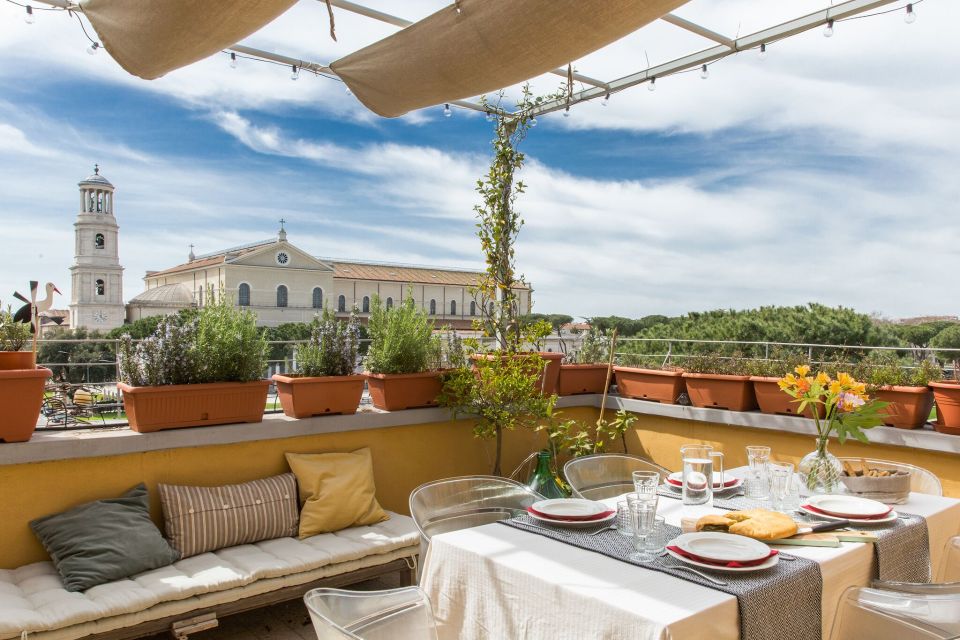
Rome has no shortage of great restaurants, but this experience sells something different: you sit where Italian cooking actually starts—at home, with people who cook the way they were taught. Your table is a kitchen table or dining room setup, not a timed show run by waitstaff.
The core experience is a 3-course lunch or dinner (starter, pasta, dessert) with drinks included. What makes it feel “local” is that your host cooks specialty dishes sourced from family cookbooks, the kind that get stained with flour and kept for generations.
You can also read our reviews of more tours and experiences in Rome



Cesarine Home Cooks: Why This Network Matters
This is run by Cesarine, an Italy-wide network of home cooks in 500 cities. The word Cesarine literally means home cook, which is the point. You’re not paying for a branded restaurant menu—you’re paying for a real cook, with real recipes and real habits.
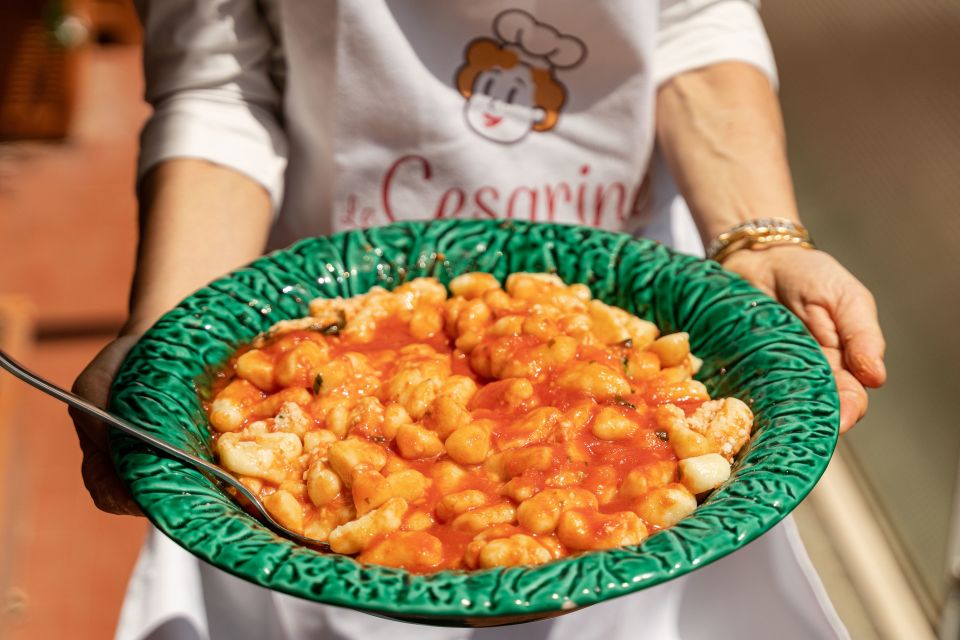
Many hosts explain the “why” behind steps, not just the recipe. That difference is huge. When someone shows you how to make gnocchi from scratch or how they assemble tiramisu the traditional way, you’re learning techniques you can repeat at home, not just flavors you can’t recreate.
Timing and Getting There: Meeting Your Host in Rome’s Neighborhoods
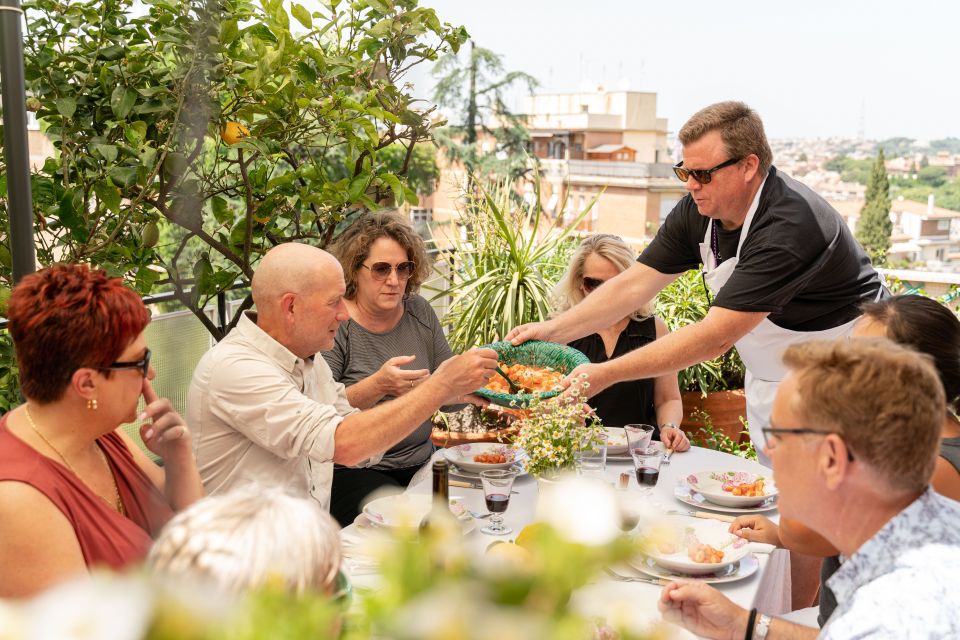
Your host home is the meeting point, and you’ll ring the doorbell when you arrive. After booking, you get your host’s full address and a mobile number via email, which is practical because Rome neighborhoods can be tricky to navigate, especially at night.
Typical start times are 12:00 PM for lunch or 7:00 PM for dinner, but times can be flexible if you ask in advance. With a 2.5-hour format, being even a little late can throw off the cooking rhythm, so aim to arrive with a buffer.
One more detail that matters: the host home is residential. That means shoes, coats, stairs, and the general flow of a real apartment house may be part of the experience. If you’re traveling with mobility or comfort needs, you’ll want to ask your organizer what the setup is like before confirming.
Inside the Cooking Demo: Watch, Ask, Then (Often) Help
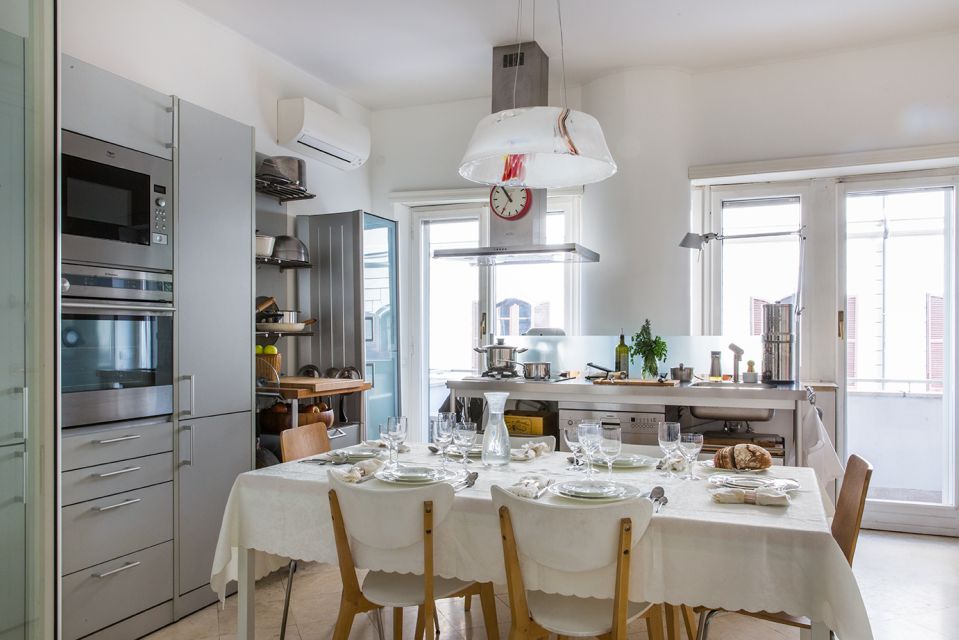
The experience includes an exclusive cooking demonstration where your host prepares the meal with guidance in English or Italian. In many cases, you’ll do more than watch. Hosts often invite guests to help with prep steps—especially pasta and dessert—so you get a real sense of timing and texture.
From the range of real host styles, you can expect a mix of explanations and participation. Some hosts encourage slicing, mixing, or shaping pasta. Others keep you tasting while they handle the precise parts, then invite you to assist when it’s safe and easy. Either way, the demo is the engine of the meal.
I like that this format makes Rome feel less like a museum and more like a working kitchen. You start noticing ingredients (tomato quality, herb timing, how eggs or cheese change the feel of dough) and that makes your next meal in the city more meaningful.
Starter, Pasta, Dessert: What the 3 Courses Are Like
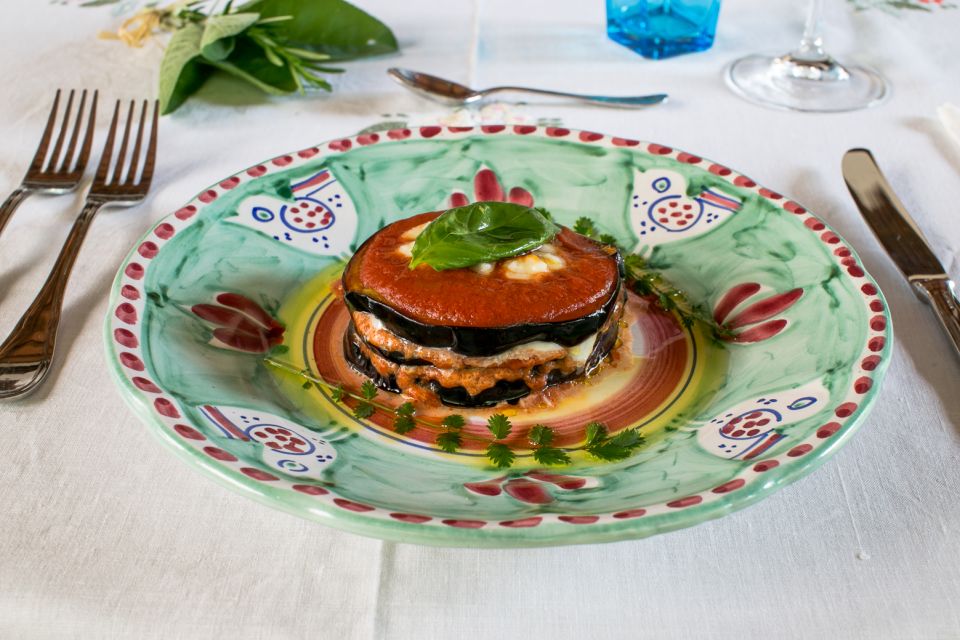
This meal runs as a true sequence: starter first, then pasta, then dessert. You’re tasting as the courses move through the kitchen, so each part feels connected rather than like three separate plates.
You can also read our reviews of more tours and experiences in Rome





Starter: Antipasti That Explain the Host’s Style
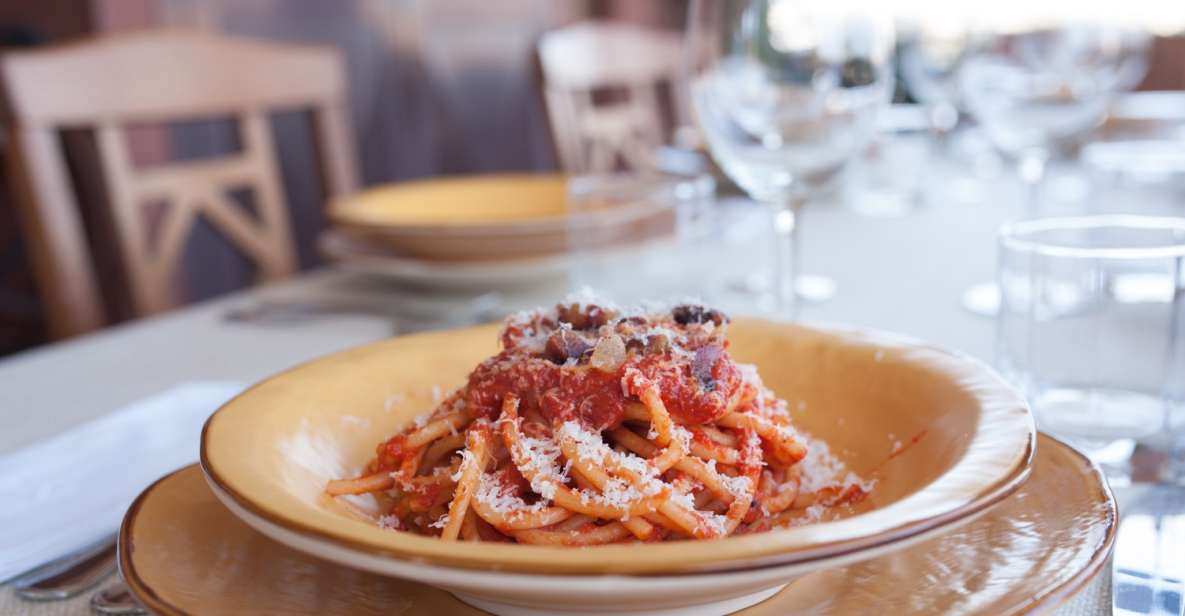
Your starter is typically an antipasto course—something that sets the tone with local flavors. In examples from past hosts, you may see bruschetta with pork cheek or other Roman-leaning combinations. The point isn’t the exact dish; it’s that the starter often shows you how your host balances richness and brightness.
Pasta: Where You Learn the Real Techniques
The pasta course is usually the centerpiece of what you learn. Some hosts focus on making the pasta itself. You might get to help with shaping gnocchi or working with dough long enough to understand why the texture matters.
Even if you don’t get full hands-on time, the cooking happens in front of you. That’s valuable in Rome because pasta is more than “food.” It’s a skill, a rhythm, and often a family tradition.
Dessert: A Sweet Ending With Family Method
Dessert commonly includes something like tiramisu, and many hosts are eager to explain how they assemble it the traditional way. If you’re lucky, you’ll be invited to help with dessert prep—mixing, layering, or learning how they judge when it’s ready.
Dessert at home also tends to taste different from restaurant dessert. The sugar level, coffee balance, and portion feel are built for sharing with family, not plating for photos.
Drinks Included: Wine That Fits the Meal
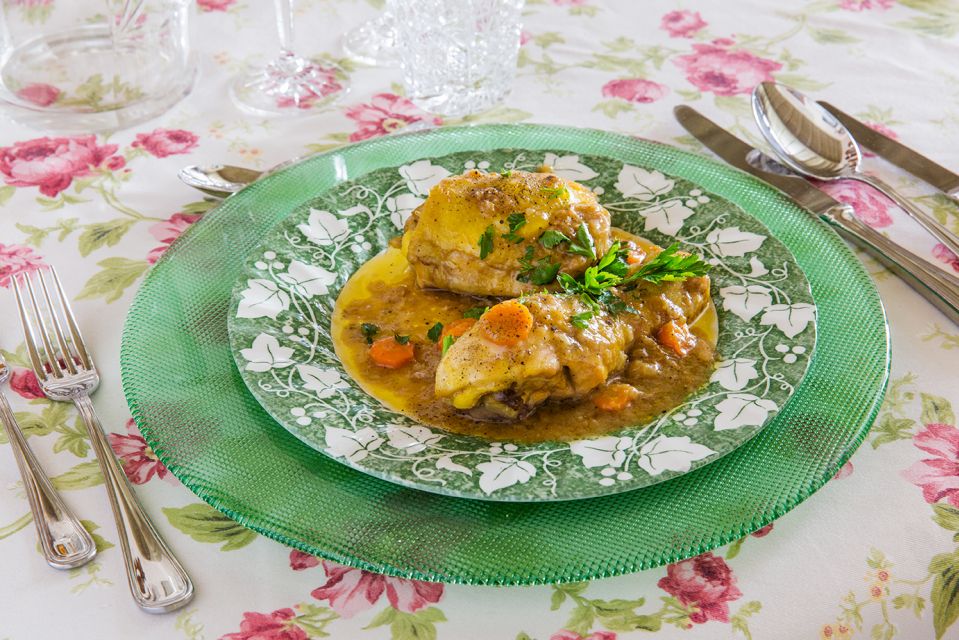
Drinks are included, and that’s a big part of why this works. You get water, a selection of red and white wines from regional cellars, plus coffee. It’s not an endless bar situation. It’s meal-paced.
Some hosts also add small extras after dinner, like limoncello, which shows the hospitality style of the household rather than the schedule of a restaurant. If you’re someone who likes pairing wine with what you’re eating, you’ll enjoy how the host introduces each bottle.
Value for $100: What You’re Really Paying For
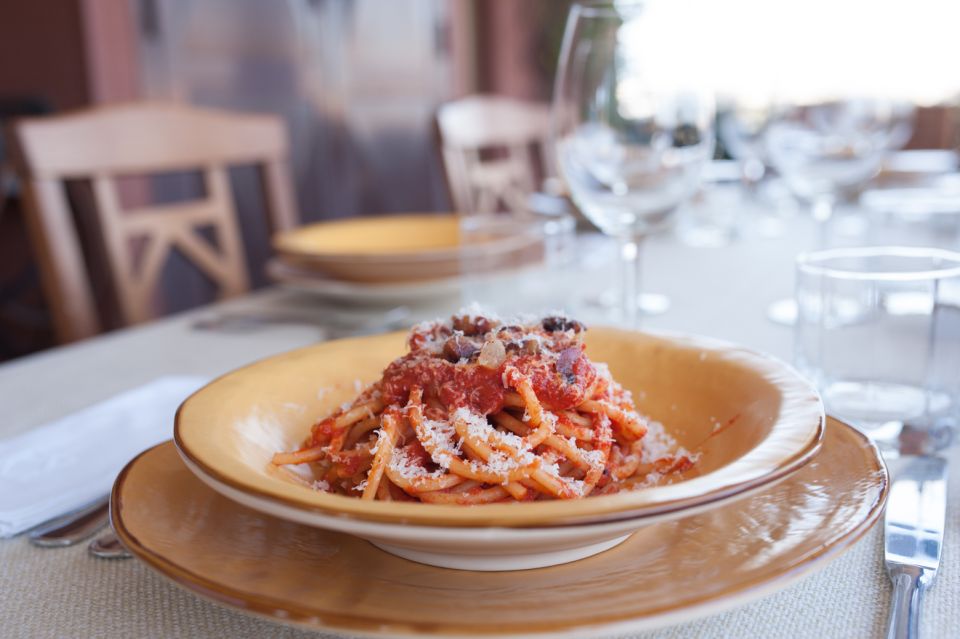
Yes, this costs about $100 per person. But you’re not paying only for food. You’re paying for:
- 3 full courses cooked in a private kitchen
- Drinks (wine, water, coffee) included in the meal
- A cooking demonstration and often some hands-on time
- Host time and storytelling tied to family recipes
In Rome, a restaurant dinner can easily add up fast once you include wine. The value here is that the meal includes both the eating and the learning, in a setting where the cook is teaching you their normal way of cooking.
The other angle: small groups change everything. When you’re at a table for up to 8 people, conversation is easier and questions don’t get lost. That’s harder to buy in a busy dining room.
Who This Is Best For (and One Reason to Think Twice)
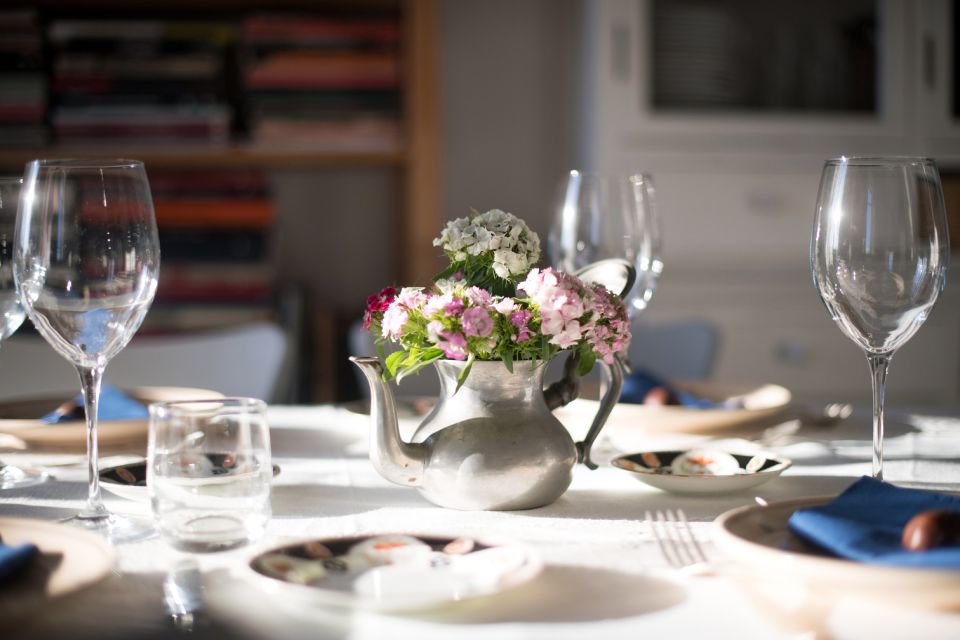
This is best for you if you want more than a meal. If you like authentic food and you enjoy asking questions—about ingredients, technique, and how dishes connect to family life—this format clicks fast.
It also fits well for couples. Many dinners run with a warm, shared feel where you leave with more than full stomachs. People have come away feeling like they met friends, not just hosts.
One possible reason to think twice: if you prefer a totally hands-off, strictly scheduled experience, a home dinner may not feel as predictable. You’re in someone’s living space. The pace is built around cooking real food at home, not around a restaurant production line.
Practical Tips to Make Your Evening Smoother
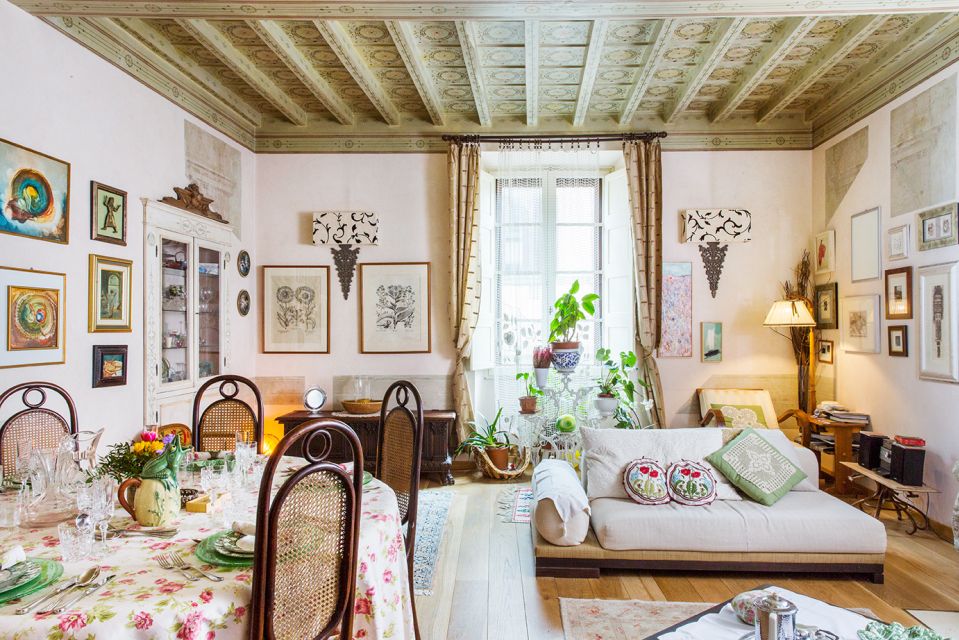
A few small choices can make a huge difference with a home-cooked experience:
- Come prepared with questions. If you’re curious about how they time pasta or balance flavors, ask. Hosts usually love it.
- Expect participation to vary. Some hosts invite you in more (like making gnocchi), others focus on explaining while they cook.
- Dress for a real home. Comfortable shoes and a layer help, since Rome homes can be cozy but not always temperature-controlled like hotels.
- Share dietary needs promptly. Dietary requirements are possible, but you need confirmation with the organizer after booking.
If you’re celebrating something, this can also be a memorable way to mark it. The atmosphere feels personal because the setting is personal.
Should You Book This Cesarine Dinner in Rome?
I’d book it if you want a Roman experience that goes beyond what you can get by simply ordering off a menu. The combination of private-home cooking, 3-course dining, and wine and coffee included is a strong package, especially for food-focused travelers who like learning how dishes are made.
Skip it if you need a very hands-off experience, or if you know you’ll be uncomfortable in a private residence setting. Also consider it if your schedule is tight and you can’t reliably arrive on time; a 2.5-hour home dinner depends on the kitchen rhythm.
If you like the idea of tasting real family recipes while someone walks you through the process, this is one of the better ways to spend an evening in Rome.
FAQ
How long is the Rome dining experience?
It lasts 2.5 hours.
What does the 3-course menu include?
You’ll have a starter, pasta course, and dessert.
Are drinks included?
Yes. Drinks included are water, a selection of red and white wines from regional cellars, and coffee.
Is there cooking involved or is it just eating?
There is an exclusive cooking demonstration, and many hosts invite guests to help with parts of the meal.
How big is the group?
It’s a small group limited to 8 participants.
Where do I meet my host?
The meeting point is your host’s home. You’ll ring the doorbell when you arrive, and you’ll receive the full address and mobile number by email after booking.
What languages are used?
The instructor/host supports English and Italian.
Can the meal accommodate dietary requirements?
Dietary requirements can be catered for, but you must confirm details directly with the service organizer after booking.
What are the typical start times in Rome?
Dining typically begins at 12:00 PM or 7:00 PM, and tour times are flexible with advance requests.
Is there free cancellation and a pay-later option?
Yes. You can cancel up to 24 hours in advance for a full refund, and you can reserve now and pay later.