REVIEW · ROME
Rome: Colosseum Tour with Underground and Arena Floor Access
Book on GetYourGuide →Operated by My city Tours · Bookable on GetYourGuide
Underground Rome changes how you read the Colosseum. This guided experience combines arena floor access with the underground level, then adds Palatine Hill and the Roman Forum so the day feels like more than just a photo stop.
I love two things most: skip-the-line access into the Colosseum’s restricted areas, and headsets and radios that keep you in on the details without craning your neck or guessing what the guide is saying. I’ve also seen plenty of praise for guides by name, including Georgia, Emanuele, Roberts, Genie, and Alessandro, with people calling out the engaging, fun way the stories get told.
One thing to think about: at $282.08 per person for a 2.5-hour tour, this is a premium ticket. If you prefer slow wandering and lots of solo time, the pace may feel a bit structured.
In This Review
- Key points to know before you go
- Skip-the-Line Entrance and Restricted Colosseum Areas
- The Arena Floor: Walking Where the Games Turned Violent
- Underground Level (Dungeons): The Staging World Below the Arena
- Colosseum First Floor and Getting Your Bearings Fast
- Palatine Hill Panorama: Romulus and Remus With a View
- Roman Forum Guided Time: Making the Ruins Work
- What the Best Guides Do Here (Georgia, Emanuele, Roberts, Genie, Alessandro)
- Value for $282.08: Why This Costs More (and When It’s Worth It)
- Logistics and Timing: How to Plan Your Rome Day
- Should You Book This Colosseum Tour?
- FAQ
- How long is the tour?
- Is the tour guided, and what language is available?
- What’s included in the price?
- Does the tour include hotel pickup or drop-off?
- What should I bring?
- What items are not allowed during the tour?
Key points to know before you go
- Restricted-area access that goes beyond the standard viewing routes
- Arena floor walk where you can picture gladiators facing the crowd
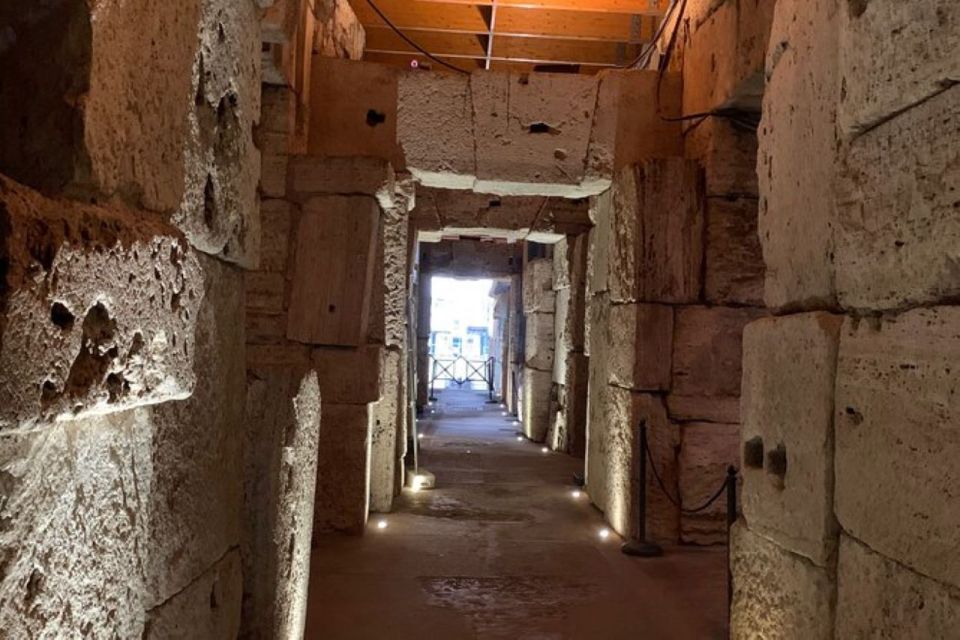
- Underground Level (Dungeons) tied to the staging world below the arena
- Palatine Hill panorama with the Romulus and Remus story angle
- Roman Forum guided time so the ruins mean something, fast
- Private group setup plus headsets/radios for clear commentary
Skip-the-Line Entrance and Restricted Colosseum Areas
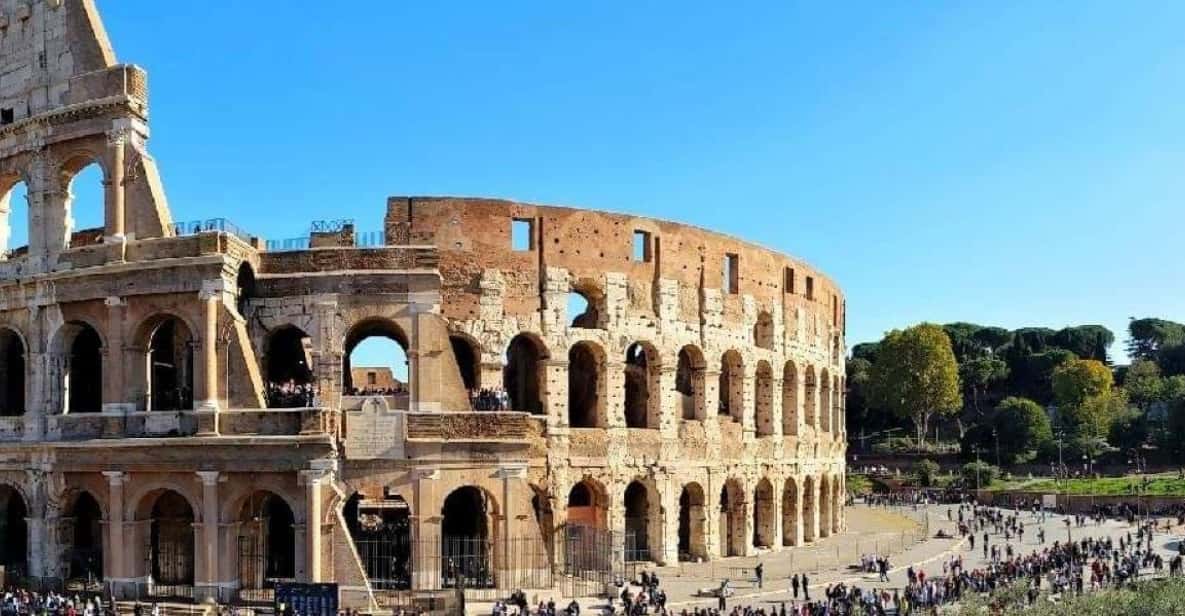
Most Colosseum experiences start with a long wait and end with the usual ring of views. This one is built differently. You begin with skip-the-line entry and move straight toward the parts visitors often don’t reach, using a special entrance that gets you into the action sooner.
That matters because the Colosseum is huge, and “first impressions” can make or break your visit. Getting started quickly means you can spend your energy on what you’re seeing, not on standing in a bottleneck. And with headsets and radios included, you don’t lose the guide’s thread as the group moves from one zone to the next.
There’s also a practical bonus: the tour is designed as a sequence, not a grab-and-go route. You’ll see the building in layers—top to bottom—so the monument reads like a system instead of a pile of stones.
You can also read our reviews of more tours and experiences in Rome.



The Arena Floor: Walking Where the Games Turned Violent
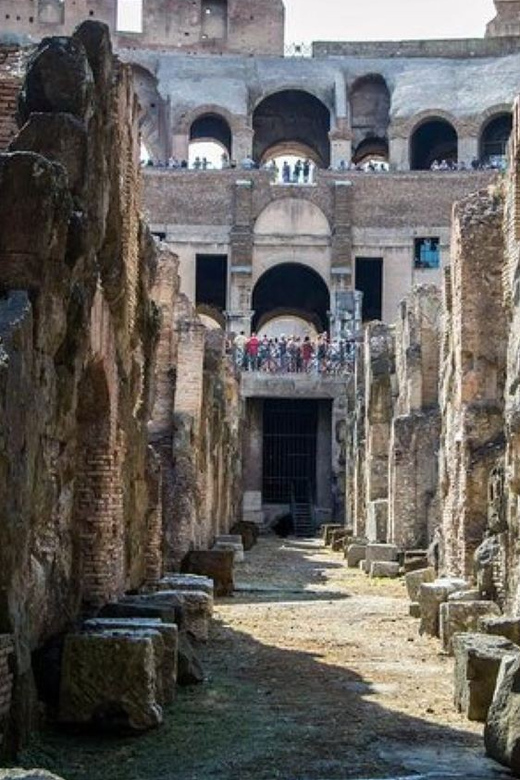
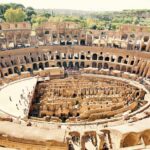
The emotional peak for many people is the Arena floor tour. You’ll be walking where gladiators fought, and the guide’s job here is to help you connect the space to the spectacle that powered it. Even if you’re not a Roman-history superfan, standing on that arena changes the way you look at the seating levels.
I like this part because it’s not just dramatic. It’s also clarifying. From the arena you can better understand sightlines—where crowd energy would hit, where the focus would land, and how the architecture supported the show. You can also feel the logic of movement: how people entered, how animals and props were staged, and how the performance could escalate fast.
A quick note for your expectations: the arena moment is powerful, but it’s still a structured tour with a set flow. If your goal is to spend 45 minutes alone taking photos, this probably won’t match that style. If your goal is to experience the space with context, it’s a strong fit.
Underground Level (Dungeons): The Staging World Below the Arena
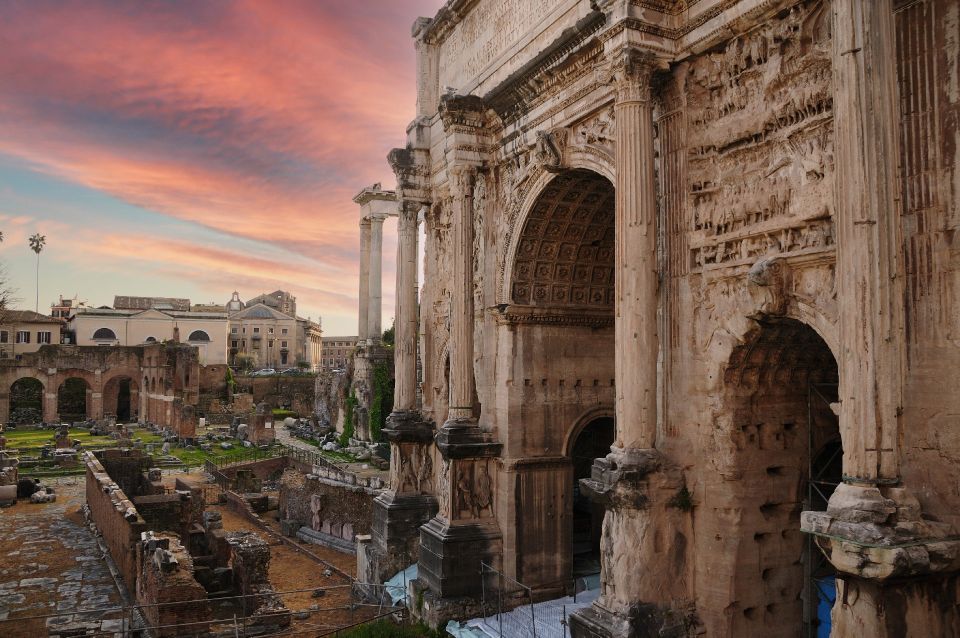
Then you go where most visitors never step: the Colosseum underground, sometimes called the Dungeons. This is where the tour’s tone shifts. Above, you get the spectacle. Below, you get the machinery of spectacle.
According to the tour approach, you’ll see the underground areas where gladiators prepared and where caged animals were kept until they were lifted into the arena. The point isn’t to turn it into a spooky horror story. It’s to make the arena feel real by showing what had to happen out of sight.
This is one of those experiences that rewards attention. The underground spaces can feel tight and visually limited, so I recommend keeping your eyes on what the guide points out rather than trying to photograph everything. With headsets and radios, it’s easier to follow the narrative even when you’re moving into darker or more confined sections.
If you like your sightseeing with a little emotional contrast—glory above, preparation below—this underground segment is the heart of the value.
Colosseum First Floor and Getting Your Bearings Fast
After the arena and underground areas, the tour also includes a Colosseum first floor guided portion. This is where you can start to connect the dots: entrances, passageways, and the layout that supports how the Colosseum operated day after day.
I like these guided “bearings” stops because the Colosseum is easy to misunderstand if you only see it from the classic angles. From the first-floor perspective, you can better grasp how people would circulate and why certain parts matter.
One practical upside: the tour’s order helps you build a mental map. You’ve already walked the arena. You’ve seen the underground staging spaces. Now the first-floor elements click into place. The building stops feeling abstract.
Palatine Hill Panorama: Romulus and Remus With a View
Next up is Palatine Hill. This part isn’t just scenic; it’s interpretive. You’ll get a panoramic view and hear the legend of Romulus and Remus, positioned as part of the story leading to the birth of Rome.
Palatine Hill is a great match for a tour that already helped you read the Colosseum. You’re still in the same broader world of Rome’s power centers, but now you’re looking out over the city’s layers. Views here don’t just create pretty photos—they help you understand why leaders would want this ground.
If you’re trying to decide what kind of history you like, this section gives you a mix: myth meets geography. It’s the kind of story framing that makes later Roman Forum visits less confusing.



Roman Forum Guided Time: Making the Ruins Work
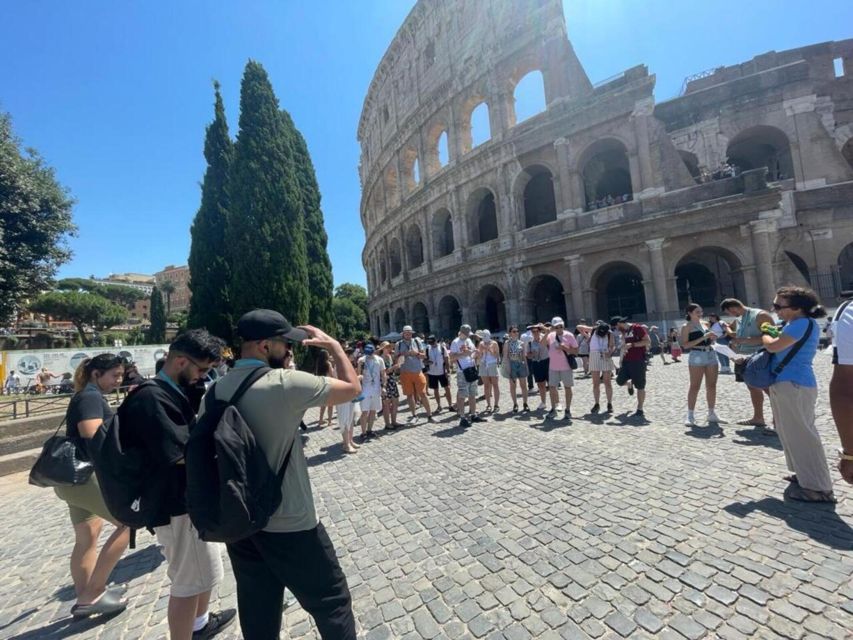
You also get a guided tour of the Roman Forum. This is where many people get stuck in “ruins mode,” staring at stone and hoping it will explain itself.
A good guide changes that fast. With the Forum in particular, you benefit from structure: you need the major players, the relationships, and the idea of civic life. The tour’s timing makes sense too, because you just climbed into the viewpoints at Palatine Hill. Now the Forum feels like the logical next chapter.
Even if you don’t love long explanations, a guided Forum visit is useful because it turns random arches and fragments into a place where you can picture daily Roman movement—politics, religion, and public life all in one dense area.
And since the tour is kept to about 2.5 hours total, the Forum time is designed to be efficient. You won’t get everything in Rome, but you will leave with a clearer sense of what you actually saw.
What the Best Guides Do Here (Georgia, Emanuele, Roberts, Genie, Alessandro)
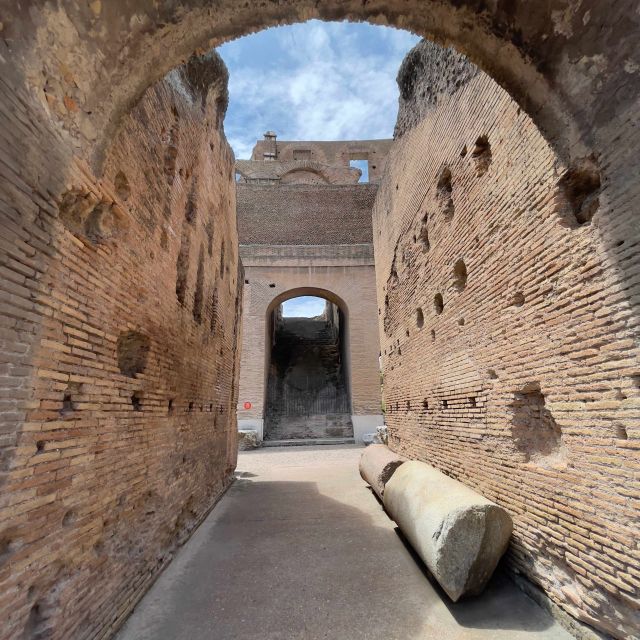
The Colosseum is famous, but the way the stories get delivered is what makes the experience worth paying for. This tour has a strong track record for guides who keep the group engaged and answer questions clearly.
From the guide-style praise, names like Georgia, Emanuele, Roberts, Genie, and Alessandro come up with the same theme: people loved how the guide paced the explanations, handled details, and kept things entertaining without turning it into a comedy act.
One detail I like seeing mentioned: Emanuele using an iPad and a picture book to explain what you’re looking at. That’s a smart approach in Rome, where ruins can feel like puzzles. Visual support helps you understand structure and meaning, not just dates and names.
In plain terms: you’re paying for access, yes. But the guide is what helps that access make sense.
Value for $282.08: Why This Costs More (and When It’s Worth It)
Let’s talk money without drama. At $282.08 per person, this isn’t the cheapest Colosseum ticket you can buy. You’re paying for a setup that includes:
- guided access to restricted areas
- arena floor time
- the underground level (Dungeons)
- plus Palatine Hill and the Roman Forum guided segments
- headsets and radios to keep the experience smooth
That combo is the value. You’re not just buying entry. You’re buying guided context across multiple “worlds” of the site: above the arena, below the arena, and then the surrounding power zone of Rome.
When it’s worth it: if you want a single guided package that covers the Colosseum properly and avoids the feeling of wandering with no meaning. When it might not be worth it: if you already have a strong handle on Roman sites or you prefer to spend the day at your own pace.
Given the inclusions and the limited-access nature of the Colosseum underground and arena floor, the price starts to look less like a splurge and more like paying for time, interpretation, and special entry.
Logistics and Timing: How to Plan Your Rome Day
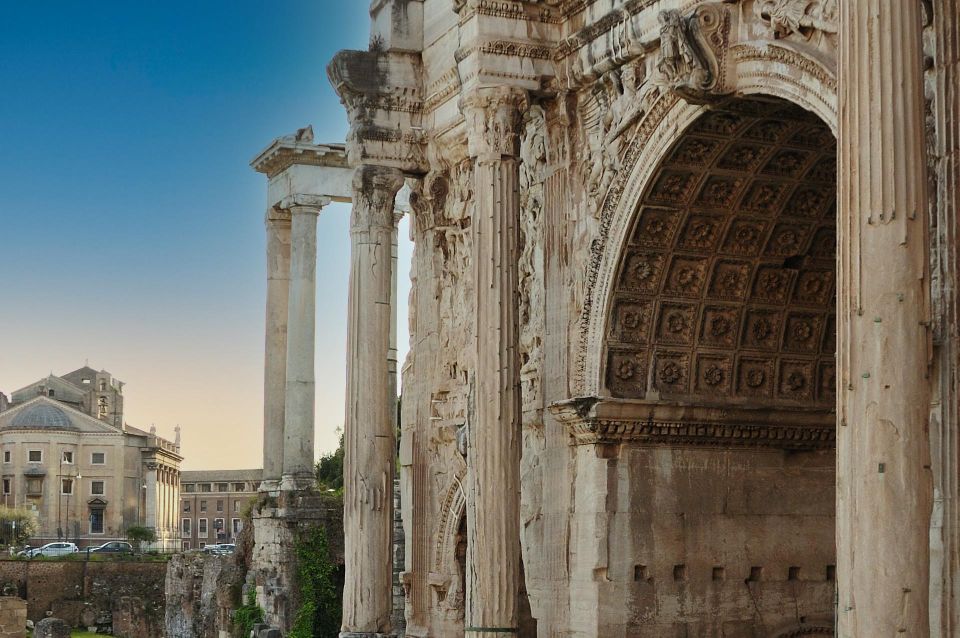
This tour runs about 2.5 hours, and it’s listed as English-language with a live guide. It also uses a private group format, which usually means you can ask questions without feeling lost in a crowd.
Meeting point matters here. You’ll meet at the company office, and you should arrive 10 minutes before the tour. If you’re the type who likes to browse nearby streets, build in a little extra buffer so you don’t cut it close.
What to bring is simple: you need a passport or ID card for children. Otherwise, keep your luggage situation light.
That’s also where the rules come in. The tour does not allow weapons or sharp objects, and it also restricts luggage or large bags, plus sprays or aerosols. If you’re carrying a big daypack, you’ll want to plan ahead so you don’t run into frustration at the start.
Should You Book This Colosseum Tour?
Book it if you want the Colosseum to feel like a lived machine, not just a famous landmark. The pairing of arena floor plus the underground Dungeons, followed by Palatine Hill and the Roman Forum, is a smart way to cover the big story of Roman power in one guided run.
Skip it if you mainly want time to roam and you don’t care about interpretation. Also pass if you get stressed by structured movement through a major site.
If you want a practical recommendation: if the idea of standing where the games happened and then stepping into the staging space below appeals to you, this tour is built for that exact mindset. And with guides getting high marks for clear, engaging delivery, you’re likely to leave with your mental map of Rome finally working.
FAQ
How long is the tour?
The tour duration is 2.5 hours.
Is the tour guided, and what language is available?
Yes. It includes a live tour guide in English.
What’s included in the price?
Included are the tour guide, guided tours of the Colosseum, Palatine Hill and the Roman Forum, and the Dungeons/underground area, plus headsets and radios.
Does the tour include hotel pickup or drop-off?
No. Hotel pickup and drop-off are not included.
What should I bring?
You should bring a passport or ID card for children.
What items are not allowed during the tour?
Weapons or sharp objects are not allowed, and luggage or large bags are not allowed. Sprays or aerosols are also not allowed.