REVIEW · ROME
Rome: City Pass 20+ Attractions, Vatican & Colosseum Option
Book on GetYourGuide →Operated by Turbopass City Pass · Bookable on GetYourGuide
Rome, minus the ticket-chaos. This pass is built for travelers who want a lot of Rome covered without picking and paying for every single thing. I especially like the included 48-hour hop-on hop-off bus with audio guide, since it helps you move across town without turning every day into a map-study marathon.
I also like that you get guided options, not just self-guided entries. The Catacombs of St. Callistus tour uses a licensed local guide, and the included central walking tour and guided bike tour help you connect the dots between big sights.
One watch-out: you’ll still be managing your own time around set opening days and any optional big-ticket slots, and each included attraction can be visited only once.
In This Review
- Key things to know before you buy
- Rome City Pass in plain terms: what this ticket really is
- The included sights that actually matter on a first or repeat visit
- Castel Sant’Angelo: a fortress with unbeatable river views
- The Pantheon: quick entry, big payoff
- Piazza Navona Underground (Stadio di Domiziano): the city under your feet
- Vicus Caprarius and Case Romane del Celio: lesser-known Roman everyday life
- Ostia Antica Archaeological Park: Rome’s older, calmer world
- National Roman Museum, plus the smaller museum spread
- Guided experiences: where the pass earns its keep
- Catacombs of St. Callistus with a licensed local guide
- Guided central walking tour: a fast way to learn Rome’s layout
- Guided bike tour and a 2-hour bike rental option
- The hop-on hop-off bus: useful for pacing, not magic
- Optional upgrades: Vatican Museums and the Colosseum area (PM entry)
- Vatican Museums: great if your timing works
- Colosseum area: afternoon access can be perfect
- Real-world logistics: the one-visit rule and your pacing strategy
- Discounts that sweeten the deal
- Price and value: when the $101.59 per person makes sense
- Who this Rome City Pass is best for
- Should you book this Rome City Pass?
- FAQ
- FAQ
- How many days is the Rome City Pass valid?
- Do I need to meet anyone at a specific location?
- Are the Vatican Museums and Sistine Chapel included?
- Are the Colosseum, Roman Forum, and Palatine Hill included?
- What transport is included with the pass?
- How many times can I visit each included attraction?
- Are there any closures I should know about?
- What do I need to bring?
Key things to know before you buy

- 20+ included sights spread across Rome, from the Pantheon to the catacombs and Ostia Antica
- 48-hour hop-on hop-off bus with an audio guide to help you pace your days
- Catacombs of St. Callistus guided tour with a licensed local guide (ticketed experience, not just entry)
- Optional Vatican Museums and Colosseum access depend on the pass you choose and time slots booked during validity
- No public transport included, so getting to places like Ostia Antica is on you
Rome City Pass in plain terms: what this ticket really is
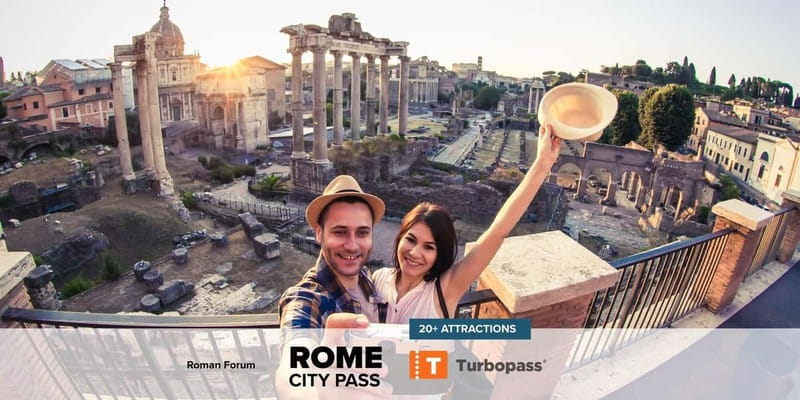
This Rome City Pass (by Turbopass City Pass) is a bundle. It mixes a stack of entries, a few guided experiences, and a hop-on hop-off bus, then lets you optionally add the two crowd magnets most people come for: the Vatican Museums/Sistine Chapel and the Colosseum area.
The practical goal is simple: you buy once, then you pick what you want to use within your validity window. Your pass covers multiple museums and archaeological stops, plus a couple of guided tours that do the heavy lifting of context and route planning.
You also don’t start at a specific meeting point. You get the City Pass by email, then you use the pass details for each included attraction. That flexibility is great if you’re the type who wants to wake up, check the weather, and decide what’s next.
You can also read our reviews of more city tours in Rome


The included sights that actually matter on a first or repeat visit
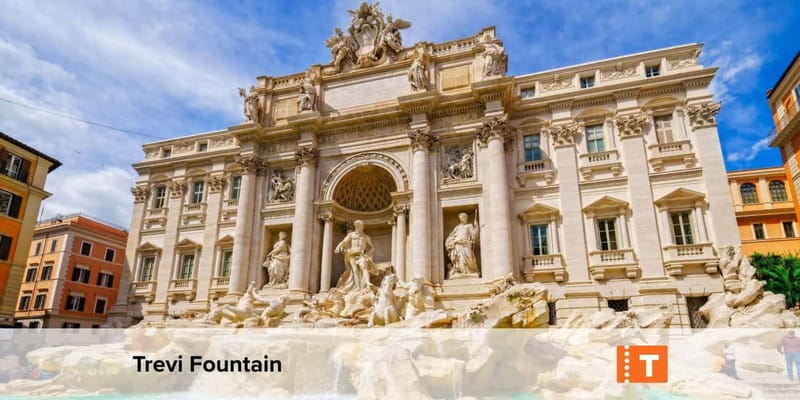
The included list is wide. That’s good, but it also means you’ll want a plan so you don’t try to sprint through everything in two days.
Here’s how the major included stops tend to play for most visitors, and what makes each one worth your time.
Castel Sant’Angelo: a fortress with unbeatable river views
Castel Sant’Angelo is included, and it’s a strong anchor for a day near the Tiber. Even if you’ve seen photos, the setting is what surprises people: it sits like a statement piece between city streets and river paths. You can pair it naturally with other central stops.
Practical note: you’ll likely want to time it so the light works for photos. Rome gets busy fast, so choosing earlier time windows helps.
The Pantheon: quick entry, big payoff
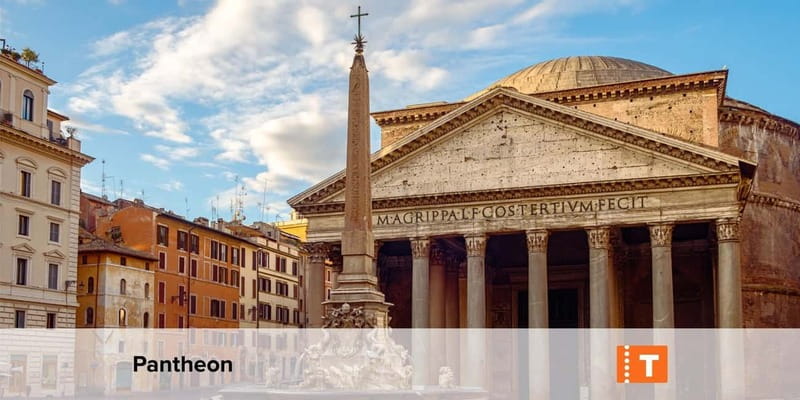
The Pantheon is included. It’s one of those places where the experience is bigger than you expect, even if you already know the famous dome.
The advantage of having it included is that you can treat it like a stop rather than a whole production. You don’t need to build your day around buying tickets first, and that reduces friction on crowded days.
Piazza Navona Underground (Stadio di Domiziano): the city under your feet
This is included too. The underground site—Stadio di Domiziano—turns a familiar neighborhood into something you can explore in a totally different way.
If you enjoy layers—Roman streets, then later Rome sitting on top—this kind of stop is a favorite. It’s also a good mid-day option when you want to step away from surface crowds and heat.






Vicus Caprarius and Case Romane del Celio: lesser-known Roman everyday life
Two archaeology stops are included that tend to be more interesting than people expect until they’re standing there:
- Vicus Caprarius – the City of Water
- Case Romane del Celio (Roman Houses of Celio)
These places shift the focus from monuments-as-icons to Roman life-as-structure. They can feel less famous than the Colosseum, but that’s exactly why they can be satisfying when you’re trying to balance the big stuff.
Ostia Antica Archaeological Park: Rome’s older, calmer world
Ostia Antica is included. This is the one that most people underestimate, mainly because it’s a bigger commitment than central sights.
Also important: the pass does not include public transportation. So you’ll need to handle your own travel plan to get out there. If you like archaeological sites with room to breathe, this stop can be a highlight rather than a checkbox.
National Roman Museum, plus the smaller museum spread
The pass also includes additional museums and galleries such as:
- Palazzo Merulana
- Museo Leonardo da Vinci Experience
- Museo delle Cere Rom (Wax Museum)
- Palazzo Barberini and Galleria Corsini
- Palazzo Patrizi
- GAMM Game Museum
This is the part of the pass that helps on days when you need a break from outdoor walking. Museums like these can be quick wins if you time them for peak heat, rain, or when your feet need a reset.
One word of advice: pick 1–2 of the museum-style stops per day. The pass is big, but your energy is limited.
Guided experiences: where the pass earns its keep
A bundle is only as good as what you don’t have to plan. Here, the pass includes a few experiences that reduce effort and add context.
Catacombs of St. Callistus with a licensed local guide
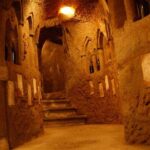
This guided tour is included. You’re not just getting entry; you’re getting a structured experience with a licensed local guide, and the tour runs in multiple languages (Italian, English, French, Spanish, and German).
Catacombs aren’t just spooky scenery. With a guide, you’re more likely to understand what you’re seeing and why it mattered to early Christian communities. If you’re picking only one guided element to include, this is usually the one worth prioritizing.
Guided central walking tour: a fast way to learn Rome’s layout
There’s also an included guided walking tour of central Rome. Even if you already know the major sights, a walking route can help you place things in relation to each other—where you’ll want to return, where you’ll want to avoid backtracking, and which areas feel right for a second pass.
Think of this as your orientation tool. It helps you spend the rest of your trip moving with intent instead of aimless wandering.
Guided bike tour and a 2-hour bike rental option
You also get a guided bike tour of Rome’s highlights, plus a 2-hour bike rental option. That can be a smart upgrade if you want to cover more ground than you can comfortably walk.
Just remember: bike touring is only enjoyable if you feel comfortable riding in city traffic conditions. If you’re not a confident cyclist, the bus and walking tours may fit you better.
The hop-on hop-off bus: useful for pacing, not magic
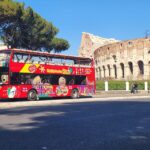
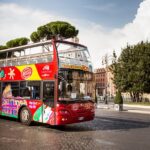
The City Pass includes a 48-hour hop-on hop-off sightseeing bus tour with an audio guide. This is one of those “simple, but it works” inclusions.
Here’s how to use it well:
- Plan your route around major stops, then use the bus to reposition.
- Treat it as a time saver between clusters of attractions.
- Use the audio guide while you’re in transit, so your time on the move still feels productive.
Because you can hop on and off, you’re not locked into a strict schedule. But you do need to plan a bit—if you wait too long, you’ll end up walking anyway.
Optional upgrades: Vatican Museums and the Colosseum area (PM entry)
This is where you need to make choices. The pass can include:
- Vatican Museums and Sistine Chapel entry (if you select that option)
- Colosseum Amphitheatre, Roman Forum & Palatine Hill entry with PM access (if you select that option)
Vatican Museums: great if your timing works
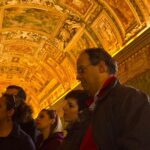
Vatican Museums are included only if you choose the option. The pass booking is set for the next available time slot during your pass validity.
Two practical constraints matter:
- The Vatican Museums are closed on Sundays.
- The time slot is predetermined based on availability within your validity window, not based on your personal preference.
If you travel during a busy period or arrive mid-week with limited flexibility, you may want to lock your optional Vatican choice early in your planning.
Colosseum area: afternoon access can be perfect
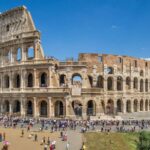
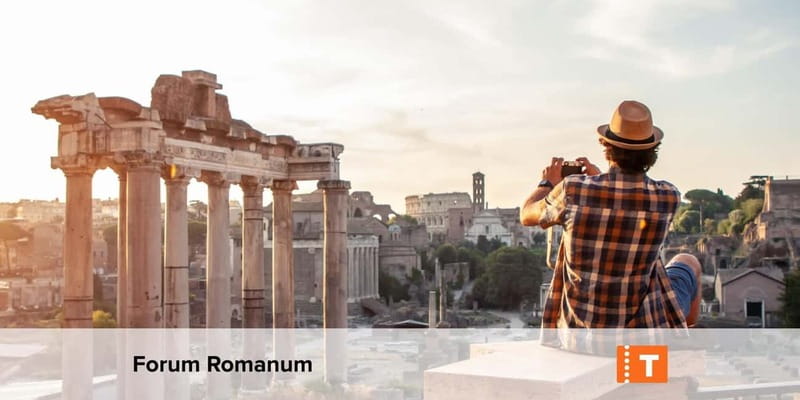
The Colosseum Amphitheatre plus Roman Forum and Palatine Hill are included as an optional add-on with PM entry. That can work really well because afternoons often reduce the pressure of staring into peak morning lines.
Still, it’s not the full-day experience for people who want every hour. It’s more like: do your morning sights, then head for the Colosseum area and let the afternoon be your big visual climax.
Real-world logistics: the one-visit rule and your pacing strategy
A key detail: each included attraction can be visited once. That matters if you’re the type who wants to repeat the Pantheon or revisit a museum because it caught your interest.
Also, the pass has no meeting point. You don’t “check in” at a kiosk. Instead, your email delivery and the attraction instructions provided with your City Pass do the job. That’s convenient, but it means you need to keep your phone charged and ready.
What to bring:
- Passport or ID card
- A charged smartphone
Before you go, make sure you can access your pass info on your phone without battery panic.
Finally, remember that public transportation (metro, buses, trams) is not included. The bus in the pass is helpful, but it won’t replace every transit need—especially for Rome outskirts stops like Ostia Antica.
Discounts that sweeten the deal
The pass includes discounts (save up to 20%) for a few items connected to the trip:
- Gelateria Della Palma (authentic Italian ice cream)
- Opera Lirica di Roma
- Rome Bike Rental
- Transfer for Castel Romano Outlet
These won’t make or break the pass value, but they’re nice touches if they match your interests. I like these add-ons because they turn “this is just tickets” into “this is also a little local nudge.”
Price and value: when the $101.59 per person makes sense
The price is listed at $101.59 per person, with validity options from 2 to 7 days. That range is important because the value depends on how many included entries you’ll realistically use.
Here’s the honest way to think about it:
- If you plan to use multiple included sights plus the hop-on hop-off bus, the pass can feel efficient.
- If you also choose the optional Vatican and/or Colosseum add-ons, the pass becomes more likely to feel like a bargain because those are the most time-sensitive and ticket-heavy experiences.
If you only want a couple of central sights, the pass might feel heavier than it needs to be. In that case, you might prefer buying individual tickets you’re sure you’ll use.
Who this Rome City Pass is best for
This pass fits best if you:
- Want a ready-made plan with lots of included entries
- Like having guided moments (catacombs, walking tour, bike tour) instead of building everything solo
- Prefer to move around with a 48-hour bus rather than relying entirely on public transit
- Are open to mixing big icons with smaller, more focused Roman sites
It may not fit as well if you:
- Want to revisit the same attraction multiple times
- Need fully flexible timed tickets for major sites
- Dislike handling transportation to out-of-town places like Ostia Antica on your own
Should you book this Rome City Pass?
Book it if you want Rome coverage that’s practical and varied, with built-in help for pacing. The combination of included entries, the guided Catacombs of St. Callistus tour, and the hop-on hop-off bus makes it feel like a sensible base plan.
Skip or reconsider if your trip is short and you only care about one or two major monuments. In that case, you may waste money on entries you won’t use, especially since each attraction can be visited once.
If you do book, choose your optional big-ticket add-ons carefully. The Vatican is closed on Sundays, and optional entry times are booked for the next available slots during your pass validity.
FAQ
FAQ
How many days is the Rome City Pass valid?
It’s valid for 2 to 7 days. Your exact starting times depend on availability for the option you choose.
Do I need to meet anyone at a specific location?
No. There is no meeting point. You receive your City Pass via email and follow the attraction information provided for each site.
Are the Vatican Museums and Sistine Chapel included?
They’re included only if you select the Vatican option. Without that option, you’ll need to purchase them separately.
Are the Colosseum, Roman Forum, and Palatine Hill included?
They’re included only if you select the optional Colosseum/Forum/Palatine Hill option, and it’s PM entry.
What transport is included with the pass?
You get a 48-hour hop-on hop-off sightseeing bus tour with an audio guide. Public transportation like metro, buses, and trams is not included.
How many times can I visit each included attraction?
Each included attraction can be visited once.
Are there any closures I should know about?
The Vatican Museums are closed on Sundays.
What do I need to bring?
Bring a passport or ID card and a charged smartphone.