REVIEW · ROME
Rome: Castel Sant’Angelo Reserved Entry
Book on GetYourGuide →Operated by Flavio's Journeys · Bookable on GetYourGuide
Rome’s fortress with layers.
This Castel Sant’Angelo Reserved Entry experience is interesting because you get priority access without a long wait, then you can wander a five-floor monument at your own speed. I especially like the mix of eras you can spot as you move up through the building, and the famous terrace views that make the effort worth it. One drawback to keep in mind: the meeting point is strict, and if the host doesn’t show right on time, you may need to contact the organizer to get your tickets.
You meet your greeter holding an RVG sign in front of the main entrance of the Lungotevere Castello, and you’re asked to arrive 15 minutes early. Since it’s self-guided (no guided narration included), you’ll want to read what’s on the walls and set aside enough time to look around—this is not a two-minute stop.
In This Review
- Key Points Before You Go
- Castel Sant’Angelo: Why This Building Feels Different
- Priority Entry: What You Gain With Reserved Access
- Where You’ll Stand: Meeting Point and the RVG Sign
- The Building Plan: Five Floors You Can Pace Yourself Through
- Hadrian’s Mausoleum Origins: What to Look For
- Papal Fortress to Papal Sanctuary: When the Job Changes
- Papal Baths of Leo X and Clement VII: Art in a Surprising Place
- Renaissance Frescoes and Weapons Displays: The Mix That Works
- The Terrace Views: Where You’ll Want to Slow Down
- Price and Value: Does $38 Make Sense?
- Who This Reserved Entry Is Best For
- Practical Notes That Save Stress
- Should You Book This Castel Sant’Angelo Reserved Entry?
Key Points Before You Go
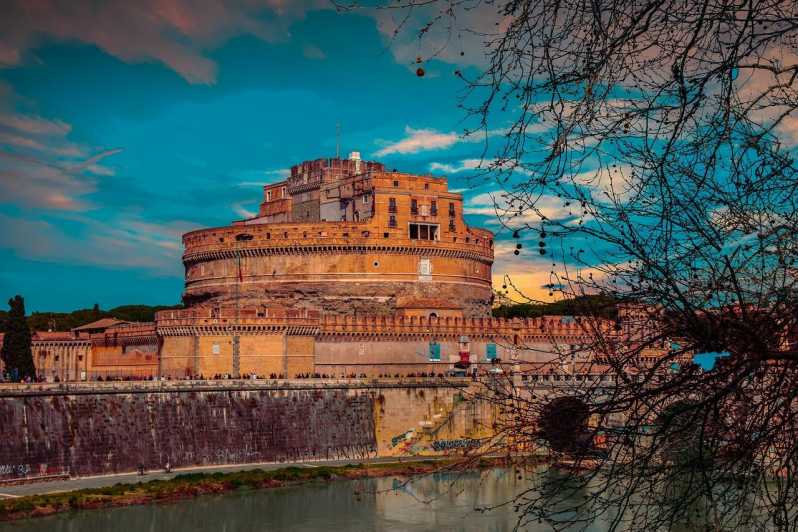
- Fast-track entry through a separate entrance: you skip the worst of the waiting game.
- Five floors of change over time: go from Hadrian’s commission to papal defense.
- Papal baths of Leo X and Clement VII: artwork details you can actually pause for.
- Weapons displays plus Renaissance frescoes: it’s a fortress that also shows off art.
- Prisoner stories inside the walls: the building doesn’t shy away from darker chapters.
- Terrace panoramas: you get a Rome view that feels earned, not rushed.
Castel Sant’Angelo: Why This Building Feels Different

Castel Sant’Angelo is the kind of place that works even if you’ve already seen a lot of Rome. It’s not just a single “moment.” It’s a structure that keeps changing its job, and you feel that shift while you walk around.
This monument was originally built as the Mausoleum of Hadrian, commissioned by Emperor Hadrian and constructed between 135 and 139 AD. Later, it was transformed into a defensive structure under the Papal state, and from the 14th century onward it served as a papal sanctuary. That layered story is exactly why a self-guided visit can work well: you can spend more time where your interests tug—art, architecture, defense history, or the darker prisoner stories.
Also, the setting helps. The castle is in Parco Adriano, so the vibe isn’t just “stone museum.” You’re still in the middle of the city, but the park space gives you a little breathing room before you step inside.
You can also read our reviews of more tours and experiences in Rome.



Priority Entry: What You Gain With Reserved Access

For this experience, what you’re buying is straightforward: fast-track entry plus a reservation/admin charge. There’s no guide included, no pickup, no food. You’re paying to make your entrance smoother.
In practical terms, reserved entry matters most when you arrive during busier hours. Even if you’re the early-bird type, the time you save can go into what you actually came for—moving at your own pace on the floors that interest you most and ending with the terrace views when your eyes and feet are ready.
The other big value is how the entry is handled. People have had an easy ticket handoff process. In some cases, tickets were provided via WhatsApp from the organization, and the communication was described as friendly. That’s a good sign for you, as long as you do one simple thing: keep your phone available and be ready to follow the host’s instructions.
Where You’ll Stand: Meeting Point and the RVG Sign
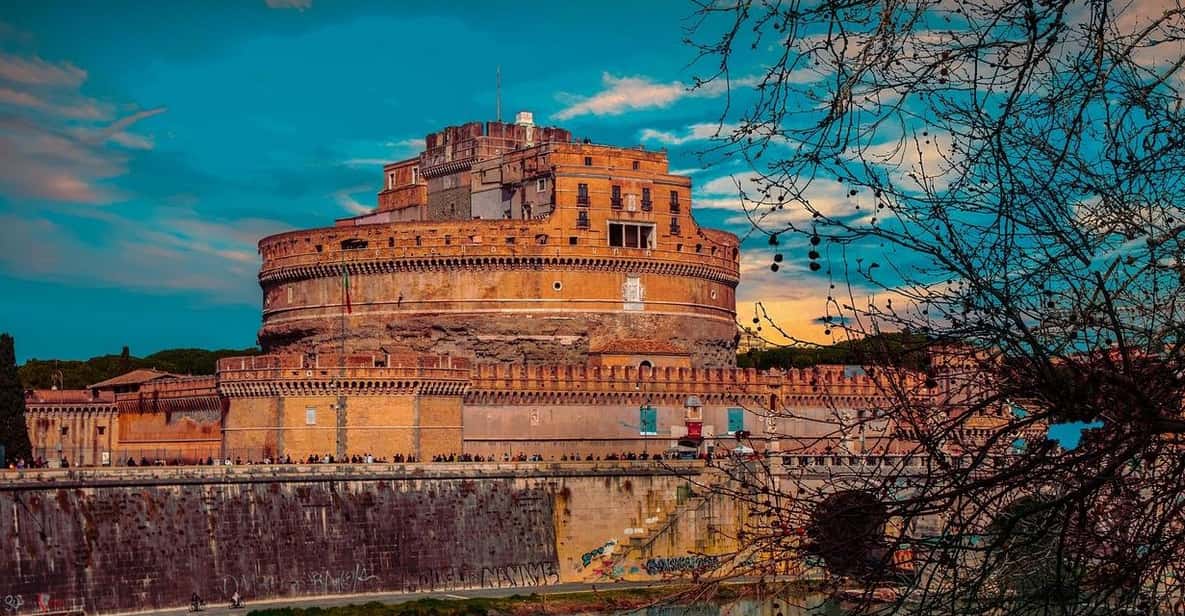
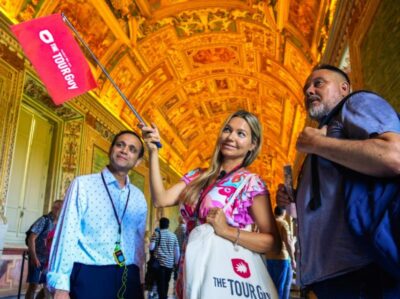
Your greeter meets you holding an RVG flag. The meeting point is in front of the main entrance of the Lungotevere Castello.
There’s a key timing rule: arrive 15 minutes before the start time. Late arrivals or no-shows aren’t accommodated, so don’t assume you can wander over whenever you feel like it. This kind of entry setup relies on the handoff happening on schedule.
One more practical note: two separate booking experiences had problems with the guide/host not showing up at the meeting point on time. In those cases, contact through the number you received by email and messaging for the tickets made the situation workable. The takeaway isn’t panic—it’s preparation. If your day includes dinner plans or a tight schedule, build in buffer time around this meeting.
The Building Plan: Five Floors You Can Pace Yourself Through
The castle has five floors, and that matters because you can choose how the visit feels.
With self-guided entry, you control your rhythm:
- If you like structure and story, you can work floor by floor, keeping the timeline in your head: Hadrian → papal fortress → papal sanctuary and defense.
- If you prefer visuals, you can slow down for the Renaissance frescoes and the decorated spaces (including the papal baths area).
- If your interest leans darker, you can target the sections that cover prisoners and the tragic fates associated with confinement inside the walls.
Because the experience is self-guided, there’s no built-in script pushing you along. That’s good for people who hate “museum sprinting.” The trade-off is that you’ll need to be your own guide: read labels, pick a couple of areas you want to look at carefully, and let the rest be flexible.
Also, you’ll see weapons. In a place like this, they aren’t just a random display. They connect directly to why the Papal state reshaped the building into a stronghold.
Hadrian’s Mausoleum Origins: What to Look For
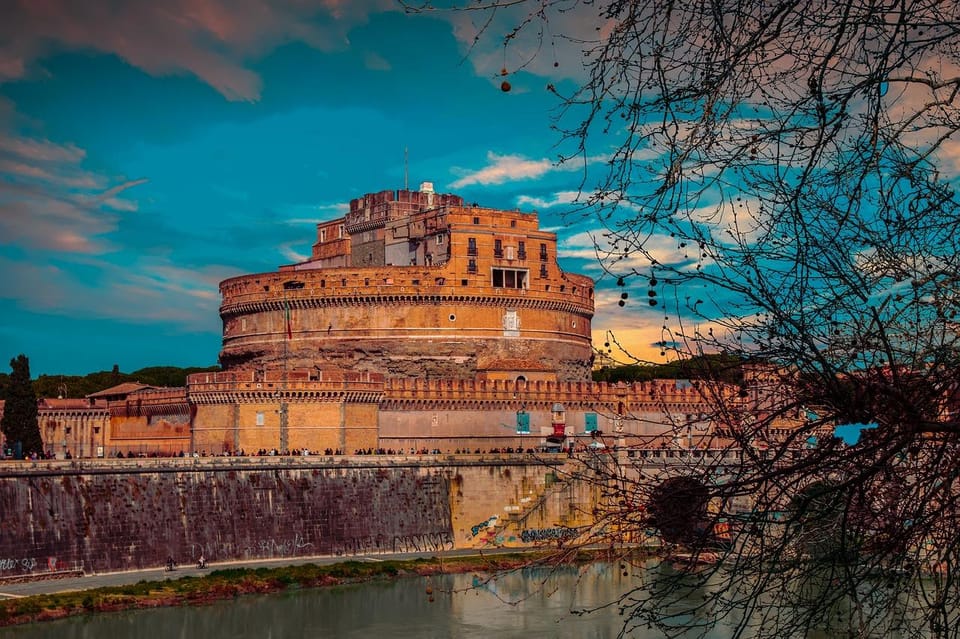
You’ll start with the sense that this building was once meant for a very different purpose. It began as Hadrian’s mausoleum, built in the late 2nd century. Then, centuries later, it became a defensive structure.
Even without a guided narration, you can spot what’s going on by watching how the building reads as you move:
- Think of the original commission as the “why” behind the structure.
- Then watch for the “how” of later modifications, especially elements that support defense.
A useful mindset: don’t treat it like a single “Roman attraction.” Treat it like a historical upgrade—each era leaving visible fingerprints.






Papal Fortress to Papal Sanctuary: When the Job Changes
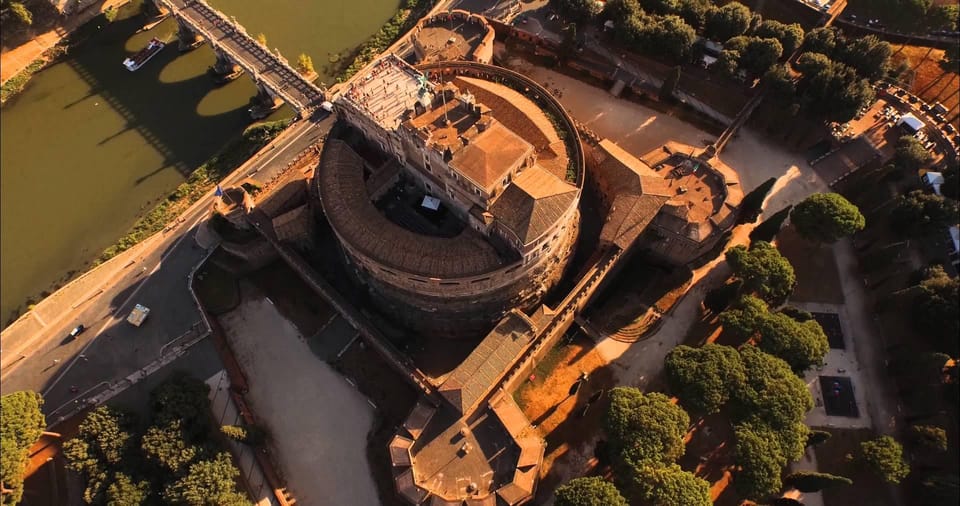
The big storyline shift is the Papal state transformation. The castle became a formidable defensive stronghold and served as a sanctuary for popes from the 14th century onward.
This is where you’ll probably feel the castle most personally. A tomb is about death and memory. A sanctuary and fortress are about survival and power. When a building changes jobs like that, the visitor experience changes too—you’ll likely find yourself paying more attention to defensive logic as you explore.
This is also where the prisoner stories come in. The experience highlights that there were various prisoners within the walls, with tragic fates. If you’re visiting with kids or you prefer lighter topics, this is the point where you might choose to spend less time here. On the other hand, if you like history with honesty, this is one of the most memorable parts.
Papal Baths of Leo X and Clement VII: Art in a Surprising Place
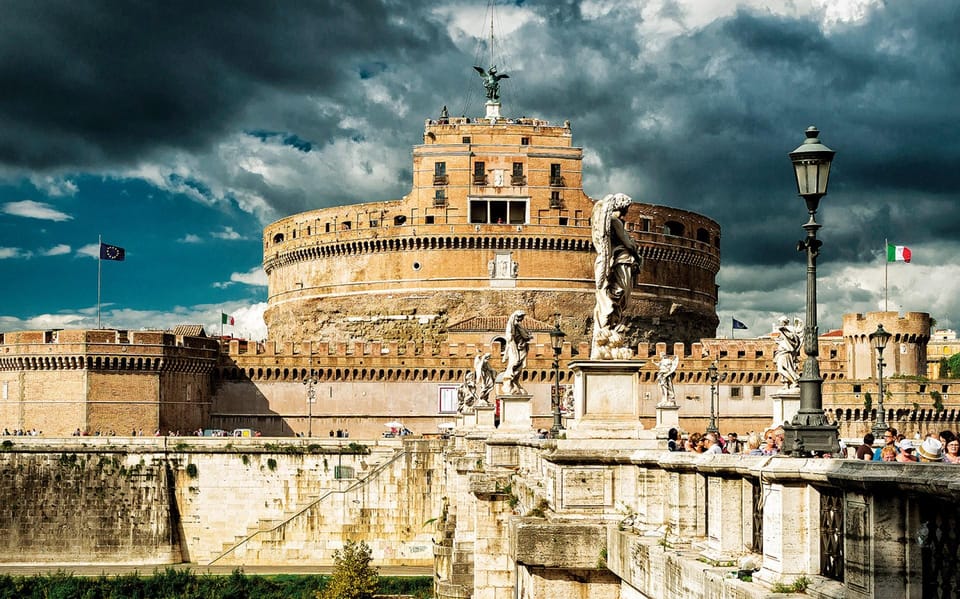
One of the most specific highlights is the painted papal baths of Leo X and Clement VII.
That detail is exactly why you shouldn’t skip the decorated areas. You might expect a fortress to be about stone and strategy. But here, you get painted spaces—showing how comfort, status, and art can exist even inside a defensive building.
As you look around, keep an eye out for the contrast:
- Fortress vibes and weapons displays in one area.
- Painted baths and frescoes in another.
It makes the castle feel human, not just historical.
Renaissance Frescoes and Weapons Displays: The Mix That Works
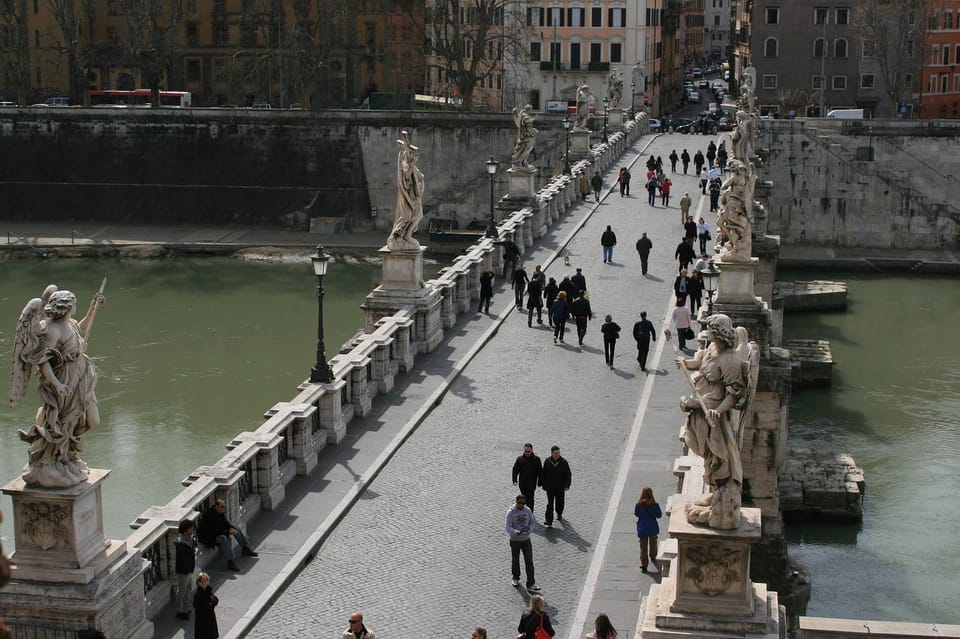
The experience notes stunning Renaissance frescoes and also weapons.
If you’re worried this will feel like a random collection, here’s how to make it connect in your head: view weapons as a reflection of function, and view frescoes as a reflection of taste and power. The castle is both a tool and a stage.
This combination is one reason self-guided works. You can linger on the art if you want, and you can skim faster on the items that don’t grab you.
The Terrace Views: Where You’ll Want to Slow Down
You’ll get panoramic views of Rome from the castle’s terrace.
If you’re thinking, I’ll just take a quick photo, consider spending a little longer than that. Terrace time is often what sticks in your memory because you finally get perspective: river curves, rooftops, and the sense of where you are in the city.
A practical tip: plan your pace so you aren’t exhausted when you reach the terrace. If you save it for the end, you’ll likely enjoy it more.
Price and Value: Does $38 Make Sense?
The price listed is $38 per person, and what’s included is fast-track entry plus reservation and administrative charges.
Is that good value? Usually, yes—if you’re the type who wants to avoid wasting time in line and you’re comfortable exploring on your own once inside.
But here’s the balanced truth: the experience does not include a guided tour, foods, drinks, or pickup/drop-off. So if you want an expert telling you what to see and when, this isn’t that product. You’ll be paying for smoother entry and access to the building, not for a narrative tour.
Also, the host meeting process matters. When things go smoothly (like easy ticket handoff and fast entry), the price feels fair. When the meeting point handoff is messy, you lose some of the value you bought.
So my rule of thumb: book it if you’re organized and independent. Consider another option if you prefer a guaranteed in-person guide escort from start to finish.
Who This Reserved Entry Is Best For
This works best if you:
- Want self-guided flexibility (no “follow the group” pressure).
- Enjoy history with visuals and you’re happy reading what’s on site.
- Prefer to control timing so you can linger at art, weapons displays, or the terrace without a schedule.
It may be less ideal if you:
- Want a guided storyteller included in the price.
- Need mobility accommodations, because this experience is noted as not suitable for people with mobility impairments and wheelchair users.
- Are traveling with pets or large bags, since pets and luggage/large bags aren’t allowed.
Practical Notes That Save Stress
Before you go, keep these practical rules in mind:
- No pets.
- No luggage or large bags.
- No mobility scooters or electric wheelchairs.
- Show up 15 minutes early at Lungotevere Castello to meet your RVG host.
Languages offered include English, Italian, Spanish, and Portuguese, which can matter if you need help with the handoff.
And one more practical mindset: since there’s no guide included, you’ll get more out of the visit if you come with a small plan. Pick one or two themes—Hadrian origins, papal fortress history, papal baths, frescoes, prisoner stories—and let those choices steer your time.
Should You Book This Castel Sant’Angelo Reserved Entry?
Book it if you want a smooth entrance and you’re happy exploring on your own inside a building that changed roles across centuries. The fast-track entry, the five-floor format, and the mix of art (including Leo X and Clement VII baths and frescoes) with weapons and prisoner stories make it a strong match for independent travelers.
Skip or reconsider if you strongly prefer an in-person guide experience, or if your day is so tight that a meeting-point hiccup would throw you off. The monument is worth seeing, but this product is mainly about entry and access—not guided interpretation.
If you do book, do it smart: be early for the RVG meeting, keep your phone handy for ticket handoff instructions, and reserve enough time so the terrace views aren’t a sprint at the end of the day.