REVIEW · ROME
Rome: Capitoline Museums Percy Jackson Mythology Tour
Book on GetYourGuide →Operated by Kids Raphael Tours And Events · Bookable on GetYourGuide
Mythology in Rome feels closer than you think. This 2.5-hour Percy Jackson–style tour turns the Capitoline Museums into a kid-friendly walk through gods, monsters, and famous artworks.
I like that you get both major museum highlights and mythology characters your kids actually recognize, like Jupiter, Athena, Ares, Medusa, and Polyphemus. You’ll also meet satyrs and other strange creatures tied to Greek and Roman stories.
The main thing to consider is that it’s a walking tour with stairs up from Piazza Ara Coeli, so comfy shoes matter.
In This Review
- Key things to know before you go
- Starting on Capitoline Hill: Piazza Ara Coeli to Piazza del Campidoglio
- Skip the line and step into Rome’s top museum mood
- The bronze She Wolf and the art that made Rome feel like a myth
- Myth characters in the galleries: gods, monsters, satyrs, and unusual beasts
- A peek at Roman life: ancient games and a combatant’s tomb
- “Ancient timetables” and the little details that make Rome feel real
- What “multimedia tools” means for families
- Tour pacing, group size, and how much you’ll actually see
- Price and value: is $243.56 per person worth it?
- What to bring (and what to leave behind) for an easy museum visit
- Who this tour suits best
- Should you book the Rome Capitoline Museums Percy Jackson Mythology Tour?
- FAQ
- How long is the Capitoline Museums Percy Jackson Mythology tour?
- Where does the tour start?
- Does this tour include museum tickets?
- What languages is the live guide offered in?
- Is this a private tour?
- What is included in the price?
- What should I bring with me?
- What’s not allowed during the tour?
Key things to know before you go
- Capitoline Hill + Michelangelo’s design backdrop sets the stage before you even start museum time
- Skip-the-ticket-line entry helps you use more of your 2.5 hours seeing, not waiting
- A specialized guide for children links Roman art to the Percy Jackson–style characters kids know
- Multimedia tools keep the story moving for the whole family, not just quiet art-lovers
- You’ll spot recognizable masterpieces: the bronze She Wolf, Boy with Thorn, and more
- This is a private group, so pacing can feel calmer than a big-group scramble
Starting on Capitoline Hill: Piazza Ara Coeli to Piazza del Campidoglio
I love how this tour begins with the landscape, not the tickets. You start by climbing the steps from Piazza Ara Coeli to Piazza del Campidoglio, then you meet at the statue of Marcus Aurelius riding a horse in the middle of the square. It’s a smart warm-up: you’re standing on one of Rome’s most storied hills while the guide gets everyone oriented.
From there, you’re already in the “why this place matters” mood. The Capitoline area isn’t just a museum address; it’s a historical stage where major Roman power and later art and architecture overlap. And since the tour is family-focused, that setting helps kids grasp the big idea: ancient stories didn’t happen in a vacuum. They lived in real spaces.
Practical tip: plan for walking and steps from the start. Even if the museum portion is the draw, your legs will feel it from the opening climb. Bring your most comfortable shoes.
You can also read our reviews of more museum experiences in Rome



Skip the line and step into Rome’s top museum mood

The Capitoline Museums are often described as standout ancient-art spaces, and this tour leans into that fast. You get entrance fees included and you skip the ticket line, which matters in Rome where queues can steal your energy.
Inside, you’re not handed a lecture. The tour is built around a story-and-art connection, aimed at kids but still interesting if you’re going with adults who want the facts. A specialized guide for children uses the mythology thread—Greek and Roman gods and monsters—then ties that to what you’re seeing on the walls and floors.
Here’s what I think makes this format work: you’re not just “viewing statues.” You’re learning names and roles in mythology, then watching how those characters show up in Roman and Greek art. That connection sticks better than random facts, especially for families.
The bronze She Wolf and the art that made Rome feel like a myth
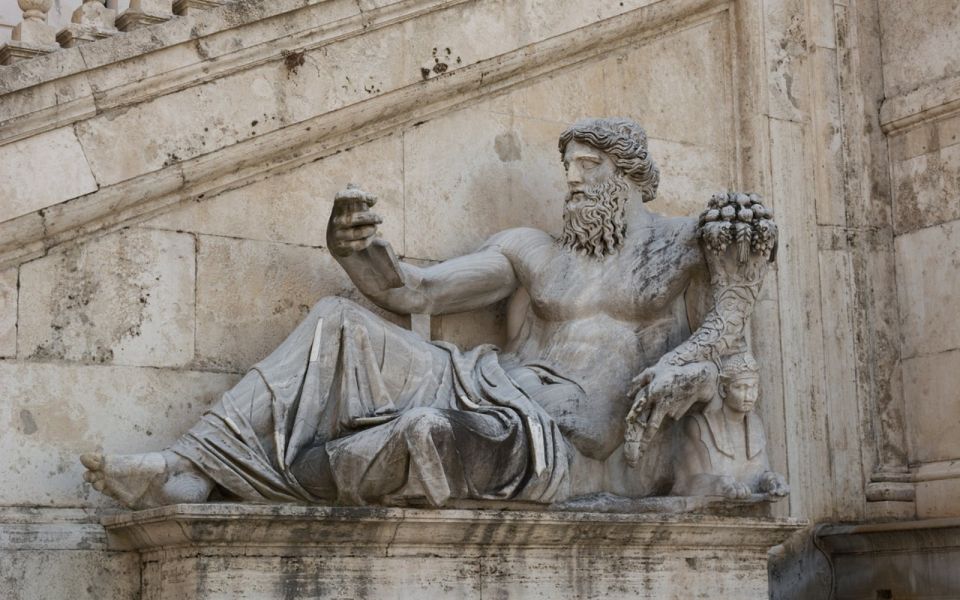
One of the best early anchors is the famous bronze She Wolf. It’s one of those images that shows up in pop culture and school books, but seeing it in a museum setting helps you understand why it became such a powerful symbol. For a family tour, it’s perfect: it’s recognizable, it’s dramatic, and it’s tied to the broader idea of Rome constructing its own legends.
From there, the tour points you toward other major works you can’t fake. You’ll also see the image of Rome, the portrait of Emperor Constantine, the Boy with Thorn, the bust of the Poet Homer, and more notable figures like Hercules and Venus. Even if you don’t memorize every name, you start to notice a pattern: ancient artists loved using gods and legendary heroes to explain the world—power, beauty, virtue, danger.
What I like most is that the guide connects these works to the story cast you’re hearing about. So instead of Hercules being just a sculpture, he becomes part of the mythology conversation. That’s the difference between “I walked through a museum” and “I actually learned something.”
Myth characters in the galleries: gods, monsters, satyrs, and unusual beasts
This tour’s mythology focus is built for kids, but it doesn’t treat mythology like a childish add-on. You’ll learn about many of the core characters from Greek and Roman stories that show up in the more mainstream books kids know—so the guide can use familiar roles to explain what you’re seeing.
You can expect to encounter mythology highlights that include:
- Polyphemus (the Cyclops)
- Medusa (the terrifying figure)
- Jupiter (Roman for Zeus, the all-powerful god figure)
- Athena (goddess of strategy and wisdom)
- Ares (god of war)
- Satyrs and other strange creatures
This matters because myth stories can feel scattered when you read them at home. A good guide ties characters together by explaining how Roman art and Greek storytelling overlapped. You start seeing the same themes in different forms: monsters for fear and warning, gods for power and personality, heroes for strength and consequences.
And yes, the tour also calls out different baffling animals you’ll meet along the way. That’s a playful way of saying: museum art includes hybrids, symbols, and myth creatures that don’t behave like modern animals—and that’s exactly why kids usually pay attention.
A peek at Roman life: ancient games and a combatant’s tomb
One of the most interesting parts for me is when the tour shifts from myth characters to how people lived with those stories. You’ll see how the ancient Romans used to play—so the mythology isn’t just entertainment; it’s tied to daily culture and values.
The tour also mentions a genuine tomb of a combatant. That kind of stop changes the tone. Instead of only thinking about gods and monsters, you’re reminded that Rome was full of real bodies, real violence, and real status. A combatant’s tomb pulls the history thread down from legend to lived experience.
If you’re with kids, this is where the guide’s “specialized for children” approach helps. The story can stay age-appropriate while still making it clear that ancient art often held personal meaning: honor, memory, identity.




“Ancient timetables” and the little details that make Rome feel real
This tour also points out more than just statues. You’ll decode antiquated timetables during the visit. I like when museum tours do this, because it teaches you to see the museum as a collection of information—not just objects.
Even without getting technical, you learn how Romans organized time and routines. That kind of detail helps kids understand that history wasn’t one big fantasy adventure; it was real scheduling and real systems.
Then you return to the art again, so you get a balance: myth stories plus everyday structure. That’s a big part of why this sort of tour works better than a straight walkthrough.
What “multimedia tools” means for families
The tour includes a range of multimedia tools, designed to help the entire family. That’s important because museum time is hard. Kids get bored faster than adults, and adults can get bored if the museum becomes only a voice in the dark.
So the toolset helps keep attention on what you’re seeing right now. It also supports a guided story pace: stop, explain, connect to mythology, then move on. In a 2.5-hour format, that pacing is everything.
Also, languages include English and Italian. If you’re traveling with Italian-speaking family members, it can keep everyone participating instead of splitting off into separate explanations.
Tour pacing, group size, and how much you’ll actually see
This is a private group, and that’s a real quality-of-life perk. You’re not stuck with a loud herd moving on someone else’s timetable. Instead, the guide can keep things moving in a way that suits your family’s energy level.
Duration is listed as 2.5 hours, and you’ll want to treat that as a sweet spot. Long enough to get meaningful museum highlights, short enough that kids usually don’t melt down at the two-hour mark. Still, you’re looking at a concentrated walk through galleries and viewpoints.
At the end, the tour activity ends back at the meeting point, so there’s no extra shuffle across town after you’re done.
Price and value: is $243.56 per person worth it?
At $243.56 per person, this isn’t the cheapest way to see the Capitoline Museums. But the value comes from the way it’s packaged, not just the museum itself.
Here’s the value logic I’d use:
- You’re paying for skip-the-line entry plus a professional guide. In Rome, time savings can be money, especially for families.
- Entrance fees and gratuities are included, so you’re not surprised by add-ons.
- The biggest difference is the focus: this is not a generic adult museum tour. It’s built for children with mythology content and multimedia tools that keep attention engaged.
If your group is traveling with kids who get excited by mythology characters—Medusa, Polyphemus, Jupiter, Athena—this kind of guided story can turn “museum day” into a memorable afternoon. If you and your kids prefer to wander independently and read on your own, you might feel this price is steeper than necessary. But if you want a structured, family-friendly route with a guide who explains what matters, it can be a good buy.
What to bring (and what to leave behind) for an easy museum visit
For this tour, bring:
- Passport or ID card
- Comfortable shoes (you’re walking and starting with steps)
Plan to leave behind:
- Pets
- Luggage or large bags
This matters because museums can be strict, and a clean, lightweight day makes it easier to follow the guide without delays.
Who this tour suits best
I’d point this tour toward:
- Families with kids who like mythology and stories connected to Percy Jackson–style characters
- Parents who want art and history, but also want a plan that keeps kids engaged
- Travelers who prefer private-group pacing over crowd herding
- Anyone who likes a museum tour that connects famous artworks to recognizable characters instead of only dates and labels
If your group is mostly adults who want a deep, scholarly art focus with minimal story elements, you might find the mythology emphasis the main difference. But for mixed ages, that myth-art blend is often exactly what keeps everyone smiling.
Should you book the Rome Capitoline Museums Percy Jackson Mythology Tour?
If you want a museum visit that feels like a guided story—where the bronze She Wolf, Constantine portrait, Homer bust, and big myth names like Medusa, Jupiter, and Athena are tied together—then I think it’s a smart booking. The skip-the-line setup, 2.5-hour length, and private group feel make it easier to manage with kids.
I’d hold off if your priority is purely self-guided museum wandering, or if your group hates stairs and walking. But for most families, this is a fun, practical way to see major Capitoline highlights while learning Greek and Roman mythology in a way kids can follow.
If you book it, show up ready to walk the hill at the start—then enjoy the payoff: Rome’s top artworks paired with the myth cast your kids already care about.
FAQ
How long is the Capitoline Museums Percy Jackson Mythology tour?
It lasts about 2.5 hours.
Where does the tour start?
You start by climbing the steps from Piazza Ara Coeli to Piazza del Campidoglio and meet at the statue of Marcus Aurelius riding a horse in the middle of the square.
Does this tour include museum tickets?
Yes. Entrance fees are included, and the tour also offers skip-the-ticket-line entry.
What languages is the live guide offered in?
The live tour guide is available in English and Italian.
Is this a private tour?
Yes. The group type is private.
What is included in the price?
Included items are entrance fees, gratuities, a professional guide, and a walking tour.
What should I bring with me?
Bring a passport or ID card and comfortable shoes.
What’s not allowed during the tour?
Pets are not allowed, and luggage or large bags are not allowed.