REVIEW · ROME
Rome: Angels and Demons, the illuminati path
Book on GetYourGuide →Operated by Happy walks · Bookable on GetYourGuide
Rome gets weirder on this book-route. This Angels and Demons style walk strings together big Roman landmarks with story-flavored symbolism, from Vatican power to baroque drama. It’s a fast-hit tour built for people who like their sightseeing with a side of puzzle-solving.
Two things I really like here. First, you get St. Peter’s Square and the Vatican area framing the story at the source, then you move on to other heavyweight sights like the Pantheon. Second, the small group size (up to 10) means the guide can actually answer questions without the tour turning into a whispering parade.
One drawback to consider: the experience depends heavily on the guide and pacing. Some bookings reported more walking than story details, and even English that didn’t land smoothly. Also, a timing mismatch can happen, so don’t plan a tight connection right after.
In This Review
- Key things to know before you go
- Why this Angels and Demons route feels different from a normal Rome walk
- St. Peter’s Square and the Vatican start: where the story kicks off
- Castel Sant’Angelo: the fortress-by-the-river stop that drives tension
- Piazza Navona and the Four Rivers Fountain: baroque theater in daylight
- Pantheon: the dome you feel in your chest
- Santa Maria della Vittoria and Bernini’s Ecstasy: the emotional finale
- Price and logistics: value for $66 and how the two hours work
- The guides: what “good” looks like on this tour
- Who should book this (and who might not love it)
- Tips to make your 2-hour day smoother
- Should you book the Angels and Demons illuminati path?
- FAQ
- How long is the tour?
- What is the meeting point?
- Where does the tour end?
- Is transportation included?
- Is food included?
- What languages are the guides?
- What’s included in the ticket price?
- Is the tour suitable for wheelchair users?
- Can I get a refund if my plans change?
Key things to know before you go
- A story-driven route across major Rome icons that still includes real art and symbolism
- Small group (max 10), which helps with questions and keeping the pace human
- Two-hour timing means photo stops are real, but you won’t linger long at each site
- English and Italian guides are available, but quality can vary by departure
- Water included, but you’ll want your own snack/meal plan
- Not wheelchair-friendly, since it’s a walking route
Why this Angels and Demons route feels different from a normal Rome walk
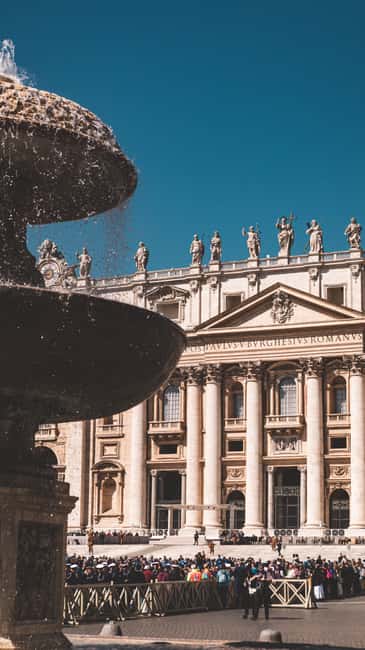
If you’re into Dan Brown’s universe, Rome can feel like a stage set. This tour leans into that, but it doesn’t treat the landmarks like props only. You spend your time connecting the dots between famous buildings and the kinds of symbols that people love to argue about: authority, secrecy, power, and faith.
The real value for me is the mix. You’re not just ticking off famous stops. You’re walking through Rome’s visual language—obelisks, domes, baroque sculpture, and grand squares—and learning how those shapes and artworks earned their reputation over centuries. Even if you’re not chasing Illuminati lore, the route still hits Rome’s “how did they build this?” highlights.
It’s also practical. At $66 for a 2-hour, small-group guided walk, you’re paying for guidance and time efficiency more than for ticketed sightseeing. If you want a slow, deep museum day, this isn’t that. If you want a focused hit of iconic Rome with narrative flavor, it works.
You can also read our reviews of more tours and experiences in Rome.



St. Peter’s Square and the Vatican start: where the story kicks off
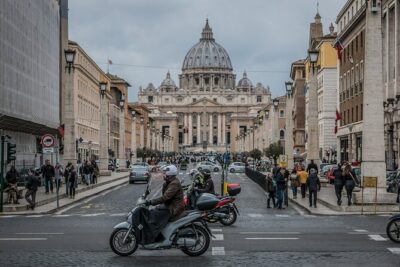
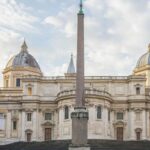
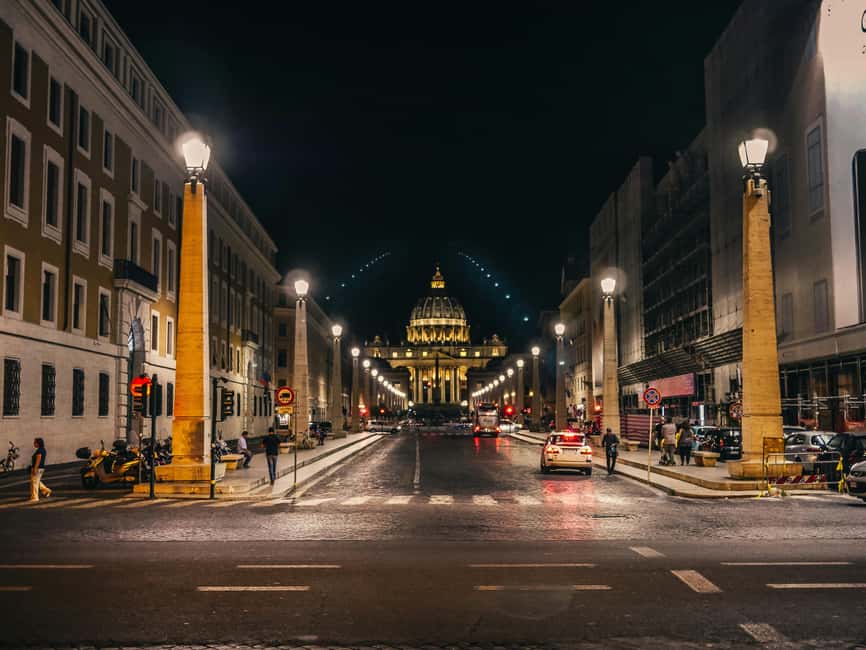
You meet at Obelisco in Piazza San Pietro in front of St. Peter’s Square. That’s a smart starting point because the square is designed for drama—wide sightlines, big geometry, and the kind of visual push that matches high-stakes story moments.
From here, the tour frames the space as the spiritual and symbolic heart of the Vatican. You’ll stand where the scene-setting matters, and your guide brings in the “why it looks like this” angle: how Bernini’s famous design turns the square into an audience stage.
In the brighter side of the reviews, guides were often described as patient and engaging, including with kids. That matters at the Vatican because it can be tempting to rush. If your guide is strong, you’ll leave with a clearer sense of what you’re seeing and why it’s been such a magnet for artists and power.
What to watch for: this part is intense. If your pacing expectations are off—say, if your guide keeps it very short—you might get big views but not many story specifics. So if Angels and Demons plot detail is your top priority, keep an eye on how much your guide talks during this opening stretch.
Castel Sant’Angelo: the fortress-by-the-river stop that drives tension
Next comes Castel Sant’Angelo, the river-hugging fortress that feels more like a character than a building. You’ll get a photo stop plus guided time (about 15 minutes in the plan).
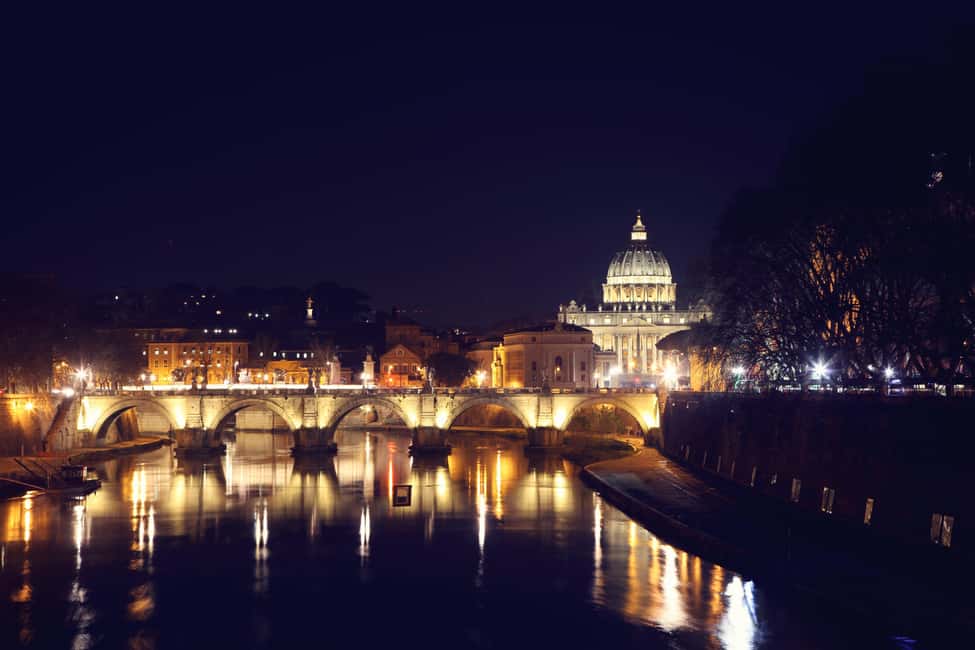
Why it matters: the structure’s whole vibe is control—walls, height, and a strategic position over the Tiber. In story terms, it’s the place you associate with hiding and escape. In real-world terms, it’s a reminder that Rome’s power has always been physical.
Also, from a travel standpoint, this stop is valuable because it shifts you out of “square sightseeing mode” and into a more layered cityscape. You’re still in the city center, but the sights start to feel more cinematic and less tour-bus checklist.
Practical note: it’s a walking tour, and Rome’s ground can be uneven in places. Wear shoes that don’t hate stairs or cobblestones, and you’ll enjoy the fortress views more.
Piazza Navona and the Four Rivers Fountain: baroque theater in daylight
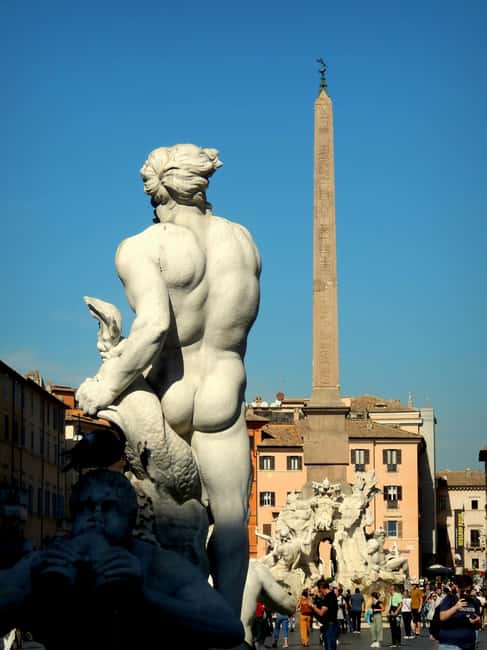
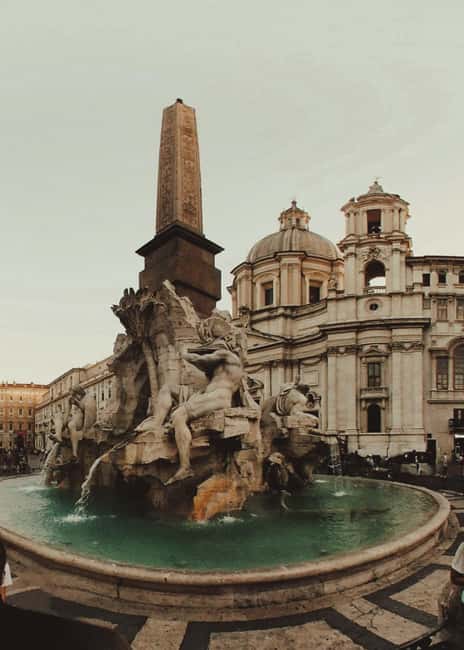
Then you reach Piazza Navona, one of Rome’s iconic squares, known for looking like it’s always mid-performance. The plan includes time for a photo stop and a short guided segment around the heart of the square.
The highlight is Bernini’s Fountain of the Four Rivers. If you only know it from photos, see it in person and you’ll understand why people go quiet around baroque sculpture. The fountain doesn’t just sit there—it commands attention with its dramatic forms and storytelling details.
This is one of the stops where narrative works really well. A fountain can feel like decoration until someone points out the symbolism and the way Bernini structured the scene. It’s also a nice change from the Vatican mood: Piazza Navona feels more human-scale, more street-life, more “this is Rome.”
Watch your timing: the tour is only 2 hours. That means Piazza Navona is meaningful, but you won’t have hours to linger. If you’re the kind of traveler who wants to study sculpture for 45 minutes, you may want to leave time after the tour to come back on your own.
Pantheon: the dome you feel in your chest
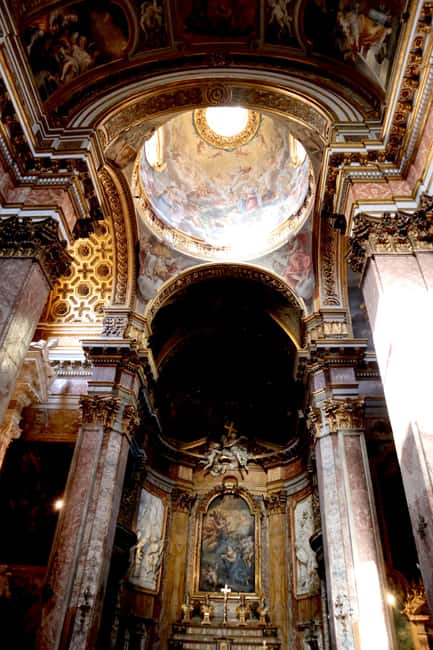
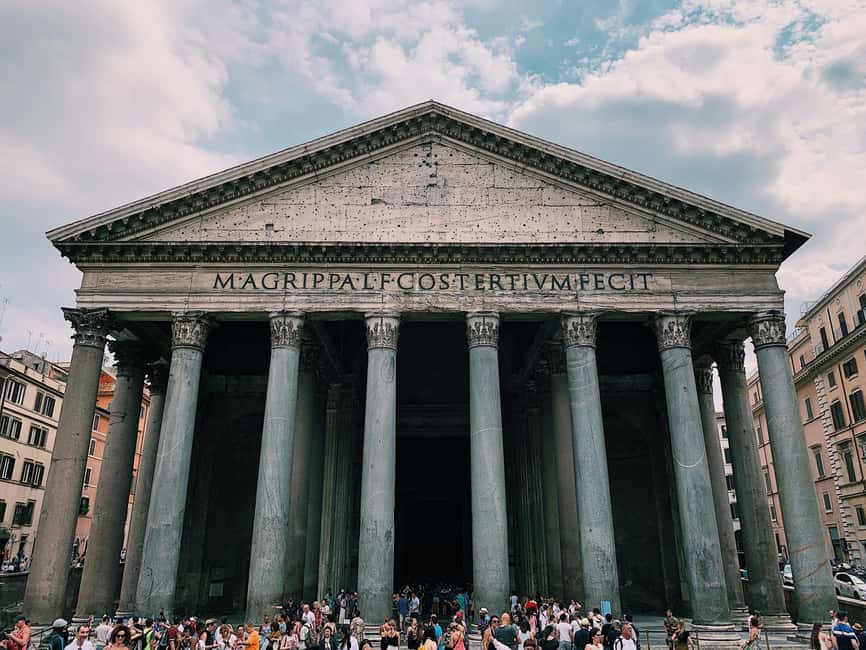
The tour heads to the Pantheon, and this is the kind of stop that works for everyone, even people who don’t care about the story angle. You’ll get time for viewing and guidance (about 15 minutes), with attention to what makes the Pantheon unmistakably Roman.
The plan specifically points you to Agrippa’s connection and the Pantheon’s legends. Then you get a look at the interior, including that famous dome that seems too perfect to be real.
Here’s why this stop is worth your effort: the Pantheon isn’t just pretty. It’s a masterclass in space. Even in a quick visit, you can feel the geometry doing its job—light, proportions, and that wide-open “roof” feeling inside.
Possible drawback: if your guide spends more time on lore than on the building itself, you might miss the Pantheon’s strongest teaching moment: how the dome and interior light shape your experience. If you love architecture, make sure you’re getting time to look up and slow down at least a little while you’re there.





Santa Maria della Vittoria and Bernini’s Ecstasy: the emotional finale
The tour ends with Santa Maria della Vittoria, a famous baroque church linked to Bernini’s Ecstasy of Saint Teresa. You’ll have around 20 minutes here, with photo stop and guided viewing.
This is a great way to close because the artwork is pure emotion. You’re not staring at a cold monument. You’re seeing movement captured in stone—faces, expressions, and theatrical composition that makes the church feel like it’s telling a story even when you don’t know the background.
From a travel-writer angle, I love that the tour chooses a finale that isn’t just another wide square photo. It gives you a chance to experience Rome as art, not just architecture and views.
What to expect: if your guide is strong with the story-and-art connection, this last stop can tie the whole walk together: faith, symbolism, and the way Rome’s artists made ideas visible.
Price and logistics: value for $66 and how the two hours work
At $66 per person for 2 hours with a live guide, this is priced like a focused city walk. The included items are simple: a bottle of water and exterior visits (with the day’s plan also calling for guided time inside at least for parts like the Pantheon and church viewing).
So you’re paying mainly for:
- expert guidance that connects sights to symbolism and story beats
- time-saving routing between central locations
- the small group advantage (max 10)
Transportation and food are not included, so plan on using your own legs (and possibly your own snack budget). Since the walk is short, it’s smart to eat before you go unless you enjoy touring with a growling stomach.
One more logistics reality check: some bookings reported timing surprises and even meeting point confusion. To avoid stress, arrive a bit early at Obelisco in Piazza San Pietro and be ready to start on time.
The guides: what “good” looks like on this tour
The reviews point to a clear pattern: the best outcomes come when the guide is calm, patient, and willing to answer questions. One guide named Felice was highlighted as an excellent match—answering many questions patiently and handling a 10-year-old in a way that kept them engaged.
That’s not a small detail. Rome history can be heavy for kids, and Vatican-area sightseeing can be even harder. A guide who can translate Rome’s symbols into plain language changes the whole feel of the walk.
On the other hand, there are also comments about inconsistent emphasis on Angels and Demons specifics and an experience that felt more like walking than storytelling. That’s why I’d frame this tour as: the sights are guaranteed, but the story intensity might vary by guide and departure.
Who should book this (and who might not love it)
You’ll probably be happy with this tour if:
- you’re an Angels and Demons fan who wants an action-style route through the classics
- you like big-picture highlights over museum-depth
- you enjoy guides who connect art + symbolism, not just dates and facts
- you want a short 2-hour plan that gets you oriented in central Rome
You might want to skip or adjust expectations if:
- you need lots of plot detail and uninterrupted story time
- you hate fast pacing and photo-stop intensity
- you’re planning a tight schedule right after (timing may not match your ideal)
And one more thing: it’s not suitable for wheelchair users, so plan another option if mobility is an issue.
Tips to make your 2-hour day smoother
A couple small moves can help you get more out of every stop:
- Bring comfortable shoes. This is a walking route across major central sights.
- Bring a camera plan. Since stops are short, decide which angle you want before you pull out your phone.
- If Angels and Demons lore is your priority, ask your guide at the start how much time they’ll spend on it versus art/architecture.
- At the start, be at the Obelisco meeting point early. Central Rome meeting points can be easy to mix up.
Should you book the Angels and Demons illuminati path?
I’d book it if you want a lively, guided sampler of Rome’s most famous landmarks, with a narrative thread you can follow. The route is strong on iconic stops—St. Peter’s Square, Castel Sant’Angelo, Piazza Navona, the Pantheon, and Santa Maria della Vittoria—and when the guide is on form, it becomes a fun mix of story, symbolism, and real artistic ideas.
I wouldn’t book it blindly if you’re very sensitive to timing, or if you expect a deep, plot-heavy experience at every site. The tour can range from story-rich to more general, depending on the guide and how they pace the group.
If you’re flexible and show up ready to walk, this is a good value way to see central Rome with an added layer of intrigue.
FAQ
How long is the tour?
The tour lasts 2 hours.
What is the meeting point?
You meet in front of the Obelisco in Piazza San Pietro.
Where does the tour end?
The tour finishes in the Repubblica area.
Is transportation included?
No. Transportation is not included.
Is food included?
No. Food is not included.
What languages are the guides?
The live tour guide is available in English and Italian.
What’s included in the ticket price?
You get a bottle of water and exterior visits.
Is the tour suitable for wheelchair users?
No, it is not suitable for wheelchair users.
Can I get a refund if my plans change?
Yes, there is free cancellation up to 24 hours in advance for a full refund.