REVIEW · ROME
Roman Walkin Foodies Tour
Book on Viator →Operated by Walkingourmet · Bookable on Viator
A good food tour in Rome is really about pacing. This one pairs Roman tastings with landmark sightseeing in about 3 hours. You get a plan built for time-pressed people: the bites are chosen, and you’re guided through a historical route in the city center.
I also like the practical value: lunch plus coffee/tea and bottled water are included in the $118 price. And guides like Vanessa and Sabina get praised for keeping the walk lively and the stops well-timed, so you’re not stuck waiting around. One thing to consider: you’ll be walking, so you’ll want comfortable shoes and a bit of stamina, especially if you’re traveling with limited mobility.
In This Review
- Key highlights you’ll feel right away
- Why this 3-hour walk-food tour works in Rome
- Price and included value: $118 for lunch, coffee, and water
- The Campo de’ Fiori start: getting your bearings fast
- Antico Quartiere Ebraico and Fontana del Monte di Pieta: history with food logic
- Piazza Farnese to Via del Governo Vecchio: sightseeing while you eat
- Rione Parione and Largo Argentina: where the city feels like it has corners
- What the private guide experience really changes
- Food focus: what you’re tasting (and how to get the most out of it)
- How to plan your day around this walk
- Who this tour suits best (and who should reconsider)
- Should you book this Roman Walkin Foodies Tour?
- FAQ
- How long is the Roman Walkin Foodies Tour?
- What does the $118 price include?
- Does the tour include alcohol?
- Is this tour private?
- Where does the tour start?
- What if plans change—can I cancel?
Key highlights you’ll feel right away
- A private walk-food format that keeps attention on your group
- Lunch + coffee/tea + water included, so you can budget calmly
- City-center landmarks worked into the snack stops, not pasted on afterward
- Off-the-beaten-path dining areas many first-timers skip
- Easy start point at Campo de’ Fiori with an efficient route back
Why this 3-hour walk-food tour works in Rome
Rome can eat up your day fast—lines, transfers, and decision fatigue. What I like about this format is that it’s built to stop that spiraling. Instead of you spending hours hunting for places, the tour brings the food to you, while the guide keeps the route moving through recognizable sights and lesser-visited pockets.
It’s also a smart length. Around three hours is long enough to leave with a real sense of Roman eating habits, but short enough that you can still enjoy the rest of your day—maybe a museum, maybe a gelato crawl, maybe just wandering without the pressure of a hard schedule.
And because it’s private, the pace doesn’t have to be “tour-bus fast.” You can usually move at a human speed: walk, pause, taste, listen, repeat.
You can also read our reviews of more tours and experiences in Rome.



Price and included value: $118 for lunch, coffee, and water
At $118 per person, you’re paying for more than bites. You’re paying for a guided route, pre-selected tastings, and the convenience factor of getting food handled in a tight window.
Here’s what’s actually included:
- Lunch
- Coffee and/or tea
- Bottled water
Alcoholic beverages are not included, which I think is a good thing for most people. It keeps the tour focused on food, and it makes costs easier to control. If you want wine later, you can choose it on your own terms.
So how do you judge the value? Think this way: if you’d otherwise spend money on a guided experience plus at least one sit-down meal, this is less about “cheap street food” and more about a packaged, reliable Roman meal education. And since it’s offered in English and designed for groups to move together, it’s a nice option when you want guidance without the big, intimidating tour-machine vibe.
The Campo de’ Fiori start: getting your bearings fast
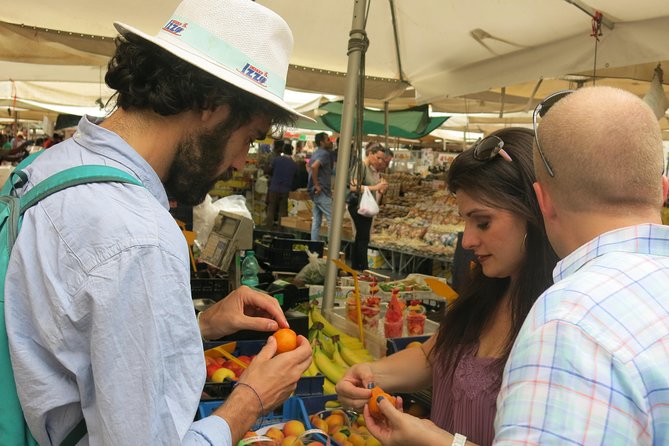
The walk begins at Piazza Campo de’ Fiori, a lively central square that’s great for kicking things off. You’ll start in a place many visitors recognize, but the real payoff comes as the route shifts away from the obvious tourist lanes and into neighborhoods that feel more local.
This start location matters because it reduces travel friction. You can usually reach it easily with public transportation, and starting in a central hub also makes it simpler to pair the tour with your other plans before or after.
Expect the first stretch to feel like a warm-up: you’ll get the rhythm of the tour—walk, stop, taste, brief context—so you’re not yet tired when the route begins to get interesting.
Antico Quartiere Ebraico and Fontana del Monte di Pieta: history with food logic
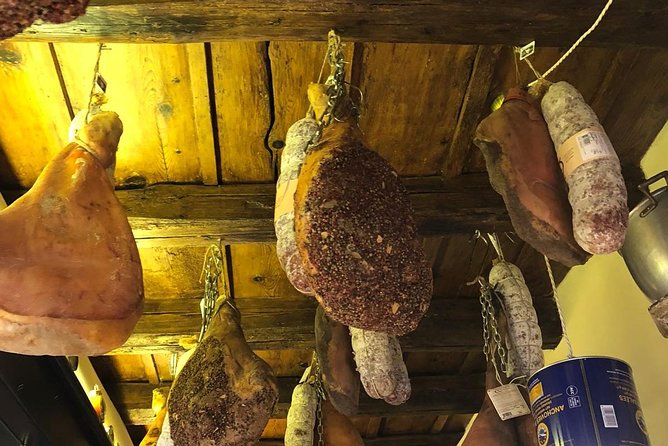
One of the best parts of this tour is how it blends “where you are” with “what you’re eating.” The stops include the Antico Quartiere Ebraico and the Fontana del Monte di Pieta area. Those names might not mean much on a first read, but in practice they set the tone: Rome isn’t only monuments. It’s also streets, communities, and layered urban life.
What this does for you:
- It turns a food walk into a sense-making walk.
- It helps you understand why certain areas feel different in texture and vibe.
- It keeps the guide’s commentary moving alongside the tastings, instead of stopping completely between landmarks.
A small practical consideration: these areas can involve uneven sidewalks and short stretches of uphill-or-downhill depending on the exact route your guide chooses. Nothing extreme is promised, but comfortable shoes are truly the right call.
Piazza Farnese to Via del Governo Vecchio: sightseeing while you eat
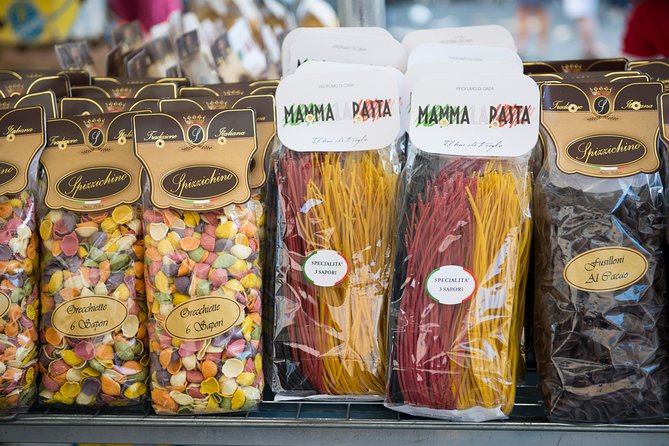
You also pass through Piazza Farnese and then move toward Via del Governo Vecchio. This is where the tour starts to feel like a greatest-hits Roman walk, but without turning into a high-speed “see it, move on” checklist.
Why this middle section is a sweet spot:
- You get landmark energy (the kind you recognize and photograph) while your schedule stays food-focused.
- The tastings break up the walking, so you don’t feel like you’re marching through sights on empty fuel.
- The guide can weave in context that makes the streets feel more readable.
If you’re the type who gets overwhelmed by too much information, don’t worry. The pace is designed around stops and tastes, so the commentary doesn’t pile up like a lecture. It’s more like: you’re walking, your brain relaxes, you snack, you learn a bit, you move again.



Rione Parione and Largo Argentina: where the city feels like it has corners
The itinerary continues through Rione Parione and reaches the Area Sacra di Largo Argentina. These are the kinds of stops that reward slow attention. Even if you’ve seen plenty of Roman ruins and big-name squares, this section has a different feel: it’s about urban detail and recognizable Rome in a more intimate setting.
What you’ll like if you like “authentic” experiences in practice:
- You’re not just hitting the easiest viewpoints.
- You’re walking through the city center while still moving into less-expected corners.
- You get that sense that Rome is full of pockets, not one big stage.
A potential drawback is also simple: because these stops are urban and pedestrian-friendly, you might encounter other visitors at the landmarks. The tour helps because you’re not navigating solo, but it’s still wise to keep your expectations flexible—Rome is Rome.
What the private guide experience really changes
This is where the reviews hint at what makes this tour better than a generic food stroll: the guide attention.
Names from the feedback that stand out include Vanessa and Sabina. The common thread is that they’re described as engaging and capable of balancing conversation with a smooth pace. In other words, you don’t just get a list of places—you get a guide who helps you understand what you’re tasting and why that neighborhood matters.
Also, the tour claims you’ll benefit from the undivided attention of your guide on this private outing. That matters for practical reasons:
- You can ask questions in real time.
- The guide can adjust pacing so you’re not left behind or standing around.
- The experience can stay social without becoming chaos.
One more helpful note from the real-world experience: in at least one case, a guide couldn’t make it and a local organizer stepped in. That’s a reminder that human things happen. The upside is that the tour model seems to have a local support system so you don’t completely lose the day.
Food focus: what you’re tasting (and how to get the most out of it)
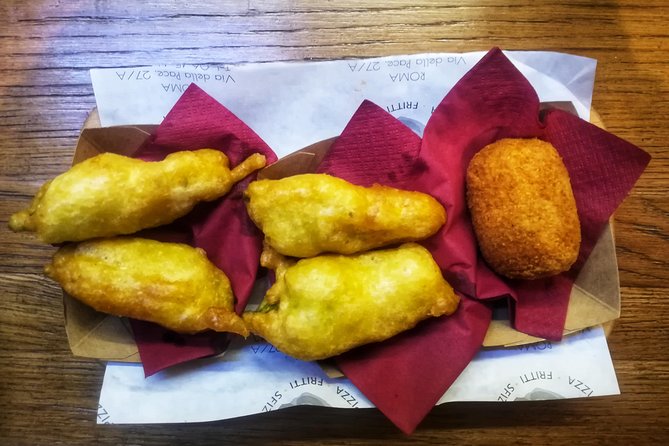
The tour is described as choosing the best local bites ahead of time, and that the tastings are covered in the price. That’s a big deal because it removes the hardest part of eating well on a trip: the choice. You’ll still get variety, but you won’t be stuck deciding between five menus with half the words in Italian.
The highlights also promise quintissentially Roman dishes—some that are more tied to the city than what you’ll find outside it. I’d treat this as a “you’re eating Rome” tour, not a “food theme park” tour. Expect familiar comfort with Roman personality rather than wild, gimmicky experiments.
My advice for best results:
- Arrive hungry (the tour includes lunch, but you’ll still want to feel ready to enjoy all stops).
- Go slow on pacing yourself—food walks are easier when you don’t over-snack right before the tour begins.
- Save room for coffee/tea at the end, since it’s included.
And if you have dietary restrictions: the details provided don’t spell them out. Before booking, ask the provider how they handle allergies or specific needs. That’s the only safe way to avoid surprises.
How to plan your day around this walk
This is a great “middle-of-trip” activity. Early on, you might still be figuring out the neighborhoods. Later on, you might want a food-focused recap. Either way, three hours is an easy block to place.
The tour starts and ends back at the meeting point near Campo de’ Fiori. That means you’re not stuck finishing in a far-off area where you need a long ride home. It also makes it simple to plan dinner afterward—especially if you’re the type who wants to keep exploring on foot.
If you prefer a more relaxed day, schedule something lighter after the tour. The walking adds up. If you do plan a big museum or a long transit day afterward, build in buffer time.
Who this tour suits best (and who should reconsider)
This Roman walk-food tour is a strong match if you:
- Want both sightseeing and food without splitting your day into two separate plans
- Like guided context that makes neighborhoods feel more meaningful
- Prefer a plan where tastings are handled for you
- Enjoy a lively pace with breaks built into stops
It may be less ideal if you:
- Need minimal walking during a trip day
- Want to choose every dish yourself from restaurant menus
- Are traveling with strict dietary needs and haven’t confirmed how the tour handles them
Should you book this Roman Walkin Foodies Tour?
I’d book it if you value convenience, pacing, and a guide who keeps the experience moving. The included lunch, coffee/tea, and water help you feel grounded in the $118 price, and the private format is a real quality-of-life upgrade compared with big shared groups.
But I’d pass if walking is a deal-breaker for you or if you’re the kind of traveler who wants full control over what and where you eat. This tour is about chosen bites and guided storytelling, not menu freedom.
If you’re somewhere in between—curious about Roman food, but you want the route handled—that’s exactly where this tour shines.
FAQ
How long is the Roman Walkin Foodies Tour?
It runs for about 3 hours.
What does the $118 price include?
Lunch, coffee and/or tea, and bottled water are included.
Does the tour include alcohol?
No, alcoholic beverages are not included.
Is this tour private?
Yes. Only your group participates.
Where does the tour start?
It starts at Piazza Campo de’ Fiori (P.za Campo de’ Fiori, 00186 Roma RM, Italy).
What if plans change—can I cancel?
You can cancel for a full refund up to 24 hours before the experience starts. If you cancel less than 24 hours before, you won’t receive a refund.