REVIEW · ROME
Private city tour in Rome with driver-guide
Book on Viator →Operated by Carratonitours · Bookable on Viator
Four hours, and Rome stops pretending to be random. This private car-and-driver tour is built for fast orientation: you cruise between top sights, get guided commentary tuned to your interests, and you’re free to hop out where it’s worth it.
I really like the private format for just your party. You’re not stuck in a slow moving cluster, and you can ask for small tweaks on the fly (shorter stops, more photos, less walking).
The other big win for me is the comfort. Hotel pickup and drop-off plus an A/C vehicle means less time overheating and more time actually looking. The one possible drawback: it’s a highlights loop, so several stops are brief exterior viewings—perfect for getting your bearings, but not ideal if you want long museum-style time.
In This Review
- Key things to know before you ride
- The real value of a private driver-guide in Rome
- Piazza Venezia and the Vittoriano: big views, quick context
- Circus Maximus in 15 minutes: picture the chariots
- Trajan’s Forum: Rome’s power display, compressed
- Trevi Fountain: the quick stop that still feels like magic
- Pantheon: why one stop can be worth the whole day
- Piazza di Spagna and Spanish Steps: break time with style
- St. Peter’s Square: scale you feel instantly
- Santa Sabina on the Aventine: a quieter Rome moment
- Piazza del Campidoglio: the Michelangelo plan you can actually feel
- Price and value: what $407.41 per person really covers
- How to make the most of a 4-hour highlights loop
- Who this tour is best for (and who should skip it)
- Should you book this Rome highlights private driver tour?
- FAQ
- How long is the private city tour in Rome?
- Is this tour private or shared?
- Is the tour offered in English?
- Do I get hotel pickup and drop-off?
- Where does pickup happen?
- Can the tour start after I arrive by plane?
- Are admission tickets included for the sights?
- What’s included in the price?
- What is not included?
- What’s the cancellation policy?
Key things to know before you ride
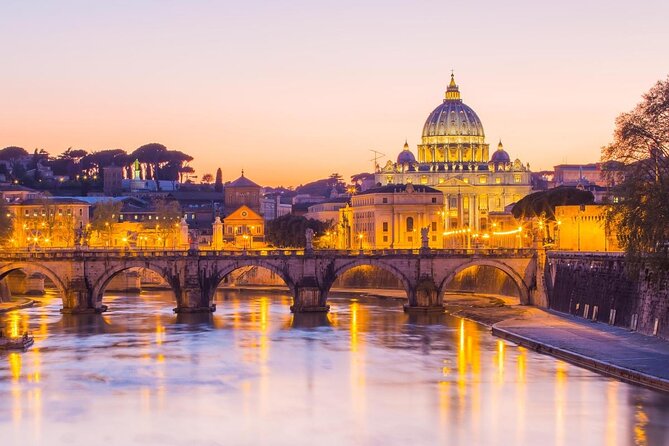
- Private car + driver-guide for the full 4 hours: you’re not negotiating taxis, waiting for trains, or playing “which bus is this?”
- Tailored commentary: the driver’s stories can be pitched to what you care about, not just a one-size talk.
- Mostly quick hit stops: you’ll see a lot, but you’ll also accept that some sites are stop-and-look, not stop-and-stay.
- Free admission for the listed sights: the tour includes stops marked Admission Ticket Free.
- English language option: offered in English, which makes the narration smoother.
- Flexibility matters: some drivers adjust for your pace and needs, including limited mobility (when possible).
The real value of a private driver-guide in Rome
Rome can be overwhelming in the best way. The streets twist, the signs are everywhere, and the “right” entrance is not always the obvious one. A private driver-guide cuts through that chaos with one simple advantage: you’re always in control of when you stop and what you zoom in on.
You’re not just being transported. You’re getting a human map. Even when you only step out for 15–30 minutes, the driver’s commentary helps you connect what you’re seeing to what it means—why Vittoriano sits where it does, why the Pantheon is still standing, or why Trevi became a movie magnet.
This kind of tour also works for mixed groups. If one person wants architecture photos and another wants quick stories, you can balance both without dragging anyone across the city at walking pace.
You can also read our reviews of more guided tours in Rome



Piazza Venezia and the Vittoriano: big views, quick context
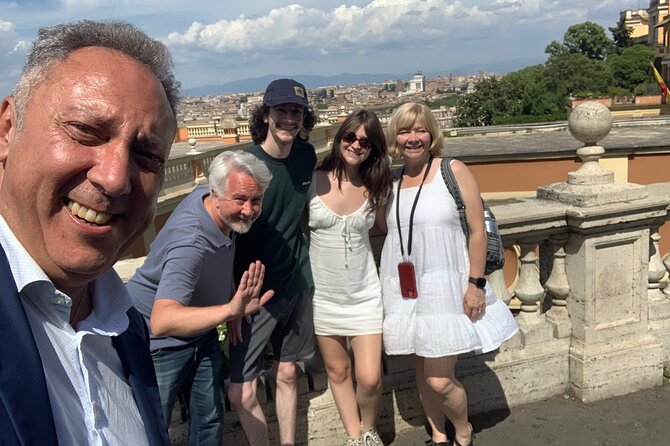
Your day often starts near Piazza Venezia, where the Vittoriano dominates the skyline. Its formal name is Monumento a Vittorio Emanuele II (Monument to Victor Emmanuel II), and one of its nicknames is Altare della Patria. That’s your first hint that Rome loves symbolism as much as it loves stone.
In a short time, you’ll get the basics you need to make this monument more than a backdrop. This is a structure built between 1895 and 1927 to honor the first king of a unified Italy. That helps you read the place through a modern Italian lens, not only an ancient one.
Practical tip: bring your eyes wide. At this stage of the day, you’re building your “Rome picture” in your head. Spend a few minutes looking around the square and the approaches, not just straight at the monument. The surrounding streets and angles explain why you’ll feel the city opening up as you move on.
Circus Maximus in 15 minutes: picture the chariots
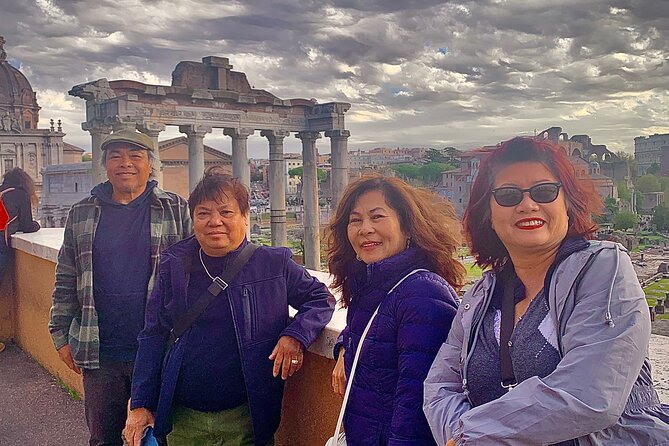
Next comes Circo Massimo (Circus Maximus). It’s one of those places where you walk in thinking chariot racing is a distant concept, then suddenly your imagination starts filling in the stands.
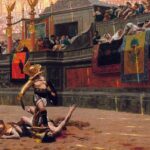
This was a chariot racetrack first constructed in the 6th century BCE, later used for public events like Roman Games and gladiator fights. The key detail: the last recorded use for chariot races was in the 6th century CE. That timeline gives you a sharp sense of how long Rome kept reinventing “entertainment.”
The challenge at Circus Maximus isn’t information—it’s scale. In the car, it can look like a big empty stretch; on foot, it still feels open and wide. That’s why the short stop format works well here. You get a fast sense of the shape, then you move before you lose momentum.
Trajan’s Forum: Rome’s power display, compressed
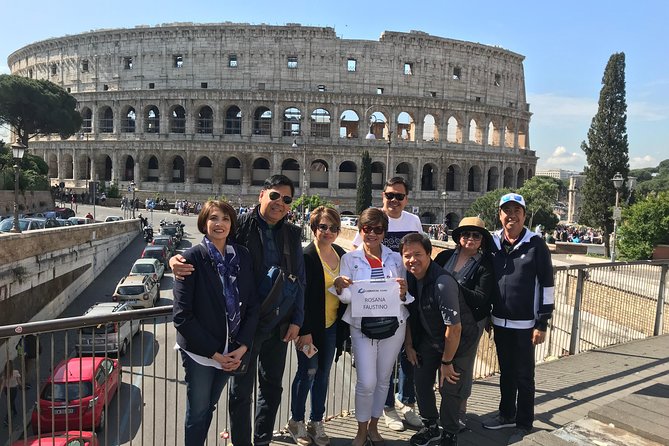
For many first-timers, Foro di Traiano can feel like “more ruins.” But in the right framing, it’s Rome doing what Rome does: using architecture to broadcast authority.
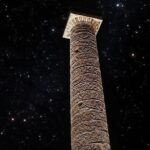
This forum was built on the order of Emperor Trajan, and it tied the site to spoils from the conquest of Dacia, which ended in 106. Sources around the monument’s history point to inauguration details in the early 110s, and Trajan’s Column becoming part of that public statement about conquest and legitimacy.
In a brief stop, you won’t measure every stone. Instead, you’ll learn how to look: forum layouts weren’t just civic spaces—they were stage sets for politics, ceremonies, and the projection of control.
Watch for this: when you’re on a tight schedule, it’s easy to sprint your eyes. Slow down for one “face level” look—standing where you can see how the space guides movement—then let the driver’s story connect the dots.
Trevi Fountain: the quick stop that still feels like magic
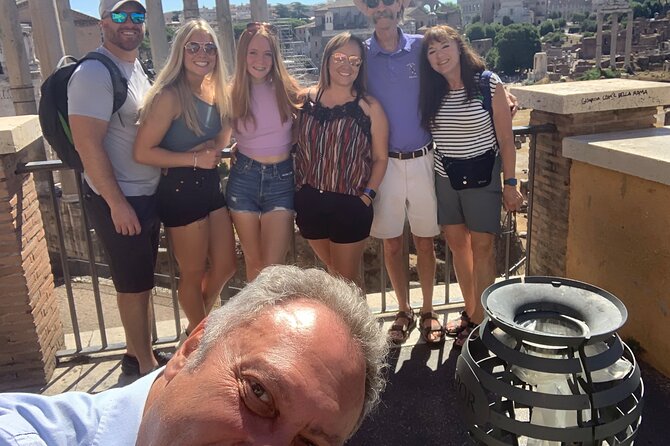
Fontana di Trevi is the one people plan around. In practice, it can also be the one that disappoints when you arrive expecting a calm pond of romance. The good news: with a private driver, you can time your stop to your day, and you get the context that makes the scene click.
The fountain is designed by Nicola Salvi and completed by Giuseppe Pannini and others. It’s massive—26.3 meters high and 49.15 meters wide—and it’s considered the largest Baroque fountain in the city. It’s also one of the most famous fountains in the world, and yes, it has movie credentials (Roman Holiday, La Dolce Vita, and Three Coins in the Fountain among them).
Here’s the practical part. The fountain is best enjoyed when you stop treating it like a single photo moment. Instead, look at how the architecture frames the water, then watch how people move around it like they’re visiting a landmark, not just snapping a picture.
Bring coins if you follow the tradition. One driver on this kind of tour even reached into his pocket to help when a guest arrived without coins, so don’t stress—but it’s still smart to come prepared.
You can also read our reviews of more city tours in Rome



Pantheon: why one stop can be worth the whole day
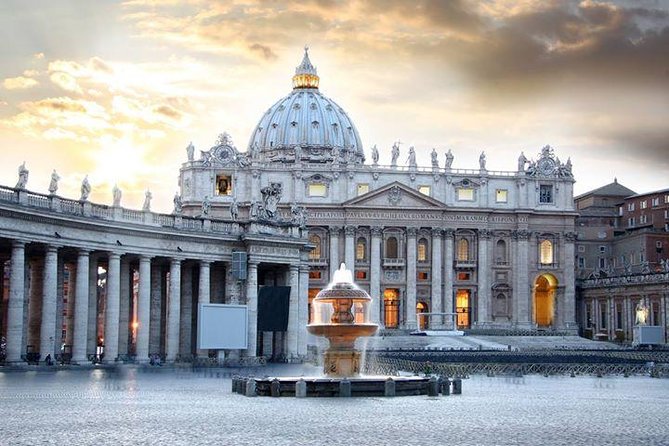
If you had to pick one “Rome should be illegal to miss” building, the Pantheon would be a strong contender. It’s the best preserved of all Roman buildings, and its core story makes it feel more than just old.
Originally built as a temple for Roman gods, it was rebuilt about 126 AD during Hadrian’s reign. The original list of deities isn’t known, but the building’s clarity is. You’ll see a space that still communicates power and engineering confidence through pure form.
In a short visit, you’ll get the main thing: the feeling of stepping into a huge, still-intact design concept. Even if you only spend 20 minutes, the Pantheon tends to do something few sites manage: it makes you want to look up repeatedly.
A small strategy: decide ahead of time what you want to notice—columns, dome, oculus, or the way light changes as people move. That keeps you from feeling rushed when the schedule moves on.
Piazza di Spagna and Spanish Steps: break time with style
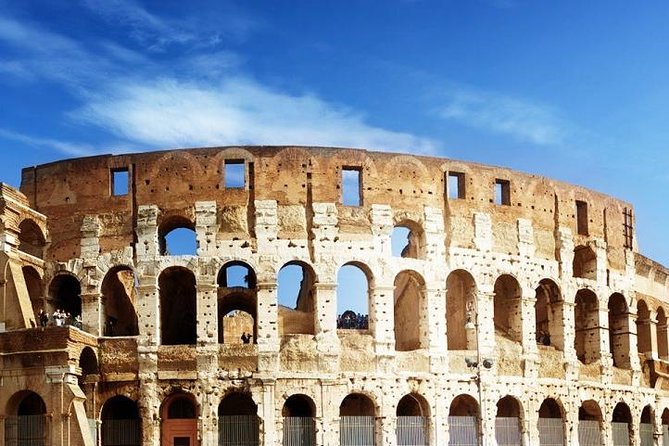
Piazza di Spagna sits at the bottom of the Spanish Steps, one of Rome’s most recognizable square-and-stair compositions. It’s also tied to a specific diplomatic identity: the name comes from the Palazzo di Spagna, the seat of the Spanish embassy to the Holy See.
This stop works because it’s a palate cleanser after monuments and churches. It’s less “look at me” and more “sit, watch, and reset.” You’ll get time to breathe, get a few photos, and recharge before the Vatican area.
Consider this: if the area is packed (it often is), don’t fight it. Step back, find a viewpoint, and let the chaos become part of the scene. This is a great moment for people who want less history talk and more city atmosphere.
St. Peter’s Square: scale you feel instantly
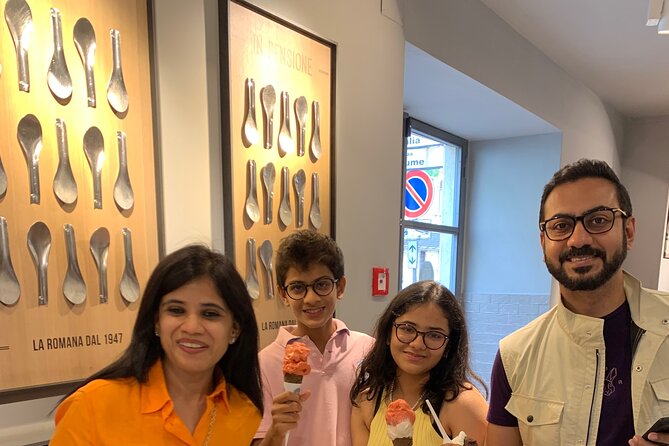
St. Peter’s Square is the kind of sight that changes your posture. Saint Peter’s Basilica is described as the world’s largest church, built over more than a hundred years by Italy’s major architects. Even from the square, you get the sense that this is the center of Christianity.
Your time here is likely a quick, high-impact viewing. That works for first-timers because you leave with the “shape” of the Vatican area in your mind, which helps for any future visits you plan.
Practical note: churches and Vatican-adjacent sites can have strict conditions. With a private tour, you’re not slowed by large group logistics, but it still pays to move calmly and follow signage.
Santa Sabina on the Aventine: a quieter Rome moment
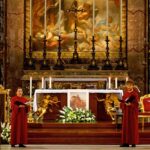
Not every Rome highlight tour includes Basilica di Santa Sabina, and that’s a good thing. Santa Sabina sits on the Aventine Hill and is historically tied to the Dominicans. It’s described as a titular minor basilica and the mother church of the Order of Preachers.
This stop is valuable because it’s a contrast. After the central buzz and heavyweight sites, Santa Sabina offers a calmer, more grounded feel. You get a church with depth, without the feeling that you’re standing in a postcard line.
In a short stop, you’ll likely be focused on exterior viewing or a quick look inside (depending on how the day runs). Either way, it’s the kind of place where the architecture does most of the speaking.
Piazza del Campidoglio: the Michelangelo plan you can actually feel
Piazza del Campidoglio is on Capitoline Hill (Capitolium). The word capitol is connected to this location, and the hill’s identity goes way back to early village life and temple dedication to Roman gods.
Michelangelo’s approach is the reason this square feels designed rather than accidental. Even if you don’t know the full story of the plan, you’ll feel the order when you stand in the right spots. The layout guides your eye, and that’s part of the value of stopping here—even for only 15 minutes.
Tip for your photo brain: try standing at one end and then another. You’ll see the geometry change, and it helps you understand why this square is loved by architecture nerds and casual visitors alike.
Price and value: what $407.41 per person really covers
At $407.41 per person for about 4 hours, this isn’t a bargain-basement option. It’s a premium way to buy time and reduce stress.
Here’s what you’re really paying for:
- A private vehicle and driver-guide for the entire block of time, not just between stops.
- Hotel pickup and drop-off, which matters in Rome when walking can become a day-long commitment.
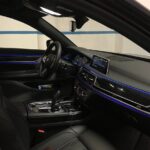
- An A/C comfortable vehicle, plus the tour’s structure is built around short viewing windows.
- Local taxes included and a format that’s designed for a smooth flow between sights.
Whether it’s “worth it” depends on your group size and priorities. If you’re traveling as a couple, it can feel like a lot until you compare it to the total cost of taxis plus your time lost figuring out routes and parking. If you’re a small family or a group of friends splitting the cost, it starts to look like smart spending.
Also, many of the listed stops show Admission Ticket Free, so you’re not hit with extra entry fees for each stop.
One more value angle from the vibe of the reviews: the driver sometimes helps you with small extras like gelato or a cappuccino break, and you can ask for that kind of adjustment. That doesn’t change the monuments, but it changes the mood of the day.
How to make the most of a 4-hour highlights loop
This tour format shines when you’re using it as a starting point. Think of it like drawing a map in your head. Later, you’ll know what you want to return to without guessing.
Here’s what helps:
- Pick your “must look” items for each stop. For example: dome + oculus at the Pantheon, stair angle at Piazza di Spagna, and dome scale memory at St. Peter’s Square.
- Ask for pacing that fits your group. The tour is flexible by design, and some drivers have adjusted for needs like limited mobility.
- Plan your timing mindset. 15 minutes can feel short. But with the right framing, it’s long enough to understand what you’re seeing and get great photos without exhausting yourself.
If you want an extra-personal touch, pay attention to which driver-guide you get. Reviews mention names like Fabrizio, Michelangelo (spelled that way in one review), Ernesto, Stefano, Mauricio, Roberto, and Leonardo. That matters because your experience can be shaped by how the driver tells stories—some lean funny, some tailor to interests, and all bring Rome’s feel in their own voice.
Who this tour is best for (and who should skip it)
This private car tour is ideal if:
- you want Rome’s top highlights with less walking stress
- you’re short on time and want orientation fast
- you prefer driver-led storytelling in English instead of reading every sign
- you want hotel pickup and drop-off to simplify your day
You might want a different format if:
- you want full museum-depth time at each stop
- you’re happy self-navigating without guides and don’t care about interpretation
- you’re hoping for a slow, lingering pace at every major site
For most first-timers and anyone returning to Rome for a quick second pass, this strikes a useful balance: you see the big names, but you also get the meaning behind them.
Should you book this Rome highlights private driver tour?
Yes—if your top priorities are efficiency, comfort, and guidance. The tour is built for people who want to see Rome without turning the day into a marathon of taxis, long walks, and guesswork.
I’d book it if you’re arriving for a short stay, traveling in a way that makes walking harder, or you want a clean introduction before you choose deeper experiences. The big bonus is that admission fees are listed as free for the included stops, and you get a private driver-guide for the whole arc of the day.
If you’re the type who wants to spend hours inside major sites, you may feel rushed. In that case, use this as your orientation day, then plan longer standalone visits later.
FAQ
How long is the private city tour in Rome?
The tour is about 4 hours.
Is this tour private or shared?
It’s private. Only your group participates.
Is the tour offered in English?
Yes, it’s offered in English.
Do I get hotel pickup and drop-off?
Pickup and drop-off are included.
Where does pickup happen?
Pickup is offered from vacation rentals and points of interest. It says they don’t pick up at ports.
Can the tour start after I arrive by plane?
Airport pickup is available, and the start time is conditioned on your plane’s arrival time. You’ll need to provide a very important flight number.
Are admission tickets included for the sights?
The stops listed for this tour show Admission Ticket Free.
What’s included in the price?
Included features are private tour, local taxes, hotel pickup and drop-off, a comfortable vehicle with efficient air conditioning, and an official driver with specific historical knowledge.
What is not included?
Drinks and alcoholic drinks (available to purchase), plus souvenir photos (available to purchase), are not included.
What’s the cancellation policy?
Free cancellation is available up to 24 hours in advance for a full refund. If you cancel less than 24 hours before the experience start time, no refund is provided.