REVIEW · ROME
Photo Tour in the Ostiense district: forfeiture and redevelopment
Book on Viator →Bookable on Viator
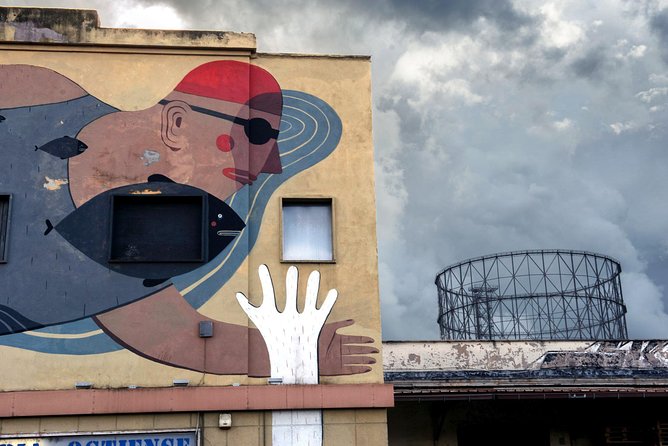
Street art meets post-industrial Rome on foot. This photo tour turns Ostiense into a classroom, with Daniele guiding your focus, aperture, and light as you walk. I especially love the mural hunt that shows how street art can drive neighborhood redevelopment, and the stop at the Gazometro where the mood is equal parts art and decay. The only real drawback is that it’s a flat route but a bit long, so plan on steady walking for the full stretch.
I also like how the pace stays practical: you get time to frame shots, fix common issues, and learn without feeling rushed. You’ll finish with a stack of usable images and a clearer photo “workflow” for both cameras and phones. If you’re expecting classic Rome sights, you might feel like you’re in a different city, in the best way.
In This Review
- Key highlights at a glance
- From Garbatella to Ostiense: Ponte Settimia Spizzichino sets the tone
- Murals and redevelopment: street art as a real urban story
- The Tiber walk toward Gazometro: art against decay
- Cross the river to former factories: exterior textures for serious detail shots
- Daniele’s coaching style: technical tips that actually help you shoot
- Walking logistics: flat route, but plan for a long stretch
- Price and value: what you’re paying for at $197.77
- When to book: good weather matters
- Who this tour is best for (and who should skip it)
- Should you book this Ostiense photo tour?
- FAQ
- How long is the photo tour?
- What time does the tour start, and where do I meet?
- Is this a private tour?
- What language is the tour offered in?
- Does the tour run in bad weather?
- Is the route difficult to walk?
- Can I cancel and get a full refund?
Key highlights at a glance
- Ponte Settimia Spizzichino start: a futuristic crossing that sets up the visual theme fast
- Murals as redevelopment: street art treated as a real urban story, not just decoration
- Tiber walk to Gazometro: water, industrial vibes, and strong photo angles
- Former factories exterior study: abandoned structures for texture and scale shots
- Hands-on photo coaching: guidance on focus, light, and settings (including smartphone use)
- Private group feel: only your group participates, so you’re not lost in a crowd
From Garbatella to Ostiense: Ponte Settimia Spizzichino sets the tone
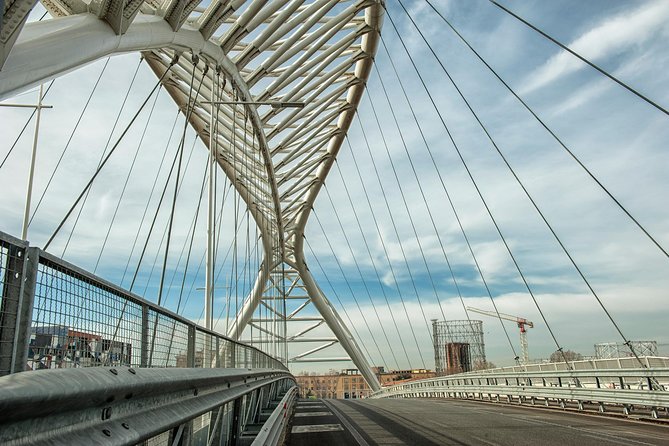
The tour starts at Metro Garbatella, then you head into Ostiense with a key opening move: crossing Ponte Settimia Spizzichino. This is a great warm-up because it gives you immediate shapes and lines to work with. Even if you only shoot with a phone, the bridge helps you practice composition right away: where do you place the horizon, how do you keep the frame clean, and how do you capture motion without blur?
You’ll also get the useful kind of orientation that many photo tours skip. You’re not just moving from one “pretty spot” to another. You’re walking into a district with a different look and a different tempo than central Rome, so your camera habits get calibrated early.
The route is described as flat, but you should treat it as a longer walk rather than a short stroll. Bring comfortable shoes and expect you’ll spend a good chunk of the three hours standing, looking, shooting, and walking again.
You can also read our reviews of more photography tours in Rome

Murals and redevelopment: street art as a real urban story
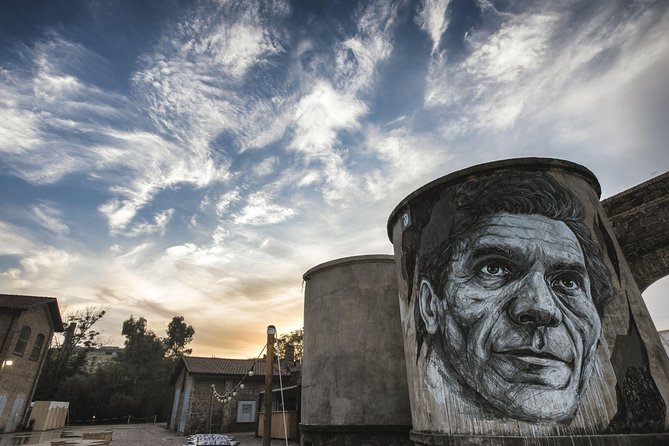
Once you’re in Ostiense, you hunt for murals that represent one of the earliest examples (or among the earliest) of neighborhood redevelopment through street art. That framing matters. It pushes you to photograph the murals with context: not just the artwork, but the buildings around it, the surfaces they grow on, and the way the street “reads” as a whole.
Here’s what I like about this part for your photos. Murals naturally force better technique. If you only point and shoot, you’ll end up with crooked frames or distracted backgrounds. But when you’re actively searching, you start noticing cleaner edges, better viewing angles, and stronger color contrast. You also learn to ask: what’s the subject, what’s the supporting detail, and what’s just noise?
Daniele’s coaching shows up here in a useful way. Instead of generic advice, the guidance focuses on practical problems you actually hit in the street: getting focus, understanding how light changes your results, and learning to see your scene like a photographer, not like a tourist.
One thing to consider: murals can be spread out. If you hate walking and waiting for shots, this segment might feel like “work.” If you like taking your time and building a visual set, it’s a standout.
The Tiber walk toward Gazometro: art against decay
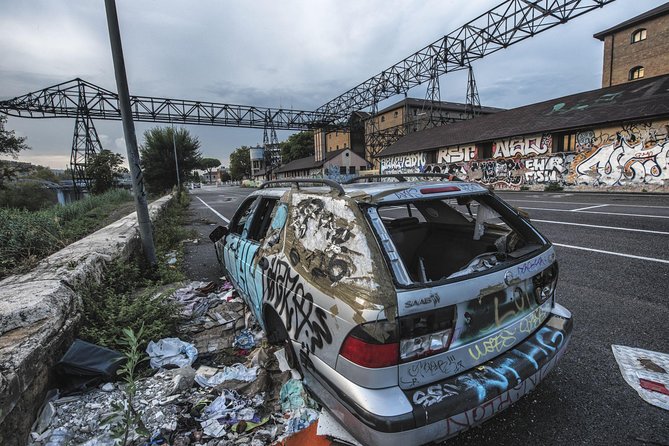
After the mural stretch, the tour shifts toward the Tiber, and you’ll follow the river until you reach the Gazometro. The description is spot-on: it’s a surreal setting where art meets degradation. In photos, that combination is gold, because you get contrasts that don’t require a filter. You’re dealing with old industry, weathered surfaces, big shapes, and often dramatic light conditions near the water.
This is also where you’ll get serious value from a guided photo tour. The river gives you multiple angles, and you’ll want to vary your frames: wide shots for scale, medium shots that isolate details, and tighter crops to emphasize textures. With coaching, you learn how to slow down and shoot with intention instead of collecting random images.
Light timing matters here. The tour lasts around three hours, so you’re not chasing a whole day of changing conditions. Still, your guide can help you notice when the light is kinder and how to avoid the most common problems—washed-out highlights or heavy shadows you didn’t plan for.
If you’re the type who likes city scenes with mood rather than postcard perfection, this part will feel like the tour’s heartbeat. If you want only bright, clean views, the Gazometro area may challenge your expectations, but it will also sharpen your eye.
Cross the river to former factories: exterior textures for serious detail shots
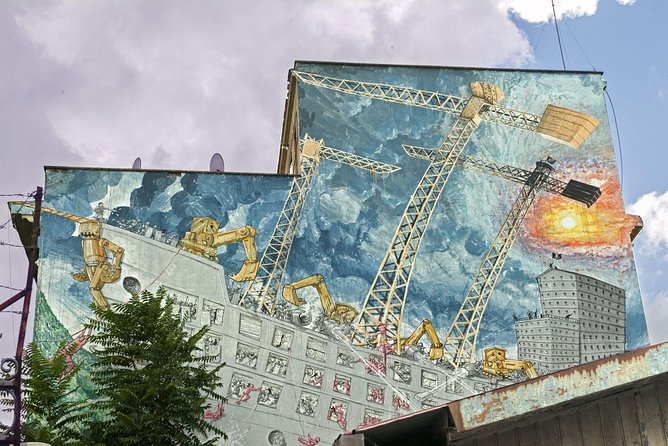
Once you cross the river, you move into another visual theme: the exterior of former factories, now abandoned. Even though they’re not functioning anymore, they’re photogenic in a very real way. You get industrial geometry, layered surfaces, and lots of patterns created by wear. It’s the kind of setting where you can practice photography beyond “buildings in the background.”
For your camera (or phone), exterior factory areas are perfect for learning how to build an image from parts:
- Look for repeating lines and edges
- Use framing to control clutter
- Photograph textures like you’re collecting evidence of time
The biggest practical win is that these stops aren’t just aesthetic. They help you learn how to photograph “messy” environments without losing your composition. Daniele’s style, based on what people highlight, is that he’s patient and clear when you hit technical questions like focus and settings.
Safety note, kept simple: stick with the group and keep your attention where you’re walking. Industrial exteriors can be visually tempting, but your first job is still to travel safely on a working street.
Daniele’s coaching style: technical tips that actually help you shoot
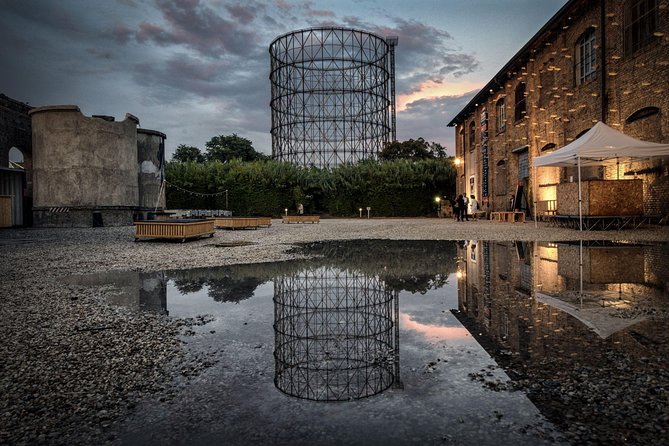
A major reason this tour gets strong ratings is the teaching approach. Daniele doesn’t treat photography as a list of rules. He uses the street itself as the lesson. That’s why focus, aperture/diaphragms, and light come up in a way that feels practical rather than academic.
You’ll likely get help with questions like:
- How to get your subject sharp (and why it’s failing)
- How settings and depth of field change what looks crisp
- How light direction affects exposure and contrast
- How to fix the common “I took it but it looks flat” problem
One of the more encouraging aspects is that it’s not limited to people who carry fancy gear. The experience is recommended even for those who photograph using a smartphone only. That matters because phone cameras are often forced to solve the same problems, just with different controls.
Also, the vibe matters. People emphasize that the group becomes part of the process: you’re not just listening while everyone walks silently. The tour’s tone supports learning with confidence, including for beginners who feel unsure about settings.






Walking logistics: flat route, but plan for a long stretch
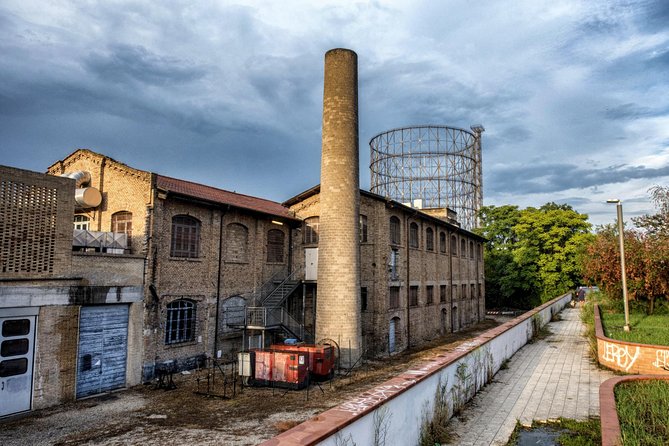
The route is described as flat, which is great news if you usually avoid hills. But it’s also said to be a bit long, and that’s honest. You’ll be on your feet for roughly three hours, and you’ll spend time paused while you shoot and reset your framing.
Good news: it’s near public transportation. That makes it easier to arrive and easier to bail out if your legs are having a bad day. The start location is tied to Metro Garbatella (with the tour beginning at 10:00 am), and the experience ends in the Roma Trastevere – Gianicolense area, near Viale Trastevere (in front of the station or near bus stops, depending on your navigation).
What to bring is simple: comfortable shoes, a charged phone or camera, and a rain layer if the weather looks unstable. The tour needs good weather, so you’ll want to choose a date when skies cooperate.
Price and value: what you’re paying for at $197.77
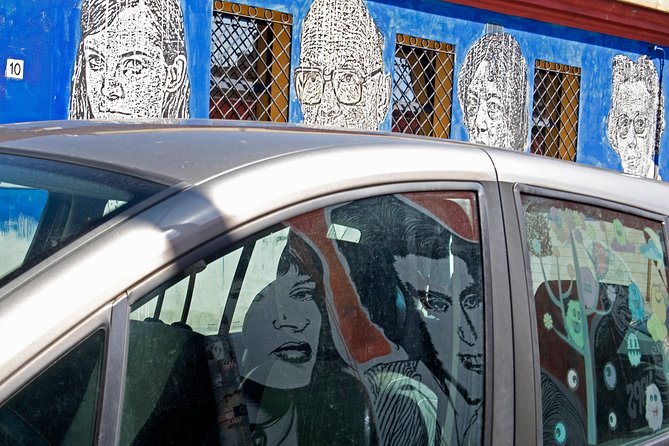
At $197.77 per person for about three hours, you’re paying for two things: access to a focused route in a less-touristy part of Rome and hands-on coaching that’s built around real street situations.
This is not a “stand and pose” photo walk. The value comes from instruction tied to what you’re seeing in front of you: murals, industrial exteriors, and the river zone around the Gazometro. You’re also not doing this in a mixed crowd, since it’s private with only your group participating.
There’s also a practical benefit in the way it’s sold: you get a mobile ticket, and it’s offered in English. Group discounts are listed too, which can make it a smart move if you’re traveling with photo-minded friends.
If you already know photography basics and mostly want scenery, you might decide to DIY in Ostiense. But if you want to improve your shots and understand why they work (or don’t), the coaching turns the price into something more reasonable.
When to book: good weather matters
This experience requires good weather. That means it’s best to book when rain and harsh wind are unlikely. If weather shuts it down, you’re offered a different date or a full refund, so you’re not trapped with a loss.
If you’re flexible, pick a day when light looks good and visibility is decent. For a street-art and river-based route, that helps you capture details without fighting gray skies or low contrast.
Who this tour is best for (and who should skip it)
You’ll probably love this if:
- You want to photograph a side of Rome that feels different from the center
- You like street art and industrial architecture
- You want coaching on real technical issues like focus and light
- You shoot with a smartphone and want better results, not just cool places
You might skip it if:
- You want only major landmarks with quick photo stops
- You don’t enjoy walking for a longer stretch, even if it’s flat
- You’re planning a day where weather is likely to ruin outdoor time
Should you book this Ostiense photo tour?
I’d book it if you want a photo-focused day that teaches you how to see. The combination of street-art redevelopment, a river walk to the Gazometro, and exterior factory textures is a strong “three-part visual curriculum.” Add Daniele’s clear guidance on photo fundamentals and you get more than a sightseeing circuit.
If your goal is to check Rome boxes fast, it may not match your style. But if you want images you understand how to make, this tour is a solid bet.
FAQ
How long is the photo tour?
It runs for about 3 hours.
What time does the tour start, and where do I meet?
It starts at 10:00 am at Metro GARBATELLA Quartiere X Ostiense, 00154 Roma RM, Italy (in front of the station or near bus stops on Viale Trastevere).
Is this a private tour?
Yes. It’s listed as private, so only your group will participate.
What language is the tour offered in?
It’s offered in English.
Does the tour run in bad weather?
It requires good weather. If it’s canceled due to poor weather, you’ll be offered another date or a full refund.
Is the route difficult to walk?
It’s a flat route, but it’s described as a bit long. Most travelers can participate.
Can I cancel and get a full refund?
Yes. You can cancel for a full refund if you cancel at least 24 hours before the experience’s start time.