Fresh pasta feels like Rome in edible form. This hands-on class near St. Peter’s Square turns into a friendly, practical 3-hour experience where you learn to shape ravioli and gnocchi with a real pasta maker named Stefania. I like how much you actually do, not just watch. I also like the small-restaurant feel and the lesson style, which Stefania’s described as patient and creative. One drawback to plan for: it’s not recommended for gluten intolerants.
You’ll begin at Via delle Fornaci, 89, then spend about 2 hours doing hands-on pasta work. After that, you sit down for the meal: the ravioli and gnocchi you made, plus a glass of Italian wine and coffee for dessert. You also get a reminder with step-by-step notes for making pasta and dressings back home.
If you’re curious about how Italians treat pasta as a table event, this fits. The class includes some chat about eating habits and how families sometimes make pasta together on holidays, when there’s more time and more hands at the table.
In This Review
- Key highlights to look for
- Rome Fresh Pasta Lessons Near St. Peter’s Square
- Getting There and the 3-Hour Flow You’ll Actually Feel
- Rolling Pin and Wheel 101: Ravioli and Gnocchi Practice
- What Makes the Roman Restaurant Atmosphere Work
- Your “Tasting the Results” Meal: Ravioli, Gnocchi, Wine, Coffee
- What You Take Home: Step-by-Step Pasta Notes
- Price and Value: What $96.23 Includes in Rome
- Who Should Book This Pasta Class (and Who Should Skip It)
- Quick Practical Tips Before You Go
- Should You Book This Pasta Experience Near St. Peter’s?
- FAQ
- Where does the pasta experience start and end?
- How long is the experience?
- Is it a private experience?
- Is the tour offered in English?
- Do I need a printed ticket?
- What pasta dishes will I learn and taste?
- What’s included in the price?
- Is it suitable for gluten intolerance?
- What is the meeting point like for getting there?
- What is the cancellation policy?
- What if my group wants to do this as a set meal plan?
Key highlights to look for
- Hands-on ravioli and gnocchi skills, not a demo
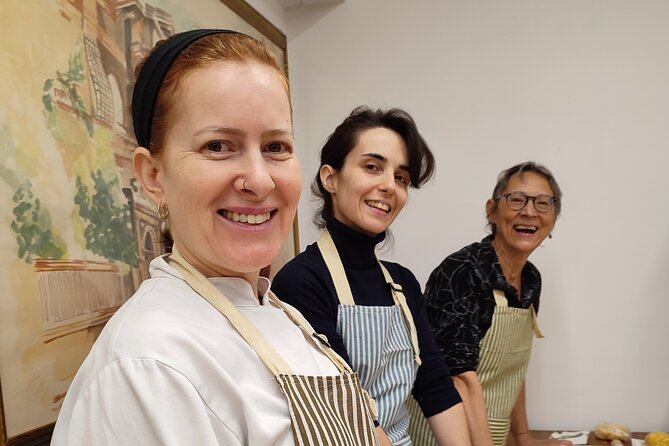
- Stefania’s patient, friendly teaching style
- A practical 2-hour lesson plus a full sit-down tasting
- Wine and coffee included with lunch
- Private group experience where only your party participates
Rome Fresh Pasta Lessons Near St. Peter’s Square
This is one of those Rome activities that doesn’t feel like a “ticketed stop.” It feels like you’re borrowing the kitchen rhythm of a small Roman spot—close to St. Peter’s, where the whole area is easy to orient around.
The best part for me is the balance. You learn technique in a way that’s workable, even if you’ve never touched a rolling pin before. And then you eat what you made, right there at the table. You’re not stuck searching for dinner afterward.
Price-wise, $96.23 can look like a lot at first glance. But it includes the tools, apron, lunch, bottled water, plus a glass of wine and coffee. In Rome, that matters, because eating out every meal adds up fast. If you’re already planning on lunch and drinks, this starts to look like a smart bundle.
You can also read our reviews of more tours and experiences in Rome.



Getting There and the 3-Hour Flow You’ll Actually Feel
The tour starts at Via delle Fornaci, 89, 00165 Roma RM, Italy, and ends back at the same meeting point. That matters more than people think. In a city with endless walking, returning to your starting area helps you keep the rest of your day simple.
There’s also a practical advantage: it’s near public transportation. So if you’re coming from elsewhere in Rome—Vatican area, central neighborhoods, or hopping off a tram—you’re not locked into a long, stubborn slog on foot.
You’ll get a mobile ticket, and the experience is offered in English. So you won’t need to rely on your Italian skills for the main action: rolling, cutting, filling, shaping, and tasting.
Timing is straightforward: about 3 hours total. Expect around 2 hours of class practice, then the meal. That structure is ideal if you want something more hands-on than a museum visit, but still short enough to keep your sightseeing schedule intact.
Rolling Pin and Wheel 101: Ravioli and Gnocchi Practice
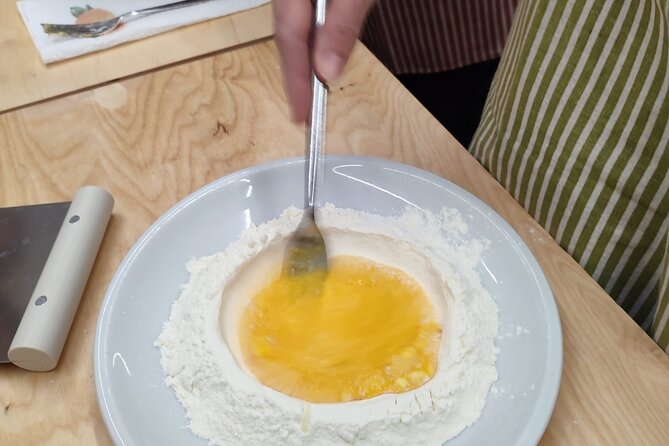
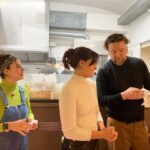
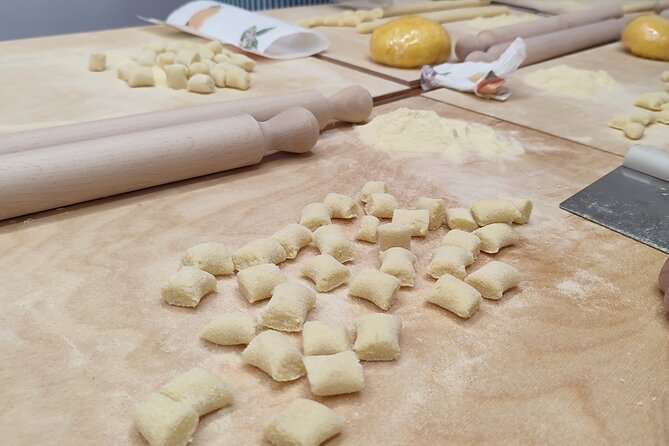
This is the heart of the experience. You’ll work with a pasta maker’s approach and tools—the rolling pin and a wheel—for shaping fresh pasta. The focus is especially on gnocchi and ravioli, which is a good choice because both are classic, but they feel very different on your hands.
Here’s what you’re really learning when you make ravioli:
- how to roll fresh pasta into an even sheet
- how to portion and fill
- how to close and handle the pasta so it doesn’t fall apart
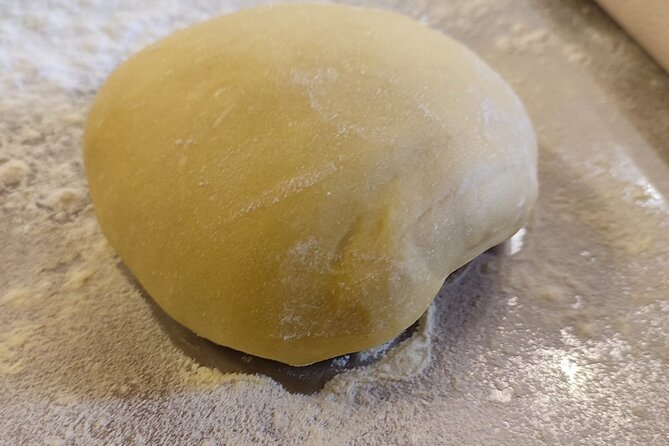
And with gnocchi, you’re not just learning a recipe name. You’re learning the feel: the difference between dough that’s too sticky and dough that’s too dry, and how that affects shaping. Even if the exact method varies by teacher, the practical “do it with your hands” time is what makes it worth it.
Also, you’ll get curiosity and culture, not just mechanics. The class includes some discussion about how Italians behave at the table—how the meal fits into the day, and how eating habits show up even in something as basic as pasta.
Important note: the experience notes say it’s not recommended for gluten intolerants. If you need gluten-free, plan for another option, because the activity is built around fresh pasta making.
What Makes the Roman Restaurant Atmosphere Work
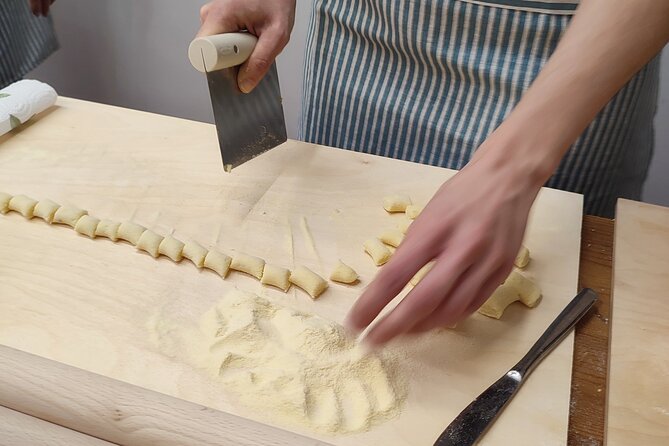
You learn pasta in the setting of a typical small Roman restaurant, a stone’s throw from St. Peter’s. That location is practical and atmospheric: you’re not far from a major landmark, yet you’re doing the kind of activity that feels local, not tourist-only.
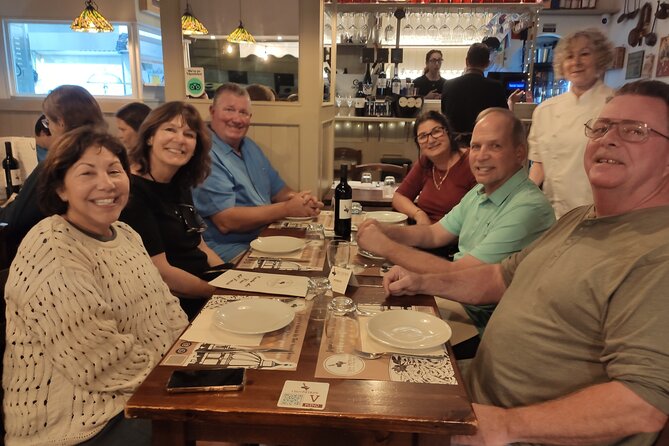
The vibe also helps your confidence. Pasta making can be intimidating if you think you must be perfect. But the teaching style is built for real skill-building: Stefania is described as patient, friendly, and approachable, and she’s credited with making the lesson interesting and creative. That matters because it turns the session into something you can actually enjoy while you’re learning.
There’s also a neat cultural thread woven into the lesson: you’ll hear how some Italian families still make pasta together at home, especially on holidays. It’s not just a fun fact. It explains why pasta making is often social—why it’s part technique, part conversation, part shared routine.
Your “Tasting the Results” Meal: Ravioli, Gnocchi, Wine, Coffee
After about 2 hours of hands-on practice, you sit down for the tasting. This is where the class earns its keep.
Your sample menu is:
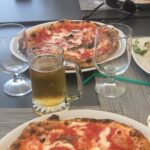
- Ravioli with aromatic herbs
- Gnocchi with sauce
- Wine (a glass of Italian wine)
- Dessert coffee
That’s a complete meal format. You’re getting both pasta types, plus a drink and coffee. And because it’s built around what you made, the meal becomes a real payoff moment instead of a random restaurant stop.
If you’re the type who wants to understand food, not just eat it, this is also where technique turns into taste. You’ll see how the sauce choice works with the pasta shape, and you’ll notice how fresh pasta feels different from packaged kinds—especially in texture.
One small consideration: the included drink is a glass of wine, so if you don’t drink alcohol, you’ll want to think ahead. The tour data says alcoholic beverages include a glass of wine and coffee, but it doesn’t spell out alternatives. If alcohol avoidance is important to you, ask before booking.





What You Take Home: Step-by-Step Pasta Notes
A lot of cooking classes stop at the meal. This one adds a practical bonus: you’ll receive a reminder with step-by-step descriptions of the procedures for remaking pasta and dressings.
That’s useful if you actually plan to cook again. You’ll remember the sequence more easily when you have a written reference, instead of relying on a vague memory of what you did during the session.
Also, this note-taking element helps you go beyond the “fun afternoon” version of pasta. You can recreate the basics at home—especially the pasta dough workflow and how dressings tie into the final dish.
And honestly, these are the kinds of take-home materials that make a class feel more like a skill transfer and less like an entertainment product.
Price and Value: What $96.23 Includes in Rome
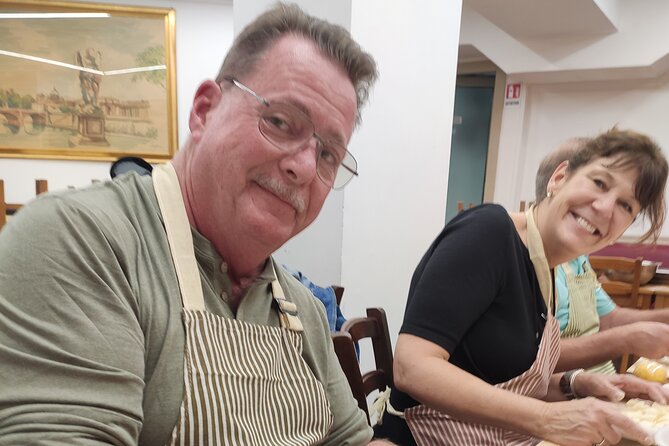
At $96.23 per person for about 3 hours, you’re paying for a full experience, not a quick tasting.
What’s included:
- pasta tools and apron
- bottled water
- lunch
- a glass of Italian wine
- coffee
What you’re not paying for:
- extra items beyond the set experience
So how do you judge value? In Rome, a solid sit-down lunch plus drinks can cost close to this range, and you still wouldn’t have the skill practice. Here, you get:
- about 2 hours of guided pasta making (ravioli + gnocchi)
- the tasting of what you made
- equipment support so you don’t show up needing your own tools
- a guide who teaches in English
The private-group element also boosts the value. Only your group participates. That usually means less waiting and more attention when you’re shaping or filling pasta.
If you want an activity that feels like both cultural experience and practical cooking class, this pricing makes sense.
Who Should Book This Pasta Class (and Who Should Skip It)
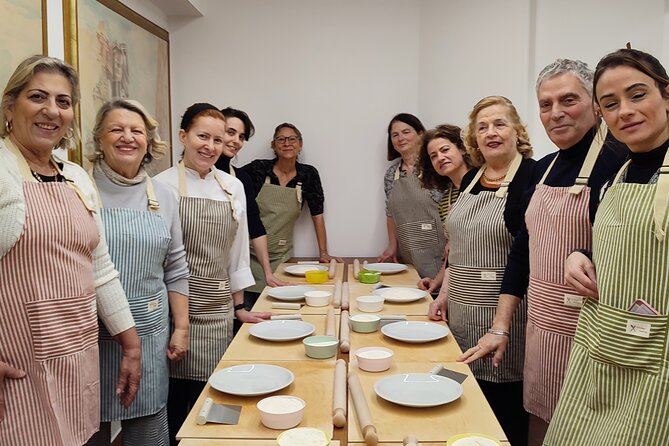
This experience fits best if you:
- want a hands-on cooking class with real technique time
- care about eating what you make
- like classic Italian dishes like ravioli and gnocchi
- would enjoy learning small table-culture details along with cooking
It also makes sense if you’re in the St. Peter’s area and want something more meaningful than another walk-by photo stop.
It’s less ideal if:
- you need gluten-free accommodations (it’s not recommended for gluten intolerants)
- you want a long sightseeing day. This is a concentrated pasta block, not a big-route tour.
Because it’s offered in English and most people can participate, it’s a comfortable pick for mixed groups—especially if nobody speaks much Italian.
Quick Practical Tips Before You Go
- Bring a bit of patience with yourself. Fresh pasta takes coordination, not talent.
- Wear comfortable clothes. You’ll be working with your hands and moving around the table area.
- Use your mobile ticket at check-in since it’s part of the experience setup.
- Plan your day so you can enjoy the lunch and wine afterward without rushing to another tight reservation. This runs about 3 hours.
Should You Book This Pasta Experience Near St. Peter’s?
If you want one memorable Rome experience that’s both hands-on and genuinely tasty, I think you should book it. The biggest reasons are simple: you learn ravioli and gnocchi with tools, you get a full lunch built around your work, and the guide approach is praised for patience and friendliness—especially Stefania.
Skip it only if gluten avoidance is a must, or if you’d rather spend your time on a longer, big-sightseeing route. For everyone else, this is a smart use of time near St. Peter’s: you leave with a skill, a meal, and enough notes to try again at home.
FAQ
Where does the pasta experience start and end?
It starts at Via delle Fornaci, 89, 00165 Roma RM, Italy, and ends back at the same meeting point.
How long is the experience?
The duration is about 3 hours.
Is it a private experience?
Yes. Only your group participates.
Is the tour offered in English?
Yes, it’s offered in English.
Do I need a printed ticket?
No. You’ll use a mobile ticket.
What pasta dishes will I learn and taste?
You’ll focus on fresh pasta skills for gnocchi and ravioli, and you’ll taste ravioli with aromatic herbs and gnocchi with sauce.
What’s included in the price?
Included items are pasta tools and an apron, bottled water, lunch, a glass of Italian wine, and coffee.
Is it suitable for gluten intolerance?
It’s not recommended for gluten intolerants.
What is the meeting point like for getting there?
It’s near public transportation, so you should have multiple ways to reach it.
What is the cancellation policy?
Free cancellation is available up to 24 hours before the experience starts for a full refund. If you cancel less than 24 hours in advance, the amount you paid won’t be refunded. Confirmation is received at booking, and if the minimum number of travelers isn’t met, you’ll be offered a different date/experience or a full refund.
What if my group wants to do this as a set meal plan?
Lunch is included, and the meal includes the wine glass and coffee, so you can treat this as your midday food plan without needing to add a separate restaurant booking.