REVIEW · ROME
Pantheon, Rome’s Iconic Ancient Temple Tour & St Ignatius Church
Book on Viator →Operated by Rosy Smart City Tours · Bookable on Viator
Rome’s dome tells a story in 90 minutes. This guided experience connects the Pantheon with major burial history, plus a second stop at St Ignatius for frescoes and artwork you’d likely miss on your own. You’ll also get time for questions, which matters when you want the why, not just the what.
I love that the tour is built to keep moving without feeling rushed, so you don’t just stare at monuments and hope it makes sense later. One possible drawback: it’s a short format with fixed stops, so if you want to linger for long photo breaks, this might feel a bit too structured for your style.
In This Review
- Key things to know before you go
- A tight, smart way to do the Pantheon (without getting lost in details)
- Entering the Pantheon with a guide who points at the right things
- One downside to consider
- Piazza della Rotonda: the practical breather before the next stop
- The tombs of famous Romans, including Raphael
- St Ignatius Church: frescoes and preserved artwork up close
- A note about free admission proof
- Price and value: why $72.25 can make sense in Rome
- Who this tour is best for (and who might skip it)
- If you prefer deep solo time
- Small-group energy and guide personality matter here
- Should you book the Pantheon and St Ignatius tour?
- FAQ
- How long is the tour?
- What is the price per person?
- What language is the tour in?
- Is this a private tour?
- Where do we meet and where does the tour end?
- What’s included in the price?
- Is hotel pickup included?
- Does the tour run in rain?
- What do I need if I’m using free admission?
Key things to know before you go
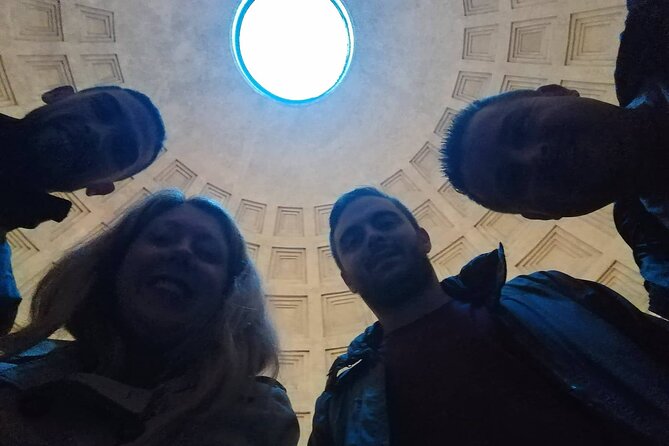
- Pantheon plus St Ignatius in one guided loop, with entrance tickets covered
- Raphael’s tomb is part of the story, not a random trivia detour
- A guide-led, question-friendly pace that keeps the sights understandable
- A brief Piazza della Rotonda stop to reset and see the area before the church
- Mobile ticket and public-transport-friendly meeting point, easy to reach on foot
- Small-group feel is a recurring theme, including groups kept tight (one review noted a limit of 5)
A tight, smart way to do the Pantheon (without getting lost in details)
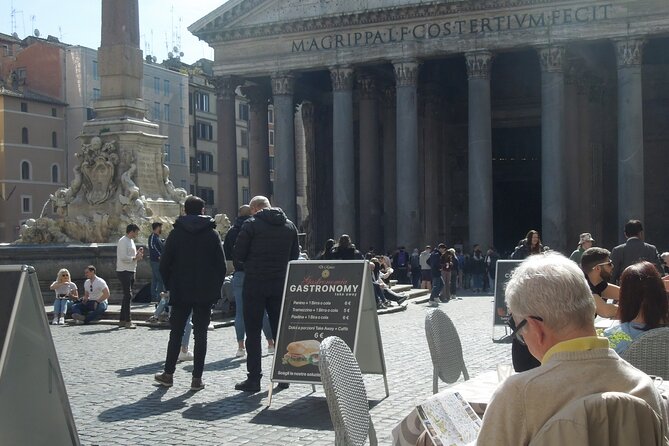
Rome can be overwhelming fast. This tour’s main advantage is focus: it doesn’t ask you to “figure it out” while you’re squeezed between big crowds and busy streets. Instead, you get a guide who turns the big-ticket sight into a clear sequence—Pantheon first, then tombs and key art, and finally the church fresco stop.
At about 1 hour 30 minutes, it’s long enough to learn something useful, but short enough to fit into a day that already includes other must-sees. If you only have one free block of time near the center, this format works well because it ends right near Piazza della Rotonda, where you can keep exploring afterward.
You can also read our reviews of more tours and experiences in Rome.



Entering the Pantheon with a guide who points at the right things
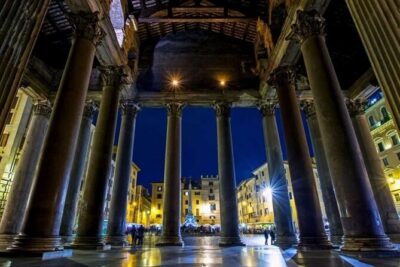
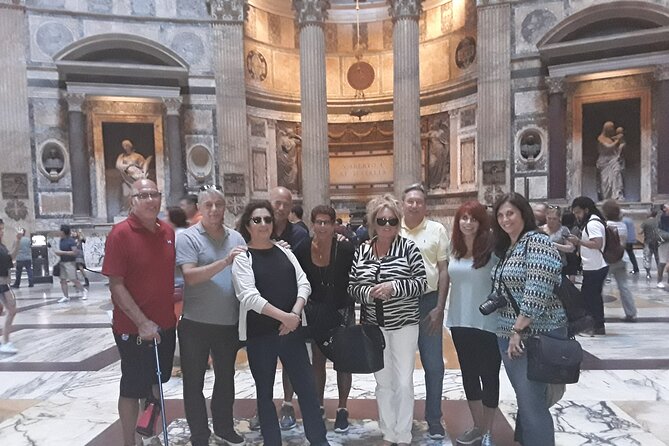
The Pantheon is famous for a reason: it’s the best-preserved ancient Roman monument, and it still feels like a masterpiece of design. What I like about a guided visit here is that the guide doesn’t treat it like a museum signboard. You hear the story behind the building’s significance and the details that shape how it feels inside.
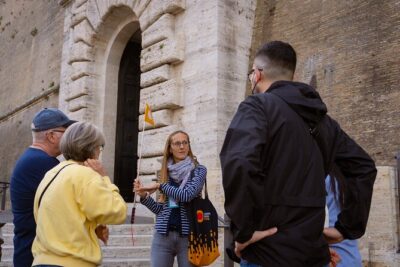
Expect an organized, guided walk that uses the architecture and artwork as teaching tools. Reviews highlight guides who know how to explain without rushing people. One guest specifically called out Michael as a fun, information-packed guide, and that’s the kind of delivery that makes a short tour work.
Here’s a practical tip: if you care about names, dates, and how different parts of the Pantheon connect, you’ll get extra value from the time your guide builds in for questions. That’s repeatedly praised, and it’s exactly what turns a “see it” experience into a “now I get it” experience.
One downside to consider
The Pantheon stop is about an hour. That’s ideal for learning, but it’s not built for slow, chapter-by-chapter reading. If you’re the type who wants to spend extra time just staring at inscriptions or taking a long, quiet circuit, you may want to pair this with separate free time afterward.
Piazza della Rotonda: the practical breather before the next stop
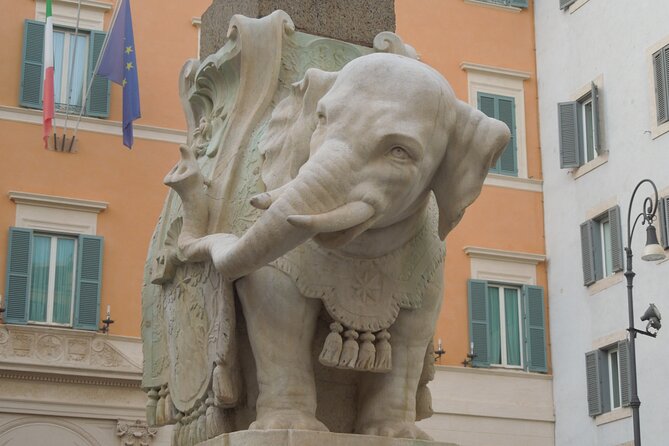
After the Pantheon visit, you get dropped near the surrounding area at Piazza della Rotonda. This portion is shorter—about 30 minutes—and it’s designed as a transition point, not a second long attraction.
What makes this stop useful is that it helps you re-orient quickly. The guide can point out what to notice around the Pantheon area, and you’re not just walking blindly to the next place. Since the tour includes a church-focused finale, this break gives you just enough time to adjust before shifting from ancient structure to religious art.
You also get to see the area in real life instead of only imagining it from photos. That matters because the Pantheon sits in a living part of Rome, not a travel-brochure vacuum.
The tombs of famous Romans, including Raphael
One of the most compelling parts of the experience is that it doesn’t treat tombs like background decoration. The guide brings the tombs of famous Romans into the narrative, including Raphael.
This is where a guided approach pays off. If you show up without context, it’s easy to walk past memorials as if they’re just names carved into stone. With a good guide, those tombs become the doorway into Rome’s layered story—ancient power and later cultural influence overlapping in the same space.
The Raphael connection is a strong hook even if you’re not a Renaissance expert. It’s the kind of name people recognize, and it gives your brain a reference point. Once you’re anchored, the guide can help you connect the rest of the burial history to what you’re seeing around you.






St Ignatius Church: frescoes and preserved artwork up close
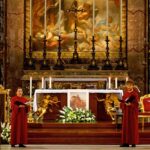
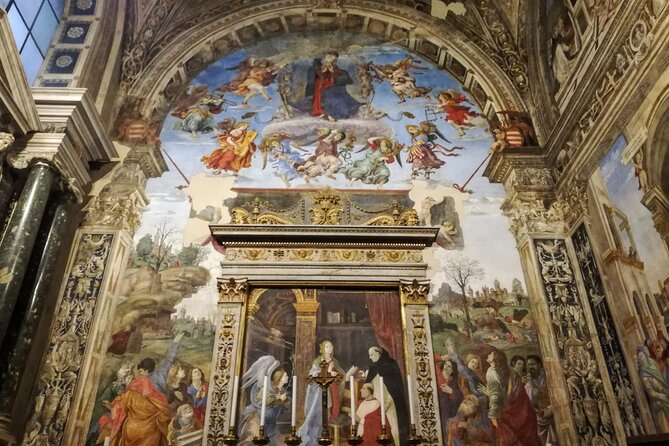
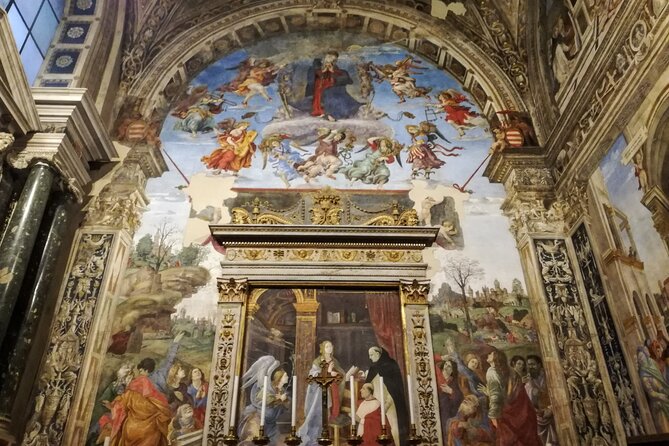
The tour ends with a visit connected to St Ignatius Church, where you’ll see breathtaking frescoes and at least one preserved fresco wall painting.
This church stop feels like a change of pace in the best way. You go from ancient architecture to religious art, but the transition doesn’t feel random. The way it’s set up helps you compare eras: how a building’s purpose shapes what you notice, and how artwork communicates ideas across centuries.
Another big plus here is the emphasis on what’s preserved. When something has survived with its original look, you can often see more clearly why it mattered to the people who first encountered it. Your guide’s job is to help you see those details instead of skating past them.
A note about free admission proof
For parts of the experience where entry is marked as free, you may be asked to show documentation proving your entitlement at the site entrance. If you’re relying on free admission eligibility, bring the proof you need before you arrive.
Price and value: why $72.25 can make sense in Rome
The price is $72.25 per person for an experience lasting about 1 hour 30 minutes. On the surface, that’s not “cheap,” especially in a city where you can often wander freely.
But the value is in three places:
- You’re not just buying entry. Entrance tickets are included, so you’re not juggling add-on costs mid-day.
- You’re paying for interpretation. The Pantheon and the tomb area are hard to “understand on vibes.” With the right guide, you get explanations and the chance to ask follow-up questions.
- You’re getting a two-site sequence. Pantheon plus St Ignatius in one go saves planning time. You also end right near Piazza della Rotonda, which is convenient for continuing your day.
If your travel style leans toward learning and leaving with stories you can retell, this kind of guided package often feels worth it. If your style is more about free wandering and you don’t care much about context, you may decide you’d rather do a self-paced visit.
Who this tour is best for (and who might skip it)
This works especially well if you:
- Want a guided explanation inside the Pantheon and care about understanding what you’re looking at
- Like history connections that include names such as Raphael
- Prefer a small-group feel and appreciate guides who stay fun and question-friendly
- Want to see more than one major sight in a short, clean plan—Pantheon plus the St Ignatius fresco stop
From the way guides are described, this is also a great match for travelers who worry that big Roman landmarks can become one long “see it and move on” blur. The praised delivery style from guides such as Virginia and Michael points to a tour experience that makes details feel accessible.
If you prefer deep solo time
If you like to linger, re-read, and keep wandering with no structure, the short 90-minute timeline could feel limiting. In that case, you might be happier with a self-guided visit where you control pacing.
Small-group energy and guide personality matter here
A detail that shows up again and again: the guides are described as friendly, knowledgeable, and able to make the buildings come alive. One guest even noted that the guide added a personal touch by pointing out a chocolate shop he loved. That’s not something you can count on, but it matches the overall vibe: guides aren’t just reading scripts.
Another repeated theme is that the tour doesn’t feel rushed. When your guide keeps a calm rhythm, you actually absorb what you’re seeing. And when the group size stays limited—one review called out a group size limited to five—you’re more likely to get real answers, not just generic commentary.
Should you book the Pantheon and St Ignatius tour?
Book this if you want a guided, high-value Roman highlight that connects ancient architecture, tomb history (including Raphael), and St Ignatius fresco artwork into one smooth experience. The best reason is the guide-led storytelling plus the time for questions, which repeatedly comes up as the difference-maker.
Skip it if you want maximum freedom of timing, or if you’re the type who plans to spend hours inside the Pantheon without interpretation. This is designed to teach you enough in about 90 minutes to make the rest of your Rome day easier and more meaningful.
FAQ
How long is the tour?
It runs for about 1 hour 30 minutes.
What is the price per person?
The price is $72.25 per person.
What language is the tour in?
The tour is offered in English.
Is this a private tour?
Yes. It’s a private tour/activity, and only your group participates.
Where do we meet and where does the tour end?
You start at Piazza della Minerva, 00186 Roma RM, Italy, and the tour ends at Piazza della Rotonda, 00186 Roma RM, Italy.
What’s included in the price?
Entrance tickets are included.
Is hotel pickup included?
No. Hotel pickup is not included.
Does the tour run in rain?
The tour goes with sun or rain, except extreme weather conditions. No refund is allowed for last minute cancellation requests due to rain.
What do I need if I’m using free admission?
You may need a document proving entitlement to free admission to show at the site entrance.