REVIEW · ROME
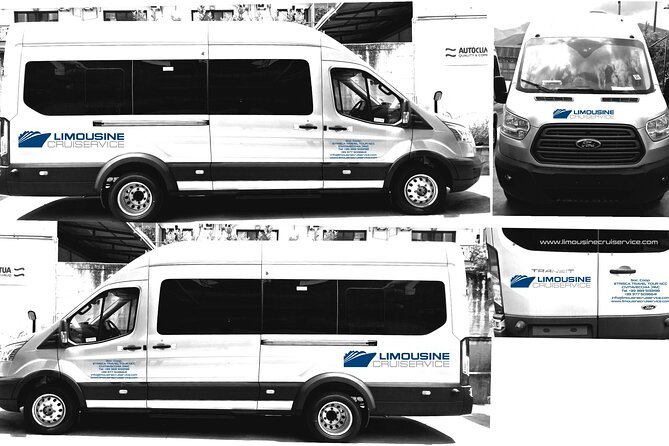
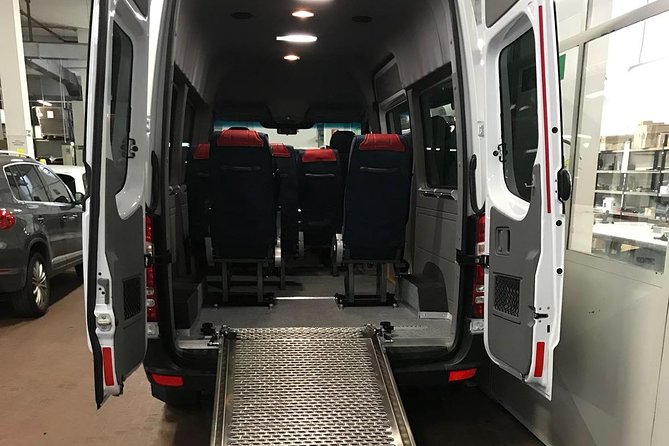
Minivan suitable for transporting disabled people with a wheelchair
Book on Viator →Operated by LIMOUSINE SERVICE DI MARIO SEPE · Bookable on Viator
Rome without barriers sounds good. This private shore excursion is built around a wheelchair-accessible minivan and a smooth port pickup and drop-off plan timed to your cruise schedule. I really like the way you can start right from Civitavecchia Port without hunting taxis, and I also like the live driver/guide commentary while you travel between sights. The one thing to consider: the day can stretch to up to 10 hours, so you’ll want to think about pacing and breaks.
The logistics feel calm because this is a private tour with only your group. The provider’s driver, Mario, gets singled out for being on time and genuinely helpful, which matters when you’re working around a wheelchair and a cruise departure window. If you’re heading into churches and selected museums, you’ll also need to follow a strict dress code.
In This Review
- Key things to know before you go
- Wheelchair-Ready Van: Getting Around Rome Without the Usual Fight
- Civitavecchia Pickup and Cruise-Timed Returns
- Planning a Flexible Rome Route: Classics or Your Own Mix
- Piazza Navona and the Pantheon: Close-Access Showstoppers
- Trevi and Spagna: Icon Views With Less Time Lost
- Fori Imperiali: Sights That Feel Like a Shortcut Through Time
- San Pietro in Vincoli and Michelangelo’s Mosè
- What the Driver/Guide Live Commentary Adds (And When It Helps)
- Duration, Energy Planning, and Real-World Pacing
- Price and Value: Paying for Access and Time Back
- Dress Code: The One Rule That Can Actually Block You
- Should You Book This Wheelchair-Friendly Rome Shore Tour?
- FAQ
- Where does the tour start?
- Is this tour wheelchair accessible?
- Do you get pickup and drop-off at the port?
- How long is the excursion?
- What’s included in the price?
- Does the tour offer flexibility in what you see?
- What are the dress rules for churches and museums?
- What if I need to cancel?
Key things to know before you go
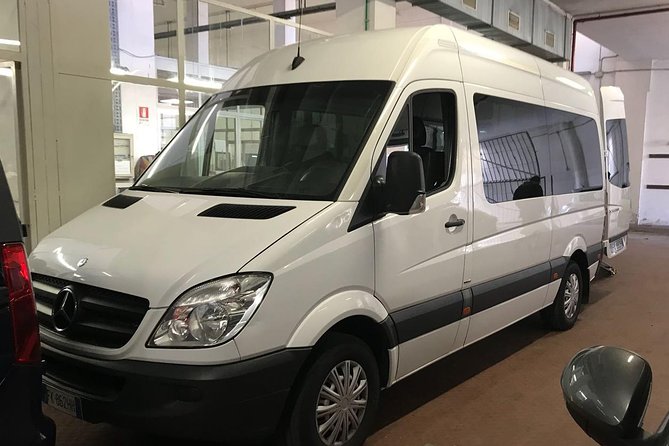
- Wheelchair-accessible Mercedes-style minivan for travelers who use a wheelchair
- Port-to-city center transfer that avoids taxi lines and shared shuttles
- Direct drop-offs near big sights like Piazza Navona and the Pantheon
- Private, flexible sightseeing that can focus on classics or lesser-known stops
- Live commentary in the vehicle so travel time feels useful, not wasted
Wheelchair-Ready Van: Getting Around Rome Without the Usual Fight
Rome is a great city, but it can be a rough one for anyone who needs extra space or easy access. This tour leans into that reality with a minivan designed for transporting disabled people with a wheelchair. That changes everything about your day, because you’re not trying to squeeze into vehicles, negotiate steep steps, or rely on luck when curb access gets messy.
What I like most is the “less stress, more sightseeing” payoff. Instead of spending energy figuring out how to move from port to city and then between scattered stops, you’re in a spacious vehicle and you’re going site to site. The tour description also makes it clear the vehicle is air-conditioned, which is a real comfort factor in Rome’s warmer months.
The driver/guide runs the day with live commentary as you travel. That means you’re not just being transported—you’re getting context while you’re seated, which is especially helpful when you’re managing mobility needs. It’s an easy way to keep the day feeling cohesive, even if you’re not spending long stretches walking.
You can also read our reviews of more tours and experiences in Rome.

Civitavecchia Pickup and Cruise-Timed Returns

If you’re on a cruise, time is the boss. One of the biggest practical wins here is port pickup and drop-off designed to match your cruise schedule, so you can focus on enjoying Rome instead of running back and forth with clocks in your head.
This is a private cruise transfer service starting at Civitavecchia Port. The tour summary also notes the service is available 24 hours a day, seven days a week, which is useful if your ship’s arrival or your travel window is unusual. You provide your ship details (and tour details, if applicable), and the plan is set from there.
The other thing I appreciate: you’re not sharing a shuttle or dealing with taxi meters. Rome traffic can be unpredictable, but having a pre-arranged plan usually makes it easier to stay on track. When mobility is involved, reducing uncertainty is a big deal.
Planning a Flexible Rome Route: Classics or Your Own Mix
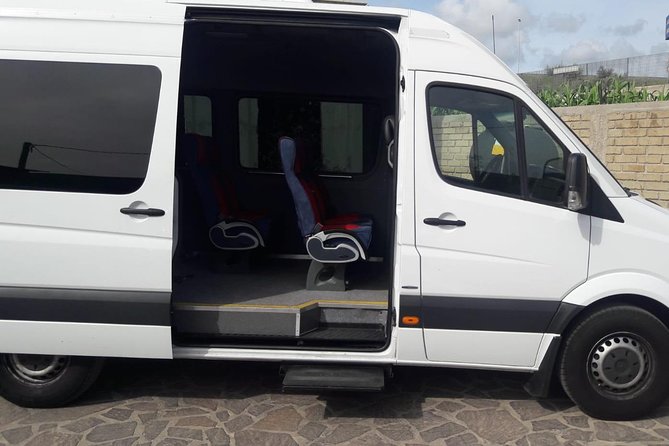
This is a private tour, so the sightseeing can be built around your group. You’ll get the classic highlights, but you also have the option to customize your itinerary to include lesser-known options. That flexibility matters when you’re using a wheelchair, because you may want to spend more time where access is easiest and keep other stops shorter.
The tour highlights specifically call out being dropped directly in front of major sights like the Pantheon or Piazza Navona. In a city where getting close can be the hardest part, direct drop-offs help you spend time where it counts.
Here’s how the sightseeing lineup reads once you’re in Rome:
- Piazza Navona
- Pantheon
- Fontana di Trevi
- Piazza di Spagna
- Fori Imperiali
- Chiesa di San Pietro in Vincoli (for the famous Mosè sculpture)
The tour also mentions you can zip between major attractions like these. Practically, that means your day is structured as a sequence of high-impact stops rather than a wandering “figure it out” plan.
Piazza Navona and the Pantheon: Close-Access Showstoppers
Two stops where the access strategy really matters are Piazza Navona and the Pantheon. The good news is that you don’t just reach them—you’re meant to arrive close enough that you can transition smoothly between vehicle and site.
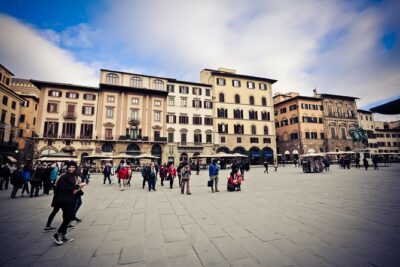
Piazza Navona is one of those places where you feel the geometry immediately. It’s an outdoor square that’s visually strong and easy to enjoy without requiring long, uphill walking. When you’re on a wheelchair-accessible day, you want moments like this: a clear space, something beautiful to look at, and not a complicated “how do we even get there” problem.
Then you move on to the Pantheon, which is another priority stop. The Pantheon is famous for a reason, but what’s equally important for you is that the tour is set up to bring you right to the attraction area. You’re not piecing together bus stops or trying to navigate from a far-off drop. You get in, you take it in, and you move on.
A practical tip: plan your church/museum clothing in advance. Even if a stop is mostly an outdoor vibe, you may still find yourself needing to meet entrance rules at the places you step into. The dress code is strict—no shorts or sleeveless tops, and you need knees and shoulders covered to avoid being refused entry.
Trevi and Spagna: Icon Views With Less Time Lost
Next up are Fontana di Trevi and Piazza di Spagna. These are classic Rome stops that many people only see in passing, usually because they’re crammed between transfers and crowds. This tour’s value is that you can go there as planned stops, not as frantic photo breaks.
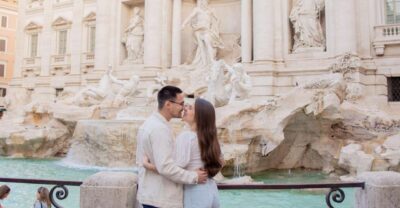
Trevi is all about the immediate impact. Even if you’ve seen it in photos, it’s one of those scenes where the scale hits you when you’re actually there. For wheelchair users, the big advantage is again the “drop-off close to the attraction” approach. That reduces the amount of maneuvering you need around barriers and people moving in every direction.
Piazza di Spagna is a different kind of Roman postcard: open space, street energy, and the feeling of sitting in the middle of the city’s social pulse. This is also a good place to slow down for a moment. If you’re managing stamina, this kind of stop can work well because you can spend time enjoying the surroundings without committing to heavy walking.
Because the day is private, you’re better positioned to decide when you’ve had enough. The tour structure gives you a sequence, but you’re not trapped in a rigid group pace the way you might be on a large coach-style tour.
Fori Imperiali: Sights That Feel Like a Shortcut Through Time
Fori Imperiali is where Rome shifts from “pretty piazzas” to “you’re standing in the middle of a story.” The view across the imperial forums helps you understand why Rome keeps pulling people back. It’s not just a single monument; it’s the sense of layers—built, rebuilt, and repurposed over centuries.
From a practical perspective, this is an ideal stop for a private accessible tour because transportation between points is handled. You don’t waste energy moving slowly through the city while everyone else is hustling to the next photo op.
You’ll want to treat this stop as a moment for looking and getting oriented. Even if you don’t go into every possible area, the visual connection between structures is the point. With a wheelchair-friendly setup, you can focus on perspective rather than on logistics.
San Pietro in Vincoli and Michelangelo’s Mosè
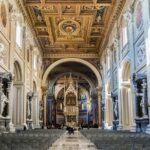
The last major listed stop is Chiesa di San Pietro in Vincoli, highlighted for the Mosè by Michelangelo. This is one of those art-and-architecture stops where the inside experience is the main event, and the dress code becomes extra relevant.
If you’re planning to enter the church, make sure you can cover shoulders and knees. That’s not a small detail. The tour info explicitly warns that you may risk refused entry if you don’t meet the requirements. Rome’s rules here are not flexible, and it can be frustrating if you arrive dressed for the heat.
Why I think this stop is worth putting in your day plan: it’s a change of pace from squares and fountains. You go from outdoor spectacle to focused sculpture and sacred space. It’s also the kind of sight that gives your day a “moment that sticks,” especially for people who appreciate art more than crowds.
What the Driver/Guide Live Commentary Adds (And When It Helps)
This tour includes live commentary on board. That might sound like a generic add-on, but for a private accessible shore excursion, it can be the difference between a day that feels random and one that feels organized.
I like using commentary during transitions. You’re traveling between points, and you can learn what you’re about to see before you step off the van. It also helps you connect dots across stops, so Trevi isn’t just a fountain and Fori Imperiali isn’t just ruins. You start to see how the city’s parts relate.
If you have questions about access, timing, or which stops are best for mobility needs, a good guide is useful. The feedback for Mario specifically points to helpfulness and knowledge, which matters when the goal is comfort plus clarity, not just movement.
Duration, Energy Planning, and Real-World Pacing
The tour duration is listed as 4 to 10 hours. That range is wide, which tells me the experience may flex based on your cruise timing and your pace. For wheelchair users, pacing isn’t optional—it’s the whole strategy.
If you’re early in the cruise day and everything lines up perfectly, you might stay closer to the shorter end. If you need more time at each stop, the day can stretch. That’s not a problem by itself, but it changes how you should prepare.
My practical advice is to think in “chunks” rather than “hours.” Pick what matters most to you: maybe you want extra time at the Pantheon area, or maybe you want more viewing time for Fori Imperiali. Since this is private, you’re not stuck conforming to a large-group schedule.
Also, remember that food and drinks are not included. So plan a light strategy—snacks and water that work with your needs. Even if the tour is smooth, long sightseeing days can fatigue you faster than you expect.
Price and Value: Paying for Access and Time Back
The price is $1,573.28 per group (up to 15). That might look steep at first glance, but private shore excursions usually cost more because they pay for door-to-door transportation, a driver/guide, and a schedule that doesn’t waste time.
Here’s what makes it feel like more than just a ride:
- It’s a private setup, not a shared experience.
- It’s designed for wheelchair accessibility, not an afterthought.
- It includes live commentary so travel time is productive.
- It includes port pickup and drop-off that’s timed to your cruise.
There’s also a note that the vehicle can accommodate up to eight passengers, which is a key detail for value. If you’re traveling with a small group, splitting the cost can make the per-person math more reasonable. If you’re a family or a mixed group with multiple accessibility needs, a private accessible van can still be a smart move because it reduces hassle and time lost to logistics.
If you’re comparing costs, treat this as a trade: you pay for fewer problems. In Rome, fewer problems can be priceless.
Dress Code: The One Rule That Can Actually Block You
This tour requires a dress code to enter places of worship and selected museums. The rule is simple but strict: no shorts or sleeveless tops, and you need knees and shoulders covered for both men and women. The information also says you may risk refused entry if you don’t comply.
Don’t wait until you’re at the church. Fix this before you head out on your shore day. If you’re packing for heat, bring something lightweight that covers. That way you’re not negotiating with rules while you’re already tired.
Should You Book This Wheelchair-Friendly Rome Shore Tour?
I’d book it if you want a Rome day that’s built for comfort and access, not convenience-the-hard-way. The standout value is the combination of wheelchair-suitable minivan, direct site drop-offs, and cruise-timed port logistics. If your priority is seeing major Rome sights with less stress, this tour fits that goal well.
I’d think twice if you know you won’t do well with a long day and your cruise window pushes you toward the upper end of the 4 to 10 hour range. In that case, consider whether you want a shorter, tighter sightseeing approach.
FAQ
Where does the tour start?
It starts at Civitavecchia Port.
Is this tour wheelchair accessible?
Yes. The tour uses a minivan suitable for transporting disabled people with a wheelchair.
Do you get pickup and drop-off at the port?
Yes. Port pickup and drop-off are provided and timed to your cruise schedule.
How long is the excursion?
It runs about 4 to 10 hours.
What’s included in the price?
Included are transport by an air-conditioned minivan, a private tour with a driver/guide, and live commentary on board. Food and drinks are not included.
Does the tour offer flexibility in what you see?
Yes. You can tick off classic sights or customize your itinerary to include other options.
What are the dress rules for churches and museums?
You must cover knees and shoulders. No shorts and no sleeveless tops are allowed, and you may be refused entry if you don’t comply.
What if I need to cancel?
You can cancel for a full refund if you cancel at least 24 hours in advance. Cancellations within 24 hours are not refunded.