REVIEW · ROME
Jubilee tour: art and popes in Rome in the golden age of Christendom
Book on GetYourGuide →Operated by Roman Art and History · Bookable on GetYourGuide
Jubilee Rome is history you can walk. This 3-hour, semi-private route connects the big Jubilee moments of Catholic history to the streets, churches, and artists you actually see today. I especially like how the tour explains the Jubilee as a living idea, not just a date on a calendar, and how it ties art and popes together block by block. One thing to consider up front: Pantheon entry isn’t included, and you’ll need to reserve directly on the Pantheon website if you want inside time.
The pacing feels built for first-time orientation in central Rome without turning it into a race. You start at the Accademia di San Luca and then move through key “stations” where art academies, papal culture, and Renaissance/Baroque power shaped what pilgrims experienced. Also, guides really matter here; in past runs, a guide named Diana has been praised for bringing both fun and real depth to the story.
Still, don’t book this expecting a sit-down museum day. It’s a walking tour on uneven streets, and it’s not suitable for wheelchair users or people with motion sickness. If you’re someone who needs frequent breaks or step-free routes, you’ll probably want a different format.
In This Review
- Key Things I’d Mark on Your Map
- From Accademia di San Luca to Trevi: The Jubilee as Power and Art
- Pontifical Gregorian University and the Baroque Rome Learning Curve
- Piazza di Pietra to Piazza Colonna: Where Roman Layers Collide
- St. Ignatius: When New Orders and Old Power Meet
- Santa Maria Sopra Minerva: 1300 Jubilee Roots and St. Catherine of Siena
- Pantheon Area: Millennia of Meaning, With a Ticket Twist
- Sant’Ivo alla Sapienza: Where Jubilees Were Organized
- The Caravaggio Ending Near S. Agostino and S. Luigi
- Price and Value: What $71 Buys in Real Rome Time
- Who Should Book This Jubilee Art and Popes Walk
- Practical Tips So Your Tour Feels Easy
- Should You Book It?
- FAQ
- Is the Pantheon entrance included?
- How long is the tour?
- Where do I meet the guide?
- What languages is the tour offered in?
- Is this tour wheelchair accessible?
- Is the tour okay for people with motion sickness?
- What should I wear or bring?
- Can I cancel for a refund?
- Is it a private tour?
Key Things I’d Mark on Your Map
- Accademia di San Luca as your kickoff: the start point frames the tour as art in papal service, not separate from church politics.
- Trevi Fountain during the Jubilee of 1650: you’ll hear about the artist rivalry that shaped the site’s Jubilee story.
- Pontifical Gregorian University area in Baroque Rome: a cultural stop that helps you understand why learning and power moved together.
- Two church interiors that anchor the theme: St. Ignatius and Santa Maria Sopra Minerva connect popes, orders, and jubilees across centuries.
- Santa Maria Sopra Minerva and the 1300 Jubilee: St. Catherine of Siena is also there, giving the stop a strong “why this matters” feeling.
- Caravaggio’s story at the end: the route finishes in the neighborhood where his “rebel” energy fits the Jubilee drama.
From Accademia di San Luca to Trevi: The Jubilee as Power and Art
You start right where the art world in Rome likes to pretend it’s always been grown in a greenhouse: the Accademia di San Luca. The idea here is smart. Before you even hit the famous postcard spots, you get the tour’s thesis—art wasn’t just decoration. In papal Rome, art helped communicate authority, doctrine, and prestige.
The guide gives you a short orientation (about five minutes) right at the meeting point area, helping you understand what you’re looking for as you walk. That matters in Rome because a lot of “great Rome” looks the same from the street. This tour tries to make you see why specific buildings became important for jubilees and pilgrims.
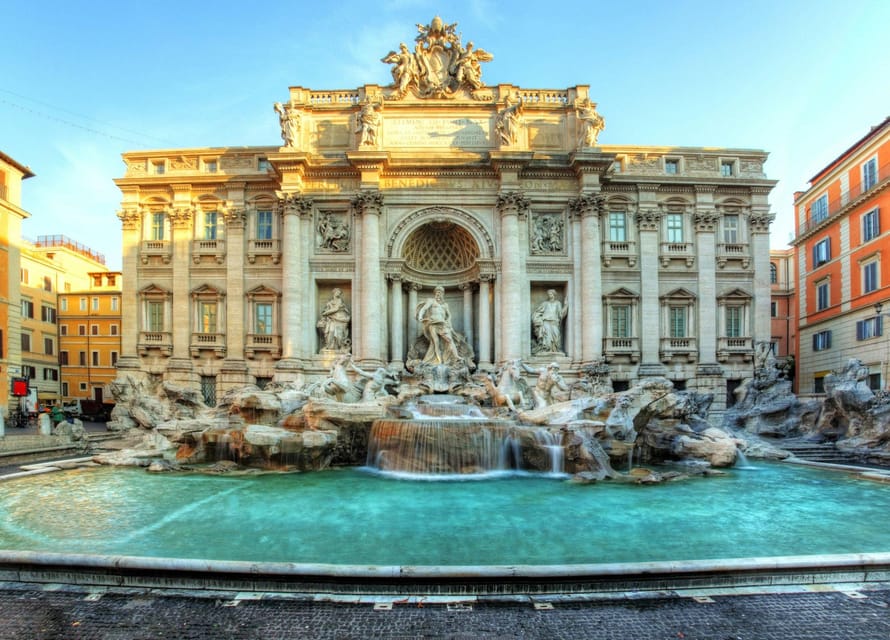
From there, you head to the Trevi Fountain, one of those locations where everyone takes the photo but few people know the backstory that explains its place in Jubilee culture. You’ll spend around fifteen minutes here, and the focus isn’t just the fountain itself. It’s the Jubilee of 1650 and the rivalry between two famous artists who shaped the competition for how the Jubilee would be seen.
I like this approach because it turns a crowd magnet into a chapter in how Rome worked. Pilgrims came for spiritual reasons, but the papacy still had to manage images—what pilgrims would remember, what cities would copy, and what visitors would talk about long after they left. Art becomes a political tool. You’ll feel that theme growing as the route continues.
You can also read our reviews of more tours and experiences in Rome.
Pontifical Gregorian University and the Baroque Rome Learning Curve
Next comes a stop by the Pontifical Gregorian University area. You’ll spend about ten minutes walking and listening around Piazza della Pilotta and the university’s Baroque presence. This is where the Jubilee story expands beyond churches into education and intellectual power.
In plain terms: if you’re running a religious event meant to draw the world, you need more than buildings. You need training, communication, and thinkers. The university functions here as a “beacon of culture,” and the guide uses that to connect learning orders, papal influence, and the broader Baroque culture that framed the Jubilee era.
This part is useful if you tend to experience Rome as a sequence of monuments. You’ll start to see it as a system—institutions producing ideas, ideas producing art, and art producing the pilgrim experience.
Piazza di Pietra to Piazza Colonna: Where Roman Layers Collide
As you move through the area around Piazza di Pietra and toward Piazza Colonna, you get a kind of Rome lesson without a lecture hall: ancient Rome meets the origin of Christianity. The tour uses these squares and corridors like a bridge between eras.
You also pass through Galleria Sciarra, known for its frescoes. Even if you’ve only got a short time, frescoes are one of those “quiet wins” for art lovers. They give you texture—color, storytelling, and the feeling that Rome is constantly remixing its past.
At Piazza Colonna and Piazza di Pietra, the guide points out how the physical placement of sites supports the theme. Jubilee Rome wasn’t only about going to the biggest domes. It was about making a route where symbolism did the work. Squares like these help stage a pilgrimage in which the viewer is also the participant.
If you’re the type who gets tired when a tour turns into too many stops, this is a point to pace yourself mentally. Let the guide’s narrative steer you, but don’t try to memorize every name. The value is how it makes the city’s layers click together.
St. Ignatius: When New Orders and Old Power Meet
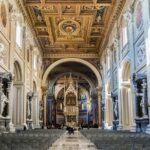
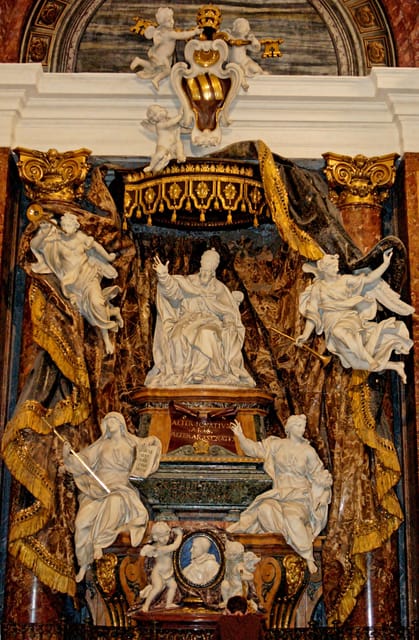
One of the highlights is an interior church visit: St. Ignatius. You’ll spend around ten minutes there, which is just enough time for a “first look” that you can still remember afterward.
This stop fits the Jubilee theme because St. Ignatius is tied to the Jesuits—an order strongly connected with the spread of ideas, education, and global mission. The tour frames it with Popes, Jesuits, Knights, and artists involved in the New World story. Even if you know almost nothing about that era, you’ll come away with a better sense of why Rome acted like a global hub during major Jubilee years.
I like church interiors on walking tours when they’re used well. Here, the guide doesn’t treat the space as a generic photo opportunity. They connect the church to the movement of people and ideas that jubilees accelerated.
Santa Maria Sopra Minerva: 1300 Jubilee Roots and St. Catherine of Siena
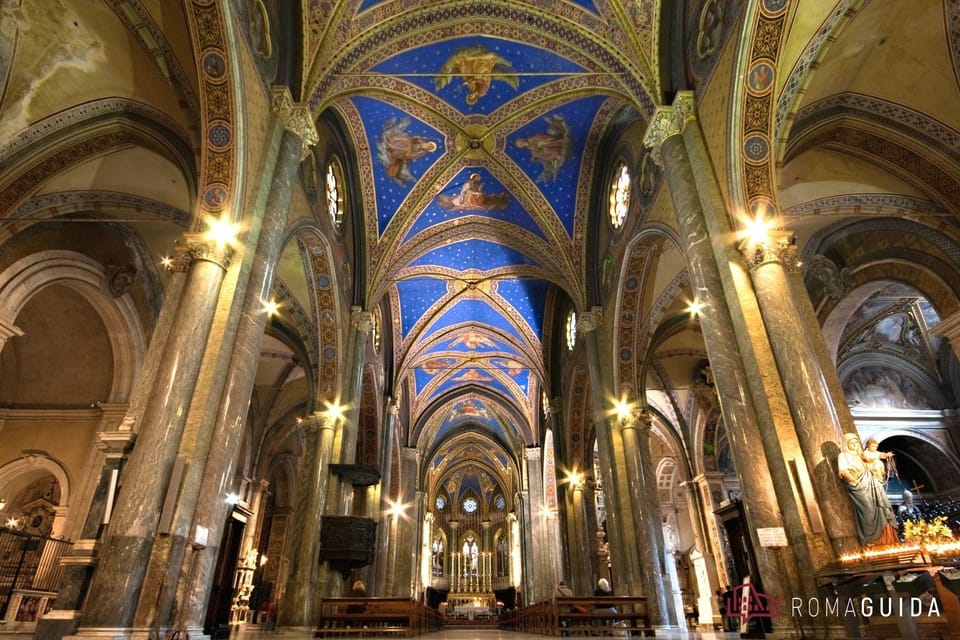
Then you move to Santa Maria Sopra Minerva, another church interior, for about ten minutes. This is one of the stops that gives the tour its sharpest “origin story” feeling.
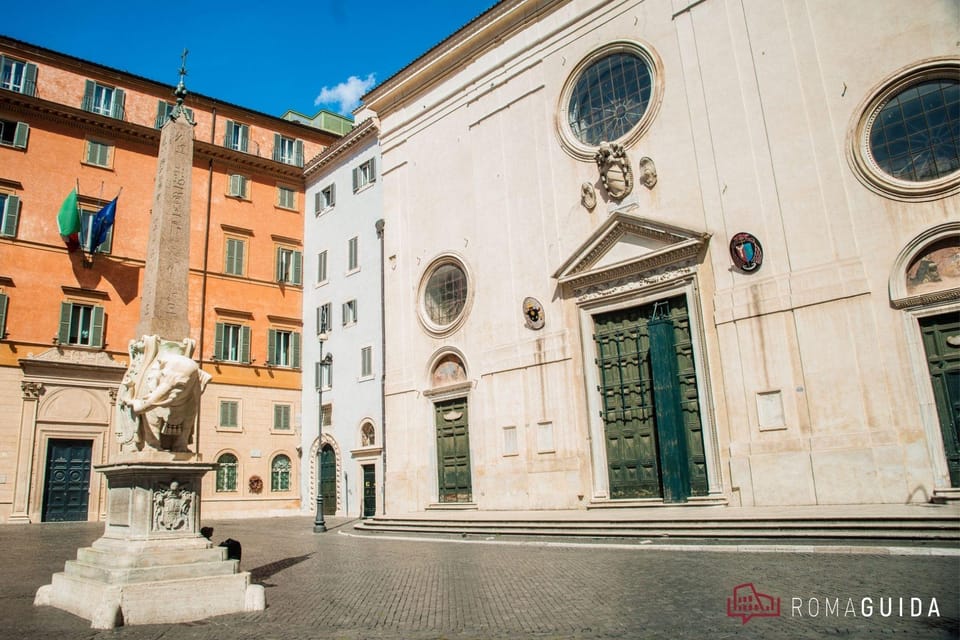
The big anchor is the first Jubilee celebrations in history, linked to the year 1300. You’ll also learn that St. Catherine of Siena rests here, and that she’s the patroness of Italy. That combination makes this church more than a beautiful interior. It becomes the tour’s way of proving that jubilees weren’t invented as a trend. They had deep roots, and those roots shaped how Rome built the pilgrim experience over time.
If you’re wondering why this tour doesn’t just focus on the most famous monuments, this is your answer. The Jubilee isn’t only about what’s dramatic. It’s about what endured—rituals, saints, and institutional memory.
Pantheon Area: Millennia of Meaning, With a Ticket Twist
The walk brings you toward the Pantheon, and you’ll get about fifteen minutes with the guide. This is where the tour’s theme really lands: the Pantheon stretches from the Roman Empire into a Renaissance-era Jubilee focus.
It’s worth saying plainly: Pantheon entry is not included. You’ll need to reserve through the Pantheon’s official website if you want to go inside. That’s the one practical snag to plan around, and it affects value. If you don’t get an entry slot, you’ll still understand the place and its role in the Jubilee story, but you’ll lose the full experience of standing in a space that symbolizes the whole “Rome across time” idea.
If you do care about inside time, plan ahead. Pantheon reservations can be time-sensitive, and the official route matters.
Sant’Ivo alla Sapienza: Where Jubilees Were Organized
After the Pantheon stop, the tour moves to the S. Ivo alla Sapienza area, including the patio. You’ll spend time here (the tour description and schedule give you a couple of moments in this precinct), and the guide uses it as a way to show how Jubilees were decided and organized in real rooms.
That detail changes how you see the architecture. You’re not only admiring a clever building. You’re learning that major religious events depend on administrative spaces—planning, communication, and coordination happen somewhere, and in Rome those somewhere’s often live right next to spectacle.
This is also where you’ll feel why the tour emphasizes major artists like Michelangelo and Bernini along the route. Jubilee culture wasn’t only about faith. It was about how Rome demonstrated taste, mastery, and control. You’ll start to see art as part of governance.
The Caravaggio Ending Near S. Agostino and S. Luigi
The finish leans dramatic, which fits the theme. The guide ends with Caravaggio, described as the rebel artist of the 1600s, with the story placed between the churches of S. Agostino and S. Luigi.
This kind of ending works because it reminds you that Rome’s religious history includes human drama—conflict, personality, scandal, ambition. Jubilees didn’t exist in a vacuum. They happened inside a city where art and politics collided, sometimes beautifully and sometimes messily.
The route ends at Via degli Acquasparta, which makes it easy to continue on your own afterward for dinner or a second walk.
Price and Value: What $71 Buys in Real Rome Time
At $71 per person for three hours, this is priced for a guide-led, central-Rome walking experience with several curated stops. The value comes from three things you can’t easily DIY on your own:
First, you’re getting a guided narrative that connects the Jubilee across centuries and ties it to specific sites. Second, you visit interiors of two churches (St. Ignatius and Santa Maria Sopra Minerva). Third, the route includes more than ten key places spanning origins through later centuries.
The only notable catch is the Pantheon. If you want the inside experience, you’ll need to handle Pantheon reservation separately. That doesn’t kill the value, but it does mean the best-case experience requires a little planning on your part.
For who this is best: if you’re short on time, want context, and prefer walking with someone who can point out what matters, this is a solid use of an afternoon.
Who Should Book This Jubilee Art and Popes Walk
I’d book it if you:
- Want a Jubilee-themed Rome that’s more than a highlights circuit
- Like art history tied to power, not art history in a vacuum
- Enjoy church interiors with a story
- Are visiting Rome for the first time and want quick orientation in central areas
I’d skip or choose something else if you:
- Need step-free accessibility or wheelchair-friendly routing
- Get motion sick from walking and crowds
- Prefer museum-style pacing with minimal street walking
- Are traveling with very limited walking tolerance
Practical Tips So Your Tour Feels Easy
- Bring comfortable shoes. Rome can look flat on a map, but the ground disagrees with you.
- Wear layers. Indoor church temperatures can swing.
- If you care about Pantheon entry, plan your reservation early since it isn’t included.
One small reality check: meeting points in Rome can get busy. When you arrive, take a quick look around for the guide at the Hotel all’Accademia area so you’re not stuck waiting.
Should You Book It?
If you want Jubilee history that actually connects to what you see outside, this is a good bet. The tour’s strongest asset is its storytelling glue—linking jubilees across time with art, popes, and specific sites that shape the pilgrimage experience. The church interiors (especially Santa Maria Sopra Minerva with the 1300 Jubilee connection and St. Catherine of Siena) give you moments that feel like real “why this place matters,” not just decorative stops.
If Pantheon inside time is a must for you, go ahead and book, but treat the Pantheon reservation as a separate task you’ll handle upfront. Do that, and you’ll get the full arc: Roman roots, Christian origins, Renaissance/Baroque presentation, and Caravaggio’s dramatic finale.
FAQ
Is the Pantheon entrance included?
No. Pantheon entry is not included, and you need to reserve through the Pantheon’s official website.
How long is the tour?
The tour lasts about 3 hours.
Where do I meet the guide?
The meeting point is in front of the Hotel all’Accademia.
What languages is the tour offered in?
The live tour guide is available in English and Italian.
Is this tour wheelchair accessible?
No. It is not suitable for wheelchair users and people with mobility impairments.
Is the tour okay for people with motion sickness?
It is not suitable for people with motion sickness.
What should I wear or bring?
Wear comfortable shoes.
Can I cancel for a refund?
Yes. You can cancel up to 24 hours in advance for a full refund.
Is it a private tour?
It’s a semi-private tour for small groups, and the experience mentions the possibility of an exclusive private tour.
If you tell me your travel dates and whether Pantheon inside time is a priority, I can help you decide the best way to schedule it.