One monument, but it hits two very different moods. I like that you get expert live commentary on Italian unification and the monument’s design, and I especially like the optional glass elevator that takes you to terrace views you can’t really fake. The main thing to watch: the elevator goes up 70 meters, so it’s not for people with vertigo or a fear of heights, and there’s a moderate amount of stair walking.
The setting is also smart. You start at a clear meeting place near central Rome, then you work your way through the Vittoriano complex at an easy pace for a ~40-minute visit. It’s the kind of tour that helps you understand what you’re looking at, then lets the view do the rest.
In This Review
- Top Highlights to Pay Attention To
- Key Points at a Glance
- Meeting the Guide at the Vittoriano: Where Your Tour Really Starts
- Vittoriano Basics: Getting Oriented Before You Climb
- Altar of the Fatherland: The Moment That Gives This Place Meaning
- The Staircases and the Architecture: Why You’ll Appreciate the Design Tour
- Glass Elevator to the Panoramic Terrace: The 360° Payoff
- Who should skip the elevator option
- If you’re comfortable with heights
- The Headset Detail You’ll Be Glad You Have
- Small-Group Energy: Why Max 10 Travelers Matters Here
- What Makes This Tour Worth the Money (Even When the Monument Is Free)
- Weather-Proof Plans: Rain Does Not Cancel the Story
- A Note on the Museum and What You Will Not Get
- Who This Tour Fits Best
- Should You Book This Vittoriano Altar + Terrace Tour?
- FAQ
- How long is the tour?
- How much does it cost?
- Is the tour in English?
- Does the price include the elevator?
- Is the museum inside the monument included?
- Where is the meeting point?
- Is this tour suitable for people with vertigo or fear of heights?
Top Highlights to Pay Attention To
If you choose the elevator option, you’ll spend most of your time seeing Rome from above, with a guide keeping the history straight. If you skip it, you still get the monument talk and the Eternal Flame moment, just without the big 360° terrace.
One last practical note: even though the monument itself is free to visit, you’ll pay for the guided experience and (if selected) the elevator ride. That can be a win, or it can feel unnecessary, depending on how much you like guided interpretation.
Key Points at a Glance
- Small-group size (max 10): more time for questions without feeling herded.
- Sterilised headsets: you’ll hear your guide clearly, even if others are nearby.
- Eternal Flame + Tomb of the Unknown Soldier: the emotional center of the site.
- Optional glass elevator: 360° views from a Panoramic Terrace at 70 meters.
- Built for quick understanding: history, architecture, and what you’re seeing, in about 40 minutes.
- Operates in all weather: rain or shine, you still get the plan.
You can also read our reviews of more private tours in Rome



Meeting the Guide at the Vittoriano: Where Your Tour Really Starts
Your tour meets near Piazza di S. Marco (4289, 00186 Roma RM). That matters more than you might think. A lot of Rome attractions are a maze of side streets, but this start point is simple to orient around, and the tour ends back at the meeting point. So you’re not left guessing where your guide disappears.
Also, arrive about 5 minutes early. This isn’t about being strict. It’s about keeping the group together before you start climbing steps. The monument area involves walking and stairs, so a calm start helps you feel human, not winded.
The tour runs in English and includes a live guide. You’ll get headsets, which is a big deal in the Vittoriano area where sound can scatter. If you’ve ever tried to lip-read a guide over a crowd, you’ll appreciate this setup.
Vittoriano Basics: Getting Oriented Before You Climb
The first part of your experience is all about making the Vittoriano make sense. Your guide starts with the monument to Victor Emmanuel II, explaining the neoclassical design and how the structure ties into Italy’s unification story.
This is where the guided format pays off. From ground level, the Vittoriano can feel like a grand marble mass. A good guide gives you the wayfinding brain. You start to notice the choices the designers made: what the monument is trying to communicate, and why it looks the way it does.
And because the tour is about 40 minutes, you don’t get dragged into a slow museum marathon. You get the core interpretation first, then you’re ready to appreciate the views later.
Altar of the Fatherland: The Moment That Gives This Place Meaning
As you move through the monument complex, you reach the Altar of the Fatherland, where the guide spotlights two big anchors:
- The Tomb of the Unknown Soldier
- The eternal flame burning for Italy’s fallen heroes
These details change how you read the site. Without explanation, you might just see a dramatic set piece. With a guide, you understand the symbolism and why the location matters inside the monument’s story.
This part of the tour is the emotional center. It’s also the place where the guide’s job is hardest, because it’s easy to talk history in a way that sounds like facts on a page. What you want is clear, respectful context and a quick sense of why people stand where they stand. A well-led 40-minute tour usually hits this very well.
The Staircases and the Architecture: Why You’ll Appreciate the Design Tour
One of the underrated values here is that you’re not only seeing Rome. You’re learning how this monument was built to frame Rome.
Your guide explains the architectural pieces while you continue upward. That makes the walking feel less like exercise for exercise’s sake. You’re earning perspective as you climb.
Also, you’ll likely be walking many steps. The tour description flags moderate physical fitness and recommends comfortable shoes. I agree with that advice. Even if you’re a good walker, the combination of stairs plus looking around makes it feel longer than it is.
If you want a smooth day, pair this with lighter activities afterward. You’ll do fine if you’re used to stairs, but don’t stack it with another intense site right before.






Glass Elevator to the Panoramic Terrace: The 360° Payoff
Here’s the big decision point. The tour includes access to the elevator only if you select the option during purchase.
If you do choose it, the glass elevator rises 70 meters to the Panoramic Terrace. And yes, it’s glass. So your brain knows it’s high up.
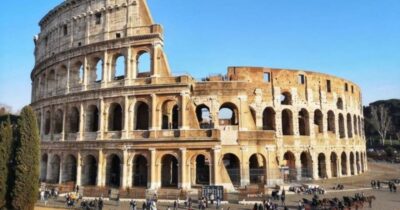
From the terrace, the guide points you toward panoramic landmarks across Rome—from the Colosseum to St. Peter’s Basilica. That range is the reason this tour is worth considering even if you’ve seen Rome from other viewpoints. The Vittoriano sits in a part of central Rome that gives you a broad sweep.
Who should skip the elevator option
If you have vertigo or you’re afraid of heights, skip the elevator. The height and the glass design are the exact combination that triggers fear for some people. The rest of the tour still works as a good guided visit to the monument areas.
If you’re comfortable with heights
If you’re okay with elevations, the elevator ride is the fun part that turns the visit into a memory. It also helps you see how the monument relates to the wider city. You don’t just learn; you look.
The Headset Detail You’ll Be Glad You Have
The tour includes sterilised headsets so you can hear your guide clearly. This is a small line item that changes the whole experience.
In Rome, noise is part of the atmosphere, but it shouldn’t ruin your understanding. With headsets, you can focus on what the guide is saying while still taking in the view. It also means you don’t have to hover near your guide like a schoolkid to catch every word.
Tip: the tour also recommends that you bring your own headphones to reduce plastic waste. I like that idea because it’s easy to do and keeps your day more environmentally sensible. But since headsets are provided, you’re covered either way.
Small-Group Energy: Why Max 10 Travelers Matters Here
This is a maximum 10-person tour. That size does two useful things.
First, it keeps the pace manageable in stair-and-steps territory. You’re less likely to lose track of the group while you slow down for photos or details.
Second, it gives you real question time. The biggest win with small groups is that your brain can ask follow-up questions instead of just accepting a one-way lecture. A couple thoughtful questions can turn a good tour into a great one.
And if you’re the type who likes to understand the why behind the what, this group size is a plus.
What Makes This Tour Worth the Money (Even When the Monument Is Free)
Let’s talk value, because the Vittoriano can be free to visit except for the elevator ride and museum. So why pay for a guided tour?
Here’s the honest answer: you’re paying for interpretation and time efficiency.
You could walk the monument on your own and still get the big photo moments. But you’d likely miss the connections between the monument’s neoclassical choices, Italy’s unification story, and what the Eternal Flame and Tomb represent in context. This tour compresses those explanations into about 40 minutes, with a guide handling the “what am I looking at?” part so you can enjoy “I get it” moments.
Your price is $34.55 per person, and that typically covers the live guide plus the included headset technology. If you selected the elevator option, you’re also paying for the elevated terrace experience. That’s the part you can’t really recreate by yourself in the same way.
In plain terms: if you love history and symbolism, the guide is the value. If you only want views and you’re comfortable reading on your own, you might not need the tour.
Weather-Proof Plans: Rain Does Not Cancel the Story
This tour runs in all weathers. That matters because central Rome views can shift by light fast, and rain can make crowds messy.
One practical upside: the guided format keeps you moving through key points even if conditions aren’t ideal. You still get the monument story and the core set pieces. If you want 360° views from the terrace, weather can affect visibility, but you still get the experience structure.
So pack accordingly—especially shoes—because wet stone plus stairs is not the moment to wear new slippery soles.
A Note on the Museum and What You Will Not Get
This tour does not include access to the museum inside the monument. So if museum rooms are your main goal, you’ll want a separate plan.
Think of this tour as the interpretive route through the monument spaces tied to the unification narrative, the Tomb of the Unknown Soldier, and the terrace views (if you select the elevator). It’s focused. That’s good for a short visit, but it’s not trying to be everything.
Who This Tour Fits Best
I think this works best for people who want structure without committing to a half-day. It’s also a strong pick if you enjoy architecture plus quick history, and you like the idea of asking questions.
You’ll likely enjoy it if:
- You want a guided explanation of Italian unification through the Vittoriano.
- You care about meaning, not just photos.
- You’re comfortable walking stairs at a moderate level.
- You want to see Rome from above, ideally with the elevator option.
You may want to skip the elevator option (or consider a different plan) if:
- You have vertigo or you’re afraid of heights.
- You need a low-stair, low-elevation experience.
Should You Book This Vittoriano Altar + Terrace Tour?
Book it if you want your Rome monument time to feel like understanding, not just sightseeing. For $34.55, you’re buying a guide plus headset clarity, and possibly the elevator terrace that turns the visit into a real 360° moment from central Rome.
If you’re the kind of traveler who reads slowly and likes going at your own pace, you might still prefer self-guided time at the Vittoriano since the monument is free. But if you want your questions answered and your view framed by context, this tour’s format is hard to beat for a short stop.
My practical rule: choose the elevator option only if you’re comfortable with the 70-meter glass ride. If not, the guided monument visit still delivers.
FAQ
How long is the tour?
It runs about 40 minutes (approx.).
How much does it cost?
The price is $34.55 per person.
Is the tour in English?
Yes, it’s offered in English.
Does the price include the elevator?
You get elevator access to the Panoramic Terrace only if you select the elevator option during purchase. The elevator is not included by default.
Is the museum inside the monument included?
No. This tour does not include access to the museum inside the monument.
Where is the meeting point?
You meet at Piazza di S. Marco, 4289, 00186 Roma RM, Italy, and the tour ends back at the meeting point. Arrive about 5 minutes early.
Is this tour suitable for people with vertigo or fear of heights?
No. The elevator option is not suitable if you have vertigo or fear of heights, since it ascends 70 meters. The tour also notes it is not suitable for people who fear heights.