REVIEW · ROME
Golf Cart Tour Private Experience of Rome’s City Center
Book on Viator →Operated by Bibbo Tours · Bookable on Viator
Rome by golf cart beats the usual slog. This private 3-hour ride through the city center makes Rome feel easy to read at first glance, with electric-powered comfort and stops that let you step out for photos and quick bites. You also get a guide who can tailor the day to your interests, instead of running you through a one-size route on autopilot.
I love the hotel-to-cart convenience: pickup in/near your place inside the Aurelian walls, and you can finish with drop-off in the city center. I also love the low-stress way you cover big sights like Trevi Fountain and the Pantheon without burning your legs on cobblestones. One thing to plan for: the Pantheon admission isn’t included, so you’ll want to handle that stop’s entry on your own.
In This Review
- Key points before you book
- Why a private golf cart tour is a smart first move in Rome
- Price, time, and what $156.07 really buys you
- Pickup and drop-off: the part that makes the day feel effortless
- Trevi Fountain and the Pantheon in one smooth sweep
- Piazza di Spagna, Bernini’s Barcaccia, and the photo-friendly pace
- Over the Tiber: Isola Tiberina and Circo Massimo without the long walk
- Giardino degli Aranci: a viewpoint stop that’s worth the cart
- Bocca della Verità: the legend moment you can actually do
- Campo de’ Fiori, Trastevere, and Piazza del Popolo: Rome with personality
- Janiculum Hill and Piazza Navona: the tour’s big visual payoff
- What makes the guides stand out in real life
- Who this tour is best for (and who might skip it)
- Should you book this private Rome cart tour?
- FAQ
- How long is the golf cart tour?
- Is this a private tour?
- Do I get hotel pickup in Rome?
- What language is the tour offered in?
- Is admission included for all stops?
- Can the route be customized?
- What’s the starting time?
- How far in advance should I book?
Key points before you book
- Private group only: just your party, no mixing with strangers.
- Pickup + flexible drop-off: you’re collected from your hotel/B&B/apartment area inside the Aurelian walls.
- Electric cart comfort: open-air views with a smoother ride than walking all day.
- Short, smart photo windows: quick get-down stops at key landmarks, timed so you don’t waste daylight.
- A guide who adjusts the route: tell them what you care about and your pace, and the tour can flex.
- Pantheon is the one “ticket yourself” stop: plan your budget and time for that entry.
Why a private golf cart tour is a smart first move in Rome
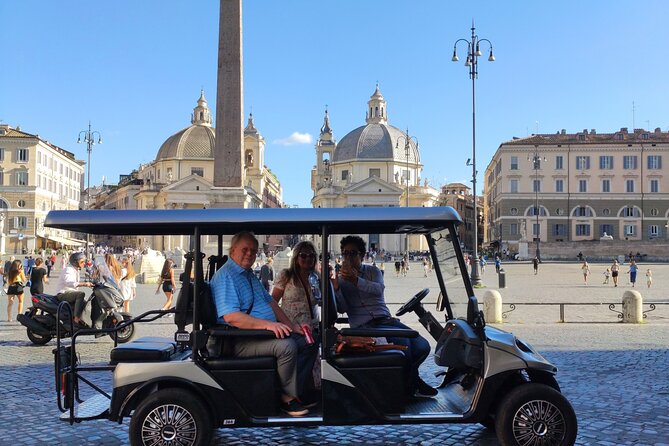
Rome can be a lot on day one. Streets are narrow, sidewalks can be stop-and-start, and you still want to see the icons without turning your vacation into one long footrace. This is the type of tour that helps you get your bearings fast.
The electric cart matters. It’s not just about saving steps. It changes how you experience the city: you can look up at facades and domes while still moving efficiently between areas. The tour also builds in those small moments where you can step out, frame a photo, and keep going—so you’re not stuck in a single long line before you’ve even learned where things are.
And since it’s private, the “how fast?” question is yours. If you want more time for viewpoints, or less wandering once you’ve seen what you came for, your guide can usually shape the day.
You can also read our reviews of more city tours in Rome


Price, time, and what $156.07 really buys you
The price is listed at $156.07 per person for about 3 hours. That’s not the cheapest way to see Rome. But it’s often a fair value when you think about what you’re outsourcing: transportation inside the center, a dedicated guide, and a route that links multiple major sights with minimal hassle.
Here’s the practical way I look at it:
- If you’re short on time, you’re buying back hours you’d spend moving between neighborhoods.
- If your group includes kids, older travelers, or anyone who hates long walking days, the cart can turn a “we’ll see a few things” trip into a “we saw a lot” trip.
- If you’re planning to do several big monuments, paying for a guide can help you avoid wasted effort (wrong turns, inefficient routes, and “wait, where is that?” moments).
Timing note: there’s a 7:00 AM start only option that runs about 2 hours. That earlier departure can be a good trade if you want the city with fewer crowds and you don’t need a full half-day.
Pickup and drop-off: the part that makes the day feel effortless
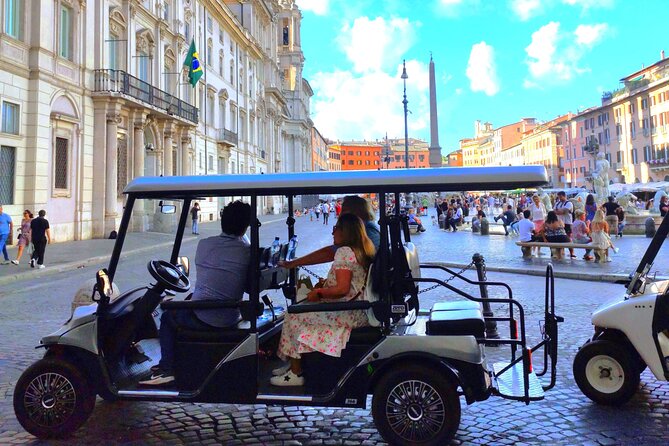
Rome’s center is doable, but it’s not always easy to meet a tour group. This experience solves that with pickup from your place: any hotel/B&B/apartment inside the Aurelian walls.
That matters more than it sounds. When you start right near home base, you lose less time. You also don’t need to figure out where the best “grab-and-go” transit point is on a first day.
At the end, you can choose either to return to your original meeting location or get dropped off anywhere in the city center. That’s ideal if you have a reservation later—dinner plans, a museum ticket, or just the need to get back before your legs turn into noodles.
Trevi Fountain and the Pantheon in one smooth sweep
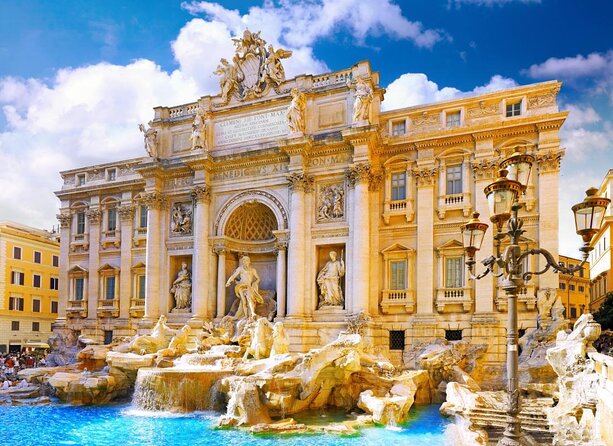
You’ll begin at Trevi Fountain. This stop is about 10 minutes, with admission listed as free. In that short window, you’re mainly there for the moment: the fountain’s scale, the iconic view everyone recognizes, and the chance to get a clean photo before the area gets crowded.
Trevi is also a timing test. If you want good pictures, arrive with a plan: decide where you’ll stand, and don’t wait until you’re already surrounded by people to start thinking about angles.
Next up is the Pantheon, with about 15 minutes. Admission here is not included, which is the biggest “plan it yourself” point on the route. The upside is huge: the Pantheon is one of the best-preserved monuments from Ancient Rome, and it’s now a church. If you’ve seen photos of the dome and its central oculus, this is your chance to see that engineering in real scale. You’ll also hear how the space is used today, plus references to notable figures associated with the church area.
Practical advice: because your entry isn’t included, you should budget a little extra mental energy for that stop. If you’re visiting in peak season, you’ll be glad you’re there with a guide so you don’t lose the momentum of the day.
Piazza di Spagna, Bernini’s Barcaccia, and the photo-friendly pace
From the Pantheon area, you move toward Piazza di Spagna. You’ll have about 15 minutes, and admission is free.
Your landmark moment here is the Barcaccia fountain by Bernini, positioned in front of the famous Spanish Steps. This stop works well in a cart tour because it’s a classic “see it, photograph it, then move” location. You get the sense of the area without committing to a long sit-and-stare session.
This is also where I like to tell my guide what I’m actually in the mood for. Some people want just quick landmark coverage; others want a slow look at details like the fountain base, the church facades in the square, and the way the streets spill outward.
You can also read our reviews of more private tours in Rome






Over the Tiber: Isola Tiberina and Circo Massimo without the long walk
You’ll make a stop at Isola Tiberina (about 10 minutes, free). It’s the only island in the section of the Tiber that runs through Rome. This is one of those places that feels “small” on a map, but it’s surprisingly meaningful once you see how the river shapes the city.
Then you head to Circo Massimo for about 5 minutes (free). This was an ancient chariot-racing stadium—described as the first and largest of its kind in Ancient Rome, located in the valley between the Aventine and Palatine hills.
Five minutes sounds brief, but that’s the point of this tour style. Circo Massimo is best as an orientation stop: you see where it was, you get the story of what it was for, and you keep moving so the day stays fun instead of exhausting.
Giardino degli Aranci: a viewpoint stop that’s worth the cart
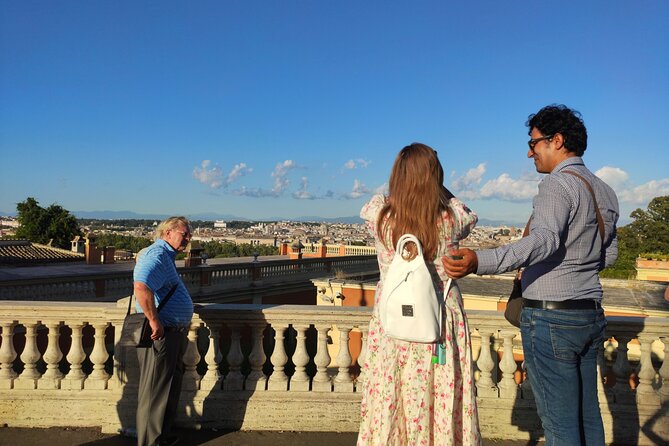
Next is Giardino degli Aranci for about 10 minutes (free). It’s around 7,800 square meters and sits on the Aventine Hill. The garden was built to provide public access to a viewpoint—adding a “belvedere” option to Rome’s other famous lookouts.
This is a smart pause mid-tour. You’re not just collecting monuments—you’re getting a breath of open air and a view that helps everything snap into place. Even if you’re not a “garden person,” the value is the perspective. You’ll see how different Rome hills and rooftops relate to each other, and that makes the next squares and neighborhoods feel more connected.
Bocca della Verità: the legend moment you can actually do
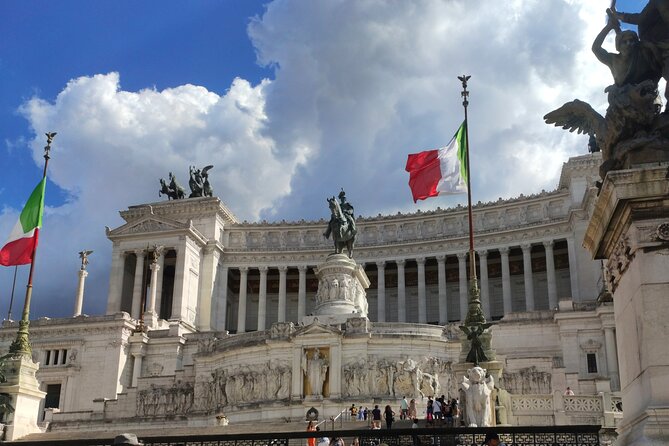
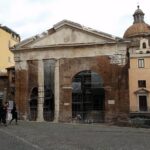
After the viewpoint, you’ll reach the area of Bocca della Verità, the stone marble mask at the portico of Santa Maria in Cosmedin (near Piazza della Bocca della Verità).
The fun here isn’t just seeing it—it’s the famous legend where you stick your hand into the mouth. The best part for a golf cart tour is that you don’t have to add extra transit time to fit this in. You get a quick cultural detour that feels like classic Rome rather than just “big sight, next big sight.”
This stop also works for families because it’s simple, visual, and quick. You can treat it as a photo moment and a conversation piece in one.
Campo de’ Fiori, Trastevere, and Piazza del Popolo: Rome with personality
You’ll then pass through Campo de’ Fiori for about 5 minutes (free). This square is known for its daily market and historic atmosphere, then it changes character after dark with restaurants, cafés, and bars around the area.
Even with just a short stop, you’ll feel the energy. It’s a good place to ask your guide for food or coffee suggestions for later—because the tour can help you map what neighborhood vibe you like.
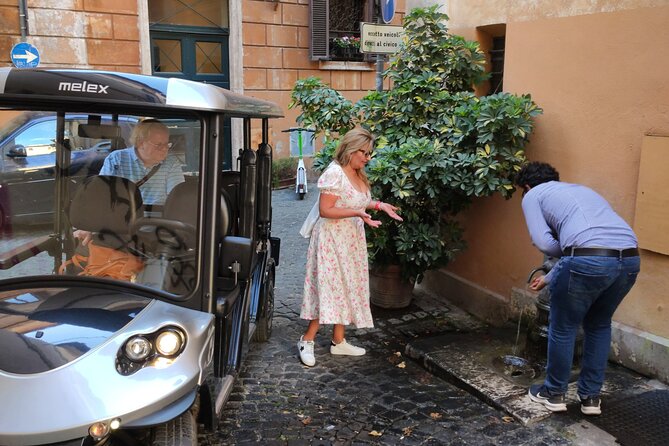
After that, there’s Trastevere for about 5 minutes (free). This is one of the city’s most picturesque and authentic neighborhoods, with narrow cobblestone streets and colorful buildings. In a cart, you get the “wow, this is different” feeling without committing to a long walk.
Then you move to Piazza del Popolo for about 10 minutes (free). It’s iconic, with grand architecture, twin churches, and a central obelisk at the foot of the Pincian Hill. If you want an easy way to start exploring surrounding streets, this square is a good hub.
Janiculum Hill and Piazza Navona: the tour’s big visual payoff
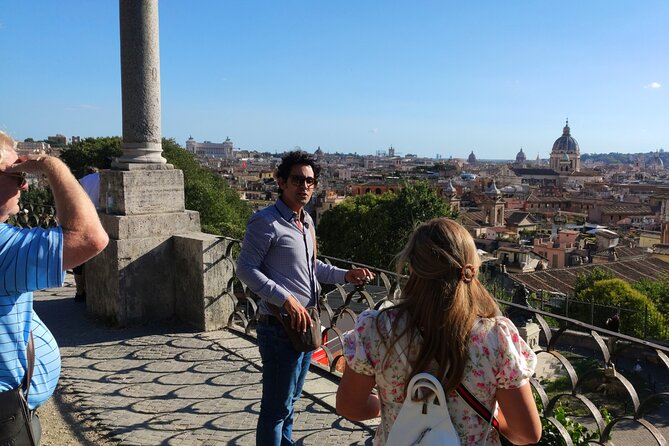
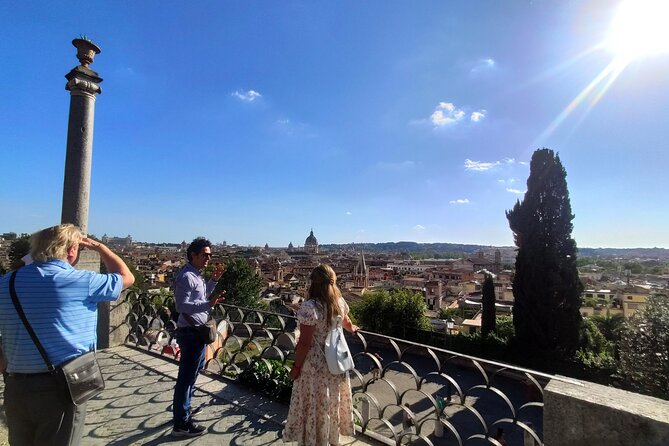
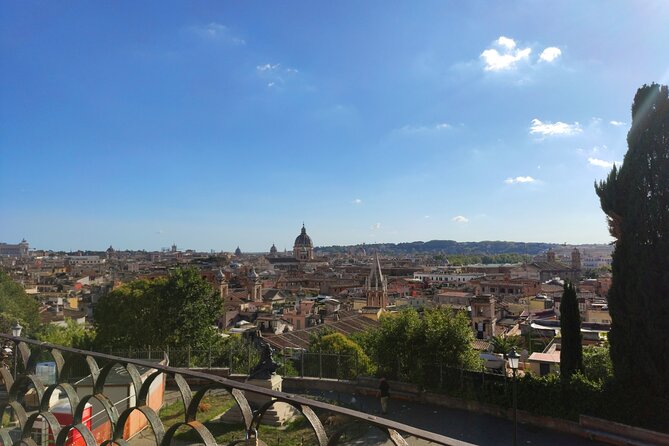
Next comes Janiculum Hill for about 15 minutes (free). Janiculum is one of the best places for a scenic view over central Rome—domes, bell towers, and the long sense of the city stretching out.
This is the stop where timing can matter. One guide on a past tour experience was able to line things up with the midday cannon firing at noon, so you got an extra “Roman moment” on top of the view. If your trip date includes that tradition, ask your guide if they’re planning to hit the hill just before the firing time—so you get the spectacle without feeling rushed.
Finally, you arrive at Piazza Navona for about 5 minutes (free). It’s famous for Baroque architecture and lively street life, and it’s built on the site of an ancient stadium. A big visual highlight is the Fountain of the Four Rivers by Bernini, which you’ll recognize immediately once you’re there.
Even in five minutes, Piazza Navona is memorable. It’s a “blink and it’s already postcard” kind of square. Use the short stop to orient yourself: decide if you want to come back later for a longer sit at a café.
What makes the guides stand out in real life
This tour is driven by your guide, and the reviews you shared point to a pattern: the best days are the ones where the guide actually adjusts.
I’d look for cues like:
- Photo help: guides who offer to take pictures for your group save you from handing your camera to random strangers.
- Pace control: if you want more time at viewpoints, the day shouldn’t feel like it’s racing ahead of you.
- Food and coffee suggestions: one guide example included steering people toward a macchiato and local recommendations, which can genuinely improve your next stop.
Guide names that came up include Fabrizio, Kristian, Gabriel and Francesca, Francesco, Gabriele, Alessandro, Valerio, Isaac, Mario, and Christian. If any of these names appear when you book, it can be a nice sign for who you’ll spend your hours with.
Who this tour is best for (and who might skip it)
This experience is a good fit if:
- You want a first-day overview of central Rome without turning your feet into a sore souvenir.
- Your group includes kids, older adults, or anyone who prefers fewer long walks.
- You like landmark hits but also want a guide to add context so it feels more than a checklist.
You might want to choose something else if:
- You already have a very tight sightseeing plan that focuses on only one or two monuments and you want maximum time inside them.
- Your group prefers independent wandering at your own rhythm with no structured stops.
Should you book this private Rome cart tour?
If you’re trying to make the most of a short stay, I’d book it. This is one of the more efficient ways to see a lot of Rome’s center while keeping the day comfortable, especially because of the pickup/drop-off convenience and the private group format.
The only real “no-surprises” caution is the Pantheon entry situation. If you’re okay handling that ticket separately, the rest of the tour’s pacing is designed so you can enjoy the city without exhausting yourself.
FAQ
How long is the golf cart tour?
The tour is listed as about 3 hours. There is also a 7:00 AM start option that runs for about 2 hours.
Is this a private tour?
Yes. It’s a private tour/activity, and only your group participates.
Do I get hotel pickup in Rome?
Yes. Pickup is offered from any hotel, B&B, or apartment inside the city of Rome within the Aurelian walls.
What language is the tour offered in?
The tour is offered in English.
Is admission included for all stops?
Pantheon admission is not included. Other stops listed are marked as free.
Can the route be customized?
Yes. The tour is described as fully customizable to your preferences.
What’s the starting time?
There’s a 7:00 AM start option noted. The tour summary also mentions 7:00 AM as the only start time listed for the shorter 2-hour version.
How far in advance should I book?
The tour is listed as being booked on average about 63 days in advance, so booking ahead is a good idea.