REVIEW · ROME
Forum, Colosseum Guided Tour and Capitoline Museum Ticket
Book on GetYourGuide →Operated by TICKETSTATION SRL · Bookable on GetYourGuide
One of Rome’s most crowded streets is Via Sacra. This 5-hour combo pairs a professional Forum and Colosseum guide with skip-the-line tickets, then hands you the Capitoline Museums with time to enjoy the art and the hilltop views. I especially like the guided story-telling in the Forum, and the way you get museum context for the art you’re seeing. One consideration: this is a concentrated walking day, so plan for standing and uneven ancient surfaces.
The best part is the human factor. Guides such as Cynthia and Laura are described as friendly, inclusive, and willing to slow down when it matters, while still keeping the flow moving. If you prefer totally self-paced sightseeing, the fixed guided portion (Forum/Colosseum) may feel a bit structured.
In This Review
- Key things to know before you go
- Why this Forum and Colosseum plus Capitoline combo works
- The value question: is it worth $129.14?
- Who this tour fits best
- Your 5-hour flow: from Via Sacra to Capitoline art
- Step 1: 25 minutes of Ancient Rome video (Touristation Office)
- Step 2: Guided Roman Forum and Colosseum walk (about 2.5 hours)
- Step 3: The Forum stops that anchor the myth and power story
- Step 4: Capitoline Museums entry (self-paced once inside)
- Entering The Colosseum and understanding what you’re looking at
- What I like about the pacing here
- Practical note
- Roman Forum highlights: Via Sacra, Caesar’s altar, and the meaning of each stop
- Via Sacra: the ceremonial spine
- Julius Caesar’s cremation site: why it still matters
- Capitoline Museums: Michelangelo’s square, Caravaggio’s art, and the she-wolf myth
- Michelangelo and the Capitoline Hill square
- Caravaggio and the emotional punch of art
- The she-wolf and the Caput Mundi theme
- The viewpoints: seeing the Colosseum and forums from Capitoline Hill
- Tickets, what’s guided vs not, and how to plan your energy
- What you get
- What you don’t get (so plan accordingly)
- You’ll want comfortable footwear
- Bring your ID
- Guide quality: what makes this feel human in the middle of crowds
- Should you book this guided experience?
- FAQ
- How long is the tour?
- What does the guided portion cover?
- Are tickets for the Colosseum, Forum/Palatine Hill, and Capitoline Museums included?
- Is the Capitoline Museums visit guided?
- Is there an intro before visiting?
- What time should I plan for the meeting point?
- What should I bring?
Key things to know before you go
- Skip-the-line access for Colosseum, Roman Forum/Palatine Hill, and the Capitoline Museums saves you from the worst of the queues
- A guided 2.5-hour walk focuses on Via Sacra and the Roman power story, with real stops (including Julius Caesar’s cremation site)
- Capitoline Museums context built in via a 25-minute multimedia Ancient Rome video before you start exploring
- Big-name art and symbols you’ll recognize fast: Michelangelo, Caravaggio, and the she-wolf foundation myth
- Hilltop views are part of the plan, including looks over the Colosseum, Imperial Forum ruins, and Palatine Hill
- English/Spanish live guiding is included for the Forum and Colosseum portion
Why this Forum and Colosseum plus Capitoline combo works
Rome rewards you when you don’t just look at stones—you learn what they meant. This tour is designed for that exact goal. You start with a guided walk through the archaeological heart of the city, then you switch gears into art, myths, and political branding inside the Capitoline Museums.
The structure is also smart for time. You get the benefit of a live guide where the details matter most (the Forum and the Colosseum surroundings), then you move into the museum at your own pace. That mix helps you avoid museum-fatigue where everyone rushes just to tick boxes.
You can also read our reviews of more tours and experiences in Rome

The value question: is it worth $129.14?
At $129.14 per person for about 5 hours, the headline price can look high at first glance. But you’re paying for three things that are hard to fake on your own:
- Guided interpretation for the Roman Forum and Colosseum—this is where explanations turn ruins into a story you can actually follow.
- Skip-the-line tickets for multiple major sites. Rome queues can waste your trip faster than you’d expect.
- A guided-to-independent handoff: the tour sets you up with a quick multimedia intro, then lets you enjoy the Capitoline Museums without a second paid guide covering the whole space.
Also, there’s a small but important pricing detail baked into the Colosseum ticketing. The Colosseum ticket itself is listed as €16 with a €2 reservation fee. Your total package price covers the rest of the services tied to the experience—not just one attraction.
Who this tour fits best
This works especially well if:
- you want context for the Forum and Colosseum, not just photos
- you like seeing art and politics together (Roman rulers loved both)
- you’re traveling with a partner or small group that wants a plan but still wants room to wander in museums
It might be less ideal if:
- you hate walking on uneven surfaces
- you only want museum time and prefer less “ruins + talk”
Your 5-hour flow: from Via Sacra to Capitoline art
The time you book matters in two ways. The selected booking time is tied to the Touristation Office, while the timeslot you choose applies to the guided walk of the Roman Forum and Colosseum. In other words, you’re not just waiting for one “meet and go” moment—you’re syncing up with a schedule that includes both the multimedia intro and the guided portion.
Step 1: 25 minutes of Ancient Rome video (Touristation Office)
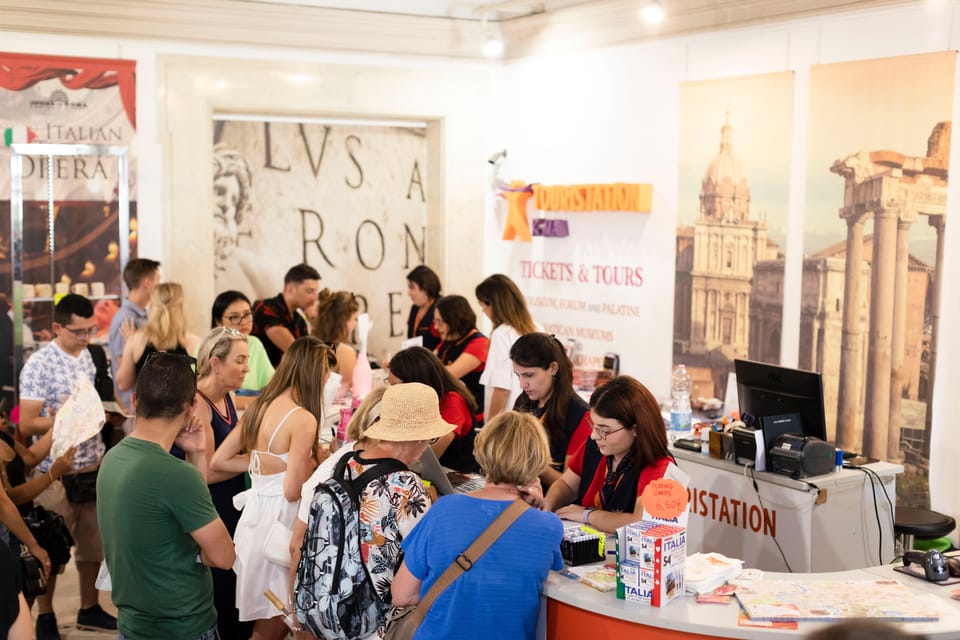
Before you start walking, you’ll get a 25-minute multimedia video at the Touristation Office. This is not busywork. It helps you connect names and places you’ll hear later: the kind of quick primer that makes the Forum and its political theatre easier to understand.
If you’re the type who gets lost in context-free sightseeing, this section is a real help. You don’t need to be a classics expert. The goal is simple: get your bearings fast.
You can also read our reviews of more guided tours in Rome





Step 2: Guided Roman Forum and Colosseum walk (about 2.5 hours)
Your guided portion runs on foot and is focused on the storylines that define Ancient Rome. The tour includes entry with skip-the-line access, so you spend less time staring at lines and more time learning.
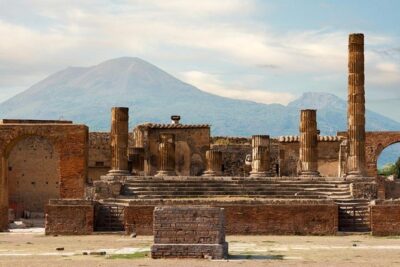
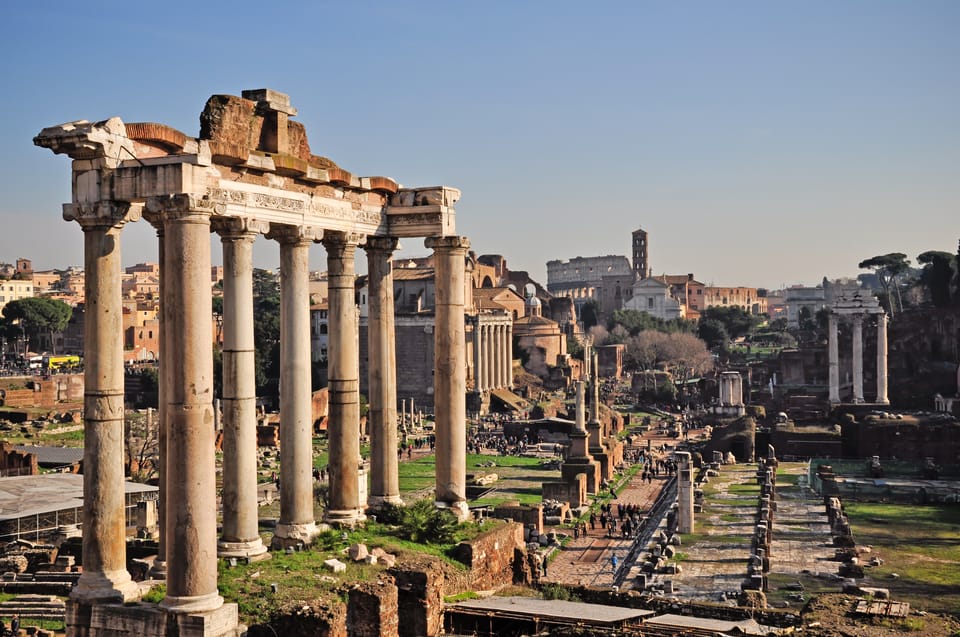
You’ll walk along the Via Sacra (Sacred Road), a main artery of ceremonial life in the Roman world. It’s not just a street. You’ll hear how triumphal processions and festivals would move along this path—so when you look down at the remains, you can imagine the choreography.
Step 3: The Forum stops that anchor the myth and power story
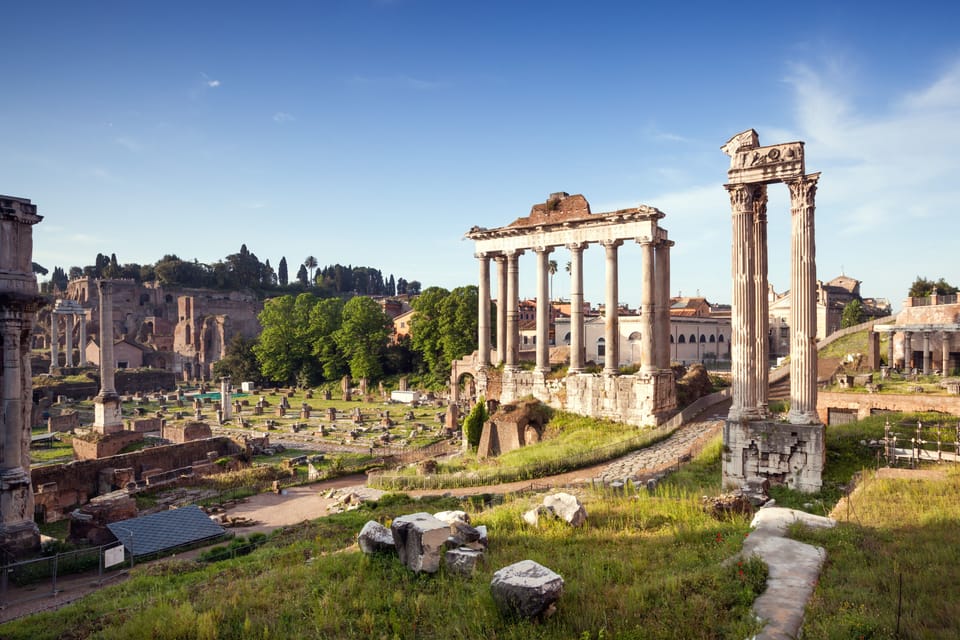
One of the most pointed stops is the Temple area associated with the altar where Julius Caesar was cremated. The tour also notes a detail that makes the site feel alive today: people from around the world still leave flowers and candles there. That kind of continuity is part of what makes Rome so different from other ancient ruins.
As you move through the Roman Forum area, the guide’s job is to stitch together the “what” and the “why.” You’re not only learning dates and names—you’re learning how power was staged, displayed, and remembered.
Step 4: Capitoline Museums entry (self-paced once inside)
After the Roman half, you shift into the Capitoline Museums, one of Rome’s biggest art-and-antiquities experiences. Your package includes skip-the-line tickets, and staff help you book your entrance ticket for the Capitoline Museums.
There isn’t a guided tour of the museum itself included here. That’s not a downgrade—it’s a tradeoff. You can spend longer at what grabs you, instead of having someone keep you moving through rooms that may or may not match your interests.
Entering The Colosseum and understanding what you’re looking at
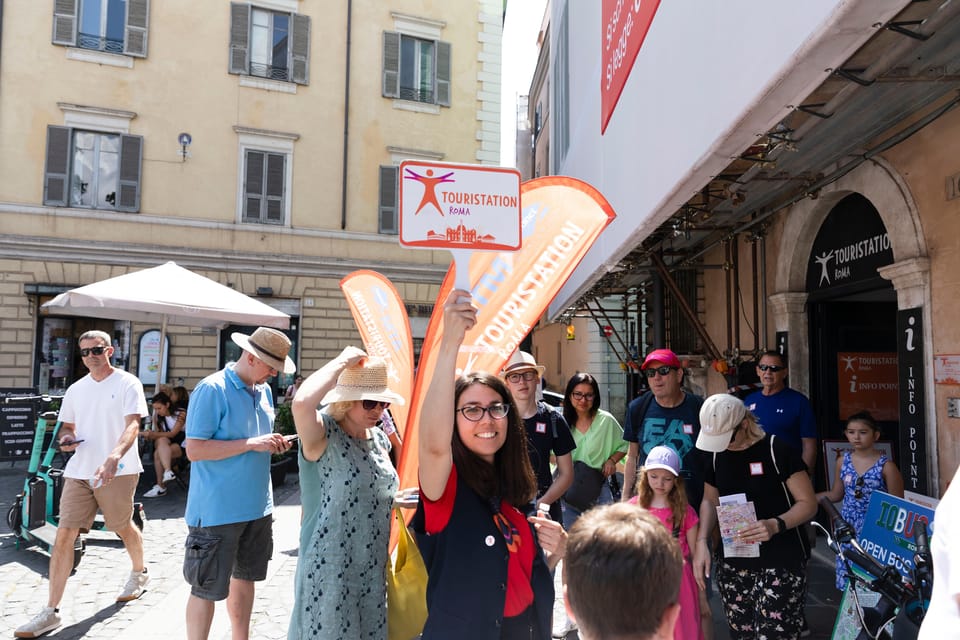
The Colosseum is the kind of place where you can easily end up with a photo memory and almost no story. This tour tries to prevent that.
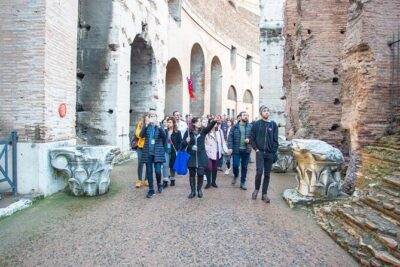
With a live guide, you’ll get explanations tied to the spaces you can see and the ideas those spaces represented. Since the tour includes skip-the-line Colosseum access, you’re also more likely to arrive with energy rather than dread.
What I like about the pacing here
You’re not thrown into the deepest details immediately and you’re not stuck watching your guide point from a distance. Instead, you walk and listen through key moments, then you keep moving when the story is still fresh.
Practical note
The Colosseum and surrounding ruins are famous for crowds. You’ll feel the pressure of that. Skip-the-line helps, but you’ll still want sensible expectations: good photos take timing, and standing room can be tight.
Roman Forum highlights: Via Sacra, Caesar’s altar, and the meaning of each stop
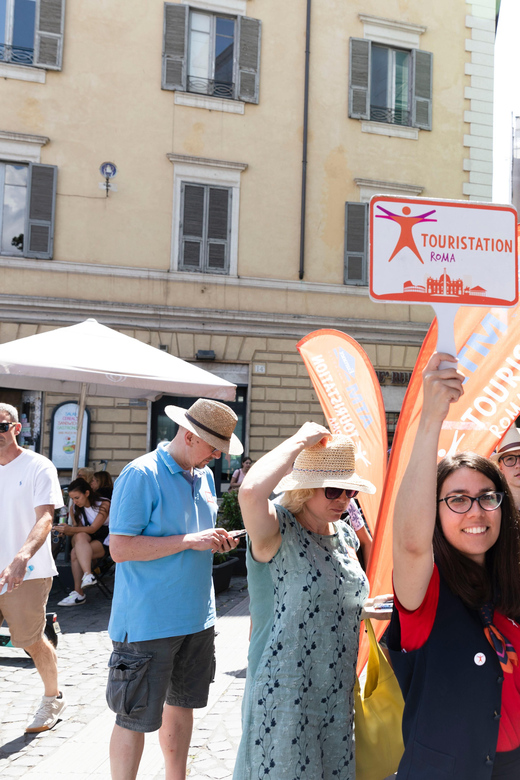
If you only visit the Forum without guidance, it can start to feel like “a lot of broken foundations.” A good guide turns those foundations into a map of Roman priorities.
Via Sacra: the ceremonial spine
The tour’s emphasis on Via Sacra is key. This road wasn’t an everyday commuter route. It’s tied to the public theatre of Rome—triumphs, religious festivals, and political showmanship. When you walk it with context, the landscape starts behaving like a stage.
Julius Caesar’s cremation site: why it still matters
The Forum stop connected to Julius Caesar’s cremation altar is one of the most emotionally grounded moments in the itinerary. It’s not just “here is where something happened.” The tour also calls out that visitors continue leaving flowers and candles. That small detail helps you understand how Roman history is still used as a symbol—more than a museum label.
Capitoline Museums: Michelangelo’s square, Caravaggio’s art, and the she-wolf myth
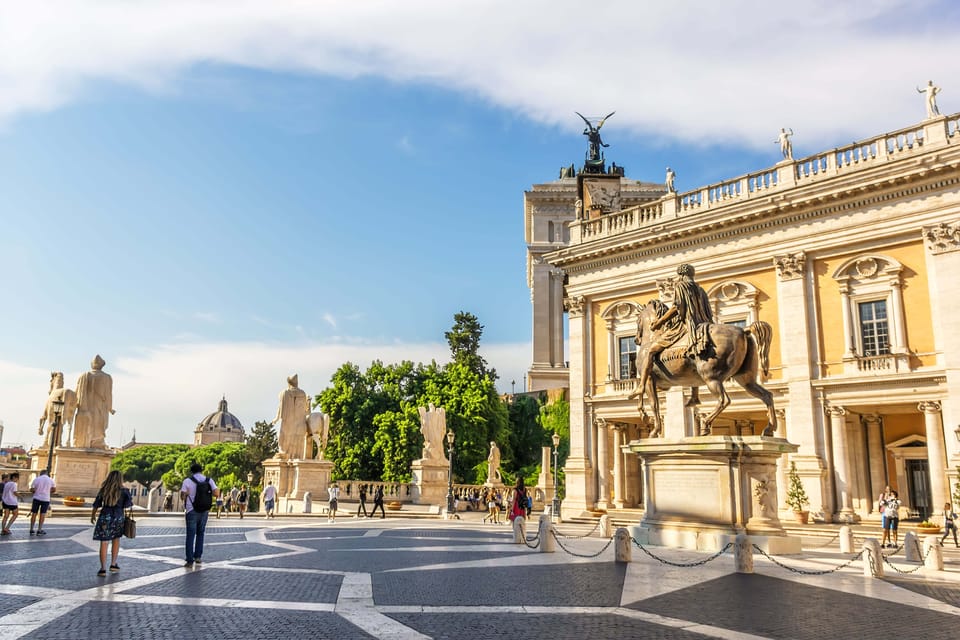
The Capitoline Museums are where Rome shows you a second face: not just ruins and politics, but images, craft, and cultural self-image.
This tour leans into that with the right mix of recognizable names and story symbols.
Michelangelo and the Capitoline Hill square
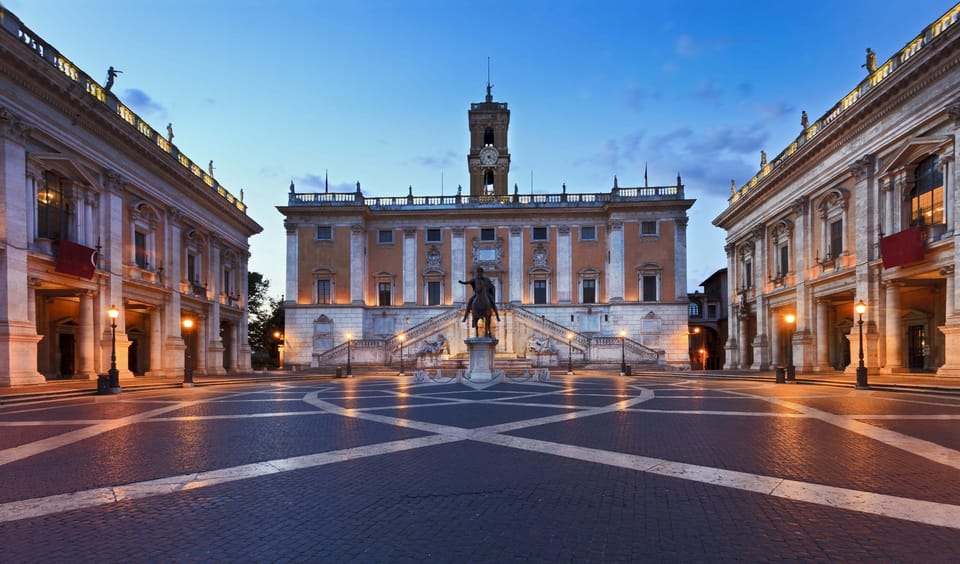
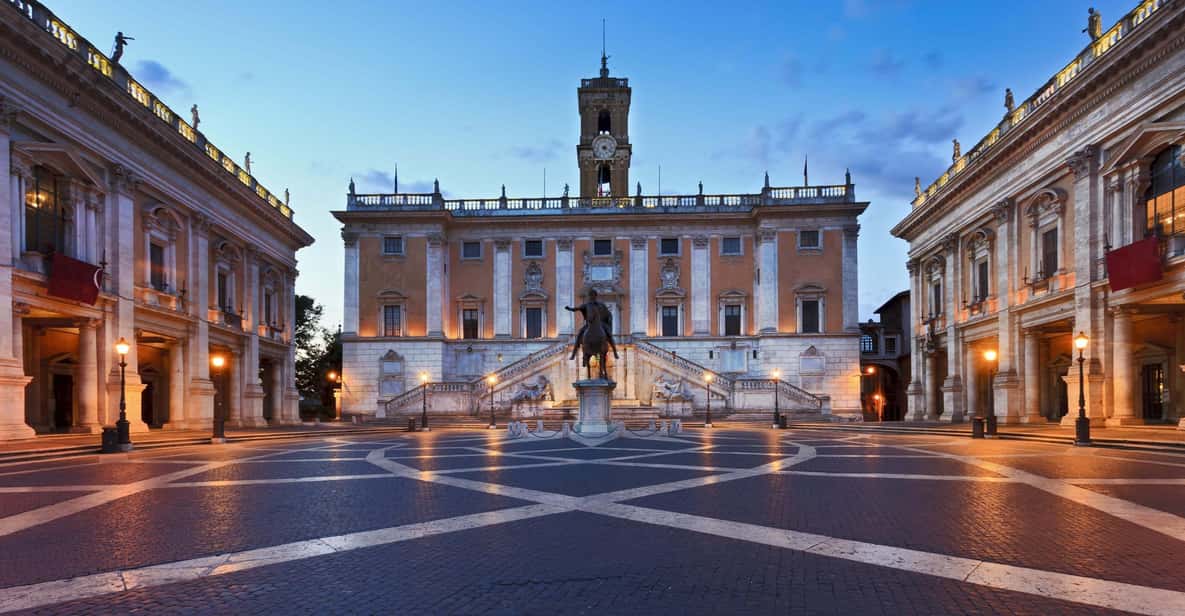
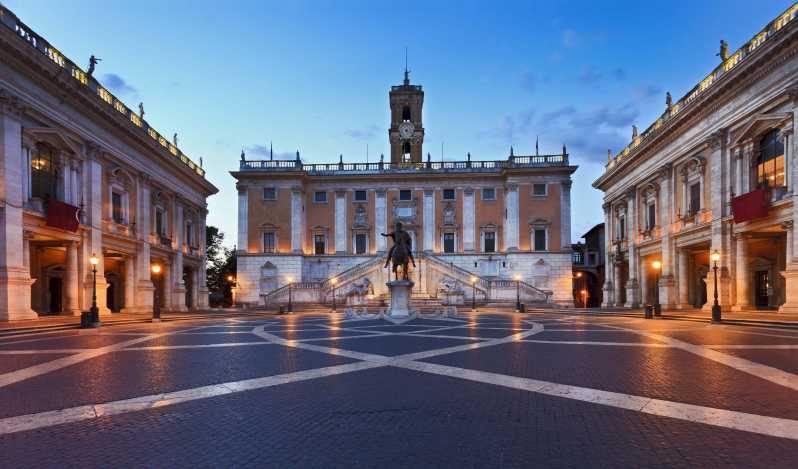
You’ll learn how construction on Capitoline Hill began, and how Michelangelo was commissioned by Pope Paul III to design the square. The tour points out that it was the first square of modern Rome—meaning it wasn’t only art for art’s sake. It was city-making.
When you’re standing there, you’ll likely notice something important: viewpoints and buildings were planned together. That’s Rome’s style.
Caravaggio and the emotional punch of art
The package includes admission with time to see Caravaggio works, plus other renowned artists. Since the museum part is self-paced, you can slow down for the paintings that hit you most.
If you’re used to reading art labels quickly and moving on, give this part at least a little extra time. Caravaggio’s work tends to reward close looking, not speed-walking.
The she-wolf and the Caput Mundi theme
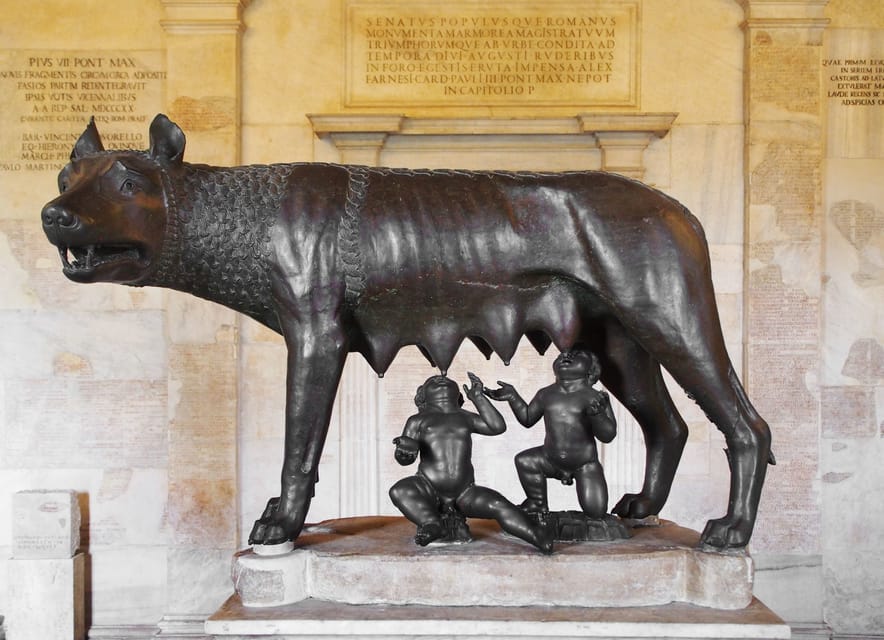
One of the highlights is the famous she-wolf sculpture, tied to the foundation myth of Rome’s founders Romulus and Remus. You’ll also hear about the ancient Rome idea of Caput Mundi, presented as a treasure chest of items telling Rome’s story.
This matters because it shifts the day from “Ancient Rome is over there” to “Ancient Rome keeps getting used.” Rome’s myth-making wasn’t only ancient—it’s part of how Rome sells itself through time.
The viewpoints: seeing the Colosseum and forums from Capitoline Hill
Capitoline Hill isn’t just a museum setting. It’s a standing spot. The tour builds in time to enjoy some of the best views over Ancient Rome’s key landmarks, including:
- the Colosseum
- the Imperial Forum
- the ruins of the Roman Forum
- Palatine Hill
This is where you connect the day’s pieces. You’re not only learning about the Forum below—you’re seeing how the city’s power zones fit together spatially.
If you care about photography, go a little slowly here. Crowds can move fast, and light changes throughout the day. Even a small shift in your position can improve your shot.
Tickets, what’s guided vs not, and how to plan your energy
The inclusions are clear, and that clarity helps you plan.
What you get
- Professional guide for Roman Forum and Colosseum
- Skip-the-line tickets for Roman Forum and Palatine Hill
- Skip-the-line tickets for Colosseum
- Skip-the-line tickets for Capitoline Museums
- A 25-minute multimedia video on Ancient Rome at Touristation Office
What you don’t get (so plan accordingly)
- There is no guided tour of the Capitoline Museums
- There is no guided tour for Palatine Hill specifically
That’s not a problem if you’re curious and okay reading signs, listening to your own thoughts, and using the museum space at your pace. If you want constant narration in every room, you might prefer a fully guided museum option.
You’ll want comfortable footwear
This is a “ruins and steps” day. Even when the main path is manageable, you’ll still be walking over uneven stone and taking in viewpoints. Wear shoes you already trust.
Bring your ID
You’ll need a passport or ID card, including for children.
Guide quality: what makes this feel human in the middle of crowds
Crowds in Rome can turn any tour into a herding exercise. What helps here is the guide style reported: friendly, competent, and question-friendly. Guides such as Cynthia and Laura are described as taking time at each spot while keeping the pace moving.
That combo matters. In the Forum and at the Colosseum, it’s easy for people to zone out. A guide who can explain the “why” without sounding like a textbook keeps the experience meaningful.
Also, there’s a nice detail in the tour concept: you don’t only get the famous facts. You’ll hear stories about the construction and how Michelangelo was pulled into city design by Pope Paul III—that kind of link between politics and art is exactly what makes the day feel less like a checklist.
Should you book this guided experience?
Book this tour if you want a smart split: guided ruins for context, plus museum time for art and pacing. The skip-the-line access across multiple sites is genuinely helpful, and the itinerary hits the major landmarks people come to Rome for, while still connecting them with stories.
Skip it (or consider a different format) if:
- you want only self-guided sightseeing with minimal structure
- you’re not interested in art history highlights like Caravaggio or the Capitoline Hill square design
One more practical decision rule: if the idea of spending time reading labels while stuck in a crowd sounds like stress, this setup is a good antidote. You get a guide where it counts, then you get freedom where you can slow down—at the museums and viewpoints.
FAQ
How long is the tour?
The experience is listed as 5 hours. Start times vary by availability.
What does the guided portion cover?
You get a live English or Spanish guide for the Roman Forum and Colosseum, including entry with skip-the-line access. The walking guided tour is described as 2.5 hours within the overall 5-hour experience.
Are tickets for the Colosseum, Forum/Palatine Hill, and Capitoline Museums included?
Yes. The package includes skip-the-line tickets for the Colosseum, Roman Forum and Palatine Hill, and the Capitoline Museums.
Is the Capitoline Museums visit guided?
No. The experience includes admission to the Capitoline Museums, but it does not include a guided tour inside the museum. Staff help with booking the entrance ticket.
Is there an intro before visiting?
Yes. Included is a 25-minute multimedia video on Ancient Rome at the Touristation office.
What time should I plan for the meeting point?
The booking time refers to timing at the Touristation Office, while the timeslot refers to the guided tour of the Roman Forum and Colosseum.
What should I bring?
Bring a passport or ID card (and the same for children).